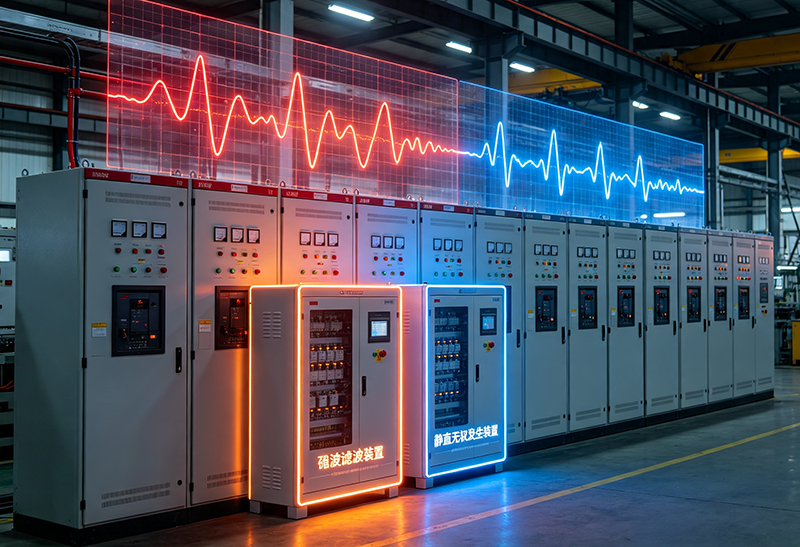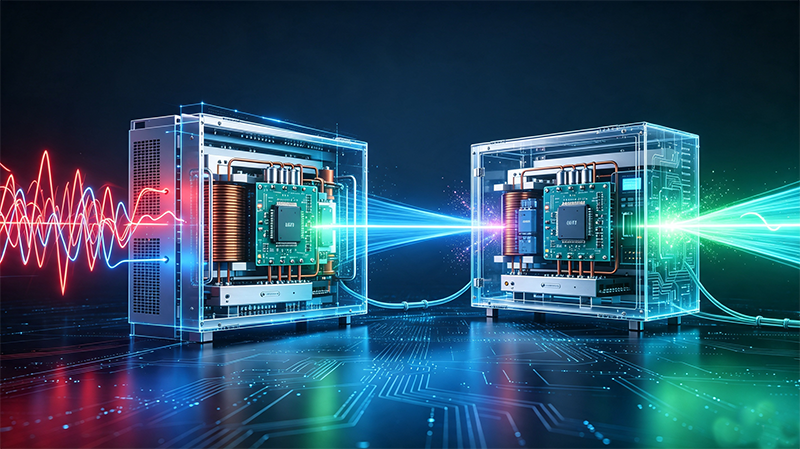
في البيئات الصناعية الحديثة, لم يعد الحفاظ على جودة طاقة عالية أمرًا اختياريًا، بل أصبح أمرًا بالغ الأهمية. كمهندس كهربائي كبير في CoEpower, لقد رأيت بنفسي كيف يمكن للتشوه التوافقي أن يعطل العمليات, تلف المعدات الحساسة, وزيادة التكاليف التشغيلية.
اثنان من الحلول الأكثر استخدامًا للتخفيف التوافقي هما مرشح التوافقي النشط (آه) ومرشح القمع التوافقي (إتش إس إف) (يشار إليها عادة بالمرشحات التوافقية السلبية). بينما يهدف كلاهما إلى تقليل التشوه التوافقي, تعمل بشكل مختلف ومناسبة لتطبيقات مختلفة.
توفر هذه المقالة شاملة, دليل عملي لمساعدتك في اختيار الحل المناسب لنظامك الصناعي.
ما هي التوافقيات ولماذا هي مهمة؟?
التوافقيات هي تشوهات الجهد أو التيار في الأنظمة الكهربائية الناتجة في المقام الأول عن الأحمال غير الخطية مثل:
- محركات التردد المتغيرة (VFDs)
- المعدلات والعاكسات
- أنظمة UPS
- معدات الأتمتة الصناعية
يمكن أن تؤدي هذه التشوهات إلى:
- ارتفاع درجة حرارة المحولات والكابلات
- زيادة فقدان الطاقة
- خلل في المعدات أو فشلها
- عقوبات عدم الامتثال لمعايير مثل IEEE 519
تعد إدارة التوافقيات بشكل فعال أمرًا ضروريًا لضمان موثوقية النظام وكفاءته.
ما هو مرشح التوافقي النشط?
مرشح التوافقي النشط (آه) هو جهاز إلكتروني متقدم يكتشف التيارات التوافقية ويعوضها ديناميكيًا في الوقت الفعلي.
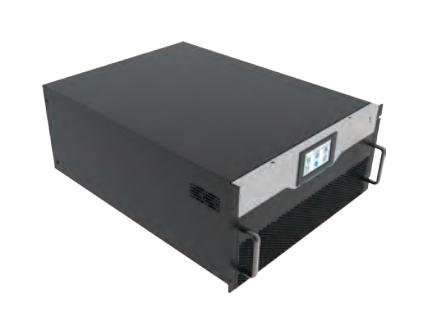
الميزات الرئيسية لـ AHF:
- التعويض التوافقي في الوقت الحقيقي
- التكيف مع تحميل التغييرات
- القدرة على تصفية أوامر توافقية متعددة في وقت واحد
- كما يحسن عامل الطاقة ويوازن الأحمال
كيف يعمل:
تستخدم AHFs إلكترونيات الطاقة (المحولات المستندة إلى IGBT) لحقن التيارات المضادة في النظام, إلغاء التوافقيات بشكل فعال.
ما هو مرشح القمع التوافقي؟?
مرشح القمع التوافقي (إتش إس إف), عادة مرشح سلبي, تم تصميمه باستخدام مجموعات من المكثفات, المحاثات, ومقاومات مضبوطة على ترددات توافقية محددة.
الميزات الرئيسية لـ HSF:
- تعويض ثابت لأوامر توافقية محددة
- انخفاض التكلفة الأولية مقارنة بـ AHFs
- هيكل بسيط والتشغيل
كيف يعمل:
توفر HSFs مسارات مقاومة منخفضة للترددات التوافقية المستهدفة, تحويلهم بعيدا عن نظام الطاقة.
مرشح التوافقي النشط مقابل مرشح القمع التوافقي: الاختلافات الرئيسية
| ميزة | مرشح التوافقي النشط | مرشح القمع التوافقي |
|---|---|---|
| مبدأ العمل | التعويض الديناميكي في الوقت الحقيقي | ضبط التردد الثابت |
| المرونة | عالي (يتكيف مع تحميل التغييرات) | قليل (مصممة لتوافقيات محددة) |
| التغطية التوافقية | نطاق واسع (أوامر متعددة) | يقتصر على الترددات المضبوطة |
| تثبيت | أكثر تعقيدا | أبسط |
| يكلف | ارتفاع الاستثمار الأولي | تكلفة أولية أقل |
| خطر الرنين | لا أحد | مشاكل الرنين المحتملة |
| تصحيح عامل الطاقة | نعم (متعددة الوظائف) | محدود |
متى يجب عليك اختيار المرشح التوافقي النشط؟?
من تجربتي الهندسية, AHFs هي الخيار الأفضل في السيناريوهات التالية:
1. الأحمال المتغيرة للغاية
الصناعات مثل التصنيع, التعدين, وغالبًا ما تواجه مراكز البيانات أحمالًا متقلبة. AHFs تتكيف في الوقت الحقيقي, مما يجعلها مثالية.
2. متطلبات صارمة لجودة الطاقة
إذا كان يجب على منشأتك الالتزام بـ IEEE 519 أو معايير مماثلة, توفر AHFs التحكم التوافقي الدقيق.
3. الملامح التوافقية المعقدة
عند وجود ترددات توافقية متعددة, تتفوق AHFs على المرشحات السلبية بشكل ملحوظ.
4. الحاجة إلى وظائف متعددة
يمكن لـ AHFs:
- تعويض التوافقيات
- عامل الطاقة الصحيح
- موازنة الأحمال ثلاثية الطور
وهذا يجعل منهم حلا شاملا.
متى يجب عليك اختيار مرشح القمع التوافقي؟?
HSFs (المرشحات السلبية) لا يزال لها مكانها في النظم الصناعية, وخاصة في هذه الحالات:
1. أحمال مستقرة ويمكن التنبؤ بها
إذا كان نظامك يعمل في ظل ظروف متسقة مع ترددات توافقية معروفة, المرشحات السلبية يمكن أن تكون فعالة.
2. قيود الميزانية
تعد HSFs أكثر فعالية من حيث التكلفة مقدمًا, مما يجعلها مناسبة للمشاريع ذات الميزانيات المحدودة.
3. تطبيقات بسيطة
للأنظمة ذات التوافقي السائد (على سبيل المثال, 5ال أو السابع), يمكن أن يعمل المرشح السلبي المضبوط بشكل جيد.
اعتبارات التكلفة: الاستثمار الأولي مقابل الاستثمار طويل الأجل
أحد الأسئلة الأكثر شيوعًا التي أتلقاها من العملاء هو:
"ما هو الحل الأكثر فعالية من حيث التكلفة؟?"
مرشح التوافقي النشط:
- تكلفة أولية أعلى
- صيانة أقل
- توفير الطاقة مع مرور الوقت
- تقليل خطر فشل المعدات
مرشح القمع التوافقي:
- انخفاض التكلفة الأولية
- التكاليف الخفية المحتملة (صدى, التفجير, عدم الكفاءة)
- قد يتطلب إعادة التصميم إذا تغيرت ظروف النظام
البصيرة الهندسية:
في حين أن AHFs قد تبدو باهظة الثمن في البداية, فهي غالبًا ما تقدم عائدًا أفضل على الاستثمار في البيئات الصناعية الديناميكية.
مقارنة الأداء والموثوقية
مرشح التوافقي النشط:
- أداء ثابت تحت أحمال مختلفة
- لا توجد مشاكل في التفجير
- موثوقية عالية في الأنظمة المعقدة
مرشح القمع التوافقي:
- يعتمد الأداء بشكل كبير على استقرار النظام
- عرضة للرنين والحمل الزائد
- تنخفض الكفاءة إذا تغيرت معلمات النظام
التطبيقات الصناعية النموذجية
تطبيقات التصفية التوافقية النشطة:
- مراكز البيانات
- نباتات الصلب
- تصنيع السيارات
- أنظمة الطاقة المتجددة (الطاقة الشمسية/الرياح)
- المستشفيات والمرافق الحيوية
تطبيقات مرشح القمع التوافقي:
- مصانع الاسمنت
- مرافق معالجة المياه
- أنظمة التدفئة والتهوية وتكييف الهواء
- تطبيقات المحركات ذات السرعة الثابتة
الحلول الهجينة: أفضل ما في العالمين?
في بعض الحالات, الجمع بين كلتا التقنيتين يوفر نتائج مثالية.
قد يستخدم نظام هجين:
- مرشحات سلبية للحد من التوافقي بالجملة
- مرشحات نشطة للضبط الدقيق والتعويض الديناميكي
يوازن هذا النهج بين التكلفة والأداء بشكل فعال.
قائمة مرجعية للاختيار العملي
عند الاختيار بين مرشح التوافقي النشط ومرشح القمع التوافقي, النظر في ما يلي:
- تقلب التحميل (مستقرة مقابل ديناميكية)
- تعقيد الطيف التوافقي
- متطلبات الامتثال (IEEE 519, معايير اللجنة الانتخابية المستقلة)
- ميزانية (التكلفة الأولية مقابل تكلفة دورة الحياة)
- قيود المساحة والتركيب
- خطط توسيع النظام المستقبلية
خاتمة
إن الاختيار بين مرشح التوافقي النشط ومرشح القمع التوافقي ليس مجرد قرار فني - بل هو استثمار استراتيجي في كفاءة منشأتك, مصداقية, والامتثال.
من تجربتي في CoEpower, القاعدة العامة هي:
- اختر المرشحات التوافقية النشطة للديناميكية, معقد, وأنظمة عالية الأداء
- اختر مرشحات القمع التوافقي للاستقرار, يمكن التنبؤ به, والتطبيقات الحساسة من حيث التكلفة
إذا كان نظامك يتطور أو من المتوقع أن يتوسع, الاستثمار في AHF سيوفر دائمًا قيمة أكبر على المدى الطويل.
حول CoEpower
في CoEpower, نحن متخصصون في حلول جودة الطاقة المتقدمة, بما في ذلك المرشحات التوافقية النشطة وأنظمة التخفيف التوافقية المخصصة المصممة خصيصًا لتلبية الاحتياجات الصناعية.
إذا لم تكن متأكدًا من الحل المناسب لتطبيقك, يمكن للتشاور مع المهندسين ذوي الخبرة توفير الوقت والتكلفة على المدى الطويل.
العلامات: مرشح التوافقي النشط, مرشح القمع التوافقي, التخفيف التوافقي, حلول جودة الطاقة, أنظمة الطاقة الصناعية, مرشح التشوه التوافقي, AHF مقابل المرشح السلبي, حلول الترشيح التوافقي, الموردين, الشركات المصنعة, مصنع, شركة, الصين, بالجملة, يشتري, سعر, اقتباس, حجم كبير, للبيع, شركات, مخزون, يكلف.