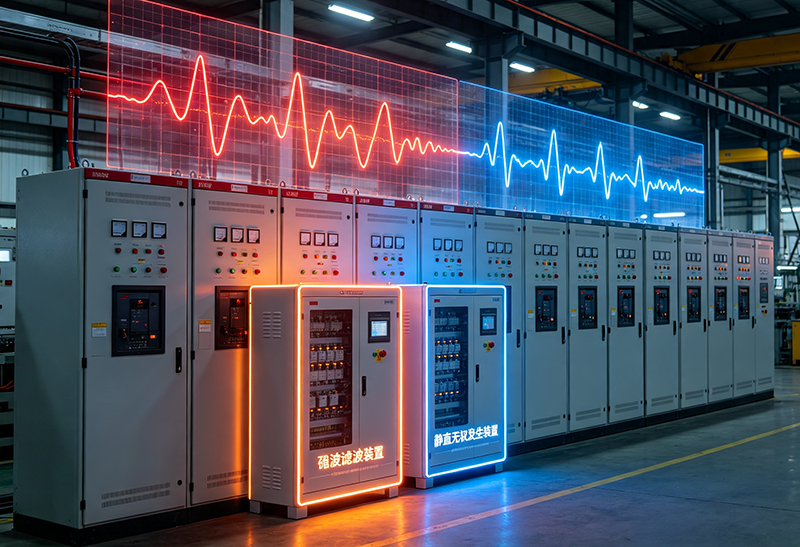
مقدمة
في المنشآت الصناعية الحديثة, أصبحت كفاءة الطاقة الكهربائية ذات أهمية متزايدة. كمهندس كهربائي كبير في CoEpower, كثيرا ما أواجه مصانع تعاني من انخفاض عامل الطاقة, الإفراط في استهلاك الطاقة التفاعلية, عقوبات المرافق, تقلبات الجهد, وانخفاض كفاءة النظام. لا تؤدي هذه المشكلات إلى زيادة تكاليف الكهرباء فحسب، بل تؤثر أيضًا على موثوقية المعدات الحيوية وعمرها الافتراضي.
يمكن لنظام تعويض الطاقة التفاعلية المصمم جيدًا أن يحسن جودة الطاقة بشكل كبير, تقليل خسائر الطاقة, زيادة قدرة النظام, ورسوم المرافق أقل. سواء كنت تدير مصنعًا للتصنيع, منشأة التعدين, مطحنة الصلب, محطة معالجة المياه, أو مركز البيانات, يعد فهم كيفية تصميم نظام فعال لتعويض الطاقة التفاعلية أمرًا ضروريًا.
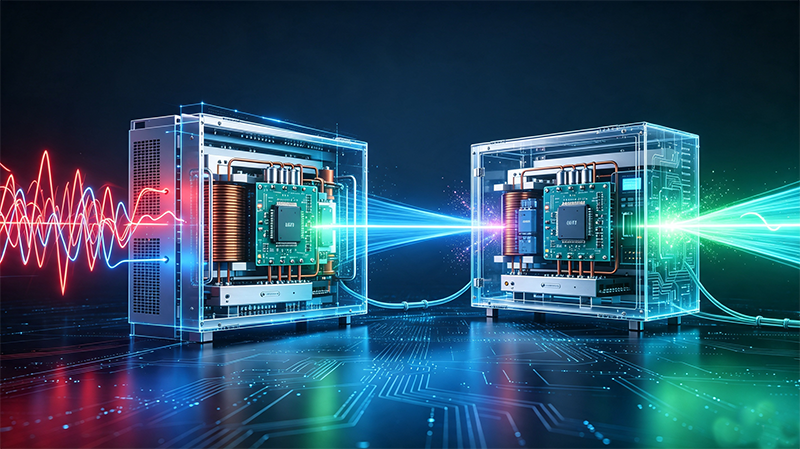
توفر هذه المقالة دليلاً شاملاً لتصميم نظام تعويض الطاقة التفاعلية, بما في ذلك تحليل الحمل, اختيار معدات التعويض, التخفيف التوافقي, والحلول الحديثة مثل مولدات فار ثابتة (صور SVG).
فهم الطاقة التفاعلية في المنشآت الصناعية
قبل تصميم نظام التعويضات, من المهم أن نفهم ما هي القوة التفاعلية.
الأحمال الصناعية مثل:
- المحركات الحثية
- محولات
- ماكينات لحام
- الضواغط
- محركات التردد المتغيرة (VFDs)
- معدات التدفئة والتهوية وتكييف الهواء
تتطلب كلا من القوة النشطة (كيلوواط) والقوة التفاعلية (غادر).
القوة النشطة تؤدي عملاً مفيدًا, بينما تدعم الطاقة التفاعلية المجالات المغناطيسية اللازمة لتشغيل المعدات. يؤدي الطلب المفرط على الطاقة التفاعلية إلى:
- عامل الطاقة المنخفض
- ارتفاع التدفق الحالي
- زيادة تحميل المحولات
- ارتفاع خسائر الكابلات
- ينخفض الجهد
- عقوبات عامل الطاقة المنفعة
الهدف من تعويض الطاقة التفاعلية هو توفير الطاقة التفاعلية المطلوبة محليًا بدلاً من سحبها من شبكة المرافق.
خطوة 1: تحليل خصائص تحميل المصنع
الخطوة الأولى في تصميم نظام التعويض هي إجراء مسح تفصيلي لجودة الطاقة.
تشمل المعلمات الرئيسية للقياس:
إجمالي الطاقة النشطة (كيلوواط)
تحديد متوسط وذروة الطلب النشط على الطاقة في المصنع.
عامل الطاقة الحالي
يقيس:
- متوسط معامل القدرة
- عامل قدرة الحمل الأقصى
- الحد الأدنى من عامل الطاقة
تتطلب معظم المرافق عامل طاقة أعلاه 0.90 أو 0.95.
الطلب على الطاقة التفاعلية (غادر)
سجل استهلاك الطاقة التفاعلية في ظل ظروف التشغيل المختلفة.
التشويه التوافقي
يقيس:
- ثدي (التوافقيات الحالية)
- ثدف (توافقيات الجهد)
تعتبر هذه الخطوة حاسمة لأن التوافقيات تؤثر بشكل كبير على اختيار معدات التعويض.
تباين التحميل
تقييم ما إذا كانت الأحمال:
- ثابت
- متقطع
- تتغير بسرعة
غالبًا ما تتطلب الأحمال الديناميكية تقنيات تعويض متقدمة.
خطوة 2: تحديد أهداف التعويض
المصانع المختلفة لها أهداف مختلفة.
وتشمل الأهداف النموذجية:
تحسين معامل القدرة
على سبيل المثال:
الحالي بف = 0.75
الهدف بف = 0.98
تقليل عقوبات المنفعة
تفرض العديد من المرافق غرامات عندما يقل عامل الطاقة عن الحدود التعاقدية.
الافراج عن قدرة المحولات
يؤدي تحسين عامل الطاقة إلى تقليل الطلب الحالي وزيادة قدرة المحولات المتاحة بشكل فعال.
استقرار الجهد
يساعد تعويض الطاقة التفاعلية في الحفاظ على مستويات الجهد في جميع أنحاء المحطة.
تحسين أداء المعدات
تحسين تنظيم الجهد يعزز كفاءة المحرك وموثوقية الإنتاج.
خطوة 3: حساب تعويض الطاقة التفاعلية المطلوبة
ويمكن حساب قدرة التعويض المطلوبة باستخدام:
مراقبة الجودة = ف × (تانφ1 - تانφ2)
أين:
- مراقبة الجودة = التعويض المطلوب (غادر)
- P = القوة النشطة (كيلوواط)
- φ1 = زاوية عامل القدرة الموجودة
- φ2 = زاوية عامل القدرة المستهدفة
مثال
تحميل المصنع:
- الطاقة النشطة = 1000 كيلوواط
- القائمة PF = 0.75
- الهدف بف = 0.98
تانφ1 = 0.882
تانφ2 = 0.203
مراقبة الجودة = 1000 × (0.882 - 0.203)
مراقبة الجودة = 679 غادر
نظام التعويضات تقريبا 680 مطلوب كفار.
في الممارسة العملية, عادةً ما يضيف المهندسون هامش تصميم يتراوح بين 10% إلى 20%.
خطوة 4: حدد تقنية التعويض المناسبة
تتوفر العديد من التقنيات لتعويض الطاقة التفاعلية.
البنوك المكثفات الثابتة
مناسبة ل:
- الأحمال المستمرة
- ظروف التشغيل مستقرة
المزايا:
- تكلفة منخفضة
- تركيب بسيط
القيود:
- لا يوجد تعديل تلقائي
- خطر التعويض الزائد
تصحيح معامل القدرة التلقائي (APFC) البنوك المكثفات
مناسبة ل:
- الأحمال الصناعية المتغيرة
المزايا:
- التبديل التلقائي
- تحكم أفضل في معامل القدرة
- فعالة من حيث التكلفة
التطبيقات:
- مصانع التصنيع
- مرافق معالجة المياه
- المباني التجارية
Thyristor تحول المكثف (TSC)
مناسبة ل:
- الأحمال سريعة التغير
المزايا:
- الاستجابة السريعة
- لا يوجد تبديل العابرين
التطبيقات:
- مصانع اللحام
- مصانع الصلب
- مصانع الدرفلة
مولد VAR ثابت (SVG)
تمثل تقنية SVG الحل الأكثر تقدمًا لتعويض الطاقة التفاعلية المتاح اليوم.
المزايا:
استجابة سريعة
وقت الاستجابة عادة أقل من 10 ميلي ثانية.
التعويض الدقيق
يضبط الإخراج بشكل مستمر بناءً على متطلبات النظام.
التعويض السعوي والاستقرائي
على عكس المكثفات التقليدية, يمكن لـ SVG توليد واستيعاب الطاقة التفاعلية.
أداء ممتاز تحت الأحمال المنخفضة
يحافظ على دقة التعويض العالية في جميع ظروف التشغيل.
القدرة على القمع التوافقي
توفر العديد من أنظمة SVG وظائف تصفية توافقية محدودة.
التطبيقات:
- صناعة التعدين
- مراكز البيانات
- مصانع أشباه الموصلات
- أنظمة الطاقة المتجددة
- مرافق التصنيع الصناعية
في CoEpower, أصبحت حلول SVG بشكل متزايد الخيار المفضل لمشاريع تصحيح معامل القدرة الصناعية الحديثة.
خطوة 5: النظر في الشروط التوافقية
تستخدم العديد من المصانع اليوم:
- محركات التردد المتغيرة
- أنظمة UPS
- مقومات
- محركات سيرفو
تولد هذه الأجهزة توافقيات يمكن أن تلحق الضرر ببنوك المكثفات.
وتشمل المشاكل المحتملة:
- ارتفاع درجة حرارة المكثف
- صدى
- فشل المعدات
- ارتفاع درجة حرارة المحولات
لذلك, التحليل التوافقي ضروري.
عندما تكون التوافقيات موجودة
بنوك المكثفات المفككة
تتم إضافة المفاعلات إلى بنوك المكثفات لتجنب الرنين.
ترددات الضبط النموذجية:
- 189 هرتز
- 210 هرتز
تستخدم على نطاق واسع في التطبيقات الصناعية.
المرشحات التوافقية النشطة (آه)
للمنشآت ذات التشوه التوافقي الكبير, غالبًا ما يُنصح بالمرشحات التوافقية النشطة.
فوائد:
- القضاء التوافقي الديناميكي
- تعويض الطاقة التفاعلية
- تحسين جودة الطاقة
SVG + حلول AHF الهجينة
تنتشر المصانع الحديثة في كثير من الأحيان:
- SVG لتعويض الطاقة التفاعلية
- AHF للتصفية التوافقية
يوفر هذا المزيج تحسينًا شاملاً لجودة الطاقة.
خطوة 6: تحديد موقع تثبيت التعويض
يمكن تثبيت التعويض على مستويات مختلفة.
التعويضات المركزية
تم تركيبه على لوحة التوزيع الرئيسية.
المزايا:
- انخفاض تكلفة الاستثمار
- صيانة أسهل
الأفضل ل:
- المصانع الصغيرة والمتوسطة
تعويض المجموعة
تم تركيبها على لوحات التوزيع الفرعية.
المزايا:
- دعم أفضل للجهد
- تقليل خسائر المغذية
الأفضل ل:
- مرافق التصنيع الكبيرة
التعويض الفردي
يتم تركيبها مباشرة على المحركات أو المعدات.
المزايا:
- أقصى قدر من الكفاءة
الأفضل ل:
- محركات كبيرة تعمل بشكل مستمر
خطوة 7: تصميم أنظمة المراقبة والتحكم
يجب أن يتضمن نظام التعويضات الحديث:
مراقبة جودة الطاقة
شاشة:
- عامل الطاقة
- الجهد االكهربى
- حاضِر
- التوافقيات
- قوة رد الفعل
واجهات الاتصالات
تشمل البروتوكولات الشائعة:
- مودبوس ار تي يو
- مودبوس تكب
- إيثرنت
المراقبة عن بعد
يمكن لمشغلي المصانع مراقبة أداء النظام في الوقت الفعلي من خلال SCADA أو أنظمة إدارة الطاقة (إي إم إس).
خطوة 8: تقييم متطلبات التوسع المستقبلية
أحد أخطاء التصميم الشائعة هو تغيير حجم أنظمة التعويض للأحمال الحالية فقط.
غالبًا ما تقوم المصانع بتوسيع طاقتها الإنتاجية.
ينبغي للمهندسين:
- حجز مساحة اللوحة
- احتياطي القدرة على الاتصال
- تصميم يسمح بنمو الحمل المستقبلي بنسبة 20% إلى 30%
وهذا يتجنب الترقيات المستقبلية المكلفة.
أخطاء التصميم الشائعة التي يجب تجنبها
التعويض الزائد
يمكن أن يؤدي التعويض المفرط إلى حدوث مشكلات رئيسية في عامل الطاقة.
تجاهل التوافقيات
غالبًا ما تفشل المكثفات المثبتة بدون دراسات توافقية قبل الأوان.
التعويضات الناقصة
فشل التعويض غير الكافي في تحقيق عامل الطاقة المستهدف.
اختيار المكثفات التقليدية للأحمال الديناميكية
تتطلب تقلبات التحميل السريعة تقنية SVG أو TSC.
نقص المراقبة
بدون مراقبة, قد يمر تدهور الأداء دون أن يلاحظه أحد.
لماذا أصبحت تقنية SVG هي الحل المفضل؟
بيئة الطاقة الصناعية تتغير بسرعة.
تستخدم المصانع بشكل متزايد:
- أنظمة الأتمتة
- المحركات التي تعمل بنظام VFD
- الروبوتات
- تكامل الطاقة المتجددة
غالبًا ما تكافح بنوك المكثفات التقليدية لتلبية متطلبات التعويض الحديثة.
عرض مولدات Var الثابتة:
- استجابة فورية
- دقة تعويض عالية
- لا الإفراط في التعويض
- التحكم في الطاقة التفاعلية ثنائية الاتجاه
- التوافق مع البيئات الغنية بالتوافقيات
نتيجة ل, أصبحت تقنية SVG الحل المفضل للعديد من مشاريع جودة الطاقة الصناعية في جميع أنحاء العالم.
خاتمة
يتطلب تصميم نظام فعال لتعويض الطاقة التفاعلية فهمًا شاملاً لخصائص حمل المصنع, متطلبات معامل القدرة, الظروف التوافقية, وخطط التوسع المستقبلية.
يمكن للنظام المصمم بشكل صحيح:
- تقليل تكاليف الكهرباء
- القضاء على عقوبات عامل الطاقة
- تحسين استقرار الجهد
- زيادة قدرة المحولات
- إطالة عمر المعدات
- تعزيز جودة الطاقة الشاملة
بينما تظل بنوك المكثفات التقليدية مناسبة لتطبيقات معينة, تستفيد المنشآت الصناعية الحديثة بشكل متزايد من الحلول المتقدمة مثل Static Var Generators (صور SVG) والمرشحات التوافقية النشطة (AHFS).
في CoEpower, نحن متخصصون في تقديم حلول تعويض الطاقة التفاعلية المخصصة وفقًا للمتطلبات الفريدة للصناعة, التعدين, تجاري, وتطبيقات المرافق. من خلال تحليل جودة الطاقة الاحترافي وتقنيات التعويض المتقدمة, نحن نساعد العملاء على تحقيق كفاءة أعلى, انخفاض تكاليف التشغيل, وأنظمة كهربائية أكثر موثوقية.
علامات الكلمات الرئيسية
نظام تعويض الطاقة التفاعلية, تصحيح عامل الطاقة, تعويض الطاقة التفاعلية في المصنع, مولد VAR ثابت, تصحيح معامل القدرة SVG, جودة الطاقة الصناعية, بنك مكثف التلقائي, مرشح التوافقي النشط, تصميم تعويض الطاقة التفاعلية, تحسين معامل القدرة, التخفيف التوافقي, توفير الطاقة الصناعية, نظام التوزيع الكهربائي, حل CoEpower SVG, كفاءة طاقة المصنع, الموردين, الشركات المصنعة, مصنع, شركة, الصين, بالجملة, يشتري, سعر, اقتباس, حجم كبير, للبيع, شركات, مخزون, يكلف.