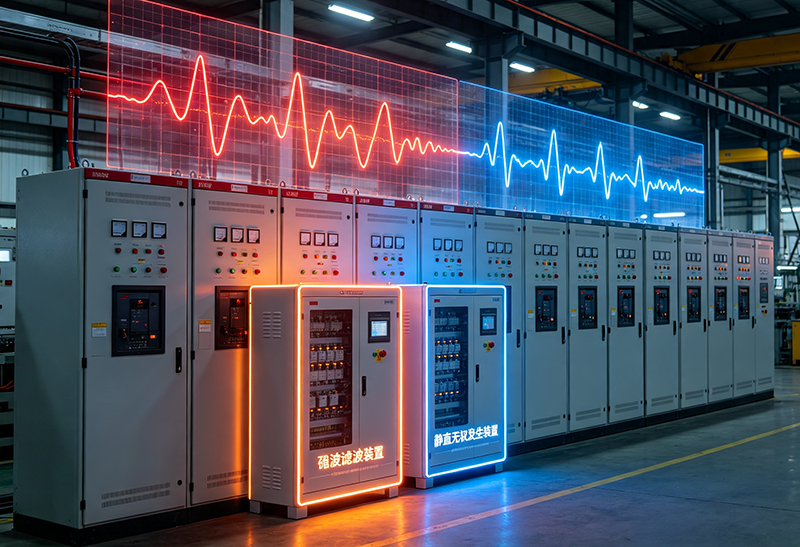
مع ازدياد اعتماد المنشآت الصناعية على المعدات الإلكترونية الخاصة بالطاقة, أصبح التشوه التوافقي أحد أكثر تحديات جودة الطاقة شيوعًا التي تواجه المهندسين اليوم. محركات التردد المتغير (VFDs), المقومات, أنظمة UPS, أفران الحث, شواحن EV, ومحولات الطاقة المتجددة جميعها تقدم التوافقيات في الأنظمة الكهربائية.
التوافقيات المفرطة يمكن أن تؤدي إلى ارتفاع درجة حرارة المحولات, فشل مكثف, تعثر مزعج, انخفاض عمر المعدات, وقضايا الامتثال المرافق. نتيجة ل, يعد اختيار حل التخفيف التوافقي المناسب أمرًا ضروريًا للحفاظ على موثوقية النظام وكفاءة الطاقة.
من بين الحلول الأكثر استخدامًا هي المرشحات التوافقية ثلاثية الطور و المرشحات التوافقية النشطة (APF). بينما تم تصميم كلتا التقنيتين لتقليل التشوه التوافقي, مبادئ عملها, خصائص الأداء, وتختلف سيناريوهات التطبيق بشكل كبير.
كمهندس كهربائي كبير في CoEpower, كثيرا ما يسألني مديرو المنشآت والمهندسون الاستشاريون:
“هل يجب أن أقوم بتثبيت مرشح توافقي تقليدي ثلاثي الطور أو مرشح توافقي نشط?”
في هذه المقالة, سأشرح الاختلافات بين هاتين التقنيتين وأساعدك في تحديد الحل الأنسب لمنشأتك.
فهم التوافقيات في أنظمة الطاقة الصناعية
قبل مقارنة تقنيات التصفية, من المهم أن نفهم ما هي التوافقيات.
في نظام كهربائي مثالي, أشكال موجة الجهد والتيار هي موجات جيبية نقية تعمل عند 50 هرتز أو 60 هرتز.
لكن, تقوم الأحمال غير الخطية بسحب التيار على شكل نبضات بدلاً من الأنماط الجيبية الملساء. يؤدي هذا إلى إنشاء مكونات تردد إضافية تعرف باسم التوافقيات.
تشمل الأوامر التوافقية الشائعة:
- 3التوافقي الثالث (150 هرتز)
- 5التوافقي (250 هرتز)
- 7التوافقي (350 هرتز)
- 11التوافقي (550 هرتز)
- 13التوافقي (650 هرتز)
كلما تم تركيب المزيد من المعدات غير الخطية في المنشأة, كلما زاد التشويه التوافقي.
وتشمل العواقب النموذجية:
- ارتفاع درجة حرارة المحولات
- زيادة خسائر الكابلات
- فشل بنك مكثف
- اهتزاز المحرك
- تدهور معامل القدرة
- توقف الإنتاج
- الفشل في تلبية IEEE 519 متطلبات
هذا هو المكان الذي تصبح فيه المرشحات التوافقية ضرورية.
ما هو المرشح التوافقي ثلاثي الطور؟?
مرشح توافقي ثلاثي الطور, المعروف باسم مرشح التوافقي السلبي, هو جهاز ترشيح يتكون من المحاثات, المكثفات, وأحيانا المقاومات.
إنه مصمم لإنشاء مسار منخفض المقاومة لترددات توافقية محددة, تحويل التيارات التوافقية بعيدا عن نظام الطاقة.
كيف يعمل
يتم ضبط المرشحات السلبية لاستهداف الترددات التوافقية المحددة مسبقًا.
على سبيل المثال:
- 5المرشح التوافقي
- 7المرشح التوافقي
- 11المرشح التوافقي
عند وجود تيارات توافقية عند هذه الترددات, أنها تتدفق إلى المرشح بدلاً من شبكة التوزيع.
والنتيجة هي تقليل التشوه التوافقي في جميع أنحاء النظام.
مزايا المرشحات التوافقية ثلاثية الطور
انخفاض التكلفة الأولية
تكلف المرشحات السلبية بشكل عام أقل من المرشحات التوافقية النشطة لنفس التصنيف الحالي.
وهذا يجعلها جذابة للمشاريع ذات الميزانيات المحدودة.
بناء بسيط
لقد تم استخدام هذه التكنولوجيا لعقود من الزمن وتتكون في المقام الأول من مكونات كهربائية سلبية.
ليست هناك حاجة إلى خوارزميات تحكم معقدة.
تطبيقات ذات سعة عالية
يمكن تصميم المرشحات السلبية للأحمال الصناعية الكبيرة جدًا حيث تظل الترددات التوافقية قابلة للتنبؤ بها.
تعويض الطاقة التفاعلية
توفر العديد من المرشحات السلبية التخفيف التوافقي وتصحيح معامل القدرة في وقت واحد.
حدود المرشحات التوافقية ثلاثية الطور
على الرغم من مزاياها, المرشحات السلبية لها عيوب عديدة.
التعويض الثابت
تستهدف المرشحات السلبية فقط التوافقيات التي تم تصميمها خصيصًا لها.
إذا تغيرت خصائص التحميل, قد تنخفض فعالية الفلتر.
خطر الرنين
أحد أهم الاهتمامات هو الرنين التوافقي.
يمكن أن يكون للمرشحات السلبية المصممة بشكل غير صحيح صدى مع شبكة المرافق, في الواقع تضخيم التوافقيات بدلا من الحد منها.
انخفاض المرونة
غالبًا ما تقوم المنشآت الصناعية بتوسيع الإنتاج أو تركيب معدات جديدة.
إن المرشح السلبي المصمم اليوم قد لا يعالج بشكل مناسب الظروف التوافقية المستقبلية.
تغطية توافقية محدودة
تستهدف معظم المرشحات السلبية أوامر توافقية محددة فقط.
قد تظل التوافقيات ذات الترتيب الأعلى دون علاج.
ما هو مرشح التوافقي النشط (APF)?
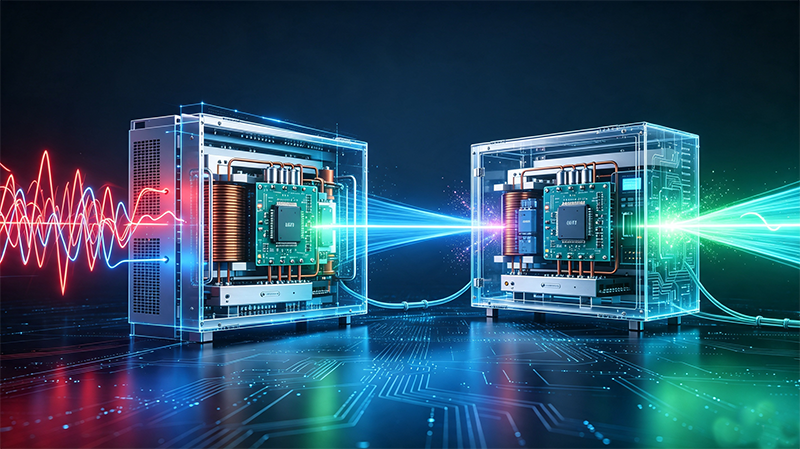
المرشح التوافقي النشط هو جهاز إلكترونيات طاقة متقدم يقيس التيارات التوافقية ديناميكيًا ويحقن تيارات تعويض متساوية ومعاكسة في النظام.
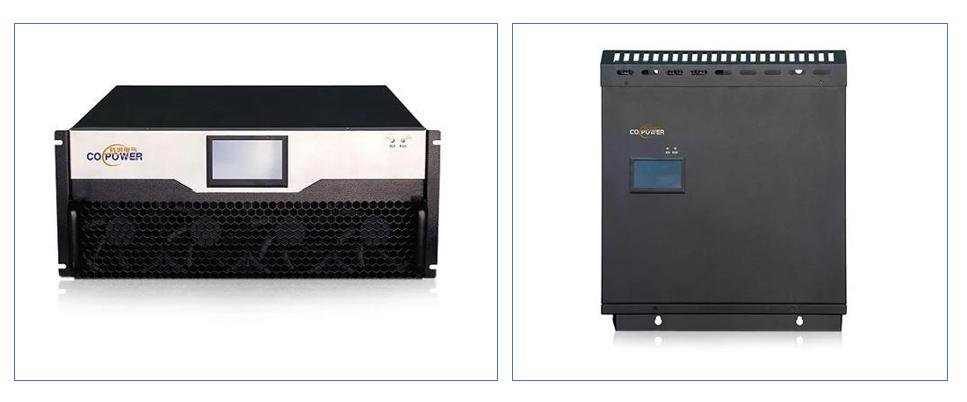
بدلاً من امتصاص التوافقيات مثل المرشحات السلبية, تقوم APFs بإلغائها بشكل نشط.
تعتبر هذه التكنولوجيا على نطاق واسع الحل الأكثر تقدمًا للتخفيف التوافقي في أنظمة الطاقة الصناعية الحديثة.
كيف تعمل المرشحات التوافقية النشطة
يقوم APF بمراقبة الأشكال الموجية الحالية باستمرار باستخدام معالجات الإشارات الرقمية عالية السرعة (مقدمي الخدمات الرقمية).
النظام:
- يكتشف المكونات التوافقية
- يحسب متطلبات التعويض
- يولد تيارات توافقية عكسية
- يضخ تيارات التعويض في الشبكة
يتم إلغاء التوافقيات غير المرغوب فيها بشكل فعال في الوقت الحقيقي.
تحدث العملية خلال ميلي ثانية.
مع تغير ظروف التحميل, يقوم APF تلقائيًا بضبط إستراتيجية التعويض الخاصة به.
مزايا المرشحات التوافقية النشطة
التعويض التوافقي الديناميكي
على عكس المرشحات السلبية, تتكيف APFs على الفور مع ظروف التحميل المتغيرة.
وهذا يجعلها مثالية للمنشآت ذات جداول الإنتاج المتغيرة.
تغطية توافقية واسعة
يمكن لـ APF واحد التعويض في وقت واحد:
- 2التوافقيات من الثاني إلى الخمسين
- التوافقيات الغريبة
- حتى التوافقيات
- التوافقيات
ليس هناك حاجة لضبط.
لا يوجد خطر الرنين
لأن APFs لا تعتمد على دوائر الرنين LC, أنها تقضي على خطر التضخيم التوافقي.
وهذا يحسن بشكل كبير موثوقية النظام.
تعويض الطاقة التفاعلية
يمكن أن توفر APFs الحديثة:
- الترشيح التوافقي
- تعويض الطاقة التفاعلية
- تصحيح عامل الطاقة
- موازنة التحميل
كل ذلك في جهاز واحد.
الامتثال لـ IEEE 519
تستخدم العديد من المرافق APFs لتحقيق التوافق مع IEEE 519 المعايير التوافقية ومتطلبات المنفعة.
حدود المرشحات التوافقية النشطة
ارتفاع الاستثمار الأولي
تتطلب APFs عادةً استثمارًا مقدمًا أكبر من المرشحات السلبية.
لكن, غالبًا ما تكون تكاليف دورة الحياة أقل بسبب تحسين الكفاءة والمرونة.
المكونات الإلكترونية
مثل الأجهزة الإلكترونية السلطة, تحتوي APFs على IGBTs, وحدات تحكم, وأنظمة التبريد التي تتطلب الصيانة المناسبة.
تخطيط القدرات
قد تتطلب الأحمال التوافقية الكبيرة جدًا وحدات APF متعددة تعمل بالتوازي.
مقارنة جنبًا إلى جنب
| ميزة | مرشح توافقي ثلاثي الطور | مرشح التوافقي النشط |
| تكنولوجيا | شبكة LC السلبية | إلكترونيات الطاقة |
| التغطية التوافقية | التوافقيات المختارة | طيف واسع |
| التعويض الديناميكي | لا | نعم |
| القدرة على التكيف مع التحميل | محدود | ممتاز |
| خطر الرنين | نعم | لا |
| تعويض الطاقة التفاعلية | ممكن | نعم |
| توافق التوسع في المستقبل | محدود | عالي |
| صيانة | قليل | معتدل |
| التكلفة الأولية | أدنى | أعلى |
| مرونة طويلة الأمد | قليل | ممتاز |
| IEEE 519 امتثال | معتدل | ممتاز |
ما هي الصناعات التي تفضل المرشحات التوافقية السلبية؟?
تُستخدم المرشحات التوافقية السلبية بشكل شائع في:
- مصانع الاسمنت
- مصانع الصلب
- مرافق التعدين
- محطات معالجة المياه
- تطبيقات المحركات الكبيرة
غالبًا ما تتمتع هذه البيئات بملفات تحميل مستقرة نسبيًا حيث تظل الخصائص التوافقية قابلة للتنبؤ بها.
ما هي الصناعات التي تفضل المرشحات التوافقية النشطة؟?
في CoEpower, كثيرا ما نوصي بـ APFs لـ:
- تصنيع أشباه الموصلات
- مراكز البيانات
- المباني التجارية
- المستشفيات
- محطات شحن EV
- محطات الطاقة الشمسية
- أنظمة تخزين طاقة البطارية (بيس)
- تصنيع الالكترونيات
- إنتاج السيليكون أحادي البلورية
تتضمن هذه التطبيقات عادةً أحمالًا غير خطية سريعة التغير تتطلب تعويضًا ديناميكيًا.
التكلفة مقابل الأداء: القرار الحقيقي
يركز العديد من المشترين فقط على سعر المعدات.
لكن, تقييم المهندسين ذوي الخبرة:
- خسائر الطاقة
- مخاطر توقف الإنتاج
- تكاليف الصيانة
- متطلبات التوسع
- عقوبات المنفعة
- عمر المعدات
في حين أن المرشحات السلبية قد تكون لها تكاليف أولية أقل, غالبًا ما توفر APFs قيمة أكبر على المدى الطويل نظرًا لمرونتها وأدائها المتفوق.
للمنشآت التي تخطط للتوسع المستقبلي أو تشغيل أحمال متغيرة للغاية, عادة ما تكون المرشحات التوافقية النشطة هي الخيار الأكثر اقتصادا على مدى دورة حياة المعدات.
توصية CoEpower
بعد تنفيذ مشاريع التخفيف التوافقي عبر التصنيع, الطاقة المتجددة, والقطاعات التجارية, لقد لاحظ فريقنا الهندسي اتجاهًا واضحًا.
للمنشآت الصناعية الحديثة ذات الأحمال غير الخطية المتغيرة, توفر المرشحات التوافقية النشطة أعلى مستوى من تحسين جودة الطاقة, المرونة التشغيلية, والتدقيق في المستقبل.
تظل المرشحات التوافقية السلبية حلاً قابلاً للتطبيق لبيئات التحميل المستقرة والمشاريع الحساسة للميزانية. لكن, للمنشآت التي تهدف إلى تحقيق معايير توافقية صارمة, تعظيم موثوقية المعدات, ودعم النمو المستقبلي, غالبًا ما تكون APFs هي التقنية المفضلة.
خاتمة
تلعب كل من المرشحات التوافقية ثلاثية الطور والمرشحات التوافقية النشطة أدوارًا مهمة في التخفيف التوافقي. يعتمد الحل الأفضل على ملف تعريف التحميل الخاص بمنشأتك, المستويات التوافقية, خطط التوسع, وأهداف جودة الطاقة.
اختر أ مرشح توافقي ثلاثي الطور لو:
- المصادر التوافقية يمكن التنبؤ بها
- ظروف التحميل مستقرة
- الميزانية هي الشغل الشاغل
اختر مرشح التوافقي النشط (APF) لو:
- تتغير الظروف التوافقية بشكل متكرر
- مطلوب أداء تصفية عالية
- IEEE 519 الامتثال مهم
- ومن المتوقع توسيع النظام في المستقبل
في CoEpower, نحن نساعد العملاء على تحليل بيانات جودة الطاقة واختيار حل التخفيف التوافقي الأكثر فعالية من حيث التكلفة استنادًا إلى ظروف التشغيل الحقيقية.
إذا كانت منشأتك تعاني من فرط THD, فشل مكثف, ارتفاع درجة حرارة المحولات, أو ضعف معامل القدرة, يمكن لفريقنا الهندسي توفير تحليل توافقي مخصص وحل تصفية مصمم خصيصًا لتلبية احتياجاتك.
العلامات:
مرشح توافقي ثلاثي الطور, مرشح التوافقي النشط, APF, التخفيف التوافقي, المرشح التوافقي مقابل APF, التوافقيات الصناعية, حلول جودة الطاقة, مرشح التوافقي السلبي, فلتر الطاقة النشط, تصحيح عامل الطاقة, الحد من التشوه التوافقي, الترشيح التوافقي الكهربائي, جودة الطاقة الصناعية, CoEpower APF, IEEE 519 امتثال, الموردين, الشركات المصنعة, مصنع, شركة, الصين, بالجملة, يشتري, سعر, اقتباس, حجم كبير, للبيع, شركات, مخزون, يكلف.