مقدمه
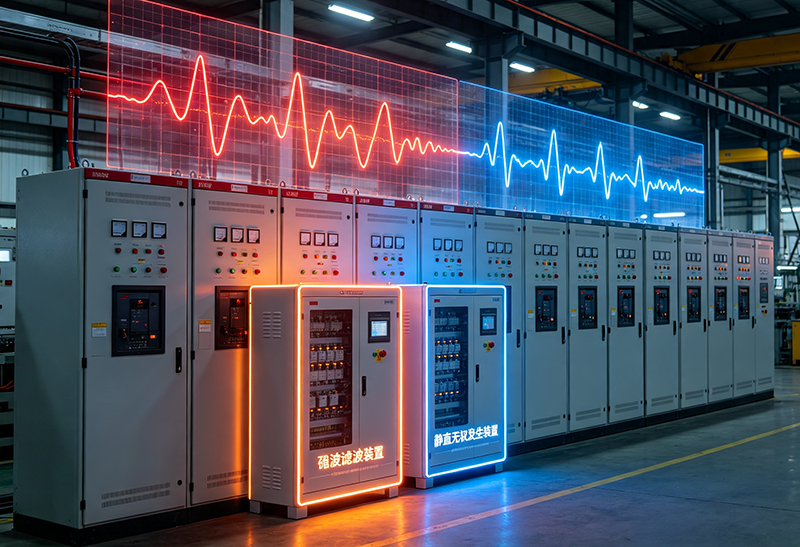
در تاسیسات صنعتی مدرن, بهره وری انرژی الکتریکی به طور فزاینده ای مهم می شود. به عنوان مهندس برق ارشد در CoEpower, من اغلب با کارخانه هایی روبرو می شوم که با ضریب توان پایین دست و پنجه نرم می کنند, مصرف بیش از حد توان راکتیو, جریمه های مفید, نوسانات ولتاژ, و کارایی سیستم را کاهش داد. این مسائل نه تنها هزینه های برق را افزایش می دهد، بلکه بر قابلیت اطمینان و طول عمر تجهیزات حیاتی نیز تأثیر می گذارد.
یک سیستم جبران توان راکتیو به خوبی طراحی شده می تواند کیفیت توان را به میزان قابل توجهی بهبود بخشد, کاهش تلفات انرژی, افزایش ظرفیت سیستم, و هزینه های آب و برق کمتر. این که آیا شما یک کارخانه تولیدی راه اندازی می کنید, تاسیسات معدنی, کارخانه فولاد, ایستگاه تصفیه آب, یا مرکز داده, درک چگونگی طراحی یک سیستم جبران توان راکتیو موثر ضروری است.
این مقاله یک راهنمای جامع برای طراحی سیستم جبران توان راکتیو ارائه می دهد, از جمله تحلیل بار, انتخاب تجهیزات جبرانی, کاهش هارمونیک, و راه حل های مدرن مانند ژنراتورهای استاتیک وار (SVG ها).
آشنایی با توان راکتیو در تاسیسات صنعتی
قبل از طراحی سیستم جبران خسارت, مهم است که بدانیم توان راکتیو چیست.
بارهای صنعتی مانند:
- موتورهای القایی
- ترانسفورماتورها
- دستگاه های جوش
- کمپرسورها
- درایوهای فرکانس متغیر (VFDS)
- تجهیزات HVAC
به هر دو توان فعال نیاز دارند (کیلووات) و توان راکتیو (چپ).
توان فعال کار مفیدی را انجام می دهد, در حالی که توان راکتیو از میدان های مغناطیسی مورد نیاز برای عملکرد تجهیزات پشتیبانی می کند. تقاضای بیش از حد توان راکتیو منجر به:
- ضریب توان پایین
- جریان جریان بالاتر
- افزایش بارگذاری ترانسفورماتور
- تلفات کابل بیشتر
- افت ولتاژ
- جریمه های ضریب توان شهری
هدف جبران توان راکتیو تامین توان راکتیو مورد نیاز به صورت محلی به جای کشیدن آن از شبکه برق است..
مرحله 1: تجزیه و تحلیل ویژگی های بار کارخانه
اولین قدم در طراحی یک سیستم جبران، انجام یک بررسی دقیق کیفیت توان است.
پارامترهای کلیدی برای اندازه گیری شامل:
توان فعال کل (کیلووات)
میانگین و حداکثر تقاضای توان فعال کارخانه را تعیین کنید.
ضریب قدرت موجود
اندازه گیری کنید:
- ضریب توان متوسط
- ضریب توان پیک بار
- حداقل ضریب توان
اکثر ابزارهای برقی به ضریب توان بالا نیاز دارند 0.90 یا 0.95.
تقاضای توان راکتیو (چپ)
مصرف توان راکتیو را در شرایط عملیاتی مختلف ثبت کنید.
اعوجاج هارمونیک
اندازه گیری کنید:
- تدی (هارمونیک های فعلی)
- THDv (هارمونیک ولتاژ)
این مرحله بسیار مهم است زیرا هارمونیک ها بر انتخاب تجهیزات جبران تاثیر زیادی دارند.
تغییر بار
ارزیابی کنید که آیا بارها هستند یا خیر:
- ثابت
- متناوب
- به سرعت در حال تغییر
بارهای دینامیکی اغلب به فناوری های جبران پیشرفته نیاز دارند.
مرحله 2: اهداف جبران خسارت را تعریف کنید
کارخانه های مختلف اهداف متفاوتی دارند.
اهداف معمولی شامل:
بهبود ضریب قدرت
به عنوان مثال:
PF فعلی = 0.75
هدف PF = 0.98
جریمه های خدمات شهری را کاهش دهید
هنگامی که ضریب توان کمتر از حد قرارداد باشد، بسیاری از شرکتها جریمه میگیرند.
ظرفیت ترانسفورماتور آزاد کنید
بهبود ضریب توان تقاضای فعلی را کاهش می دهد و ظرفیت ترانسفورماتور موجود را به طور موثر افزایش می دهد.
ولتاژ تثبیت
جبران توان راکتیو به حفظ سطح ولتاژ در سراسر نیروگاه کمک می کند.
بهبود عملکرد تجهیزات
تنظیم بهتر ولتاژ باعث افزایش راندمان موتور و قابلیت اطمینان تولید می شود.
مرحله 3: جبران توان راکتیو مورد نیاز را محاسبه کنید
ظرفیت جبران مورد نیاز را می توان با استفاده از:
Qc = P × (tanφ1 - tanφ2)
کجا:
- Qc = غرامت مورد نیاز (چپ)
- P = توان فعال (کیلووات)
- φ1 = زاویه ضریب توان موجود
- φ2 = زاویه ضریب توان هدف
مثال
بار کارخانه:
- توان فعال = 1000 کیلووات
- PF موجود = 0.75
- هدف PF = 0.98
tanφ1 = 0.882
tanφ2 = 0.203
Qc = 1000 × (0.882 - 0.203)
Qc = 679 چپ
یک سیستم جبرانی تقریباً 680 kVAR مورد نیاز است.
در عمل, مهندسان معمولاً حاشیه طراحی 10٪ تا 20٪ را اضافه می کنند..
مرحله 4: فناوری جبران مناسب را انتخاب کنید
چندین فناوری برای جبران توان راکتیو موجود است.
بانک های خازن ثابت
مناسب برای:
- بارهای ثابت
- شرایط عملیاتی پایدار
مزایا:
- هزینه کم
- نصب ساده
محدودیت ها:
- بدون تنظیم خودکار
- خطر جبران بیش از حد
تصحیح ضریب توان خودکار (APFC) بانک های خازنی
مناسب برای:
- بارهای صنعتی متغیر
مزایا:
- سوئیچینگ خودکار
- کنترل ضریب توان بهتر
- مقرون به صرفه
برنامه:
- کارخانه های تولیدی
- تاسیسات تصفیه آب
- ساختمانهای تجاری
خازن سوئیچ تریستور (TSC)
مناسب برای:
- بارهای با تغییر سریع
مزایا:
- پاسخ سریع
- بدون سوئیچینگ گذرا
برنامه:
- کارخانه های جوشکاری
- کارخانه های فولاد
- کارخانه های نورد
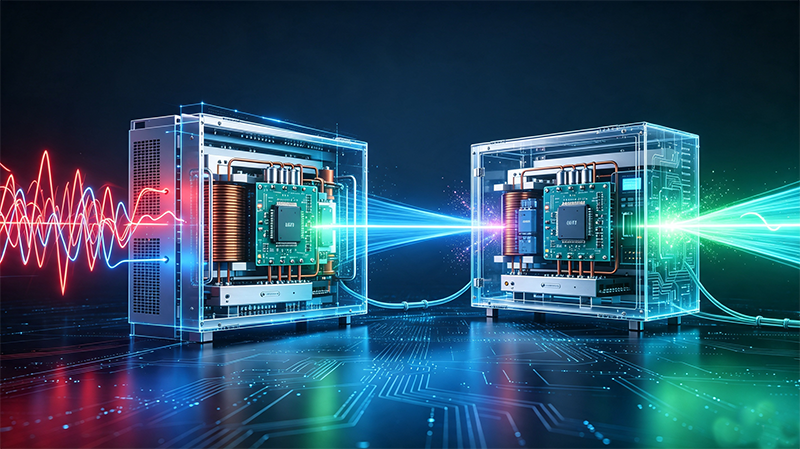
ژنراتور استاتیک وار (SVG)
فناوری SVG پیشرفته ترین راه حل جبران توان راکتیو موجود امروزی را نشان می دهد.
مزایا:
پاسخ سریع
زمان پاسخ معمولا کمتر از 10 میلی ثانیه.
جبران دقیق
به طور مداوم خروجی را بر اساس نیازهای سیستم تنظیم می کند.
جبران خازنی و القایی
بر خلاف خازن های سنتی, SVG می تواند هم توان راکتیو تولید و هم جذب کند.
عملکرد عالی تحت بارهای کم
دقت جبران بالا را در تمام شرایط عملیاتی حفظ می کند.
قابلیت سرکوب هارمونیک
بسیاری از سیستم های SVG عملکردهای فیلترینگ هارمونیک محدودی را ارائه می دهند.
برنامه:
- صنعت معدن
- مراکز داده
- گیاهان نیمه هادی
- سیستم های انرژی تجدید پذیر
- تاسیسات تولید صنعتی
در CoEpower, راه حل های SVG به طور فزاینده ای به انتخاب ترجیحی برای پروژه های اصلاح ضریب توان صنعتی مدرن تبدیل می شوند.
مرحله 5: شرایط هارمونیک را در نظر بگیرید
امروزه بسیاری از کارخانه ها استفاده می کنند:
- درایوهای فرکانس متغیر
- سیستم های UPS
- یکسو کننده ها
- درایوهای سروو
این دستگاه ها هارمونیک هایی تولید می کنند که می تواند به بانک های خازن آسیب برساند.
مشکلات بالقوه شامل:
- داغ شدن بیش از حد خازن
- رزونانس
- خرابی تجهیزات
- گرمای بیش از حد ترانسفورماتور
از این رو, تجزیه و تحلیل هارمونیک ضروری است.
وقتی هارمونیک ها وجود دارند
بانک های خازنی تنظیم شده
راکتورها به بانک های خازن اضافه می شوند تا از تشدید جلوگیری شود.
فرکانس های تنظیم معمولی:
- 189 هرتز
- 210 هرتز
به طور گسترده در کاربردهای صنعتی استفاده می شود.
فیلترهای هارمونیک فعال (قوای)
برای تاسیساتی با اعوجاج هارمونیک قابل توجه, فیلترهای هارمونیک فعال اغلب توصیه می شود.
فواید:
- حذف هارمونیک دینامیک
- جبران قدرت واکنشی
- بهبود کیفیت برق
SVG + راه حل های هیبریدی AHF
کارخانه های مدرن اغلب مستقر می شوند:
- SVG برای جبران توان راکتیو
- AHF برای فیلتر هارمونیک
این ترکیب بهبود جامع کیفیت توان را فراهم می کند.
مرحله 6: محل نصب جبران خسارت را تعیین کنید
جبران در سطوح مختلف قابل نصب است.
غرامت متمرکز
در تابلوی توزیع اصلی نصب شده است.
مزایا:
- هزینه سرمایه گذاری کمتر
- تعمیر و نگهداری آسان تر
بهترین برای:
- کارخانه های کوچک تا متوسط
غرامت گروهی
در پانل های توزیع فرعی نصب می شود.
مزایا:
- پشتیبانی از ولتاژ بهتر
- کاهش تلفات فیدر
بهترین برای:
- امکانات تولیدی بزرگ
غرامت انفرادی
مستقیماً روی موتورها یا تجهیزات نصب می شود.
مزایا:
- حداکثر بهره وری
بهترین برای:
- موتورهای بزرگ با کار مداوم
مرحله 7: طراحی سیستم های نظارت و کنترل
یک سیستم غرامت مدرن باید شامل باشد:
نظارت بر کیفیت برق
نظارت کنید:
- ضریب قدرت
- ولتاژ
- فعلی
- هارمونیک
- توان راکتیو
رابط های ارتباطی
پروتکل های رایج عبارتند از:
- Modbus RTU
- Modbus TCP
- اترنت
نظارت از دور
اپراتورهای کارخانه می توانند عملکرد سیستم را در زمان واقعی از طریق SCADA یا سیستم های مدیریت انرژی نظارت کنند (EMS).
مرحله 8: نیازهای توسعه آینده را ارزیابی کنید
یکی از اشتباهات رایج طراحی، اندازهگیری سیستمهای جبرانی فقط برای بارهای جاری است.
کارخانه ها اغلب ظرفیت تولید را افزایش می دهند.
مهندسان باید:
- فضای پنل رزرو کنید
- ظرفیت ارتباطی را رزرو کنید
- طراحی برای رشد 20 تا 30 درصدی بار در آینده
این از ارتقاءهای پرهزینه آینده جلوگیری می کند.
اشتباهات رایج طراحی که باید از آنها اجتناب کرد
جبران بیش از حد
جبران بیش از حد می تواند مسائل مهم ضریب قدرت را ایجاد کند.
نادیده گرفتن هارمونیک ها
خازن هایی که بدون مطالعات هارمونیک نصب می شوند، اغلب پیش از موعد از کار می افتند.
غرامت کم حجم
جبران ناکافی برای دستیابی به ضریب توان هدف شکست خورده است.
انتخاب خازن های سنتی برای بارهای دینامیکی
نوسانات سریع بار نیاز به فناوری SVG یا TSC دارد.
عدم نظارت
بدون نظارت, کاهش عملکرد ممکن است مورد توجه قرار نگیرد.
چرا فناوری SVG به راه حل ترجیحی تبدیل می شود؟
محیط قدرت صنعتی به سرعت در حال تغییر است.
کارخانه ها به طور فزاینده ای استفاده می کنند:
- سیستم های اتوماسیون
- موتورهای مبتنی بر VFD
- رباتیک
- یکپارچه سازی انرژی های تجدیدپذیر
بانک های خازن سنتی اغلب برای برآوردن الزامات جبرانی مدرن با مشکل مواجه هستند.
ارائه ژنراتورهای وار استاتیک:
- پاسخ آنی
- دقت جبران بالا
- بدون جبران بیش از حد
- کنترل توان راکتیو دو طرفه
- سازگاری با محیط های غنی از هارمونیک
در نتیجه, فناوری SVG به راه حل ترجیحی برای بسیاری از پروژه های کیفیت برق صنعتی در سراسر جهان تبدیل شده است.
پایان
طراحی یک سیستم جبران توان راکتیو موثر مستلزم درک کامل مشخصات بار کارخانه است, الزامات ضریب توان, شرایط هارمونیک, و برنامه های توسعه آینده.
یک سیستم به درستی طراحی شده می تواند:
- کاهش هزینه های برق
- جریمه های ضریب توان را حذف کنید
- بهبود پایداری ولتاژ
- افزایش ظرفیت ترانسفورماتور
- افزایش طول عمر تجهیزات
- کیفیت کلی برق را افزایش دهید
در حالی که بانک های خازنی سنتی برای کاربردهای خاص مناسب هستند, امکانات صنعتی مدرن به طور فزاینده ای از راه حل های پیشرفته ای مانند ژنراتورهای استاتیک وار بهره می برند (SVG ها) و فیلترهای هارمونیک فعال (AHFS).
در CoEpower, ما در ارائه راه حل های سفارشی جبران توان راکتیو متناسب با نیازهای منحصر به فرد صنعتی تخصص داریم, معدن, تجاری, و برنامه های کاربردی. از طریق تجزیه و تحلیل کیفیت توان حرفه ای و فن آوری های جبران پیشرفته, ما به مشتریان کمک می کنیم تا به بهره وری بالاتر برسند, هزینه های عملیاتی کمتر, و سیستم های الکتریکی قابل اطمینان تر.
برچسب های کلمه کلیدی
سیستم جبران توان راکتیو, تصحیح عامل قدرت, جبران توان راکتیو کارخانه, ژنراتور استاتیک وار, تصحیح ضریب توان SVG, کیفیت برق صنعتی, بانک خازن اتوماتیک, فیلتر هارمونیک فعال, طراحی جبران توان راکتیو, بهبود ضریب قدرت, کاهش هارمونیک, صرفه جویی در انرژی صنعتی, سیستم توزیع برق, راه حل CoEpower SVG, بهره وری انرژی کارخانه, تهیه کننده, تولید کنندگان, کارخانه, شرکت, چین, عمده, خرید کردن, قیمت, نقل قول, انبوه, برای فروش, شرکت, انبار, هزینه.