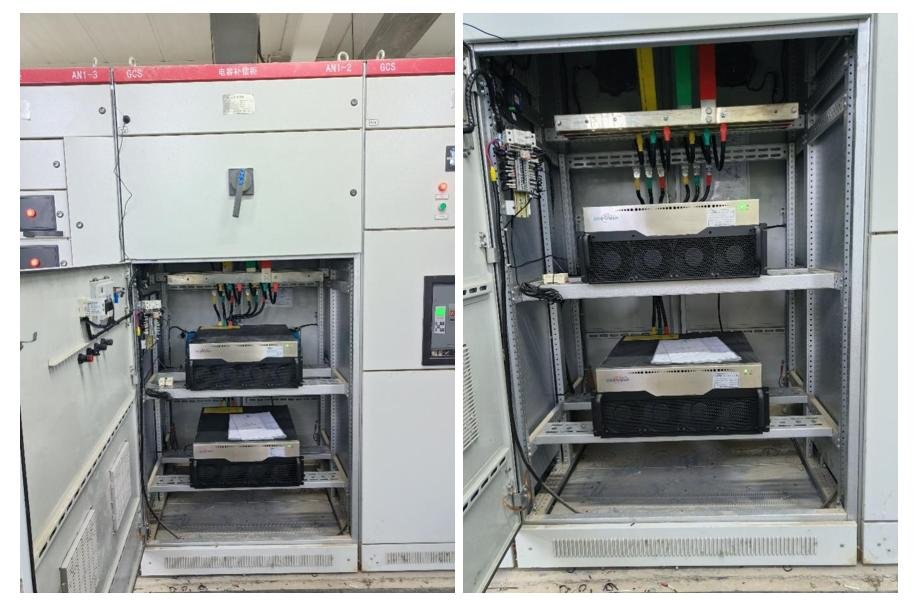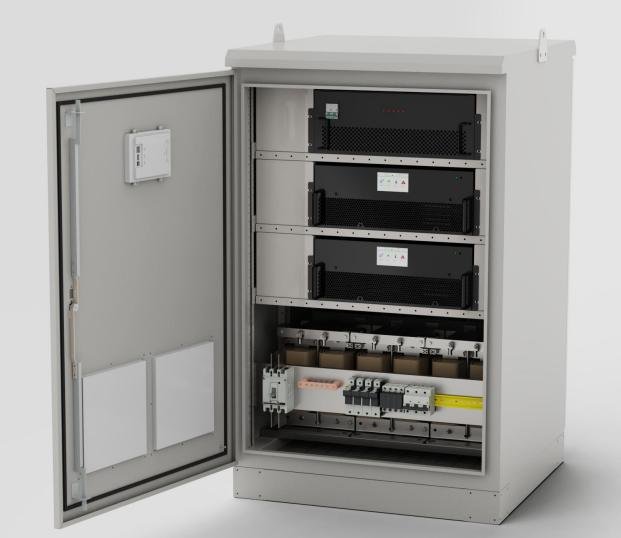
پس از بیش از یک دهه کار بر روی پروژه های کیفیت برق صنعتی در CoEpower, I’ve seen a recurring question from clients across industries—from manufacturing plants to renewable energy sites:
“Do we need an Active Harmonic Filter (قوای), a Static Var Generator (SVG), or both?”
The confusion is understandable. Both devices are based on advanced power electronics, both connect in parallel to the grid, and both aim to improve power quality. هر چند, their core functions, design priorities, and project roles are fundamentally different—yet deeply interconnected.
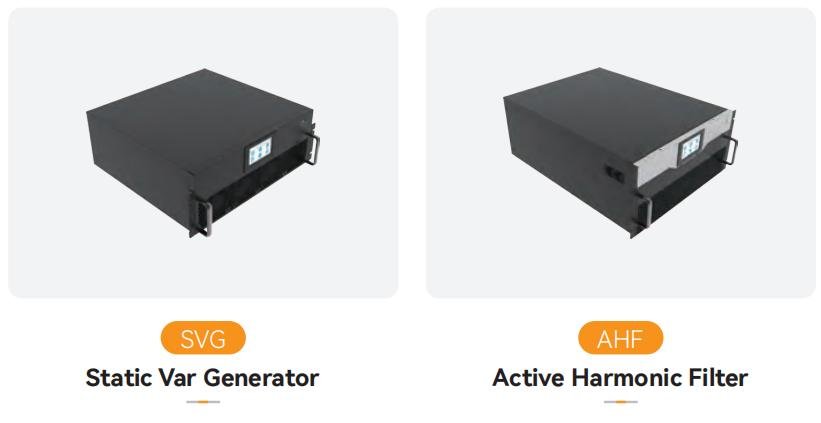
در این مقاله, I’ll walk you through their relationship from a practical engineering perspective, not just theory.
1. Core Definitions (From an Engineer’s Perspective)
1.1 فیلتر هارمونیک فعال (قوای)
در CoEpower, when we specify an Active Harmonic Filter (قوای), we are solving one primary problem:
Harmonic distortion caused by nonlinear loads
What does that mean in real projects?
In factories, you’ll find:
- درایوهای فرکانس متغیر (VFDS)
- یکسو کننده ها
- سیستم های UPS
These devices draw non-sinusoidal current, which introduces harmonics back into the grid.
What AHF actually does (in the field):
- Continuously samples load current
- Identifies harmonic components (typically 2nd–50th order)
- Injects equal and opposite compensation current
From my commissioning experience, when an AHF is properly sized and tuned:
- THD can drop from 25% → below 5%
- Transformer overheating is significantly reduced
- Nuisance tripping disappears
1.2 ژنراتور استاتیک وار (SVG)
یک ژنراتور استاتیک VA (SVG), on the other hand, is what we deploy when the issue is:
Reactive power imbalance and poor power factor
Typical site symptoms:
- Power factor below 0.9
- جریمه های سودمند
- Voltage fluctuations under dynamic loads
What SVG does in practice:
- Generates or absorbs reactive current in real time
- Maintains target power factor (به عنوان مثال, 0.99)
- Stabilizes system voltage
Compared to traditional capacitor banks, SVG is:
- Faster (response < 10 اماس)
- More precise
- Not affected by harmonics
2. Core Differences (Based on Real Project Decisions)
From an engineering selection standpoint, the difference is not theoretical—it directly affects equipment choice and project success.
2.1 Problem-Oriented Thinking
در CoEpower, we always start with power quality analysis:
| Problem Identified | Recommended Solution |
|---|---|
| High THD (>10%) | قوای |
| Low Power Factor (<0.9) | SVG |
| Both issues present | قوای + SVG |
2.2 Functional Priorities
- AHF = “Current Cleaner”
- SVG = “Power Factor Stabilizer”
One cleans the waveform.
The other balances the system.
2.3 Engineering Misconception
A common mistake I’ve seen:
“SVG can solve harmonics, so we don’t need AHF.”
This is incorrect in most industrial environments.
While SVG can slightly improve waveform quality, it cannot eliminate higher-order harmonics generated by VFDs or rectifiers.
3. The Relationship Between AHF and SVG
Now let’s get to the core question.
3.1 Same Platform, Different Missions
Technically, both AHF and SVG are built on:
- IGBT-based converters
- DSP/FPGA control systems
- Real-time current injection
From a hardware perspective, they are “cousins.”
From a functional perspective, they are specialists.
3.2 Complementary, Not Competitive
In real projects, AHF and SVG are not alternatives—they are partners.
Think of it this way:
- AHF removes “pollution” (هارمونیک)
- SVG optimizes “efficiency” (قدرت واکنشی)
Without AHF:
- Harmonics remain → equipment stress
Without SVG:
- Poor power factor → energy waste + penalties
3.3 Why One Device Is Often Not Enough
In 80% of industrial projects I’ve handled, both issues exist simultaneously:
- Harmonics from nonlinear loads
- Reactive power from motors and transformers
If you only install:
- AHF → power factor may still be poor
- SVG → harmonics may still damage equipment
3.4 Integrated AHF + SVG Systems
در CoEpower, we increasingly deploy hybrid solutions.
Why clients prefer integrated systems:
- Shared DC bus → higher efficiency
- Smaller footprint
- Lower installation cost
- Unified control interface
In one recent project:
- Steel plant in Southeast Asia
- THD reduced from 18% → 4%
- Power factor improved from 0.82 → 0.99
This was achieved with a combined AHF + SVG solution rather than separate systems.
4. Application Relationships in Real-World Projects
Let me walk you through how we actually apply these technologies.
4.1 گیاهان تولیدی
Reality on site:
- Heavy VFD usage
- Continuous production cycles
Our approach:
- AHF for harmonic suppression
- SVG for reactive compensation
Result:
- Stable production
- کاهش زمان توقف
- Lower maintenance cost
4.2 مراکز داده
Key concern:
- Reliability, not just efficiency
راه حل:
- AHF ensures clean waveform for sensitive IT loads
- SVG stabilizes voltage under dynamic demand
Engineering insight:
Even small harmonic distortion can cause server malfunction or UPS stress.
4.3 خورشیدی & Wind Power Plants
Challenges:
- Inverter-generated harmonics
- Grid compliance requirements
راه حل:
- SVG for grid support (قدرت واکنشی)
- AHF for harmonic filtering
Result:
- Meets utility standards
- Avoids grid rejection
4.4 Wastewater Treatment Facilities
Typical loads:
- Pumps
- Blowers
- Long cable systems
مسائل:
- هارمونیک + voltage drop
راه حل:
- Combined AHF + SVG
4.5 ساختمانهای تجاری
Mixed load profile:
- آسانسور
- HVAC
- Lighting
بهترین تمرین:
- Integrated power quality solution
5. Practical Selection Advice
If you’re planning a project, here’s how we approach it:
مرحله 1: Power Quality Measurement
Always start with:
- THD analysis
- Power factor measurement
- Load profile study
مرحله 2: Define the Problem
- هارمونیک? → AHF
- توان راکتیو? → SVG
- هر دو? → Combined system
مرحله 3: Future-Proof the Design
We often recommend combined solutions, even if current issues are moderate, because:
- Loads will increase
- Nonlinear equipment will grow
6. روند آینده: Functional Convergence
From what I see in ongoing R&D at CoEpower:
The industry is moving toward multi-functional power quality devices
Future systems will:
- Filter harmonics
- توان راکتیو را جبران کنید
- Balance loads
- Stabilize voltage
All in one intelligent platform.
From an engineering standpoint, the relationship between Active Harmonic Filters (قوای) و ژنراتورهای وار استاتیک (SVG) can be summarized clearly:
- They are built on the same technology platform
- They solve different power quality problems
- They are most effective when used together
If you remember one thing from this article, let it be this:
AHF and SVG are not competitors—they are complementary solutions for complete power quality management.
در CoEpower, we don’t just sell equipment—we design system-level solutions tailored to real operating conditions.
If you’re unsure which solution fits your project, the best step is always a power quality assessment—because the right design starts with the right data.
برچسب ها: قوای, SVG, فیلتر هارمونیک فعال, ژنراتور استاتیک وار, استحکامات, power quality, کاهش هارمونیک, جبران توان راکتیو, نیرومند, تهیه کننده, تولید کنندگان, کارخانه, شرکت, چین, عمده, خرید کردن, قیمت, نقل قول, انبوه, برای فروش, شرکت, انبار, هزینه.