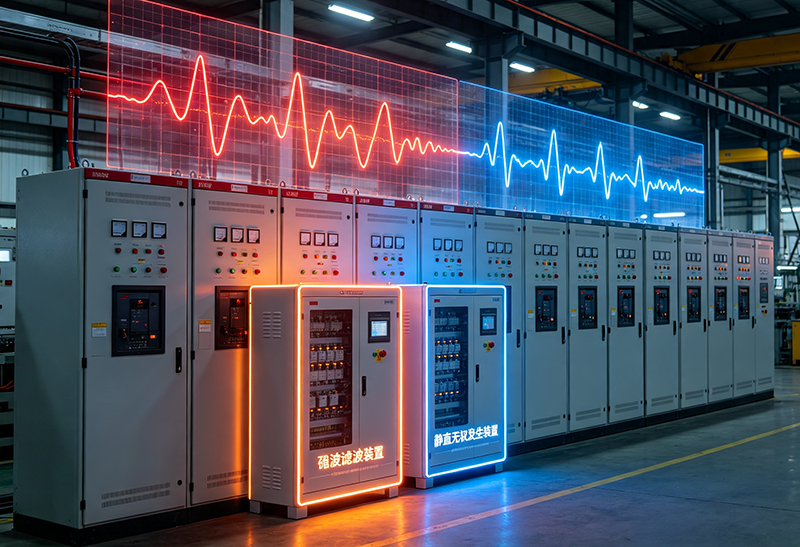
در محیط های صنعتی مدرن, حفظ کیفیت توان بالا دیگر اختیاری نیست - بسیار مهم است. به عنوان مهندس برق ارشد در CoEpower, من از نزدیک دیدم که چگونه اعوجاج هارمونیک می تواند عملکرد را مختل کند, آسیب دیدن تجهیزات حساس, و افزایش هزینه های عملیاتی.
دو مورد از پرکاربردترین راه حل ها برای کاهش هارمونیک عبارتند از فیلتر هارمونیک فعال (قوای) و فیلتر سرکوب هارمونیک (HSF) (معمولا به عنوان فیلتر هارمونیک غیرفعال شناخته می شود). در حالی که هدف هر دو کاهش اعوجاج هارمونیک است, آنها متفاوت عمل می کنند و برای برنامه های مختلف مناسب هستند.
این مقاله یک مطلب جامع ارائه می دهد, راهنمای عملی برای کمک به شما در انتخاب راه حل مناسب برای سیستم صنعتی خود.
هارمونیک ها چیست و چرا اهمیت دارند؟?
هارمونیک ها اعوجاج ولتاژ یا جریان در سیستم های الکتریکی هستند که عمدتاً توسط بارهای غیر خطی مانند:
- درایوهای فرکانس متغیر (VFDS)
- یکسو کننده ها و اینورترها
- سیستم های UPS
- تجهیزات اتوماسیون صنعتی
این انحرافات می تواند منجر شود:
- گرم شدن بیش از حد ترانسفورماتورها و کابل ها
- افزایش تلفات انرژی
- نقص یا خرابی تجهیزات
- جریمه برای عدم انطباق با استانداردهایی مانند IEEE 519
مدیریت موثر هارمونیک ها برای اطمینان از قابلیت اطمینان و کارایی سیستم ضروری است.
فیلتر هارمونیک فعال چیست?
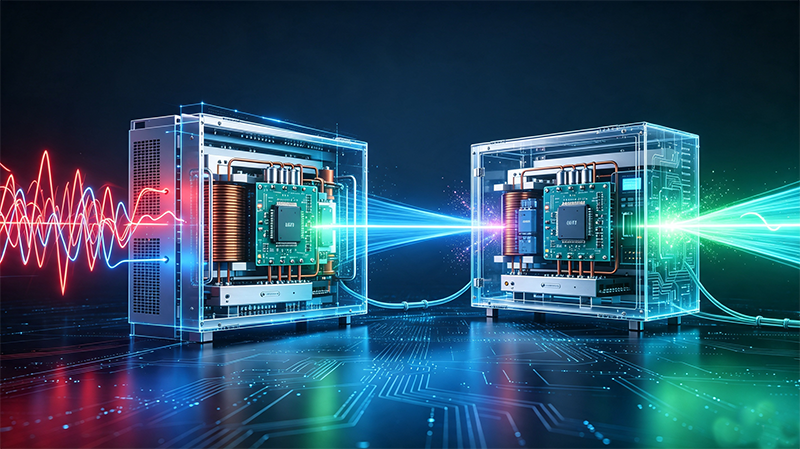
یک فیلتر هارمونیک فعال (قوای) یک دستگاه الکترونیکی پیشرفته است که به صورت پویا جریان های هارمونیک را در زمان واقعی شناسایی و جبران می کند.
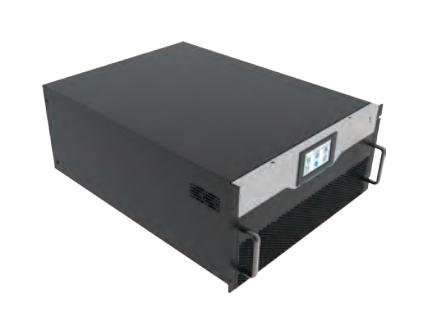
ویژگی های کلیدی AHF:
- جبران هارمونیک بلادرنگ
- سازگار با تغییرات بار
- قادر به فیلتر چندین نظم هارمونیک به طور همزمان
- همچنین ضریب توان را بهبود می بخشد و بارها را متعادل می کند
چگونه کار می کند:
AHF ها از الکترونیک قدرت استفاده می کنند (مبدل های مبتنی بر IGBT) برای تزریق جریان متقابل به سیستم, به طور موثر هارمونیک ها را خنثی می کند.
فیلتر سرکوب هارمونیک چیست؟?
فیلتر سرکوب هارمونیک (HSF), معمولا فیلتر غیرفعال است, با استفاده از ترکیبی از خازن ها طراحی شده است, القاء, و مقاومت هایی که روی فرکانس های هارمونیک خاص تنظیم شده اند.
ویژگی های کلیدی HSF:
- جبران ثابت برای سفارشات هارمونیک خاص
- هزینه اولیه کمتر در مقایسه با AHFs
- ساختار و عملکرد ساده
چگونه کار می کند:
HSF ها مسیرهای امپدانس کم را برای فرکانس های هارمونیک هدفمند فراهم می کنند, منحرف کردن آنها از سیستم قدرت.
فیلتر هارمونیک فعال در مقابل فیلتر سرکوب هارمونیک: تفاوت های کلیدی
| نشان | فیلتر هارمونیک فعال | فیلتر سرکوب هارمونیک |
|---|---|---|
| اصل کار | جبران پویا بلادرنگ | تنظیم فرکانس ثابت |
| انعطاف پذیری | عالی (با تغییرات بار سازگار می شود) | کم (برای هارمونیک های خاص طراحی شده است) |
| پوشش هارمونیک | محدوده وسیع (سفارشات متعدد) | محدود به فرکانس های تنظیم شده |
| نصب | پیچیده تر | ساده تر |
| هزینه | سرمایه گذاری اولیه بالاتر | هزینه اولیه کمتر |
| خطر رزونانس | هیچ کدام | مشکلات رزونانس احتمالی |
| تصحیح عامل قدرت | بله (چند کاره) | محدود |
چه زمانی باید فیلتر هارمونیک فعال را انتخاب کنید؟?
از تجربه مهندسی من, AHF ها بهترین انتخاب در سناریوهای زیر هستند:
1. بارهای بسیار متغیر
صنایعی مانند تولید, معدن, و مراکز داده اغلب بارهای نوسانی را تجربه می کنند. AHF ها در زمان واقعی سازگار می شوند, آنها را ایده آل می کند.
2. الزامات دقیق کیفیت برق
اگر امکانات شما باید با IEEE مطابقت داشته باشد 519 یا استانداردهای مشابه, AHF ها کنترل هارمونیک دقیقی را ارائه می دهند.
3. پروفایل های هارمونیک پیچیده
هنگامی که چندین فرکانس هارمونیک وجود دارد, AHF ها عملکرد قابل توجهی از فیلترهای غیرفعال دارند.
4. نیاز به چند کارکردی
AHF ها می توانند:
- هارمونیک ها را جبران کنید
- ضریب توان صحیح
- بارهای سه فاز را متعادل کنید
این آنها را به یک راه حل جامع تبدیل می کند.
چه زمانی باید فیلتر سرکوب هارمونیک را انتخاب کنید؟?
HSF ها (فیلترهای غیرفعال) هنوز جایگاه خود را در سیستم های صنعتی دارند, به خصوص در این موارد:
1. بارهای پایدار و قابل پیش بینی
اگر سیستم شما تحت شرایط ثابت با فرکانس های هارمونیک شناخته شده کار می کند, فیلترهای غیرفعال می توانند موثر باشند.
2. محدودیت های بودجه
HSF ها از قبل مقرون به صرفه تر هستند, آنها را برای پروژه هایی با بودجه محدود مناسب می کند.
3. برنامه های کاربردی ساده
برای سیستم هایی با هارمونیک غالب (به عنوان مثال, 5هفتم یا هفتم), یک فیلتر غیرفعال تنظیم شده می تواند به خوبی کار کند.
ملاحظات هزینه: سرمایه گذاری اولیه در مقابل سرمایه گذاری بلند مدت
یکی از رایج ترین سوالاتی که از مشتریان می پرسم این است:
«کدام راه حل مقرون به صرفه تر است?”
فیلتر هارمونیک فعال:
- هزینه اولیه بالاتر
- نگهداری کمتر
- صرفه جویی در انرژی در طول زمان
- کاهش خطر خرابی تجهیزات
فیلتر سرکوب هارمونیک:
- هزینه اولیه کمتر
- هزینه های پنهان بالقوه (رزونانس, تنظیم کردن, ناکارآمدی)
- در صورت تغییر شرایط سیستم ممکن است نیاز به طراحی مجدد داشته باشد
بینش مهندسی:
در حالی که AHF ها ممکن است در ابتدا گران به نظر برسند, آنها اغلب ROI بهتری را در محیط های صنعتی پویا ارائه می دهند.
مقایسه عملکرد و قابلیت اطمینان
فیلتر هارمونیک فعال:
- عملکرد ثابت تحت بارهای مختلف
- بدون مشکل جداسازی
- قابلیت اطمینان بالا در سیستم های پیچیده
فیلتر سرکوب هارمونیک:
- عملکرد به شدت به پایداری سیستم بستگی دارد
- مستعد رزونانس و اضافه بار
- در صورت تغییر پارامترهای سیستم، کارایی کاهش می یابد
کاربردهای صنعتی معمولی
برنامه های کاربردی فیلتر هارمونیک فعال:
- مراکز داده
- گیاهان فولادی
- خودروسازی
- سیستم های انرژی تجدید پذیر (خورشیدی/باد)
- بیمارستان ها و مراکز حیاتی
برنامه های کاربردی فیلتر سرکوب هارمونیک:
- کارخانه های سیمان
- تاسیسات تصفیه آب
- سیستم های HVAC
- کاربردهای موتور با سرعت ثابت
راه حل های ترکیبی: بهترین های هر دو دنیا?
در بعضی موارد, ترکیب هر دو فناوری نتایج بهینه را ارائه می دهد.
یک سیستم هیبریدی ممکن است استفاده کند:
- فیلترهای غیرفعال برای کاهش هارمونیک حجیم
- فیلترهای فعال برای تنظیم دقیق و جبران پویا
این رویکرد هزینه و عملکرد را به طور موثر متعادل می کند.
چک لیست انتخاب عملی
هنگام انتخاب بین فیلتر هارمونیک فعال و فیلتر سرکوب هارمونیک, موارد زیر را در نظر بگیرید:
- تغییرپذیری بار (پایدار در مقابل پویا)
- پیچیدگی طیف هارمونیک
- الزامات انطباق (IEEE 519, استانداردهای IEC)
- بودجه (هزینه اولیه در مقابل هزینه چرخه عمر)
- محدودیت فضا و نصب
- برنامه های توسعه سیستم آینده
پایان
انتخاب بین یک فیلتر هارمونیک فعال و یک فیلتر سرکوب هارمونیک صرفا یک تصمیم فنی نیست، بلکه یک سرمایه گذاری استراتژیک در بهره وری تاسیسات شما است., قابلیت اطمینان, و انطباق.
از تجربه من در CoEpower, قاعده کلی این است:
- فیلترهای هارمونیک فعال را برای پویا انتخاب کنید, مجتمع, و سیستم های با کارایی بالا
- فیلترهای هارمونیک را برای پایداری انتخاب کنید, قابل پیش بینی, و برنامه های کاربردی حساس به هزینه
اگر سیستم شما در حال تکامل است یا انتظار می رود مقیاس شود, سرمایه گذاری در AHF تقریبا همیشه ارزش بلندمدت بیشتری را ارائه می دهد.
درباره CoEpower
در CoEpower, ما در راه حل های کیفیت توان پیشرفته تخصص داریم, از جمله فیلترهای هارمونیک فعال و سیستم های کاهش هارمونیک سفارشی متناسب با نیازهای صنعتی.
اگر مطمئن نیستید که کدام راه حل برای برنامه شما مناسب است, مشاوره با مهندسان مجرب می تواند در دراز مدت باعث صرفه جویی در زمان و هزینه شود.
برچسب ها: فیلتر هارمونیک فعال, فیلتر سرکوب هارمونیک, کاهش هارمونیک, راه حل های کیفیت برق, سیستم های قدرت صنعتی, فیلتر اعوجاج هارمونیک, AHF در مقابل فیلتر غیرفعال, راه حل های فیلتر هارمونیک, تهیه کننده, تولید کنندگان, کارخانه, شرکت, چین, عمده, خرید کردن, قیمت, نقل قول, انبوه, برای فروش, شرکت, انبار, هزینه.