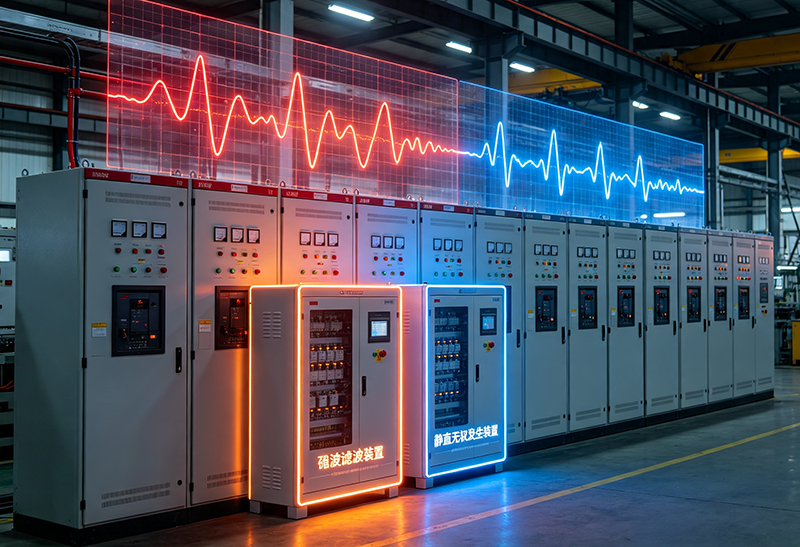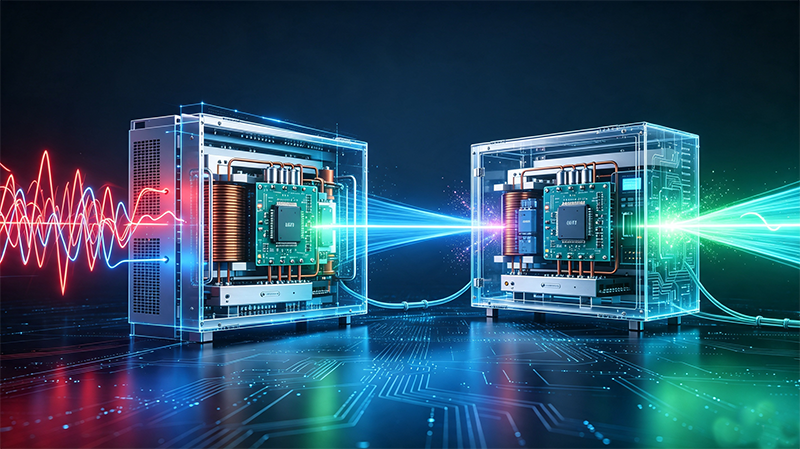
وقتی مهندسان عبارت STATCOM vs SVG را جستجو می کنند,آنها اغلب با توضیحات متناقضی روبرو می شوند. برخی از مقالات می گویند که آنها یکسان هستند. دیگران با آنها به عنوان فناوری های کاملاً متفاوت برخورد می کنند. در سیستم های قدرت دنیای واقعی, پاسخ ظریف تر است.
به عنوان یک مهندس ارشد کیفیت برق در CoEpower, من روی پروژه های جبران توان راکتیو در سراسر نیروگاه های انرژی تجدیدپذیر کار کرده ام, کارخانه های صنعتی, پست ها, کارخانه, عملیات معدن, و مراکز داده. یکی از سوالات متداول پیمانکاران EPC و مشاوران برق این است:
آیا باید از STATCOM یا SVG برای این پروژه استفاده کنیم؟?”
این مقاله تفاوت های مهندسی عملی بین STATCOM و SVG را توضیح می دهد, از جمله اصول عملیات, سرعت پاسخگویی, قابلیت پشتیبانی ولتاژ, عملکرد هارمونیک, ملاحظات هزینه, و کاربردهای صنعتی.
STATCOM چیست؟?
بوها استحکامات (جبران کننده همزمان استاتیک) یک واقعیت با کارایی بالا است (سیستم انتقال AC انعطاف پذیر) دستگاهی که برای ارائه جبران توان راکتیو دینامیکی و تنظیم ولتاژ در شبکه های الکتریکی استفاده می شود.
سیستم های STATCOM معمولا استفاده می کنند:
- مبدل منبع ولتاژ (VSC)
- ماژول های قدرت IGBT
- بانک خازن DC
- الگوریتم های کنترل دیجیتال پیشرفته
- ترانسفورماتور کوپلینگ
هدف اصلی STATCOM این است که:
- تثبیت ولتاژ شبکه
- بهبود ضریب توان
- سوسو زدن ولتاژ را کاهش دهید
- حمایت از یکپارچه سازی انرژی های تجدیدپذیر
- افزایش پایداری گذرا
- جبران سریع توان راکتیو را ارائه دهید
اصل تبادل توان راکتیو را می توان به این صورت ساده کرد:
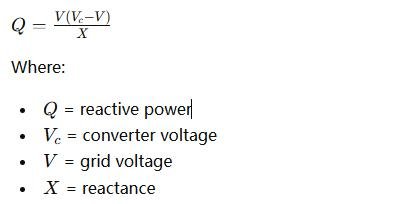
زمانی که ولتاژ مبدل از ولتاژ سیستم بیشتر شود, توان راکتیو خازنی به شبکه تزریق می شود. وقتی پایین تر است, توان راکتیو القایی جذب می شود.
SVG چیست؟?
SVG مخفف Static Var Generator است.
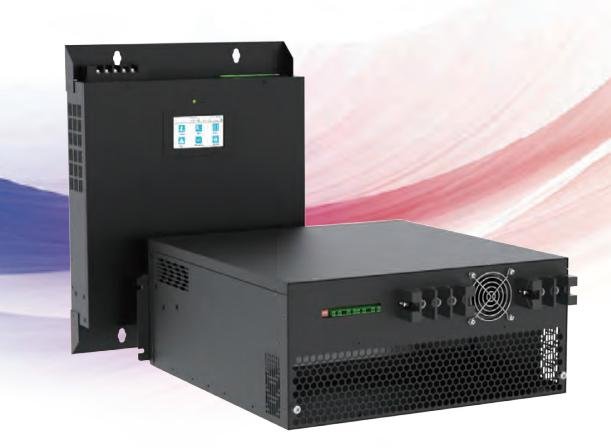
در بسیاری از بازارهای صنعتی, به ویژه در آسیا و کاربردهای کیفیت برق ولتاژ پایین, SVG به یک دستگاه جبران توان راکتیو پویا بر اساس همان فناوری VSC مورد استفاده در سیستم های STATCOM اشاره دارد..
سیستم های SVG به طور گسترده ای برای:
- تصحیح عامل قدرت
- جبران قدرت واکنشی
- سرکوب هارمونیک
- اصلاح سه فاز عدم تعادل
- بهینه سازی بهره وری انرژی
در اصطلاحات صنعتی کاربردی:
- STATCOM معمولاً با کاربردهای ولتاژ متوسط و سطح انتقال مرتبط است.
- SVG معمولاً با سیستمهای جبران صنعتی ولتاژ پایین مرتبط است.
هر چند, از نظر فنی, هر دو دستگاه اصول اصلی بسیار مشابهی دارند.
STATCOM در مقابل SVG: تفاوت اصلی
بزرگترین سردرگمی آنلاین این است که بسیاری از وب سایت ها رابطه را بیش از حد ساده می کنند.
اینجا واقعیت مهندسی است:
| نشان | استحکامات | SVG |
|---|---|---|
| نام کامل | جبران کننده همزمان استاتیک | ژنراتور استاتیک وار |
| سطح ولتاژ معمولی | واسطه & ولتاژ بالا | کم & ولتاژ متوسط |
| برنامه اصلی | پایداری شبکه & تنظیم ولتاژ | تصحیح ضریب توان صنعتی |
| فناوری | مبتنی بر VSC | مبتنی بر VSC |
| سرعت پاسخ | فوق العاده سریع | فوق العاده سریع |
| پشتیبانی از ولتاژ دینامیک | قوی | متوسط تا قوی |
| جبران هارمونیک | قابلیت پیشرفته | معمولا یکپارچه شده است |
| نصب معمولی | پست های تاسیساتی, گیاهان تجدید پذیر | کارخانه ها, ساختمانهای تجاری |
| پیچیدگی سیستم | بالاتر | پایین تر |
| هزینه | بالاتر | اقتصادی تر |
بسیاری از تولیدکنندگان از این اصطلاحات به جای یکدیگر استفاده می کنند زیرا هر دو به الکترونیک قدرت و تزریق توان راکتیو بلادرنگ متکی هستند..
از منظر مهندسی:
- STATCOM بیشتر بر روی پایداری دینامیک شبکه تمرکز دارد
- SVG بیشتر بر جبران توان راکتیو صنعتی تمرکز دارد
چرا بانک های خازن سنتی دیگر کافی نیستند؟
بانک های خازنی معمولی هنوز در بسیاری از کارخانه ها وجود دارند, اما بارهای غیرخطی مدرن چالش های جدیدی در کیفیت توان ایجاد می کنند:
- درایوهای فرکانس متغیر (VFDS)
- کوره های قوس الکتریکی
- موتورهای بزرگ
- تجهیزات CNC
- مراکز داده
- ایستگاه های شارژ EV
- اینورترهای خورشیدی
- مبدل های توربین بادی
این بارها تولید می کنند:
- هارمونیک
- نوسانات ولتاژ
- تغییرات سریع توان راکتیو
- سوسو زدن
- عدم تعادل سه فاز
بانک های خازن سنتی نمی توانند به اندازه کافی سریع پاسخ دهند.
پاسخ سوئیچینگ خازن معمولی:
- 5-20 ثانیه
پاسخ SVG/STATCOM معمولی:
- کمتر از 10 میلی ثانیه
این تفاوت سرعت در شبکه های هوشمند مدرن و فرآیندهای صنعتی پرسرعت بسیار مهم است.
STATCOM در مقابل SVG در سیستم های انرژی تجدیدپذیر
انرژی های تجدیدپذیر یکی از سریع ترین برنامه های کاربردی برای فناوری STATCOM است.
مزارع خورشیدی و مزارع بادی شرایط توان راکتیو ناپایدار را ایجاد می کنند زیرا تولید به طور مداوم تغییر می کند.
STATCOM کمک می کند:
- پشتیبانی از شبکه های ضعیف
- تثبیت ولتاژ PCC
- کدهای شبکه ابزارهای جلسه
- کاهش نوسانات ولتاژ
- بهبود مسیرهای ولتاژ پایین (LVRT)
برای نیروگاه های تجدید پذیر در مقیاس بزرگ, STATCOM اغلب اجباری است.
سیستم های SVG بیشتر در:
- خورشیدی تجاری پشت بام
- سیستم های PV صنعتی
- پروژه های تولید پراکنده
قابلیت کاهش هارمونیک
سیستم های SVG مدرن اغلب شامل توابع جبران هارمونیک هستند.
این به آنها اجازه می دهد تا به طور همزمان ارائه دهند:
- جبران قدرت واکنشی
- فیلترینگ هارمونیک
- تعادل بار
در بسیاری از کاربردهای ولتاژ پایین, واحدهای SVG با آنها یکپارچه شده اند:
- فیلترهای هارمونیک فعال (قوای)
- ماژول های APF
- سیستم های جبران هیبریدی
سیستم های STATCOM همچنین می توانند هارمونیک ها را کاهش دهند, به ویژه در تاسیسات پیشرفته در مقیاس ابزار.
STATCOM در مقابل زمان پاسخگویی SVG
یکی از مهمترین مزیت های مهندسی سرعت پاسخ پویا است.
تجاوز<10اماس
این جبران فوق سریع را قادر می سازد:
- راه اندازی پایدار موتور
- کاهش افت ولتاژ
- سرکوب سوسو زدن
- بهبود پایداری سیستم جوش
- عملکرد بهتر جرثقیل
- عملکرد کوره قوس پایدار
این امر به ویژه در:
- گیاهان فولادی
- تاسیسات معدنی
- تجهیزات بندری
- صنایع پتروشیمی
کدام بهتر است: STATCOM یا SVG?
سوال درست این نیست که «کدام بهتر است?”
سوال مهندسی واقعی این است:
«کدام برای برنامه شما بهتر است?”
در صورت نیاز STATCOM را انتخاب کنید:
- تنظیم ولتاژ در مقیاس شهری
- پشتیبانی از شبکه انتقال
- یکپارچه سازی انرژی های تجدیدپذیر
- تثبیت شبکه دینامیکی
- جبران ولتاژ متوسط/بالا
- پشتیبانی شبکه ضعیف
در صورت نیاز SVG را انتخاب کنید:
- تصحیح ضریب توان صنعتی
- جبران سریع توان راکتیو
- بهبود بهره وری انرژی کارخانه
- کاهش هارمونیک
- جبران راکتیو ولتاژ پایین
- هزینه پروژه کمتر
کاربردهای معمولی سیستم های SVG
SVG به طور گسترده ای استفاده می شود:
- کارخانه های تولیدی
- کارخانه های نیمه هادی
- مراکز داده
- بیمارستان
- ساختمانهای تجاری
- سیستم های ریلی مترو
- زیرساخت شارژ EV
- تاسیسات تصفیه آب
این برنامه ها نیاز دارند:
- ضریب توان پایدار
- کاهش جریمه های تاسیساتی
- تلفات ترانسفورماتور کمتر
- بهره وری سیستم بهبود یافته است
کاربردهای معمولی سیستم های STATCOM
STATCOM بیشتر در:
- پست های تاسیساتی
- مزارع بادی
- نیروگاه های خورشیدی
- سیستم های HVDC
- سیستم های کشش راه آهن
- شبکه های معدن
- شبکه های انتقال
این برنامه ها اولویت بندی می کنند:
- ثبات ولتاژ
- انعطاف پذیری شبکه
- پشتیبانی واکنشی پویا
- قابلیت عبور از خطا
مقایسه هزینه STATCOM در مقابل SVG
هزینه به شدت بستگی دارد:
- سطح ولتاژ
- ظرفیت جبران خسارت
- الزامات هارمونیک
- محیط نصب
- روش خنک کننده
- طراحی افزونگی
به طور کلی:
- سیستم های SVG برای پروژه های صنعتی با ولتاژ پایین اقتصادی تر هستند
- سیستم های STATCOM به دلیل زیرساخت های ولتاژ متوسط/بالا گران تر هستند
هر چند, صرفه جویی در چرخه عمر ناشی از کاهش تلفات انرژی و جریمه های ضریب توان می تواند ROI سریعی را فراهم کند.
روند آینده: همگرایی SVG و STATCOM
مرز بین SVG و STATCOM به طور فزاینده ای محو می شود.
سیستم های مدرن اکنون ترکیب شده اند:
- جبران واکنشی
- فیلترینگ هارمونیک
- یکپارچه سازی ذخیره انرژی
- مدیریت کیفیت برق مبتنی بر هوش مصنوعی
- تجزیه و تحلیل شبکه بلادرنگ
اکنون بسیاری از تولیدکنندگان محصولات STATCOM ولتاژ پایین را به عنوان سیستم های SVG و بالعکس به بازار عرضه می کنند.
فناوری زیربنایی به سمت هوشمند همگرا می شود, دیجیتال, پلت فرم های با کیفیت قدرت با سرعت بالا.
نظرات نهایی یک مهندس CoEpower
پس از سالها تجربه در زمینه مهندسی, اینجا ساده ترین توضیح است:
- STATCOM معمولاً راه حل در سطح شبکه است
- SVG معمولا راه حلی در سطح صنعتی است
هر دوی آنها از الکترونیک قدرت پیشرفته برای حل مشکلات توان راکتیو بسیار موثرتر از بانک های خازن سنتی استفاده می کنند.
اگر پروژه شما شامل:
- بارهای با تغییر سریع
- انرژی های تجدید پذیر
- هارمونیک
- ناپایداری ولتاژ
- ضریب قدرت ضعیف
سپس فناوری SVG یا STATCOM احتمالاً جهت درستی است.
در CoEpower, ما به پیمانکاران EPC کمک می کنیم, آب و برق, و تاسیسات صنعتی راه حل بهینه جبران توان راکتیو را بر اساس شرایط عملیاتی واقعی - نه اصطلاحات بازاریابی - انتخاب می کنند.
پرسش
آیا SVG همان STATCOM است?
از نظر فنی, هر دو از فناوری جبران واکنشی مبتنی بر VSC مشابه استفاده می کنند. هر چند, SVG معمولا برای کاربردهای صنعتی با ولتاژ پایین استفاده می شود, در حالی که STATCOM بیشتر با سیستم های شهری و متوسط/بالا مرتبط است.
که سریعتر پاسخ می دهد: بانک خازن یا SVG?
سیستم های SVG در میلی ثانیه پاسخ می دهند, در حالی که بانک های خازن ممکن است به چند ثانیه نیاز داشته باشند.
آیا SVG می تواند هارمونیک ها را کاهش دهد؟?
بله. بسیاری از سیستم های SVG مدرن دارای قابلیت جبران هارمونیک هستند.
چرا STATCOM در نیروگاه های خورشیدی استفاده می شود؟?
STATCOM پشتیبانی از ولتاژ دینامیک را فراهم می کند و به نیروگاه های تجدیدپذیر کمک می کند تا با الزامات کد شبکه مطابقت داشته باشند.
آیا SVG ضریب توان را بهبود می بخشد؟?
بله. سیستم های SVG به صورت پویا توان راکتیو را برای حفظ ضریب توان نزدیک به واحد جبران می کنند.
برچسب ها: statcom در مقابل svg, معنی statcom, svg برقی, ژنراتور استاتیک وار, جبران کننده سنکرون ایستا, جبران توان راکتیو, تصحیح عامل قدرت, اصل کار statcom, svg در مقابل بانک خازن, جبران واکنشی پویا, راه حل صنعتی svg, استاتکام ولتاژ متوسط, راه حل کیفیت برق, کاهش هارمونیک, تثبیت ولتاژ, تهیه کننده, تولید کنندگان, کارخانه, شرکت, چین, عمده, خرید کردن, قیمت, نقل قول, انبوه, برای فروش, شرکت, انبار, هزینه.