1. Perkenalan: Mengapa Daya Reaktif Penting di Pabrik Baja
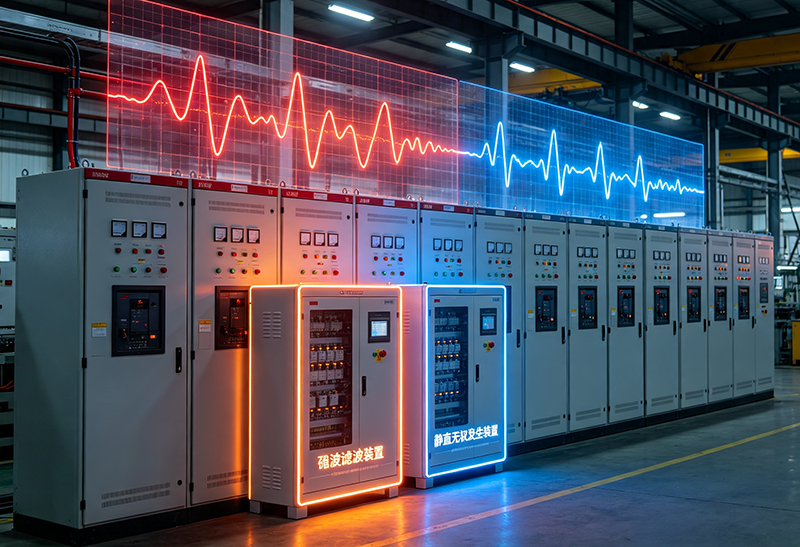
Pabrik baja adalah salah satu fasilitas industri yang paling intensif menggunakan listrik di dunia. Dari tungku busur listrik (EAF) dan rolling mill hingga penggerak motor besar dan sistem pengelasan, profil beban sangat dinamis, nonlinier, dan sangat induktif.
Sebagai insinyur listrik senior di Koepower, Saya telah melihat secara langsung bagaimana pengaruh daya reaktif yang tidak dikelola:
- Fluktuasi tegangan yang parah
- Hukuman faktor daya rendah
- Trafo dan kabel kelebihan beban
- Peningkatan kehilangan energi
- Mengurangi umur peralatan
- Ketidakstabilan dalam operasi tungku
Inti permasalahan ini terletak pada konsep fundamental dalam teknik elektro: Kompensasi Daya Reaktif, bagian penting dari bidang Kompensasi Daya Reaktif yang lebih luas.
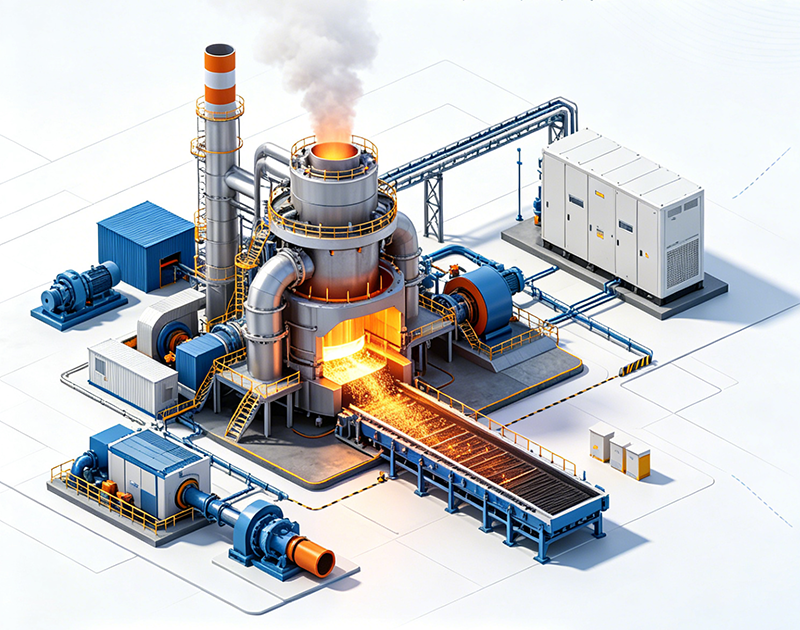
Untuk mengatasi tantangan ini di pabrik baja modern, bank kapasitor tradisional tidak lagi mencukupi. Industri ini dengan cepat bertransisi menuju solusi dinamis seperti Generator var statis (SVG), juga dikenal sebagai Generator Var Statis (SVG).
2. Pengertian Daya Reaktif dalam Operasional Pabrik Baja
2.1 Apa itu Daya Reaktif?
Dalam sistem AC, tenaga listrik dibagi menjadi:
- Kekuatan aktif (kW): Melakukan pekerjaan yang bermanfaat
- Kekuatan reaktif (kiri): Mendukung medan magnet pada beban induktif
- Kekuatan nyata (kva): Jumlah vektor keduanya
Pabrik baja didominasi oleh peralatan induktif seperti:
- Tungku busur
- Motor induksi
- Transformator besar
- Sistem konveyor
Beban ini mengkonsumsi daya reaktif dalam jumlah besar, menyebabkan faktor daya buruk.
2.2 Mengapa Pabrik Baja Sangat Sensitif
Berbeda dengan bangunan komersial, pengalaman pabrik baja:
- Fluktuasi beban yang cepat (terutama siklus peleburan EAF)
- Lonjakan arus yang tiba-tiba
- Ketidakstabilan busur yang sering terjadi
- Harmonisa nonlinier dari konverter dan penggerak
Hal ini membuat sistem kompensasi tetap tradisional menjadi tidak efektif.
3. Keterbatasan Bank Kapasitor Tradisional
Banyak pabrik baja yang masih mengandalkan bank kapasitor untuk koreksi faktor daya. Namun, mereka menghadirkan kelemahan yang signifikan:
3.1 Keterlambatan Respon Langkah
Bank kapasitor beralih dalam langkah-langkah terpisah. Pabrik baja memuat perubahan dalam milidetik, sementara peralihan kapasitor lambat.
3.2 Risiko Kompensasi Berlebihan
Ketika beban turun secara tiba-tiba (MISALNYA., jeda tungku), kapasitor mungkin memberikan kompensasi yang berlebihan, menyebabkan:
- Tegangan lebih
- Resonansi sistem
- Stres peralatan
3.3 Amplifikasi Harmonik
Kapasitor dapat berinteraksi dengan harmonik sistem, memperkuat distorsi dan berpotensi merusak peralatan.
3.4 Keausan Mekanis
Peralihan yang sering menyebabkan keausan kontaktor dan biaya pemeliharaan.
4. Teknologi SVG: Solusi Modern
4.1 Apa itu Sistem SVG?
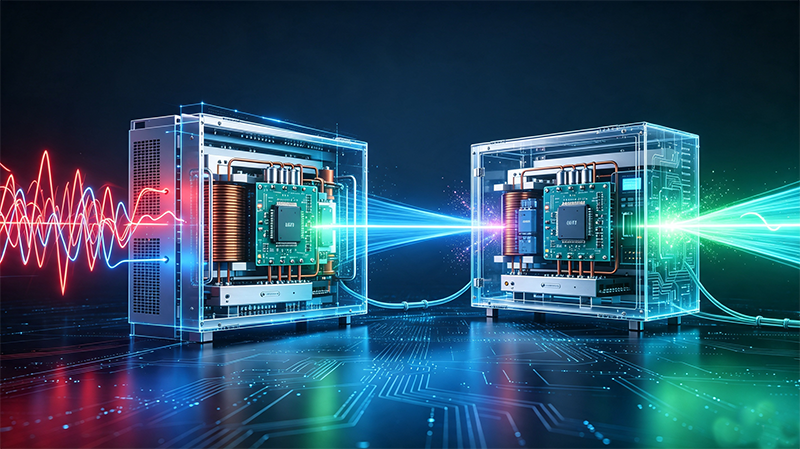
A Generator var statis (SVG) adalah perangkat elektronika daya yang secara dinamis menghasilkan atau menyerap daya reaktif secara real time.
Berbeda dengan bank kapasitor, SVG menggunakan teknologi inverter berbasis IGBT untuk merespons dalam milidetik.
Sebagai akibat, SVG menyediakan:
- Kompensasi daya reaktif berkelanjutan
- Respon dinamis yang cepat
- Dukungan VAR dua arah
- Regulasi tegangan stabil
4.2 Bagaimana SVG Bekerja di Pabrik Baja
Prinsip operasinya didasarkan pada deteksi arus waktu nyata:
- Transformator saat ini memantau permintaan beban
- Pengontrol menghitung kebutuhan daya reaktif
- Inverter IGBT menghasilkan arus kompensasi
- Daya reaktif disuntikkan atau diserap secara instan
Sistem loop tertutup ini memastikan koreksi faktor daya yang mendekati sempurna.
5. Mengapa Pabrik Baja Lebih Membutuhkan SVG Dibandingkan Industri Lainnya
Dari pengalaman teknik kami di CoEpower, Pabrik baja mewakili salah satu lingkungan yang paling menantang dalam hal kualitas daya.
5.1 Tungku Busur Listrik (EAF) Ketidakstabilan
EAF dibuat:
- Perubahan beban secara tiba-tiba
- Siklus kepunahan/penyalaan kembali busur api
- Kedipan parah dan penurunan tegangan
SVG mengkompensasi fluktuasi ini secara real-time, menstabilkan operasi tungku.
5.2 Penggerak Motor Rolling Mill
Penyebab motor besar:
- Faktor daya tertinggal saat start-up
- Arus masuk yang tinggi
- Permintaan reaktif yang berkelanjutan
SVG memastikan kompensasi yang lancar selama pengoperasian startup dan kondisi stabil.
5.3 Interaksi Harmonis
Penggunaan pabrik baja modern:
- Penggerak frekuensi variabel (VFDS)
- Penyearah
- Inverter
Ini menghasilkan harmonik yang mendistorsi sistem tenaga. Sistem SVG tingkat lanjut mencakup kemampuan pemfilteran harmonis untuk mengurangi distorsi.
6. Keuntungan Utama SVG di Pabrik Baja
6.1 Respon Dinamis Sangat Cepat
SVG merespons dalam waktu kurang dari 5 milidetik, menjadikannya ideal untuk fluktuasi tungku busur.
6.2 Kontrol Faktor Daya yang Tepat
Mempertahankan faktor daya mendekati kesatuan (0.99–1.0), secara signifikan mengurangi denda utilitas.
6.3 Peningkatan Stabilitas Tegangan
Dengan menyuntikkan daya reaktif secara lokal, SVG menstabilkan tegangan bus dan mengurangi kedipan.
6.4 Mengurangi Kehilangan Energi
Berarti arus reaktif lebih rendah:
- Mengurangi kerugian I²R
- Pemanasan transformator bawah
- Peningkatan efisiensi kabel
6.5 Desain Modular dan Skalabel
Sistem SVG dapat diterapkan dalam unit modular, memungkinkan ekspansi bertahap seiring bertambahnya kapasitas pabrik.
7. SVG vs Capacitor Bank dalam Aplikasi Pabrik Baja
| Fitur | Bank kapasitor | Sistem SVG |
| Kecepatan respons | Lambat (detik) | Sangat cepat (milidetik) |
| Kontrol | Berbasis langkah | Dinamika yang berkelanjutan |
| Penanganan harmonis | Miskin | Bagus sekali |
| Kompensasi atas/bawah | Umum | Dieliminasi |
| Pemeliharaan | Tinggi | Rendah |
| Kesesuaian untuk pabrik baja | Terbatas | Ideal |
8. Pertimbangan Desain Teknik untuk Penerapan SVG
Sebagai insinyur senior CoEpower, Saya sarankan mempertimbangkan hal berikut selama desain sistem:
8.1 Analisis beban
Profil beban terperinci harus disertakan:
- Siklus tugas tungku
- Pola start/stop motor
- Periode permintaan puncak
8.2 Lingkungan Harmonis
Sebelum instalasi SVG, ukuran:
- Distorsi Harmonik Total (Thd)
- Spektrum frekuensi
- Poin resonansi
8.3 Pemilihan Kapasitas Sistem
Kapasitas SVG biasanya dirancang sebagai:
- 30%–70% beban reaktif puncak untuk pabrik baja
- Ukuran yang terlalu besar mungkin diperlukan untuk operasi yang berat dengan EAF
8.4 Integrasi dengan Sistem yang Ada
SVG dapat diintegrasikan dengan:
- Bank kapasitor (sistem hibrida)
- sistem SCADA
- Platform manajemen energi
9. Strategi Kompensasi Hibrid (Praktik Terbaik)
Di banyak pabrik baja, solusi optimalnya bukan hanya SVG saja melainkan konfigurasi hybrid:
- SVG menangani fluktuasi dinamis yang cepat
- Bank kapasitor menangani beban reaktif kondisi tunak
Kombinasi ini mengurangi biaya sekaligus memaksimalkan kinerja.
10. Tren Masa Depan dalam Teknologi SVG
Masa depan kompensasi daya reaktif di pabrik baja sedang menuju ke depan:
10.1 Prediksi Beban Berbasis AI
Sistem SVG akan memprediksi perubahan beban sebelum terjadi.
10.2 Integrasi Kembar Digital
Simulasi sistem tenaga pembangkit secara real-time untuk optimasi.
10.3 Perangkat Kualitas Daya Multi-Fungsi
Unit SVG di masa depan akan digabungkan:
- Penyaringan harmonik
- Pengaturan tegangan
- Koreksi ketidakseimbangan
- Kompensasi reaktif
11. Kesimpulan
Pabrik baja memerlukan salah satu solusi kualitas daya paling tangguh dan cerdas yang ada saat ini. Bank kapasitor tradisional tidak lagi dapat memenuhi persyaratan dinamis produksi baja modern.
Adopsi dari Generator var statis (SVG) teknologi menyediakan:
- Kontrol daya reaktif waktu nyata
- Stabilitas tegangan yang ditingkatkan
- Mengurangi biaya operasional
- Peningkatan keandalan peralatan
Dari perspektif teknik di Koepower, SVG bukan lagi merupakan peningkatan opsional—ini adalah komponen dasar infrastruktur kelistrikan pabrik baja modern.
Ketika sistem industri terus berkembang menuju otomatisasi dan efisiensi energi yang lebih tinggi, Kompensasi daya reaktif berbasis SVG akan tetap menjadi hal penting untuk mencapai stabilitas, efisien, dan produksi baja berkelanjutan.
Kata kunci
Kompensasi Daya Reaktif, sistem SVG, Generator var statis, kualitas daya pabrik baja, Koreksi faktor daya, mitigasi harmonisa, efisiensi energi industri, Stabilitas tegangan, Solusi CoEpower SVG, kompensasi reaktif dinamis, pemasok, produsen, pabrik, perusahaan, Cina, grosir, membeli, harga, kutipan, dalam jumlah besar, untuk dijual, perusahaan, saham, biaya.