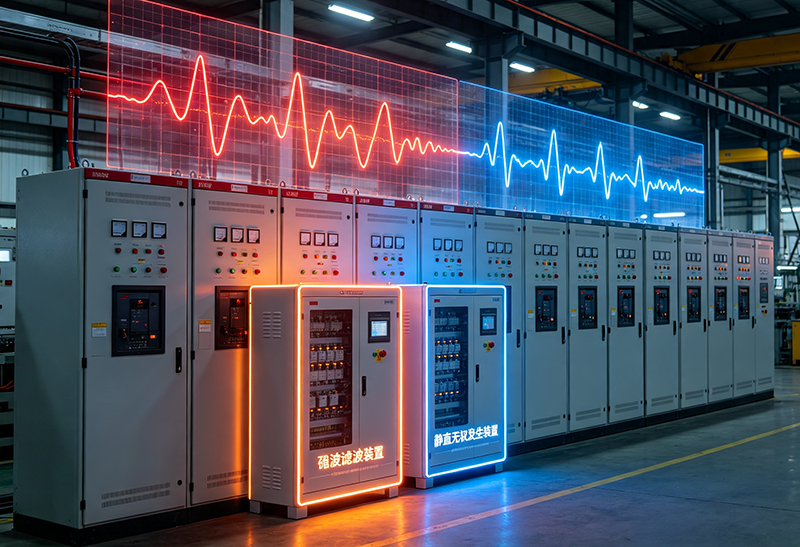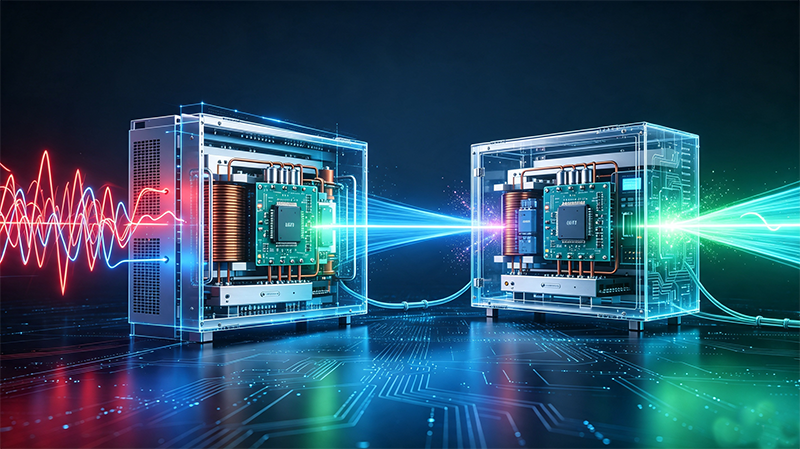
Dalam sistem tenaga industri dan komersial saat ini, distorsi harmonik telah menjadi tantangan yang semakin besar. Karena semakin banyak fasilitas yang bergantung pada beban listrik non-linier seperti penggerak frekuensi variabel (VFDS), Sistem UPS, Pencahayaan LED, EV Chargers, mesin las, dan peralatan pusat data, persoalan harmonik tidak bisa lagi diabaikan.
Pada Koepower, kami sering membantu para insinyur, kontraktor EPC, dan manajer fasilitas memecahkan masalah kualitas daya yang disebabkan oleh harmonisa. Dua solusi yang paling sering dibahas adalah filter harmonik satu fasa Dan filter harmonik aktif (AHFS).
Meskipun kedua teknologi tersebut dirancang untuk mengurangi distorsi harmonik, mereka berbeda secara signifikan dalam prinsip desain, skenario aplikasi, pertunjukan, dan biaya. Dalam artikel ini, kami akan menjelaskan perbedaan utama antara filter harmonik satu fasa dan filter harmonik aktif dari sudut pandang seorang insinyur listrik senior.
Apa Itu Harmonisa dalam Sistem Kelistrikan?
Harmonisa adalah bentuk gelombang tegangan atau arus yang beroperasi pada frekuensi yang merupakan kelipatan dari frekuensi dasar (50Hz atau 60Hz). Mereka terutama dihasilkan oleh beban non-linier yang menarik arus dalam bentuk pulsa tiba-tiba, bukan gelombang sinusoidal halus.
Sumber harmonik umum termasuk:
- Penggerak frekuensi variabel (VFDS)
- Mengalihkan pasokan listrik
- Pusat data
- Inverter surya
- Stasiun pengisian EV
- Sistem UPS
- Sistem pencahayaan LED
- Tungku busur
Distorsi harmonik yang berlebihan dapat menyebabkan:
- Transformator terlalu panas
- Kegagalan bank kapasitor
- Gangguan tersandung
- Mengurangi efisiensi motorik
- Peningkatan kehilangan energi
- Kabel terlalu panas
- Kerusakan peralatan
- Faktor daya berkurang
- Biaya pemeliharaan lebih tinggi
Untuk mengurangi masalah-masalah ini, teknologi penyaringan harmonik dikerahkan.
Apa Itu Filter Harmonik Satu Fasa?
A filter harmonik satu fasa adalah perangkat penyaringan yang dirancang khusus untuk sistem kelistrikan satu fasa. Biasanya digunakan untuk menekan arus harmonik yang dihasilkan oleh beban satu fasa.
Filter ini biasanya terdiri dari filter pasif:
- Kapasitor
- Induktor
- Resistor
Filter disetel ke frekuensi harmonik tertentu, seperti yang ke-3, 5th, atau harmonik ke-7.
Cara Kerja Filter Harmonik Fase Tunggal
Filter harmonik satu fasa bekerja dengan menciptakan jalur impedansi rendah untuk arus harmonik. Daripada mengalir kembali ke sistem tenaga, arus harmonik dialihkan ke rangkaian filter.
Kebanyakan filter fase tunggal bersifat pasif, artinya mereka tidak secara aktif menyuntikkan arus kompensasi. Alih-alih, mereka mengandalkan sirkuit LC yang disetel untuk menyerap harmonisa yang ditargetkan.
Lokasi pemasangan yang umum meliputi:
- Sistem perumahan
- Bangunan komersial kecil
- Peralatan kantor
- Instrumen laboratorium
- Peralatan telekomunikasi
- Sistem UPS satu fase
- Alat kesehatan kecil
Apa itu filter harmonik aktif (Ahf)?
Sebuah Filter harmonik aktif (Ahf) adalah perangkat kualitas daya elektronik canggih yang secara dinamis mendeteksi dan mengkompensasi arus harmonik secara real time.

Tidak seperti filter pasif, AHF menggunakan elektronika daya dan teknologi pemrosesan sinyal digital untuk menyuntikkan arus harmonik terbalik ke dalam sistem.
Ini secara efektif menghilangkan harmonik yang tidak diinginkan pada rentang frekuensi yang luas.
Cara Kerja Filter Harmonik Aktif
Filter harmonik aktif terus memantau arus beban menggunakan transformator arus (CT). Pengontrol menganalisis spektrum harmonik dan menghasilkan arus kompensasi yang besarnya sama tetapi fasenya berlawanan.
Hasilnya adalah pembatalan harmonik dan peningkatan kualitas bentuk gelombang.
AHF biasanya bisa:
- Kurangi THDi di bawah 5%
- Kompensasi beberapa tatanan harmonik secara bersamaan
- Meningkatkan faktor daya
- Menyeimbangkan beban tiga fasa
- Kurangi arus netral
- Beradaptasi secara dinamis terhadap perubahan beban
Filter harmonik aktif banyak digunakan di:
- Pabrik industri
- Pusat data
- Rumah sakit
- Manufaktur semikonduktor
- Bangunan komersial
- Sistem Energi Terbarukan
- Infrastruktur pengisian EV
- Pabrik yang cerdas
Perbedaan Utama Antara Filter Harmonik Fase Tunggal dan Filter Harmonik Aktif
1. Prinsip Operasi
Filter Harmonik Fase Tunggal
Filter harmonik satu fasa umumnya merupakan perangkat pasif. Mereka menyerap frekuensi harmonik tertentu menggunakan rangkaian LC yang disetel.
Kinerja mereka sangat bergantung pada:
- Impedansi sistem
- Kondisi beban
- Stabilitas frekuensi harmonik
Filter harmonik aktif
AHF secara aktif menghasilkan arus kompensasi secara real time menggunakan elektronika daya dan algoritma DSP.
Mereka dapat merespons secara instan terhadap perubahan kondisi harmonis dan memberikan kompensasi secara dinamis.
2. Rentang Kompensasi Harmonik
Filter Harmonik Fase Tunggal
Filter pasif biasanya disetel untuk satu atau beberapa orde harmonik.
Misalnya:
- 3filter harmonik ke-rd
- 5filter harmonik
- 7filter harmonik
Hal ini kurang efektif untuk mitigasi harmonis berspektrum luas.
Filter harmonik aktif
AHF dapat memberikan kompensasi:
- 2harmonik ke-50
- Beberapa harmonik secara bersamaan
- Beban harmonik yang dinamis dan berfluktuasi
Hal ini memberikan perlindungan yang jauh lebih luas.
3. Fleksibilitas Sistem
Filter Harmonik Fase Tunggal
Filter pasif relatif tetap setelah dipasang.
Jika beban berubah secara signifikan, kinerja filter mungkin menurun.
Filter harmonik aktif
AHF sangat adaptif dan secara otomatis merespons variasi beban secara real time.
Hal ini menjadikannya ideal untuk sistem kelistrikan modern dengan beban dinamis.
4. Kompleksitas Instalasi
Filter Harmonik Fase Tunggal
Instalasi umumnya mudah dan hemat biaya.
Mereka cocok untuk:
- Sistem kecil
- Masalah harmonik sederhana
- Anggaran terbatas
Filter harmonik aktif
dibutuhkan oleh AHF:
- Transformator arus
- Konfigurasi pengontrol
- Analisis harmonik yang tepat
- Komisioning yang lebih canggih
Namun, mereka memberikan kinerja yang jauh lebih tinggi.
5. Risiko Resonansi
Filter Harmonik Fase Tunggal
Filter harmonik pasif dapat menimbulkan masalah resonansi pada sistem tenaga.
Hal ini berpotensi memperkuat harmonik alih-alih menguranginya.
Studi sistem seringkali diperlukan sebelum instalasi.
Filter harmonik aktif
AHF tidak bergantung pada penyetelan resonansi dan oleh karena itu menghindari risiko resonansi.
Hal ini secara signifikan meningkatkan keandalan sistem.
6. Koreksi faktor daya
Filter Harmonik Fase Tunggal
Beberapa filter pasif juga dapat meningkatkan faktor daya.
Namun, kemampuan koreksinya terbatas.
Filter harmonik aktif
Banyak AHF modern yang terintegrasi:
- Mitigasi harmonik
- Kompensasi Daya Reaktif
- Koreksi faktor daya
- Load Balancing
Hal ini menjadikannya solusi kualitas daya yang multifungsi.
7. Persyaratan Pemeliharaan
Filter Harmonik Fase Tunggal
Filter pasif umumnya memerlukan perawatan minimal.
Namun, penuaan kapasitor dan tekanan termal pada akhirnya dapat mengurangi kinerja.
Filter harmonik aktif
AHF berisi elektronik canggih dan sistem pendingin.
Inspeksi rutin dianjurkan, tapi AHF modern sangat andal dan cerdas.
8. Perbandingan Biaya
Filter Harmonik Fase Tunggal
Keuntungan:
- Investasi awal yang lebih rendah
- Desain sederhana
- Ekonomis untuk aplikasi kecil
Kerugian:
- Kemampuan kompensasi yang terbatas
- Kurang fleksibel
- Potensi masalah resonansi
Filter harmonik aktif
Keuntungan:
- Penekanan harmonik yang unggul
- Performa dinamis
- Kemampuan multifungsi
Kerugian:
- Biaya awal yang lebih tinggi
- Instalasi yang lebih kompleks
Namun, AHF sering kali menghasilkan biaya operasional jangka panjang yang lebih rendah karena peningkatan efisiensi energi dan berkurangnya kegagalan peralatan.
Tabel perbandingan: Filter Harmonik Fase Tunggal vs Filter Harmonik Aktif
| Fitur | Filter Harmonik Fase Tunggal | Filter harmonik aktif |
|---|---|---|
| Teknologi | Rangkaian LC pasif | Kompensasi elektronik daya |
| Jenis Kompensasi | Tetap | Dinamis |
| Rentang Harmonik | Harmonik tertentu | Harmonisa spektrum luas |
| Kemampuan beradaptasi | Terbatas | Bagus sekali |
| Risiko Resonansi | Mungkin | Tidak ada |
| Koreksi faktor daya | Sebagian | Canggih |
| Instalasi | Sederhana | Sedang |
| Biaya | Lebih rendah | Lebih tinggi |
| Terbaik Untuk | Sistem kecil | Sistem industri yang kompleks |
| Pemeliharaan | Rendah | Sedang |
Kapan Anda Harus Memilih Filter Harmonik Satu Fasa?
Filter harmonik satu fasa ideal bila:
- Masalah harmonik relatif sederhana
- Bebannya stabil
- Anggaran terbatas
- Penerapannya berskala kecil
- Hanya frekuensi harmonik tertentu yang perlu ditekan
Aplikasi yang umum termasuk:
- Instalasi perumahan
- Kantor kecil
- Peralatan laboratorium
- Sistem telekomunikasi
- Sistem UPS kecil
Kapan Anda Harus Memilih Filter Harmonik Aktif?
Filter harmonik aktif adalah pilihan yang lebih disukai saat:
- Tingkat harmonik sering berfluktuasi
- Ada banyak tatanan harmonik
- Persyaratan kualitas daya sangat ketat
- Keandalan peralatan sangat penting
- Fasilitas itu berisi barang elektronik sensitif
- Ekspansi beban di masa depan diharapkan terjadi
Aplikasi yang ideal meliputi:
- Otomasi industri
- Pusat data
- Pabrik semikonduktor
- Rumah sakit
- Bangunan pintar
- Pembangkit energi terbarukan
- Stasiun pengisian EV
Mengapa Mitigasi Harmonik Lebih Penting Dari Sebelumnya
Dengan pesatnya adopsi otomatisasi, energi terbarukan, dan elektronika daya, polusi harmonik meningkat secara global.
Fasilitas modern menjadi lebih rentan terhadap hal ini:
- Waktu henti yang tidak terduga
- Pemborosan energi
- Kerusakan peralatan
- Masalah kepatuhan
Standar internasional seperti IEEE 519 sekarang memberikan batasan yang lebih ketat pada distorsi harmonik.
Penyaringan harmonik yang tepat tidak lagi bersifat opsional—ini merupakan bagian penting dari desain sistem tenaga modern.
Solusi Filter Harmonik CoEpower
Pada Koepower, kami menyediakan solusi kualitas daya canggih yang disesuaikan dengan aplikasi industri dan komersial.
Penawaran kami meliputi:
- Filter harmonik aktif (Ahf)
- Generator VAR Statis (SVG)
- Bank Kapasitor
- Filter Harmonik Pasif
- Sistem Koreksi Faktor Daya
- Solusi Mitigasi Harmonik yang Disesuaikan
Tim teknik kami melakukan analisis harmonik terperinci untuk membantu pelanggan memilih solusi yang paling efektif dan hemat biaya untuk fasilitas mereka.
Apakah Anda memerlukan filter harmonik satu fase yang ringkas atau filter harmonik aktif berkapasitas tinggi untuk sistem industri yang kompleks, CoEpower dapat memberikan solusi kualitas daya yang andal dan efisien.
Pikiran Terakhir
Filter harmonik satu fasa dan filter harmonik aktif memainkan peran penting dalam manajemen kualitas daya.
Filter harmonik satu fasa menawarkan solusi hemat biaya untuk kestabilan, masalah harmonik skala kecil. Sebaliknya, filter harmonik aktif memberikan kecerdasan, dinamis, dan kompensasi harmonis yang komprehensif untuk lingkungan industri modern.
Memilih solusi yang tepat tergantung pada:
- Keparahan harmonis
- Karakteristik beban
- Kompleksitas sistem
- Anggaran
- Rencana ekspansi di masa depan
Ketika sistem kelistrikan terus berkembang, teknologi penyaringan harmonik aktif menjadi semakin penting untuk menjaga keandalan, efisien, dan operasi yang memenuhi standar.
Jika fasilitas Anda mengalami masalah terkait harmonik, berkonsultasi dengan teknisi kualitas daya yang berpengalaman adalah langkah pertama terbaik untuk menemukan solusi optimal.
Tag: Filter harmonik satu fasa, Filter harmonik aktif, Kualitas daya AHF, Filter harmonik vs filter harmonik aktif, Solusi mitigasi yang harmonis, Filter harmonik industri, Peningkatan kualitas daya, Penekanan harmonik listrik, Filter harmonik pasif, Kompensasi harmonik dinamis, IEEE 519 kepatuhan yang harmonis, Solusi distorsi harmonik, Filter harmonik CoEpower, Sistem penyaringan harmonik, Filter harmonik aktif tiga fase, pemasok, produsen, pabrik, perusahaan, Cina, grosir, membeli, harga, kutipan, dalam jumlah besar, untuk dijual, perusahaan, saham, biaya.