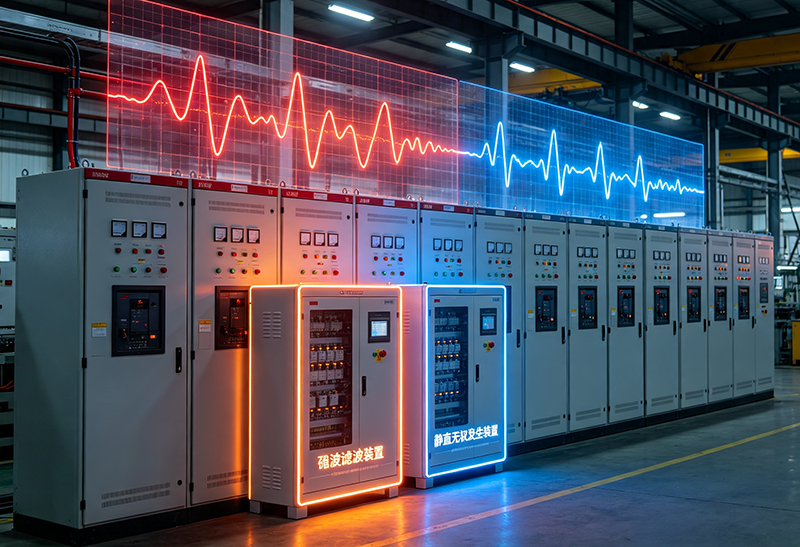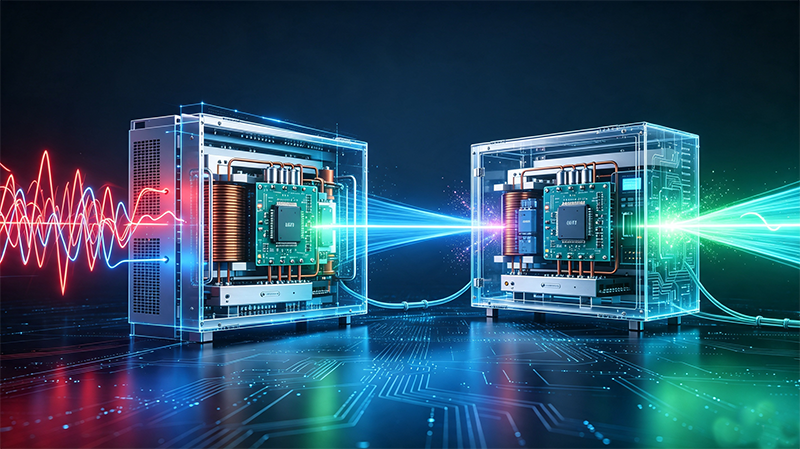
Ketika fasilitas industri menjadi semakin bergantung pada peralatan elektronika daya, Distorsi harmonik telah menjadi salah satu tantangan kualitas daya paling umum yang dihadapi para insinyur saat ini. Penggerak frekuensi variabel (VFDS), Penyearah, Sistem UPS, tungku induksi, EV Chargers, dan inverter energi terbarukan semuanya memperkenalkan harmonisa ke dalam sistem kelistrikan.
Harmonisa yang berlebihan dapat menyebabkan trafo menjadi terlalu panas, kegagalan kapasitor, gangguan tersandung, mengurangi umur peralatan, dan masalah kepatuhan utilitas. Sebagai akibat, memilih solusi mitigasi harmonis yang tepat sangat penting untuk menjaga keandalan sistem dan efisiensi energi.
Di antara solusi yang paling banyak digunakan adalah filter harmonik tiga fase Dan filter harmonik aktif (APF). Sedangkan kedua teknologi tersebut dirancang untuk mengurangi distorsi harmonik, prinsip operasi mereka, karakteristik kinerja, dan skenario penerapannya berbeda secara signifikan.
Sebagai insinyur listrik senior di CoEpower, Saya sering ditanyai oleh manajer fasilitas dan insinyur konsultan:
“Haruskah saya memasang filter harmonik tiga fase tradisional atau filter harmonik aktif?”
Dalam artikel ini, Saya akan menjelaskan perbedaan antara kedua teknologi ini dan membantu Anda menentukan solusi mana yang paling sesuai untuk fasilitas Anda.
Pengertian Harmonisa pada Sistem Tenaga Industri
Sebelum membandingkan teknologi filter, penting untuk memahami apa itu harmonik.
Dalam sistem kelistrikan yang ideal, bentuk gelombang tegangan dan arus adalah gelombang sinus murni yang beroperasi pada 50 Hz atau 60 Hz.
Namun, beban nonlinier menarik arus dalam bentuk pulsa daripada pola sinusoidal yang halus. Hal ini menciptakan komponen frekuensi tambahan yang dikenal sebagai harmonik.
Tatanan harmonik yang umum meliputi:
- 3harmonik ke-rd (150 Hz)
- 5harmonik (250 Hz)
- 7harmonik (350 Hz)
- 11harmonik (550 Hz)
- 13harmonik (650 Hz)
Semakin banyak peralatan nonlinier yang dipasang di suatu fasilitas, semakin besar distorsi harmonisnya.
Konsekuensi yang umum termasuk:
- Transformator terlalu panas
- Peningkatan kerugian kabel
- Kegagalan bank kapasitor
- Getaran motorik
- Kemunduran faktor daya
- Waktu henti produksi
- Kegagalan untuk memenuhi IEEE 519 persyaratan
Di sinilah filter harmonik menjadi penting.
Apa Itu Filter Harmonik Tiga Fasa?
Filter harmonik tiga fase, umumnya dikenal sebagai filter harmonik pasif, adalah perangkat penyaringan yang terdiri dari induktor, kapasitor, dan terkadang resistor.
Ini dirancang untuk menciptakan jalur impedansi rendah untuk frekuensi harmonik tertentu, mengalihkan arus harmonik dari sistem tenaga.
Cara Kerjanya
Filter pasif disetel untuk menargetkan frekuensi harmonik yang telah ditentukan.
Misalnya:
- 5filter harmonik
- 7filter harmonik
- 11filter harmonik
Ketika arus harmonik pada frekuensi ini hadir, mereka mengalir ke filter daripada jaringan distribusi.
Hasilnya adalah berkurangnya distorsi harmonik di seluruh sistem.
Keuntungan Filter Harmonik Tiga Fasa
Biaya Awal yang Lebih Rendah
Filter pasif umumnya lebih murah daripada filter harmonik aktif untuk rating arus yang sama.
Hal ini membuat mereka menarik untuk proyek dengan anggaran terbatas.
Konstruksi Sederhana
Teknologi ini telah digunakan selama beberapa dekade dan sebagian besar terdiri dari komponen listrik pasif.
Tidak diperlukan algoritma kontrol yang canggih.
Aplikasi Berkapasitas Tinggi
Filter pasif dapat dirancang untuk beban industri yang sangat besar dimana frekuensi harmonik tetap dapat diprediksi.
Kompensasi Daya Reaktif
Banyak filter pasif memberikan mitigasi harmonik dan koreksi faktor daya secara bersamaan.
Keterbatasan Filter Harmonik Tiga Fasa
Terlepas dari kelebihannya, filter pasif memiliki beberapa kelemahan.
Kompensasi Tetap
Filter pasif hanya menargetkan harmonik yang dirancang khusus untuknya.
Jika karakteristik beban berubah, efektivitas filter mungkin menurun.
Risiko Resonansi
Salah satu kekhawatiran paling signifikan adalah resonansi harmonis.
Filter pasif yang dirancang dengan tidak tepat dapat beresonansi dengan jaringan utilitas, sebenarnya memperkuat harmonik daripada menguranginya.
Fleksibilitas Berkurang
Fasilitas industri sering kali memperluas produksi atau memasang peralatan baru.
Filter pasif yang dirancang saat ini mungkin tidak cukup mengatasi kondisi harmonik di masa depan.
Cakupan Harmonik Terbatas
Kebanyakan filter pasif hanya menargetkan tatanan harmonik tertentu.
Harmonik tingkat tinggi mungkin tetap tidak ditangani.
Apa itu filter harmonik aktif (APF)?
Filter Harmonik Aktif adalah perangkat elektronika daya canggih yang secara dinamis mengukur arus harmonik dan menyuntikkan arus kompensasi yang sama dan berlawanan ke dalam sistem..
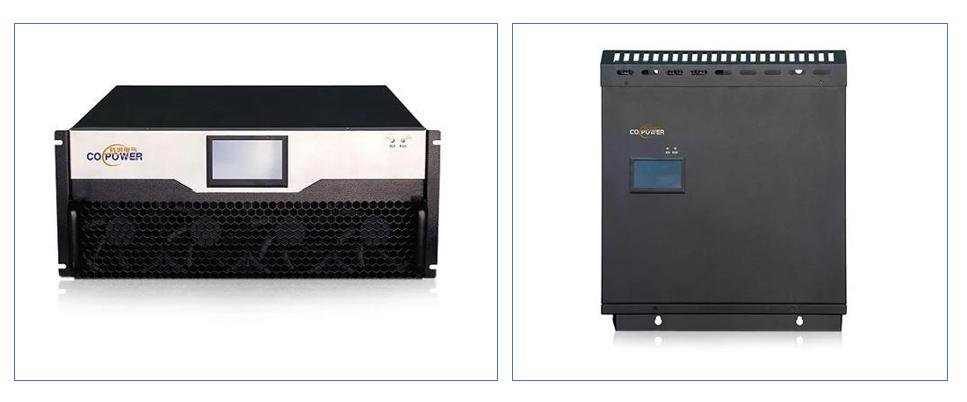
Daripada menyerap harmonisa seperti filter pasif, APF secara aktif membatalkannya.
Teknologi ini secara luas dianggap sebagai solusi paling canggih untuk mitigasi harmonik dalam sistem tenaga industri modern.
Cara Kerja Filter Harmonik Aktif
APF terus memantau bentuk gelombang saat ini menggunakan prosesor sinyal digital berkecepatan tinggi (DSP).
Sistem:
- Mendeteksi komponen harmonik
- Menghitung persyaratan kompensasi
- Menghasilkan arus harmonik terbalik
- Menyuntikkan arus kompensasi ke dalam jaringan
Harmonisa yang tidak diinginkan secara efektif dibatalkan secara real time.
Prosesnya terjadi dalam milidetik.
Saat kondisi beban berubah, APF secara otomatis menyesuaikan strategi kompensasinya.
Keuntungan Filter Harmonik Aktif
Kompensasi Harmonik Dinamis
Tidak seperti filter pasif, APF beradaptasi secara instan terhadap perubahan kondisi beban.
Hal ini menjadikannya ideal untuk fasilitas dengan jadwal produksi yang bervariasi.
Cakupan Harmonik yang Luas
Sebuah APF tunggal dapat memberikan kompensasi secara bersamaan:
- 2harmonik ke-50
- Harmonisa yang aneh
- Bahkan harmonik
- Interharmonik
Tidak diperlukan penyetelan.
Tidak Ada Risiko Resonansi
Karena APF tidak bergantung pada rangkaian resonansi LC, mereka menghilangkan risiko amplifikasi harmonik.
Hal ini secara signifikan meningkatkan keandalan sistem.
Kompensasi Daya Reaktif
APF modern dapat menyediakan:
- Penyaringan harmonik
- Kompensasi Daya Reaktif
- Koreksi faktor daya
- Load Balancing
Semua dalam satu perangkat.
Kepatuhan dengan IEEE 519
Banyak fasilitas menggunakan APF untuk mencapai kepatuhan terhadap IEEE 519 standar harmonik dan persyaratan utilitas.
Keterbatasan Filter Harmonik Aktif
Investasi Awal yang Lebih Tinggi
APF biasanya memerlukan investasi awal yang lebih besar dibandingkan filter pasif.
Namun, biaya siklus hidup seringkali lebih rendah karena peningkatan efisiensi dan fleksibilitas.
Komponen Elektronik
Sebagai perangkat elektronika daya, APF mengandung IGBT, pengontrol, dan sistem pendingin yang memerlukan perawatan yang tepat.
Perencanaan Kapasitas
Beban harmonik yang sangat besar mungkin memerlukan beberapa unit APF yang beroperasi secara paralel.
Perbandingan berdampingan
| Fitur | Filter Harmonik Tiga Fasa | Filter harmonik aktif |
| Teknologi | Jaringan LC Pasif | Elektronika Daya |
| Cakupan Harmonik | Harmonisa Terpilih | Spektrum Luas |
| Kompensasi Dinamis | TIDAK | Ya |
| Memuat Kemampuan Beradaptasi | Terbatas | Bagus sekali |
| Risiko Resonansi | Ya | TIDAK |
| Kompensasi Daya Reaktif | Mungkin | Ya |
| Kompatibilitas Ekspansi di Masa Depan | Terbatas | Tinggi |
| Pemeliharaan | Rendah | Sedang |
| Biaya Awal | Lebih rendah | Lebih tinggi |
| Fleksibilitas Jangka Panjang | Rendah | Bagus sekali |
| IEEE 519 Kepatuhan | Sedang | Bagus sekali |
Industri Mana yang Lebih Memilih Filter Harmonik Pasif?
Filter harmonik pasif umumnya digunakan dalam:
- Pabrik semen
- Pabrik baja
- Fasilitas pertambangan
- Instalasi pengolahan air
- Aplikasi motor besar
Lingkungan ini seringkali memiliki profil beban yang relatif stabil dimana karakteristik harmonisnya tetap dapat diprediksi.
Industri Mana yang Lebih Memilih Filter Harmonik Aktif?
Di CoEpower, kami sering merekomendasikan APF untuk:
- Manufaktur semikonduktor
- Pusat data
- Bangunan komersial
- Rumah sakit
- Stasiun pengisian EV
- Pembangkit listrik tenaga surya
- Sistem penyimpanan energi baterai (TERBAIK)
- Manufaktur elektronik
- Produksi silikon monokristalin
Aplikasi ini biasanya melibatkan perubahan beban nonlinier dengan cepat yang memerlukan kompensasi dinamis.
Biaya vs Kinerja: Keputusan Nyata
Banyak pembeli hanya fokus pada harga peralatan.
Namun, insinyur berpengalaman mengevaluasi:
- Kehilangan energi
- Risiko waktu henti produksi
- Biaya pemeliharaan
- Persyaratan perluasan
- Hukuman utilitas
- Umur peralatan
Meskipun filter pasif mungkin memiliki biaya awal yang lebih rendah, APF sering kali memberikan nilai jangka panjang yang lebih besar karena fleksibilitas dan kinerjanya yang unggul.
Untuk fasilitas yang merencanakan perluasan di masa depan atau mengoperasikan beban yang sangat bervariasi, filter harmonik aktif biasanya merupakan pilihan yang lebih ekonomis sepanjang siklus hidup peralatan.
Rekomendasi CoEpower
Setelah menerapkan proyek mitigasi harmonis di seluruh sektor manufaktur, energi terbarukan, dan sektor komersial, tim teknik kami telah mengamati tren yang jelas.
Untuk fasilitas industri modern dengan beban nonlinier variabel, Filter Harmonik Aktif memberikan peningkatan kualitas daya tingkat tertinggi, fleksibilitas operasional, dan pembuktian masa depan.
Filter harmonik pasif tetap menjadi solusi yang layak untuk lingkungan beban yang stabil dan proyek yang sensitif terhadap anggaran. Namun, untuk fasilitas yang bertujuan untuk mencapai standar harmonis yang ketat, memaksimalkan keandalan peralatan, dan mendukung pertumbuhan di masa depan, APF seringkali merupakan teknologi yang disukai.
Kesimpulan
Filter harmonik tiga fase dan filter harmonik aktif memainkan peran penting dalam mitigasi harmonik. Solusi terbaik bergantung pada profil beban fasilitas Anda, tingkat harmonis, rencana ekspansi, dan tujuan kualitas daya.
Pilih A filter harmonik tiga fase jika:
- Sumber harmonik dapat diprediksi
- Kondisi beban stabil
- Anggaran menjadi perhatian utama
Pilih sebuah Filter harmonik aktif (APF) jika:
- Kondisi harmonik sering berubah
- Diperlukan kinerja penyaringan yang tinggi
- IEEE 519 kepatuhan itu penting
- Perluasan sistem di masa depan diharapkan
Di CoEpower, kami membantu pelanggan menganalisis data kualitas daya dan memilih solusi mitigasi harmonik yang paling hemat biaya berdasarkan kondisi pengoperasian nyata.
Jika fasilitas Anda mengalami THD berlebihan, kegagalan kapasitor, transformator terlalu panas, atau faktor daya yang buruk, tim teknik kami dapat memberikan analisis harmonik dan solusi pemfilteran yang disesuaikan dengan kebutuhan Anda.
Tag:
Filter Harmonik Tiga Fasa, Filter harmonik aktif, APF, Mitigasi harmonik, Filter Harmonik vs APF, Harmonisa Industri, Solusi Kualitas Daya, Filter harmonik pasif, Filter daya aktif, Koreksi faktor daya, Pengurangan Distorsi Harmonik, Penyaringan Harmonik Listrik, Kualitas Tenaga Industri, CoEpower APF, IEEE 519 Kepatuhan, pemasok, produsen, pabrik, perusahaan, Cina, grosir, membeli, harga, kutipan, dalam jumlah besar, untuk dijual, perusahaan, saham, biaya.