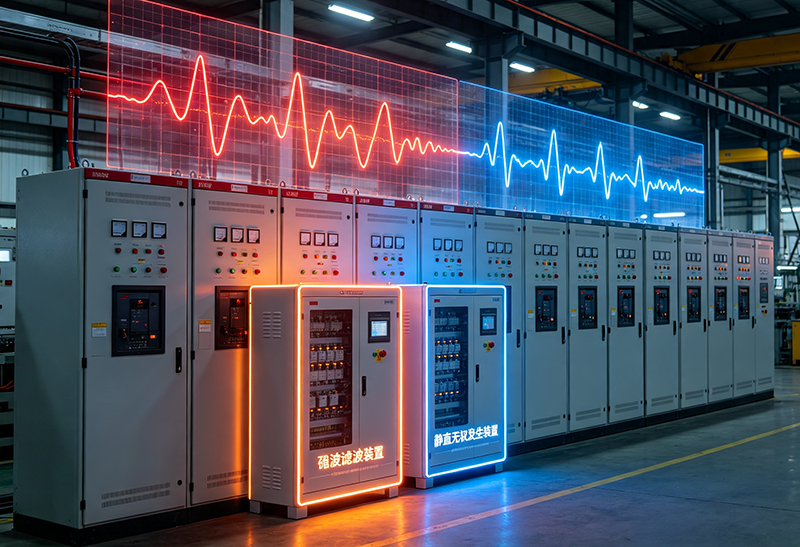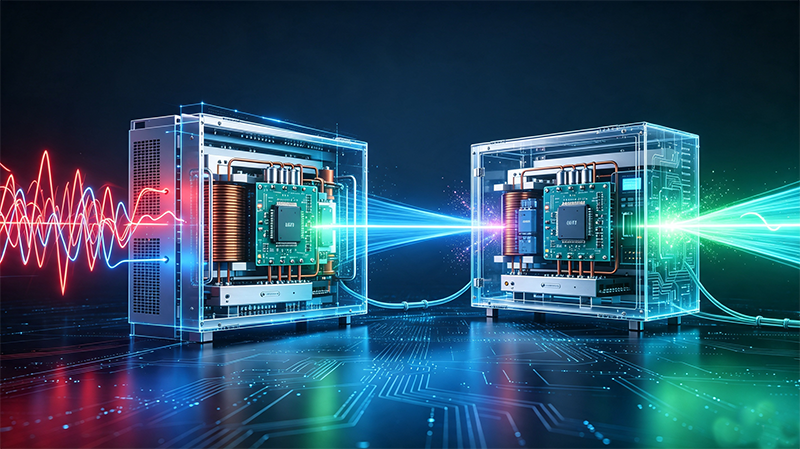
Saat para insinyur menelusuri “STATCOM vs SVG,” mereka sering kali menemui penjelasan yang bertentangan. Beberapa artikel mengatakan keduanya identik. Yang lain memperlakukannya sebagai teknologi yang sangat berbeda. Dalam sistem tenaga listrik dunia nyata, jawabannya lebih bernuansa.
Sebagai insinyur kualitas daya senior di CoEpower, Saya telah mengerjakan proyek kompensasi daya reaktif di seluruh pembangkit energi terbarukan, pabrik industri, gardu induk, pabrik baja, operasi penambangan, dan pusat data. Salah satu pertanyaan paling umum dari kontraktor EPC dan konsultan kelistrikan adalah:
“Haruskah kita menggunakan STATCOM atau SVG untuk proyek ini?"
Artikel ini menjelaskan perbedaan teknik praktis antara STATCOM dan SVG, termasuk prinsip pengoperasian, kecepatan respons, kemampuan dukungan tegangan, kinerja harmonis, pertimbangan biaya, dan aplikasi industri.
Apa itu STATCOM?
A Statcom (Kompensator Sinkron Statis) adalah FACTS berkinerja tinggi (Sistem Transmisi AC Fleksibel) perangkat yang digunakan untuk memberikan kompensasi daya reaktif dinamis dan pengaturan tegangan dalam jaringan listrik.
Sistem STATCOM biasanya digunakan:
- Konverter Sumber Tegangan (VSC)
- Modul daya IGBT
- Bank kapasitor DC
- Algoritma kontrol digital tingkat lanjut
- Transformator kopling
Tujuan utama dari STATCOM adalah untuk:
- Stabilkan tegangan jaringan
- Meningkatkan faktor daya
- Mengurangi kedipan tegangan
- Mendukung integrasi energi terbarukan
- Meningkatkan stabilitas sementara
- Memberikan kompensasi daya reaktif yang cepat
Prinsip pertukaran daya reaktif dapat disederhanakan sebagai:
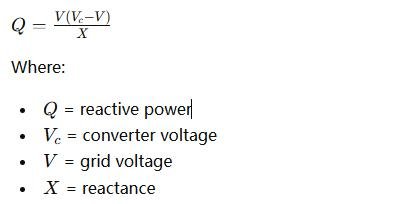
Ketika tegangan konverter melebihi tegangan sistem, daya reaktif kapasitif disuntikkan ke jaringan. Ketika lebih rendah, daya reaktif induktif diserap.
Apa itu SVG?
SVG adalah singkatan dari Generator Var Statis.
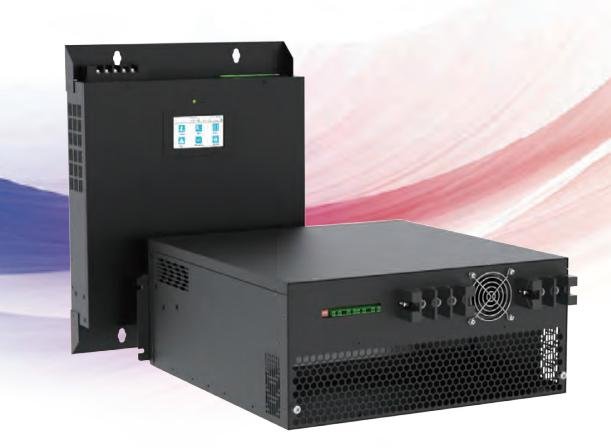
Di banyak pasar industri, terutama di Asia dan aplikasi kualitas daya tegangan rendah, SVG mengacu pada perangkat kompensasi daya reaktif dinamis berdasarkan teknologi VSC yang sama yang digunakan dalam sistem STATCOM.
Sistem SVG banyak digunakan untuk:
- Koreksi faktor daya
- Kompensasi Daya Reaktif
- Penekanan harmonik
- Koreksi ketidakseimbangan tiga fase
- Optimalisasi efisiensi energi
Dalam terminologi industri praktis:
- STATCOM umumnya dikaitkan dengan aplikasi tingkat tegangan menengah dan transmisi.
- SVG umumnya dikaitkan dengan sistem kompensasi industri bertegangan rendah.
Namun, secara teknis, kedua perangkat memiliki prinsip inti yang sangat mirip.
STATCOM vs SVG: Perbedaan Inti
Kebingungan terbesar di dunia maya adalah banyak situs web yang terlalu menyederhanakan hubungan.
Inilah realitas rekayasa:
| Fitur | Statcom | SVG |
|---|---|---|
| Nama lengkap | Kompensator Sinkron Statis | Generator var statis |
| Tingkat Tegangan Khas | Sedang & Tegangan Tinggi | Rendah & Tegangan Menengah |
| Aplikasi Utama | Stabilitas jaringan & pengaturan tegangan | Koreksi faktor daya industri |
| Teknologi | berbasis VSC | berbasis VSC |
| Kecepatan respons | Sangat cepat | Sangat cepat |
| Dukungan Tegangan Dinamis | Kuat | Sedang hingga kuat |
| Kompensasi Harmonik | Kemampuan tingkat lanjut | Umumnya terintegrasi |
| Instalasi Khas | Gardu utilitas, tanaman terbarukan | Pabrik, bangunan komersial |
| Kompleksitas Sistem | Lebih tinggi | Lebih rendah |
| Biaya | Lebih tinggi | Lebih ekonomis |
Banyak pabrikan menggunakan istilah ini secara bergantian karena keduanya mengandalkan elektronika daya dan injeksi daya reaktif waktu nyata.
Dari sudut pandang teknik:
- STATCOM lebih fokus pada stabilitas dinamis jaringan
- SVG lebih fokus pada kompensasi daya reaktif industri
Mengapa Bank Kapasitor Tradisional Tidak Lagi Cukup
Bank kapasitor konvensional masih ada di banyak pabrik, namun beban nonlinier modern menciptakan tantangan kualitas daya baru:
- Drive frekuensi variabel (VFDS)
- Tungku busur listrik
- Motor besar
- peralatan CNC
- Pusat data
- Stasiun pengisian EV
- Inverter surya
- Konverter turbin angin
Beban ini menghasilkan:
- Harmonisa
- Fluktuasi tegangan
- Perubahan daya reaktif yang cepat
- Berkedip
- Ketidakseimbangan tiga fase
Bank kapasitor tradisional tidak dapat merespons dengan cukup cepat.
Respon peralihan kapasitor yang khas:
- 5–20 detik
Respons khas SVG/STATCOM:
- Kurang dari 10 milidetik
Perbedaan kecepatan tersebut sangat penting dalam jaringan pintar modern dan proses industri berkecepatan tinggi.
STATCOM vs SVG dalam Sistem Energi Terbarukan
Energi terbarukan adalah salah satu aplikasi teknologi STATCOM yang tumbuh paling cepat.
Pembangkit listrik tenaga surya dan pembangkit listrik tenaga angin menciptakan kondisi daya reaktif yang tidak stabil karena pembangkitan terus berubah.
STATCOM membantu dengan:
- Mendukung jaringan yang lemah
- Menstabilkan tegangan PCC
- Memenuhi kode jaringan utilitas
- Mengurangi fluktuasi tegangan
- Meningkatkan ride-through bertegangan rendah (LVRT)
Untuk pembangkit listrik terbarukan berskala besar, STATCOM seringkali wajib.
Sistem SVG lebih umum digunakan:
- Tenaga surya atap komersial
- Sistem PV industri
- Proyek pembangkitan terdistribusi
Kemampuan Mitigasi Harmonis
Sistem SVG modern sering kali menyertakan fungsi kompensasi harmonis.
Hal ini memungkinkan mereka untuk menyediakan secara bersamaan:
- Kompensasi Daya Reaktif
- Penyaringan harmonik
- Load Balancing
Dalam banyak aplikasi tegangan rendah, Unit SVG terintegrasi dengan:
- Filter harmonik aktif (Ahf)
- Modul APF
- Sistem kompensasi hibrida
Sistem STATCOM juga dapat memitigasi harmonisa, terutama pada instalasi skala utilitas tingkat lanjut.
Waktu Respons STATCOM vs SVG
Salah satu keunggulan teknik yang paling penting adalah kecepatan respons dinamis.
respons<10MS
Kompensasi ultra cepat ini memungkinkan:
- Start motor stabil
- Pengurangan tegangan melorot
- Penindasan kedipan
- Peningkatan stabilitas sistem pengelasan
- Pengoperasian derek yang lebih baik
- Kinerja tungku busur yang stabil
Ini sangat penting dalam:
- Tanaman baja
- Fasilitas pertambangan
- Peralatan pelabuhan
- Industri petrokimia
Mana yang Lebih Baik: STATCOM atau SVG?
Pertanyaan yang benar bukanlah “Mana yang lebih baik?"
Pertanyaan teknik sebenarnya adalah:
“Mana yang lebih baik untuk lamaran Anda?"
Pilih STATCOM jika Anda membutuhkannya:
- Regulasi tegangan skala utilitas
- Dukungan jaringan transmisi
- Integrasi energi terbarukan
- Stabilisasi jaringan dinamis
- Kompensasi tegangan menengah/tinggi
- Dukungan jaringan lemah
Pilih SVG jika Anda membutuhkannya:
- Koreksi faktor daya industri
- Kompensasi daya reaktif yang cepat
- Peningkatan efisiensi energi pabrik
- Mitigasi harmonik
- Kompensasi reaktif tegangan rendah
- Biaya proyek lebih rendah
Aplikasi Khas Sistem SVG
SVG banyak digunakan di:
- Pabrik manufaktur
- Pabrik semikonduktor
- Pusat data
- Rumah sakit
- Bangunan komersial
- Sistem kereta metro
- Infrastruktur pengisian EV
- Fasilitas pengolahan air
Aplikasi ini memerlukan:
- Faktor daya stabil
- Mengurangi denda utilitas
- Rugi-rugi trafo yang lebih rendah
- Peningkatan efisiensi sistem
Aplikasi Khas Sistem STATCOM
STATCOM lebih umum di:
- Gardu utilitas
- Ladang angin
- Pembangkit listrik tenaga surya
- sistem HVDC
- Sistem traksi kereta api
- Jaringan penambangan
- Jaringan transmisi
Aplikasi ini diprioritaskan:
- Stabilitas tegangan
- Ketahanan jaringan
- Dukungan reaktif dinamis
- Kemampuan ride-through yang salah
Perbandingan Biaya STATCOM vs SVG
Biaya sangat bergantung pada:
- Tingkat tegangan
- Kapasitas kompensasi
- Persyaratan harmonik
- Lingkungan pemasangan
- Metode pendinginan
- Desain redundansi
Umumnya:
- Sistem SVG lebih ekonomis untuk proyek industri bertegangan rendah
- Sistem STATCOM lebih mahal karena infrastruktur tegangan menengah/tinggi
Namun, penghematan siklus hidup dari berkurangnya kehilangan energi dan penalti faktor daya dapat memberikan ROI yang cepat.
Tren Masa Depan: Konvergensi SVG dan STATCOM
Batasan antara SVG dan STATCOM menjadi semakin kabur.
Sistem modern sekarang digabungkan:
- Kompensasi reaktif
- Penyaringan harmonik
- Integrasi penyimpanan energi
- Manajemen kualitas daya berbasis AI
- Analisis jaringan waktu nyata
Banyak produsen sekarang memasarkan produk STATCOM bertegangan rendah sebagai sistem SVG dan sebaliknya.
Teknologi yang mendasarinya sedang menyatu menuju kecerdasan, digital, platform kualitas daya berkecepatan tinggi.
Pemikiran Akhir dari Insinyur CoEpower
Setelah bertahun-tahun pengalaman teknik lapangan, inilah penjelasan paling sederhana:
- STATCOM biasanya merupakan solusi tingkat jaringan
- SVG biasanya merupakan solusi tingkat industri
Keduanya menggunakan elektronika daya canggih untuk memecahkan masalah daya reaktif jauh lebih efektif dibandingkan bank kapasitor tradisional.
Jika proyek Anda melibatkan:
- Beban yang berubah dengan cepat
- Energi terbarukan
- Harmonisa
- Ketidakstabilan tegangan
- Faktor daya yang buruk
Maka teknologi SVG atau STATCOM kemungkinan merupakan arah yang tepat.
Di CoEpower, kami membantu kontraktor EPC, utilitas, dan fasilitas industri memilih solusi kompensasi daya reaktif yang optimal berdasarkan kondisi pengoperasian nyata—bukan terminologi pemasaran.
FAQ
Apakah SVG sama dengan STATCOM?
Secara teknis, keduanya menggunakan teknologi kompensasi reaktif berbasis VSC yang serupa. Namun, SVG umumnya digunakan untuk aplikasi industri tegangan rendah, sedangkan STATCOM lebih terkait dengan utilitas dan sistem tegangan menengah/tinggi.
Yang merespons lebih cepat: bank kapasitor atau SVG?
Sistem SVG merespons dalam milidetik, sementara bank kapasitor mungkin memerlukan beberapa detik.
Bisakah SVG mengurangi harmonik?
Ya. Banyak sistem SVG modern menyertakan kemampuan kompensasi harmonis.
Mengapa STATCOM digunakan pada pembangkit listrik tenaga surya?
STATCOM memberikan dukungan tegangan dinamis dan membantu pembangkit listrik terbarukan mematuhi persyaratan kode jaringan.
Apakah SVG meningkatkan faktor daya?
Ya. Sistem SVG secara dinamis mengkompensasi daya reaktif untuk mempertahankan faktor daya yang mendekati kesatuan.
Tag: statcom vs svg, arti statcom, svg listrik, Generator var statis, kompensator sinkron statis, kompensasi daya reaktif, Koreksi faktor daya, prinsip kerja statcom, svg vs bank kapasitor, kompensasi reaktif dinamis, solusi svg industri, statcom tegangan menengah, Solusi Kualitas Daya, mitigasi harmonik, stabilisasi tegangan, pemasok, produsen, pabrik, perusahaan, Cina, grosir, membeli, harga, kutipan, dalam jumlah besar, untuk dijual, perusahaan, saham, biaya.