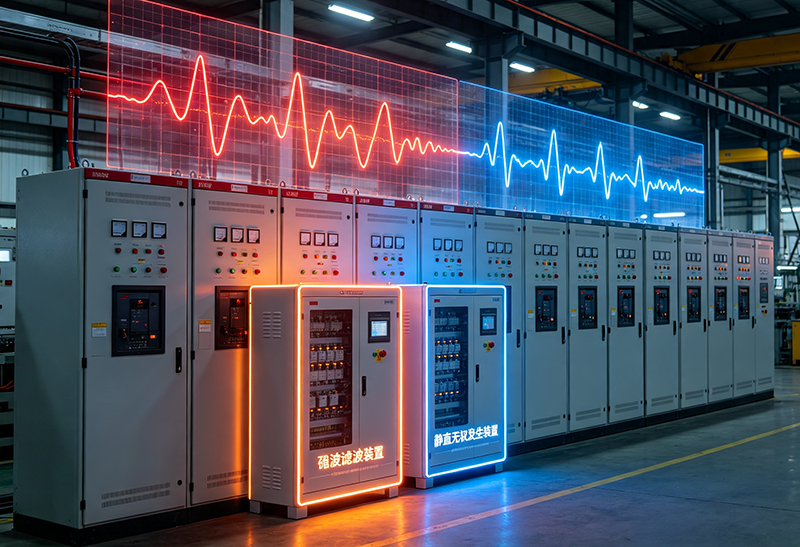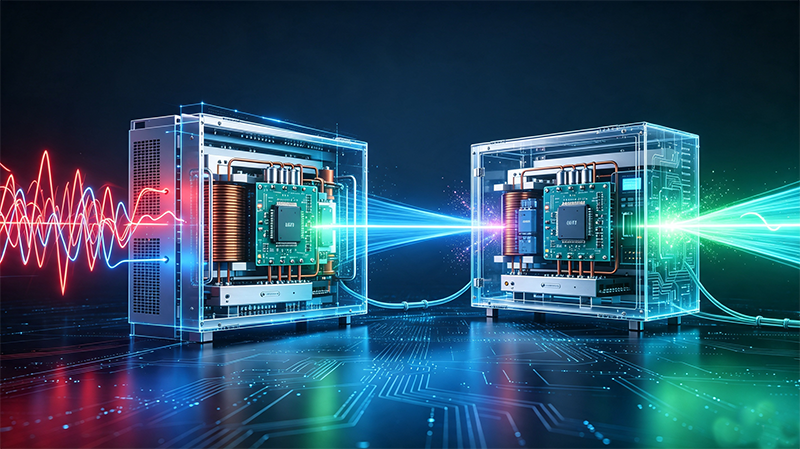
Dalam lingkungan industri modern, mempertahankan kualitas daya yang tinggi bukan lagi sebuah pilihan—hal ini sangat penting. Sebagai insinyur listrik senior di CoEpower, Saya telah melihat secara langsung bagaimana distorsi harmonis dapat mengganggu pengoperasian, merusak peralatan sensitif, dan meningkatkan biaya operasional.
Dua solusi yang paling banyak digunakan untuk mitigasi harmonik adalah Filter harmonik aktif (Ahf) dan Filter Penekanan Harmonik (HSF) (biasa disebut dengan filter harmonik pasif). Sedangkan keduanya bertujuan untuk mengurangi distorsi harmonik, mereka beroperasi secara berbeda dan disesuaikan untuk aplikasi yang berbeda.
Artikel ini memberikan penjelasan yang komprehensif, panduan praktis untuk membantu Anda memilih solusi yang tepat untuk sistem industri Anda.
Apa Itu Harmonisa dan Mengapa Penting?
Harmonisa adalah distorsi tegangan atau arus dalam sistem kelistrikan yang terutama disebabkan oleh beban non-linier seperti:
- Drive frekuensi variabel (VFDS)
- Penyearah dan inverter
- Sistem UPS
- Peralatan otomasi industri
Distorsi ini dapat menyebabkan:
- Trafo dan kabel terlalu panas
- Peningkatan kehilangan energi
- Kerusakan atau kegagalan peralatan
- Hukuman untuk ketidakpatuhan terhadap standar seperti IEEE 519
Mengelola harmonik secara efektif sangat penting untuk memastikan keandalan dan efisiensi sistem.
Apa itu filter harmonik aktif?
Filter harmonik aktif (Ahf) adalah perangkat elektronik canggih yang secara dinamis mendeteksi dan mengkompensasi arus harmonik secara real time.
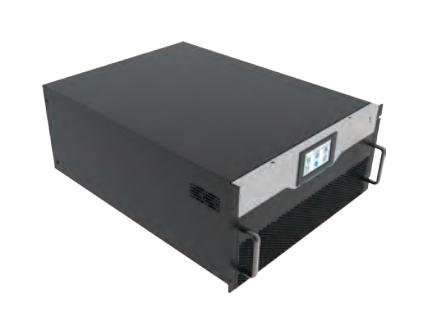
Fitur Utama AHF:
- Kompensasi harmonik waktu nyata
- Adaptif terhadap perubahan beban
- Mampu menyaring beberapa tatanan harmonik secara bersamaan
- Juga meningkatkan faktor daya dan menyeimbangkan beban
Cara Kerjanya:
AHF menggunakan elektronika daya (Konverter berbasis IGBT) untuk menyuntikkan arus penangkal ke dalam sistem, secara efektif menghilangkan harmonik.
Apa Itu Filter Penindasan Harmonik?
Filter Penindasan Harmonik (HSF), biasanya filter pasif, dirancang menggunakan kombinasi kapasitor, induktor, dan resistor disetel ke frekuensi harmonik tertentu.
Fitur Utama HSF:
- Kompensasi tetap untuk tatanan harmonik tertentu
- Biaya awal lebih rendah dibandingkan dengan AHF
- Struktur dan operasi sederhana
Cara Kerjanya:
HSF menyediakan jalur impedansi rendah untuk frekuensi harmonik yang ditargetkan, mengalihkannya dari sistem tenaga.
Filter Harmonik Aktif vs Filter Penekanan Harmonik: Perbedaan Utama
| Fitur | Filter harmonik aktif | Filter Penekanan Harmonik |
|---|---|---|
| Prinsip Kerja | Kompensasi dinamis waktu nyata | Penyetelan frekuensi tetap |
| Fleksibilitas | Tinggi (beradaptasi dengan perubahan beban) | Rendah (dirancang untuk harmonik tertentu) |
| Cakupan Harmonik | Jangkauan luas (beberapa pesanan) | Terbatas pada frekuensi yang disetel |
| Instalasi | Lebih kompleks | Lebih sederhana |
| Biaya | Investasi awal yang lebih tinggi | Biaya awal yang lebih rendah |
| Risiko Resonansi | Tidak ada | Kemungkinan masalah resonansi |
| Koreksi faktor daya | Ya (multifungsi) | Terbatas |
Kapan Anda Harus Memilih Filter Harmonik Aktif?
Dari pengalaman teknik saya, AHF adalah pilihan terbaik dalam skenario berikut:
1. Beban Sangat Variabel
Industri seperti manufaktur, pertambangan, dan pusat data sering kali mengalami beban yang berfluktuasi. AHF beradaptasi secara real time, menjadikannya ideal.
2. Persyaratan Kualitas Daya yang Ketat
Jika fasilitas Anda harus mematuhi IEEE 519 atau standar serupa, AHF memberikan kontrol harmonik yang tepat.
3. Profil Harmonik Kompleks
Ketika beberapa frekuensi harmonik hadir, AHF mengungguli filter pasif secara signifikan.
4. Kebutuhan akan Multi-Fungsi
AHF bisa:
- Kompensasi harmonik
- Faktor daya yang benar
- Menyeimbangkan beban tiga fasa
Hal ini menjadikannya solusi yang komprehensif.
Kapan Anda Harus Memilih Filter Penindasan Harmonik?
HSF (filter pasif) masih mempunyai tempat dalam sistem industri, khususnya dalam kasus-kasus ini:
1. Beban Stabil dan Dapat Diprediksi
Jika sistem Anda beroperasi dalam kondisi yang konsisten dengan frekuensi harmonik yang diketahui, filter pasif bisa efektif.
2. Kendala Anggaran
HSF lebih hemat biaya di muka, membuatnya cocok untuk proyek dengan anggaran terbatas.
3. Aplikasi Sederhana
Untuk sistem dengan harmonik dominan (MISALNYA., 5tanggal atau 7), filter pasif yang disetel dapat bekerja dengan baik.
Pertimbangan Biaya: Investasi Awal vs Jangka Panjang
Salah satu pertanyaan paling umum yang saya dapatkan dari klien adalah:
“Solusi mana yang lebih hemat biaya?"
Filter harmonik aktif:
- Biaya dimuka yang lebih tinggi
- Perawatan yang lebih rendah
- Penghematan energi seiring waktu
- Mengurangi risiko kegagalan peralatan
Filter Penekanan Harmonik:
- Biaya awal yang lebih rendah
- Potensi biaya tersembunyi (resonansi, detuning, ketidakefisienan)
- Mungkin memerlukan desain ulang jika kondisi sistem berubah
Wawasan Teknik:
Meskipun AHF mungkin tampak mahal pada awalnya, mereka sering kali memberikan ROI yang lebih baik dalam lingkungan industri yang dinamis.
Perbandingan Kinerja dan Keandalan
Filter harmonik aktif:
- Kinerja yang konsisten di bawah beban yang bervariasi
- Tidak ada masalah pelepasan
- Keandalan tinggi dalam sistem yang kompleks
Filter Penekanan Harmonik:
- Kinerja sangat bergantung pada stabilitas sistem
- Rentan terhadap resonansi dan kelebihan beban
- Efisiensi menurun jika parameter sistem berubah
Aplikasi Industri Khas
Aplikasi Filter Harmonik Aktif:
- Pusat data
- Tanaman baja
- Manufaktur otomotif
- Sistem Energi Terbarukan (surya/angin)
- Rumah Sakit dan fasilitas penting
Aplikasi Filter Penekanan Harmonik:
- Pabrik semen
- Fasilitas pengolahan air
- sistem HVAC
- Aplikasi motor berkecepatan tetap
Solusi Hibrid: Yang Terbaik dari Kedua Dunia?
Dalam beberapa kasus, menggabungkan kedua teknologi memberikan hasil yang optimal.
Sistem hybrid dapat digunakan:
- Filter pasif untuk reduksi harmonik massal
- Filter aktif untuk penyesuaian halus dan kompensasi dinamis
Pendekatan ini menyeimbangkan biaya dan kinerja secara efektif.
Daftar Periksa Seleksi Praktis
Saat memilih antara Filter Harmonik Aktif dan Filter Penindasan Harmonik, pertimbangkan hal berikut ini:
- Variabilitas beban (stabil vs dinamis)
- Kompleksitas spektrum harmonik
- Persyaratan kepatuhan (IEEE 519, standar IEC)
- Anggaran (biaya awal vs biaya siklus hidup)
- Kendala ruang dan pemasangan
- Rencana perluasan sistem di masa depan
Kesimpulan
Memilih antara Filter Harmonik Aktif dan Filter Penekan Harmonik bukan sekadar keputusan teknis—ini adalah investasi strategis dalam efisiensi fasilitas Anda, keandalan, dan kepatuhan.
Dari pengalaman saya di CoEpower, aturan umumnya adalah:
- Pilih Filter Harmonik Aktif untuk dinamis, kompleks, dan sistem berkinerja tinggi
- Pilih Filter Harmonic Suppression agar stabil, dapat diprediksi, dan aplikasi yang sensitif terhadap biaya
Jika sistem Anda berkembang atau diperkirakan akan berkembang, berinvestasi di AHF hampir selalu memberikan nilai jangka panjang yang lebih besar.
Tentang CoEpower
Di CoEpower, kami berspesialisasi dalam solusi kualitas daya tingkat lanjut, termasuk Filter Harmonik Aktif dan sistem mitigasi harmonik yang disesuaikan dengan kebutuhan industri.
Jika Anda tidak yakin solusi mana yang tepat untuk aplikasi Anda, berkonsultasi dengan insinyur berpengalaman dapat menghemat waktu dan biaya dalam jangka panjang.
Tag: Filter harmonik aktif, Filter Penekanan Harmonik, mitigasi harmonik, Solusi Kualitas Daya, sistem tenaga industri, filter distorsi harmonik, AHF vs filter pasif, solusi penyaringan harmonik, pemasok, produsen, pabrik, perusahaan, Cina, grosir, membeli, harga, kutipan, dalam jumlah besar, untuk dijual, perusahaan, saham, biaya.