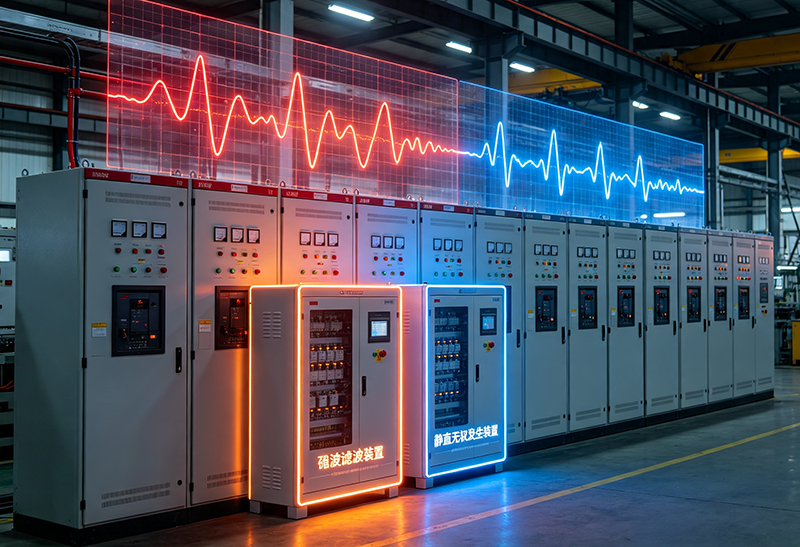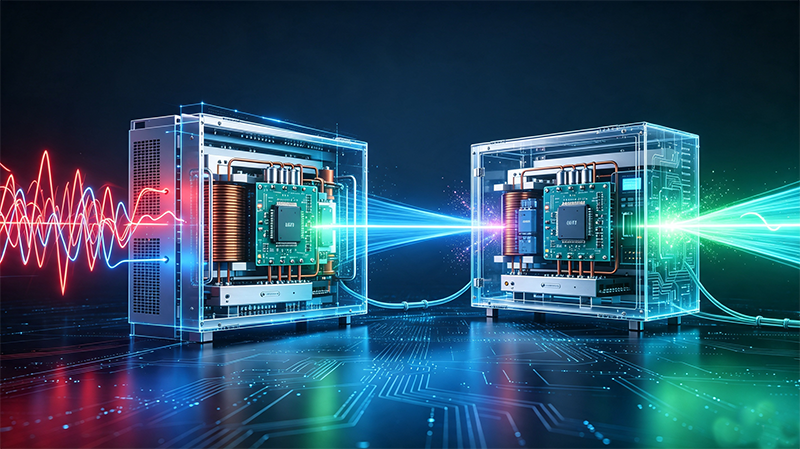
Nelle odierne industrie ad alta intensità energetica, garantire sistemi elettrici stabili ed efficienti è fondamentale. Dagli impianti di produzione ai data center, una scarsa qualità dell'energia, causata da armoniche e basso fattore di potenza, può portare a guasti delle apparecchiature, perdite di energia, e costosi tempi di inattività.
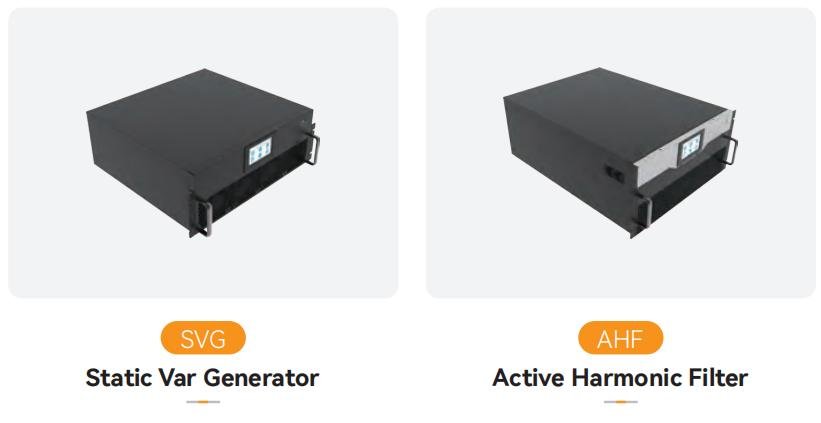
Al CoEpower, siamo specializzati nella fornitura di soluzioni avanzate per la qualità dell'energia, tra cui Filtri armonici attivi (Ahf) E Generatori Var statici (Svg). Una delle domande più comuni che ci pongono i nostri clienti è::
“Come dimensioniamo correttamente AHF e SVG per il nostro sistema?"
Questa guida fornisce una guida pratica, Approccio supportato dagli ingegneri, combinato con l'esperienza del mondo reale derivante dai progetti CoEpower, per aiutarti a prendere la decisione giusta.
Perché il dimensionamento accurato della capacità è fondamentale
Il dimensionamento improprio è uno degli errori più comuni nei progetti di Power Quality.
Sistema sottodimensionato
- Filtraggio armonico incompleto
- Il fattore di potenza rimane basso
- Rischi di surriscaldamento delle apparecchiature
Sistema sovradimensionato
- Investimento iniziale più elevato
- ROI inferiore
- Utilizzo inefficiente del sistema
Al CoEpower, sottolineiamo sempre la precisione + flessibilità, garantendo che ogni soluzione sia tecnicamente efficace ed economicamente vantaggiosa.
Calcolo della capacità AHF (Filtro armonico)
Cosa fa l'AHF?
Un filtro armonico attivo (Ahf) elimina dinamicamente le correnti armoniche generate da carichi non lineari come:
- Vfds
- Sistemi UPS
- Raddrizzatori
Metodo di calcolo passo dopo passo
1. Misurare la corrente di carico (IO)
Utilizza un analizzatore della qualità dell'energia per ottenere dati accurati in tempo reale.
2. Misurare il THDi (Distorsione armonica totale)
Ciò indica quanto è grave l'inquinamento armonico.
3. Calcolare la corrente armonica
Ih = I × THDi
Esempio:
- Corrente di carico = 100 UN
- THDi = 30%
Corrente armonica = 30 UN
4. Definire l'obiettivo di compensazione
Standard del settore:
80%–95% di mitigazione armonica
AHF richiesto = 30 A× 90% = 27 UN
5. Aggiungi margine tecnico
Al CoEpower, consigliamo:
+10% A 20% margine
Selezione finale:
30–35 AHF
CoEpower Insight
Le nostre soluzioni AHF modulari lo consentono:
- Espansione parallela
- Risposta dinamica < 5 SM
- Conformità con IEEE 519
Ciò garantisce scalabilità a lungo termine senza sovradimensionamento nella fase iniziale.
Calcolo della capacità SVG (Compensazione del potere reattivo)
Cosa fa SVG?
Un generatore di var statico (Svg) migliora il fattore di potenza compensando dinamicamente la potenza reattiva.
Calcolo passo dopo passo
1. Determinare la potenza attiva (P)
Esempio:
P = 100 kW
2. Identificare il fattore di potenza attuale
Esempio:
PF = 0.75
3. Imposta il fattore di potenza target
Obiettivo tipico:
PF ≥ 0.95
4. Applicare la formula
Q = P× (tanφ₁ − tanφ₂)
Risultato di esempio
Da PF 0.75 → 0.95
SVG richiesto ≈ 50–60 kVar
5. Aggiungi margine
SVG finale:
60–70 kvar
Vantaggio ingegneristico di CoEpower
Offerta di sistemi CoEpower SVG:
- Risposta rapida (<10 SM)
- Compensazione reattiva continua
- Prestazioni stabili sotto carichi variabili
AHF contro SVG: Di quale hai bisogno?
| Caratteristica | Ahf | Svg |
|---|---|---|
| Funzione | Mitigazione armonica | Correzione del fattore di potenza |
| Unità | UN | Sinistra |
| Risolve | Armoniche (Thdi) | Potenza reattiva |
| Ideale per | Carichi non lineari | Carichi induttivi |
In molti progetti del mondo reale, entrambe le questioni coesistono.
✔ Raccomandazione CoEpower:
Utilizzare un AHF ibrido + Soluzione SVG per la gestione completa della qualità dell'energia.
Scenari applicativi del mondo reale
Basato sull'esperienza del progetto CoEpower:
Impianti di produzione
- Utilizzo intensivo del VFD
- Armoniche elevate + PF basso
Data center
- Attrezzatura sensibile
- Requisiti rigorosi di qualità dell'energia
Impianti di trattamento delle acque
- Sistemi di pompaggio
- Funzionamento continuo
Sistemi di energia rinnovabile
- Invertitori solari
- Sfide di conformità alla rete
Approccio alla soluzione chiavi in mano di CoEpower
Al CoEpower, non forniamo solo prodotti: forniamo soluzioni complete:
✔ Analisi della qualità dell'energia in loco
Raccolta dati accurata utilizzando analizzatori avanzati
✔ Progettazione di sistemi personalizzati
Configurazione AHF/SVG personalizzata
✔ Architettura di prodotto modulare
Scalabile e a prova di futuro
✔ Esperienza di progetti globali
Successo comprovato in tutti i settori
Migliori pratiche per risultati ottimali
Per massimizzare le prestazioni del sistema:
- Eseguire sempre la misurazione sul posto
- Includere un margine di progettazione del 10–20%.
- Pianificare la futura espansione del carico
- Garantire la conformità con IEEE 519 / norme CEI
- Considera soluzioni integrate (Ahf + Svg)
Conclusione
Il corretto dimensionamento della capacità è il fondamento di qualsiasi soluzione di qualità dell'energia di successo.
- AHF = corrente armonica (UN)
- SVG = potenza reattiva (Sinistra)
- Precisione + margine = prestazione ottimale
Con l'approccio giusto e il partner giusto come CoEpower, puoi raggiungere i tuoi obiettivi:
✅Migliore efficienza energetica
✅ Costi operativi ridotti
✅ Maggiore affidabilità del sistema
Tag: Soluzione CoEpower AHF, Dimensionamento del filtro armonico attivo, Calcolo della capacità SVG, fornitore di soluzioni per la qualità dell'energia, Sistema di mitigazione armonica, compensazione della potenza reattiva kVar, ottimizzazione della qualità dell’energia industriale, Fornitori, produttori, fabbrica, azienda, Cina, all'ingrosso, acquistare, prezzo, preventivo, massa, in vendita, aziende, azione, costo.