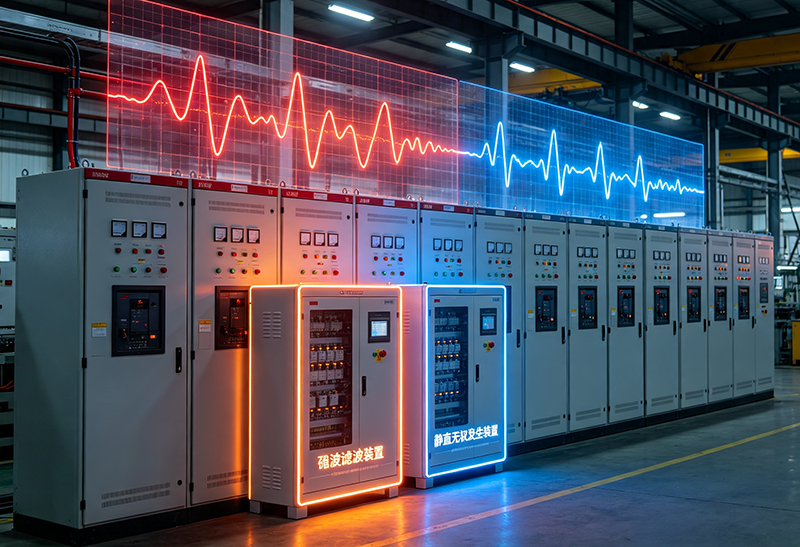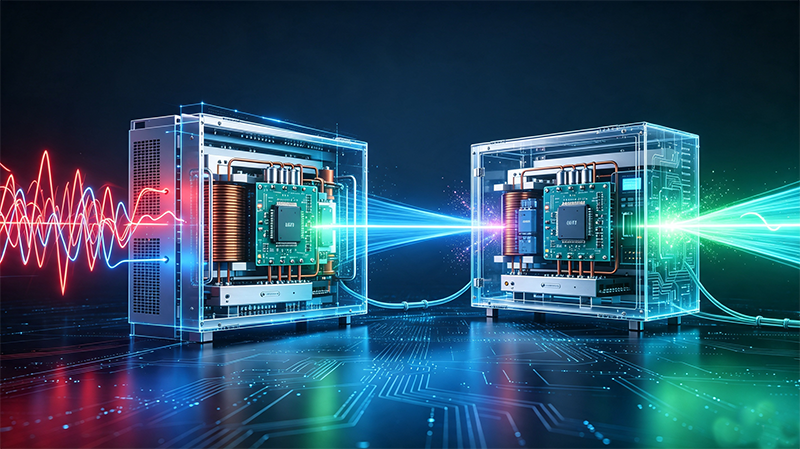
En entornos industriales modernos, Mantener una alta calidad de energía ya no es opcional: es fundamental. Como ingeniero eléctrico senior en CoEpower, He visto de primera mano cómo la distorsión armónica puede alterar las operaciones., equipos sensibles a daños, y aumentar los costos operativos.
Dos de las soluciones más utilizadas para la mitigación de armónicos son la Filtro armónico activo (AHF) y el filtro de supresión de armónicos (HSF) (comúnmente conocidos como filtros armónicos pasivos). Si bien ambos apuntan a reducir la distorsión armónica, funcionan de manera diferente y son adecuados para diferentes aplicaciones.
Este artículo proporciona una visión completa, Guía práctica para ayudarle a elegir la solución adecuada para su sistema industrial..
¿Qué son los armónicos y por qué son importantes??
Los armónicos son distorsiones de voltaje o corriente en sistemas eléctricos causadas principalmente por cargas no lineales como:
- Unidades de frecuencia variable (VFDS)
- Rectificadores e inversores
- Sistemas UPS
- Equipos de automatización industrial.
Estas distorsiones pueden conducir a:
- Sobrecalentamiento de transformadores y cables.
- Aumento de las pérdidas de energía.
- Mal funcionamiento o falla del equipo
- Sanciones por incumplimiento de estándares como IEEE 519
La gestión eficaz de los armónicos es esencial para garantizar la fiabilidad y la eficiencia del sistema..
¿Qué es un filtro armónico activo??
Un filtro armónico activo (AHF) es un dispositivo electrónico avanzado que detecta y compensa dinámicamente corrientes armónicas en tiempo real.
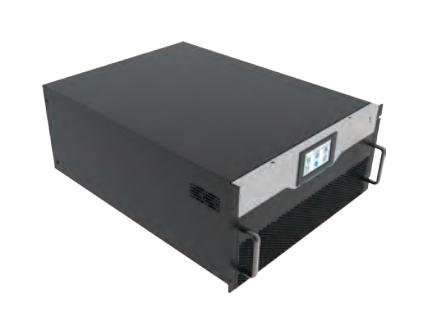
Características clave de la ICA:
- Compensación armónica en tiempo real
- Adaptable a los cambios de carga.
- Capaz de filtrar múltiples órdenes armónicos simultáneamente
- También mejora el factor de potencia y equilibra las cargas.
Cómo funciona:
Los AHF utilizan electrónica de potencia (Convertidores basados en IGBT) Inyectar corrientes contrarias al sistema., Cancelación efectiva de armónicos..
¿Qué es un filtro de supresión de armónicos??
Un filtro de supresión de armónicos (HSF), normalmente un filtro pasivo, Está diseñado utilizando combinaciones de condensadores., inductores, y resistencias sintonizadas a frecuencias armónicas específicas.
Características clave de HSF:
- Compensación fija para órdenes armónicas específicas.
- Menor costo inicial en comparación con los AHF
- Estructura y funcionamiento sencillos.
Cómo funciona:
Los HSF proporcionan rutas de baja impedancia para frecuencias armónicas específicas, desviándolos del sistema de energía.
Filtro de armónicos activo frente a filtro de supresión de armónicos: Diferencias clave
| Característica | Filtro armónico activo | Filtro de supresión de armónicos |
|---|---|---|
| Principio de trabajo | Compensación dinámica en tiempo real | Sintonización de frecuencia fija |
| Flexibilidad | Alto (se adapta a los cambios de carga) | Bajo (diseñado para armónicos específicos) |
| Cobertura armónica | Amplia gama (pedidos múltiples) | Limitado a frecuencias sintonizadas |
| Instalación | Más complejo | Más simple |
| Costo | Mayor inversión inicial | Costo inicial más bajo |
| Riesgo de resonancia | Ninguno | Posibles problemas de resonancia |
| Corrección del factor de potencia | Sí (multifunción) | Limitado |
¿Cuándo debería elegir un filtro armónico activo??
De mi experiencia en ingeniería, Los AHF son la mejor opción en los siguientes escenarios:
1. Cargas altamente variables
Industrias como la manufactura., minería, y los centros de datos a menudo experimentan cargas fluctuantes. Los AHF se adaptan en tiempo real, haciéndolos ideales.
2. Requisitos estrictos de calidad de energía
Si su instalación debe cumplir con IEEE 519 o estándares similares, Los AHF proporcionan un control armónico preciso.
3. Perfiles armónicos complejos
Cuando hay múltiples frecuencias armónicas presentes, Los AHF superan significativamente a los filtros pasivos.
4. Necesidad de multifuncionalidad
Los AHF pueden:
- Compensar armónicos
- factor de potencia correcto
- Equilibrio de cargas trifásicas
Esto los convierte en una solución integral..
¿Cuándo debería elegir un filtro de supresión de armónicos??
HSF (filtros pasivos) todavía tienen su lugar en los sistemas industriales, particularmente en estos casos:
1. Cargas estables y predecibles
Si su sistema opera en condiciones consistentes con frecuencias armónicas conocidas, Los filtros pasivos pueden ser efectivos..
2. Restricciones presupuestarias
Los HSF son más rentables desde el principio, haciéndolos adecuados para proyectos con presupuestos limitados.
3. Aplicaciones simples
Para sistemas con un armónico dominante (P.EJ., 5º o 7º), un filtro pasivo sintonizado puede funcionar bien.
Consideraciones de costos: Inversión inicial versus inversión a largo plazo
Una de las preguntas más comunes que recibo de los clientes es:
“¿Qué solución es más rentable??"
Filtro armónico activo:
- Mayor costo inicial
- Menor mantenimiento
- Ahorro de energía con el tiempo
- Riesgo reducido de falla del equipo
Filtro de supresión de armónicos:
- Menor costo inicial
- Posibles costos ocultos (resonancia, desafinación, ineficacia)
- Puede requerir rediseño si las condiciones del sistema cambian
Perspectiva de ingeniería:
Aunque los AHF pueden parecer caros al principio, a menudo ofrecen un mejor retorno de la inversión en entornos industriales dinámicos.
Comparación de rendimiento y confiabilidad
Filtro armónico activo:
- Rendimiento constante bajo cargas variables
- Sin problemas de desafinación
- Alta confiabilidad en sistemas complejos
Filtro de supresión de armónicos:
- El rendimiento depende en gran medida de la estabilidad del sistema
- Susceptible a resonancia y sobrecarga.
- La eficiencia disminuye si los parámetros del sistema cambian
Aplicaciones industriales típicas
Aplicaciones de filtro de armónicos activos:
- Centros de datos
- Plantas de acero
- Fabricación de automóviles
- Sistemas de energía renovable (solar/viento)
- Hospitales e instalaciones críticas
Aplicaciones de filtros de supresión de armónicos:
- Plantas de cemento
- Instalaciones de tratamiento de agua
- sistemas de climatización
- Aplicaciones de motores de velocidad fija
Soluciones híbridas: Lo mejor de ambos mundos?
En algunos casos, La combinación de ambas tecnologías proporciona resultados óptimos..
Un sistema híbrido puede utilizar:
- Filtros pasivos para reducción de armónicos masivos.
- Filtros activos para ajuste fino y compensación dinámica.
Este enfoque equilibra costos y rendimiento de manera efectiva.
Lista de verificación de selección práctica
Al elegir entre un filtro de armónicos activo y un filtro de supresión de armónicos, considere lo siguiente:
- variabilidad de carga (estable versus dinámico)
- Complejidad del espectro armónico
- Requisitos de cumplimiento (Ieee 519, Normas IEC)
- Presupuesto (costo inicial versus costo del ciclo de vida)
- Restricciones de espacio e instalación
- Planes futuros de expansión del sistema
Conclusión
Elegir entre un filtro activo de armónicos y un filtro de supresión de armónicos no es simplemente una decisión técnica: es una inversión estratégica en la eficiencia de sus instalaciones., fiabilidad, y cumplimiento.
De mi experiencia en CoEpower, la regla general es:
- Elija filtros armónicos activos para dinámica, complejo, y sistemas de alto rendimiento
- Elija filtros de supresión de armónicos para una estabilidad, previsible, y aplicaciones sensibles a los costos
Si su sistema está evolucionando o se espera que crezca, invertir en un AHF casi siempre proporcionará un mayor valor a largo plazo.
Acerca de CoEpower
En CoEpower, Nos especializamos en soluciones avanzadas de calidad de energía., incluidos filtros activos de armónicos y sistemas de mitigación de armónicos personalizados adaptados a las necesidades industriales.
Si no está seguro de qué solución es la adecuada para su aplicación, Consultar con ingenieros experimentados puede ahorrar tiempo y costos a largo plazo..
Etiquetas: Filtro armónico activo, Filtro de supresión de armónicos, mitigación armónica, Soluciones de calidad de potencia, sistemas de energía industriales, filtro de distorsión armónica, AHF vs filtro pasivo, soluciones de filtrado de armónicos, proveedor, fabricantes, fábrica, compañía, Porcelana, al por mayor, comprar, precio, cotización, a granel, a venta, empresas, existencias, costo.