Introduzione
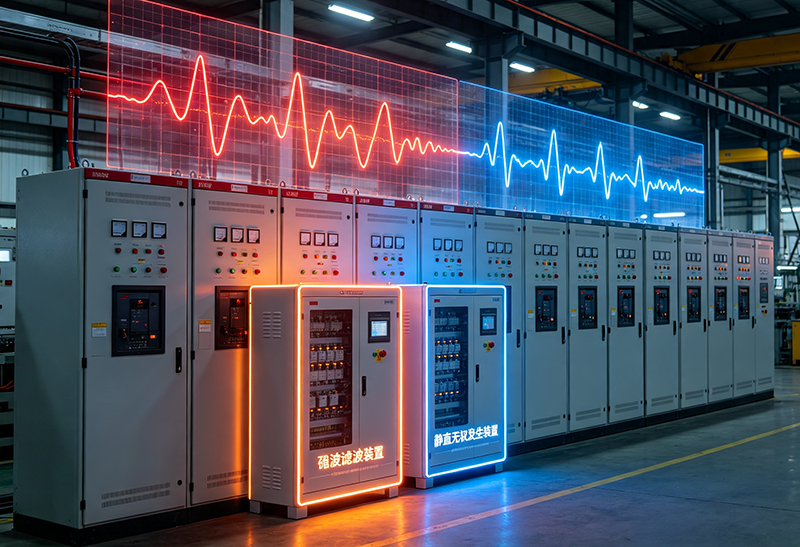
Nei moderni impianti industriali, L’efficienza energetica elettrica sta diventando sempre più importante. In qualità di ingegnere elettrico senior presso CoEpower, Incontro spesso fabbriche alle prese con un basso fattore di potenza, consumo eccessivo di potenza reattiva, sanzioni di utilità, fluttuazioni di tensione, e ridotta efficienza del sistema. Questi problemi non solo aumentano i costi dell’elettricità, ma influiscono anche sull’affidabilità e sulla durata delle apparecchiature critiche.
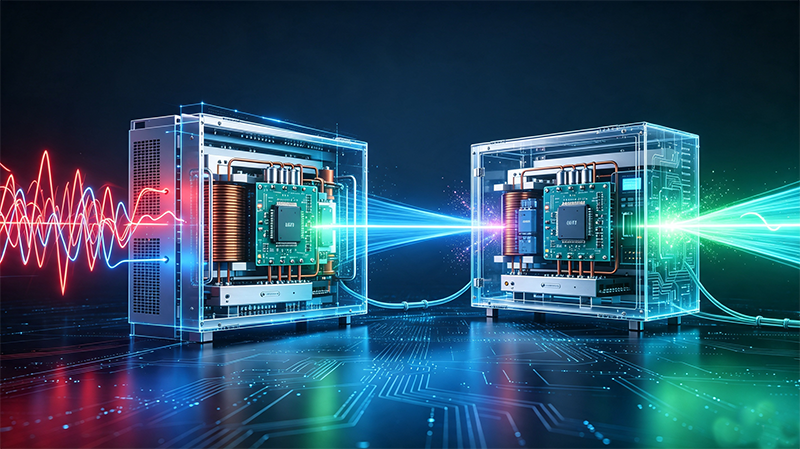
Un sistema di compensazione della potenza reattiva ben progettato può migliorare significativamente la qualità dell’energia, ridurre le perdite di energia, aumentare la capacità del sistema, e minori spese per le utenze. Se gestisci uno stabilimento di produzione, impianto minerario, acciaieria, stazione di trattamento dell'acqua, o centro dati, capire come progettare un efficace sistema di compensazione della potenza reattiva è essenziale.
Questo articolo fornisce una guida completa alla progettazione del sistema di compensazione della potenza reattiva, compresa l'analisi del carico, selezione dell'attrezzatura di compensazione, Mitigazione armonica, e soluzioni moderne come Generatori Var statici (SVG).
Comprendere la potenza reattiva negli impianti industriali
Prima di progettare un sistema di compensazione, è importante capire cos'è la potenza reattiva.
Carichi industriali come:
- Motori a induzione
- Trasformatori
- Macchine saldatrici
- Compressori
- Drive di frequenza variabile (Vfds)
- Apparecchiature HVAC
richiedono entrambe la potenza attiva (kW) e potenza reattiva (Sinistra).
La potenza attiva svolge un lavoro utile, mentre la potenza reattiva supporta i campi magnetici necessari per il funzionamento delle apparecchiature. Porta a una domanda eccessiva di potenza reattiva:
- Basso fattore di potenza
- Flusso di corrente più elevato
- Aumento del carico del trasformatore
- Maggiori perdite nel cavo
- Cadute di tensione
- Sanzioni sul fattore di potenza delle utenze
L’obiettivo della compensazione della potenza reattiva è fornire localmente la potenza reattiva necessaria anziché prelevarla dalla rete pubblica.
Fare un passo 1: Analizzare le caratteristiche del carico di fabbrica
Il primo passo nella progettazione di un sistema di compensazione è condurre un'indagine dettagliata sulla qualità dell'energia.
I parametri chiave da misurare includono:
Potenza attiva totale (kW)
Determinare la domanda di potenza attiva media e di picco della fabbrica.
Fattore di potenza esistente
Misura:
- Fattore di potenza medio
- Fattore di potenza al carico di punta
- Fattore di potenza minimo
La maggior parte delle utenze richiedono un fattore di potenza superiore 0.90 O 0.95.
Domanda di potenza reattiva (Sinistra)
Registrare il consumo di potenza reattiva in diverse condizioni operative.
Distorsione armonica
Misura:
- Thdi (Armoniche attuali)
- THDv (Armoniche di tensione)
Questo passaggio è fondamentale perché le armoniche influenzano notevolmente la scelta dell'attrezzatura di compensazione.
Variazione del carico
Valutare se i carichi lo sono:
- Costante
- Intermittente
- Cambiando rapidamente
I carichi dinamici spesso richiedono tecnologie di compensazione avanzate.
Fare un passo 2: Definire gli obiettivi retributivi
Fabbriche diverse hanno obiettivi diversi.
Gli obiettivi tipici includono:
Migliora il fattore di potenza
Per esempio:
PF attuale = 0.75
Obiettivo PF = 0.98
Ridurre le penalità di utilità
Molte aziende di servizi pubblici applicano penali quando il fattore di potenza scende al di sotto dei limiti contrattuali.
Capacità del trasformatore di rilascio
Il miglioramento del fattore di potenza riduce la domanda di corrente e aumenta efficacemente la capacità disponibile del trasformatore.
Stabilizzare la tensione
La compensazione della potenza reattiva aiuta a mantenere i livelli di tensione in tutto l'impianto.
Migliorare le prestazioni delle apparecchiature
Una migliore regolazione della tensione migliora l’efficienza del motore e l’affidabilità della produzione.
Fare un passo 3: Calcolare la compensazione della potenza reattiva richiesta
La capacità di compensazione richiesta può essere calcolata utilizzando:
Qc = P× (tanφ1 − tanφ2)
Dove:
- Qc = Compensazione richiesta (Sinistra)
- P = Potenza attiva (kW)
- φ1 = Angolo del fattore di potenza esistente
- φ2 = Angolo del fattore di potenza target
Esempio
Carico di fabbrica:
- Potenza attiva = 1000 kW
- PF esistente = 0.75
- Obiettivo PF = 0.98
tanφ1 = 0.882
tanφ2 = 0.203
Qc = 1000 × (0.882 − 0.203)
Qc = 679 Sinistra
Un sistema di compensazione di circa 680 è richiesto kVAR.
In pratica, gli ingegneri in genere aggiungono un margine di progettazione del 10%–20%.
Fare un passo 4: Seleziona la tecnologia di compensazione appropriata
Sono disponibili diverse tecnologie per la compensazione della potenza reattiva.
Banchi di condensatori fissi
Adatto per:
- Carichi costanti
- Condizioni operative stabili
Vantaggi:
- Basso costo
- Installazione semplice
Limitazioni:
- Nessuna regolazione automatica
- Rischio di sovracompensazione
Correzione automatica del fattore di potenza (APFC) Banche di condensatori
Adatto per:
- Carichi industriali variabili
Vantaggi:
- Commutazione automatica
- Migliore controllo del fattore di potenza
- Conveniente
Applicazioni:
- Impianti di produzione
- Impianti di trattamento dell'acqua
- Edifici commerciali
Condensatore commutato a tiristore (TSC)
Adatto per:
- Carichi che cambiano rapidamente
Vantaggi:
- Risposta rapida
- Nessun transitorio di commutazione
Applicazioni:
- Impianti di saldatura
- Acciaierie
- Laminatoi
Generatore VAR statico (Svg)
La tecnologia SVG rappresenta la soluzione di compensazione della potenza reattiva più avanzata oggi disponibile.
Vantaggi:
Risposta rapida
Tempo di risposta in genere inferiore a 10 millisecondi.
Compensazione precisa
Regola continuamente l'output in base ai requisiti di sistema.
Compensazione capacitiva e induttiva
A differenza dei condensatori tradizionali, SVG può sia generare che assorbire potenza reattiva.
Prestazioni eccellenti con carichi bassi
Mantiene un'elevata precisione di compensazione in tutte le condizioni operative.
Capacità di soppressione armonica
Molti sistemi SVG forniscono funzioni di filtraggio armoniche limitate.
Applicazioni:
- Industria mineraria
- Data center
- Impianti di semiconduttori
- Sistemi di energia rinnovabile
- Impianti di produzione industriale
Al CoEpower, Le soluzioni SVG stanno diventando sempre più la scelta preferita per i moderni progetti di rifasamento industriale.
Fare un passo 5: Considera le condizioni armoniche
Molte fabbriche oggi utilizzano:
- Drive di frequenza variabile
- Sistemi UPS
- Raddrizzatori
- Servoazionamenti
Questi dispositivi generano armoniche che possono danneggiare i banchi di condensatori.
I potenziali problemi includono:
- Surriscaldamento del condensatore
- Risonanza
- Guasto dell'attrezzatura
- Surriscaldamento del trasformatore
Perciò, l’analisi armonica è essenziale.
Quando sono presenti le armoniche
Banchi di condensatori desintonizzati
I reattori vengono aggiunti ai banchi di condensatori per evitare risonanza.
Frequenze tipiche di sintonizzazione:
- 189 Hz
- 210 Hz
Ampiamente usato nelle applicazioni industriali.
Filtri armonici attivi (Ahf)
Per strutture con distorsione armonica significativa, Spesso si consigliano i filtri armonici attivi.
Benefici:
- Eliminazione armonica dinamica
- Compensazione del potere reattivo
- Migliore qualità dell'energia
Svg + Soluzioni ibride AHF
Le fabbriche moderne spesso si schierano:
- SVG per la compensazione della potenza reattiva
- AHF per il filtraggio armonico
Questa combinazione fornisce un miglioramento completo della qualità dell'energia.
Fare un passo 6: Determinare la posizione di installazione della compensazione
La compensazione può essere installata a diversi livelli.
Compensazione centralizzata
Installato sul quadro di distribuzione principale.
Vantaggi:
- Costi di investimento inferiori
- Manutenzione più semplice
Meglio per:
- Fabbriche medio-piccole
Compensazione di gruppo
Installato nei quadri di distribuzione secondaria.
Vantaggi:
- Migliore supporto di tensione
- Perdite di alimentazione ridotte
Meglio per:
- Grandi impianti di produzione
Compensazione individuale
Installato direttamente su motori o apparecchiature.
Vantaggi:
- Massima efficienza
Meglio per:
- Grandi motori a funzionamento continuo
Fare un passo 7: Progettare sistemi di monitoraggio e controllo
Un moderno sistema di compensazione dovrebbe includere:
Monitoraggio della qualità dell'energia
Monitorare:
- Fattore di potenza
- Voltaggio
- Attuale
- Armoniche
- Potenza reattiva
Interfacce di comunicazione
I protocolli comuni includono:
- ModBus RTU
- ModBus TCP
- Ethernet
Monitoraggio remoto
Gli operatori di fabbrica possono monitorare le prestazioni del sistema in tempo reale tramite SCADA o sistemi di gestione dell'energia (SME).
Fare un passo 8: Valutare i requisiti di espansione futura
Un errore di progettazione comune è quello di dimensionare i sistemi di compensazione solo per i carichi correnti.
Le fabbriche spesso espandono la capacità produttiva.
Gli ingegneri dovrebbero:
- Riservare spazio nel pannello
- Riservare capacità di comunicazione
- Progettata per una crescita futura del carico del 20%–30%.
Ciò evita costosi aggiornamenti futuri.
Errori di progettazione comuni da evitare
Sovracompensazione
Una compensazione eccessiva può creare problemi di fattore di potenza.
Ignorare le armoniche
I condensatori installati senza studi armonici spesso si guastano prematuramente.
Compensazione sottodimensionata
Una compensazione insufficiente non riesce a raggiungere il fattore di potenza target.
Scelta dei condensatori tradizionali per carichi dinamici
Le rapide fluttuazioni del carico richiedono la tecnologia SVG o TSC.
Mancanza di monitoraggio
Senza monitoraggio, il degrado delle prestazioni potrebbe passare inosservato.
Perché la tecnologia SVG sta diventando la soluzione preferita
Il contesto energetico industriale sta cambiando rapidamente.
Le fabbriche utilizzano sempre più:
- Sistemi di automazione
- Motori azionati da VFD
- Robotica
- Integrazione delle energie rinnovabili
I banchi di condensatori tradizionali spesso faticano a soddisfare i moderni requisiti di compensazione.
Offerta Generatori Var Statici:
- Risposta istantanea
- Elevata precisione di compensazione
- Nessuna sovracompensazione
- Controllo bidirezionale della potenza reattiva
- Compatibilità con ambienti ricchi di armoniche
Di conseguenza, La tecnologia SVG è diventata la soluzione preferita per molti progetti di qualità dell'energia industriale in tutto il mondo.
Conclusione
La progettazione di un sistema efficace di compensazione della potenza reattiva richiede una conoscenza approfondita delle caratteristiche del carico di fabbrica, requisiti del fattore di potenza, condizioni armoniche, e futuri piani di espansione.
Un sistema adeguatamente progettato può:
- Ridurre i costi dell'elettricità
- Eliminare le penalità relative al fattore di potenza
- Migliorare la stabilità della tensione
- Aumentare la capacità del trasformatore
- Prolungare la durata delle apparecchiature
- Migliorare la qualità complessiva dell'energia
Mentre i banchi di condensatori tradizionali rimangono adatti per determinate applicazioni, i moderni impianti industriali beneficiano sempre più di soluzioni avanzate come i generatori Static Var (SVG) e filtri armonici attivi (Ahfs).
Al CoEpower, siamo specializzati nella fornitura di soluzioni personalizzate di compensazione della potenza reattiva su misura per le esigenze specifiche del settore industriale, minerario, commerciale, e applicazioni di utilità. Attraverso l'analisi professionale della qualità dell'energia e tecnologie di compensazione avanzate, aiutiamo i clienti a raggiungere una maggiore efficienza, minori costi operativi, e sistemi elettrici più affidabili.
Tag di parole chiave
Sistema di compensazione della potenza reattiva, Correzione del fattore di potenza, Compensazione della potenza reattiva di fabbrica, Generatore VAR statico, Correzione del fattore di potenza SVG, Qualità dell'energia industriale, Banco di condensatori automatico, Filtro armonico attivo, Progettazione della compensazione della potenza reattiva, Miglioramento del fattore di potenza, Mitigazione armonica, Risparmio Energetico Industriale, Sistema di distribuzione elettrica, Soluzione SVG CoEpower, Efficienza energetica in fabbrica, Fornitori, produttori, fabbrica, azienda, Cina, all'ingrosso, acquistare, prezzo, preventivo, massa, in vendita, aziende, azione, costo.