1. Introduzione: Perché la potenza reattiva è importante nelle acciaierie
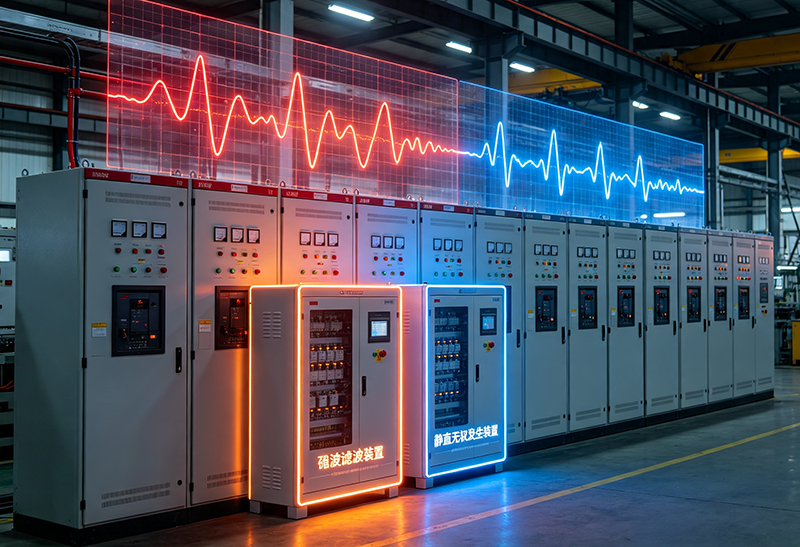
Le acciaierie sono tra gli impianti industriali a maggior consumo energetico al mondo. Dai forni elettrici ad arco (EAF) e laminatoi, azionamenti di grandi motori e sistemi di saldatura, il profilo di carico è altamente dinamico, non lineare, e fortemente induttivo.
In qualità di ingegnere elettrico senior presso Coepower, Ho visto in prima persona a cosa porta la potenza reattiva non gestita:
- Forti fluttuazioni di tensione
- Sanzioni per basso fattore di potenza
- Trasformatori e cavi sovraccarichi
- Aumento delle perdite di energia
- Durata dell'attrezzatura ridotta
- Instabilità nel funzionamento del forno
Al centro di queste questioni c’è un concetto fondamentale dell’ingegneria elettrica: Compensazione del potere reattivo, una parte fondamentale del più ampio campo della compensazione della potenza reattiva.
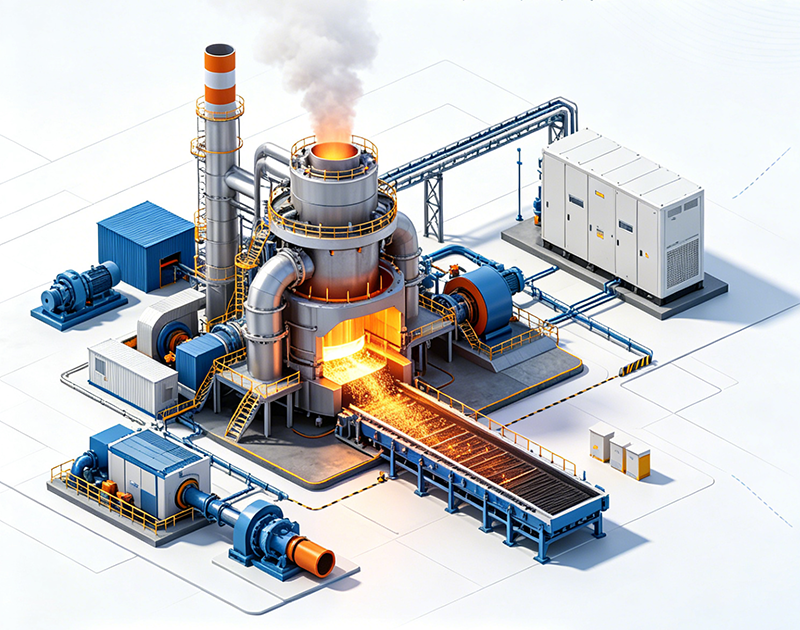
Per risolvere queste sfide nelle moderne acciaierie, i tradizionali banchi di condensatori non sono più sufficienti. Il settore sta rapidamente passando a soluzioni dinamiche come Generatore VAR statico (Svg), noto anche come generatore di var statico (Svg).
2. Comprensione della potenza reattiva nelle operazioni degli impianti siderurgici
2.1 Cos'è la potenza reattiva?
Nei sistemi AC, l'energia elettrica è suddivisa in:
- Potenza attiva (kW): Esegue un lavoro utile
- Potenza reattiva (Sinistra): Supporta campi magnetici in carichi induttivi
- Potenza apparente (kva): Somma vettoriale di entrambi
Le acciaierie sono dominate da apparecchiature induttive come:
- Forni ad arco
- Motori a induzione
- Grandi trasformatori
- Sistemi di trasporto
Questi carichi consumano grandi quantità di potenza reattiva, causando uno scarso fattore di potenza.
2.2 Perché le acciaierie sono altamente sensibili
A differenza degli edifici commerciali, esperienza negli impianti siderurgici:
- Rapide fluttuazioni del carico (in particolare i cicli di fusione EAF)
- Sbalzi di corrente improvvisi
- Frequente instabilità dell'arco
- Armoniche non lineari da convertitori e azionamenti
Ciò rende inefficaci i tradizionali sistemi di compensazione fissa.
3. Limitazioni dei banchi di condensatori tradizionali
Molte acciaierie si affidano ancora ai banchi di condensatori per il rifasamento. Tuttavia, presentano notevoli inconvenienti:
3.1 Ritardo della risposta al passo
I banchi di condensatori commutano in passi discreti. I carichi di un'acciaieria cambiano in millisecondi, mentre la commutazione dei condensatori è lenta.
3.2 Rischio di sovracompensazione
Quando il carico diminuisce improvvisamente (PER ESEMPIO., pausa del forno), i condensatori potrebbero sovracompensare, causando:
- Sovratensione
- Risonanza del sistema
- Stress dell'attrezzatura
3.3 Amplificazione armonica
I condensatori possono interagire con le armoniche del sistema, amplificando la distorsione e potenzialmente danneggiando le apparecchiature.
3.4 Usura meccanica
La commutazione frequente comporta l'usura del contattore e costi di manutenzione.
4. Tecnologia SVG: La soluzione moderna
4.1 Cos'è un sistema SVG?
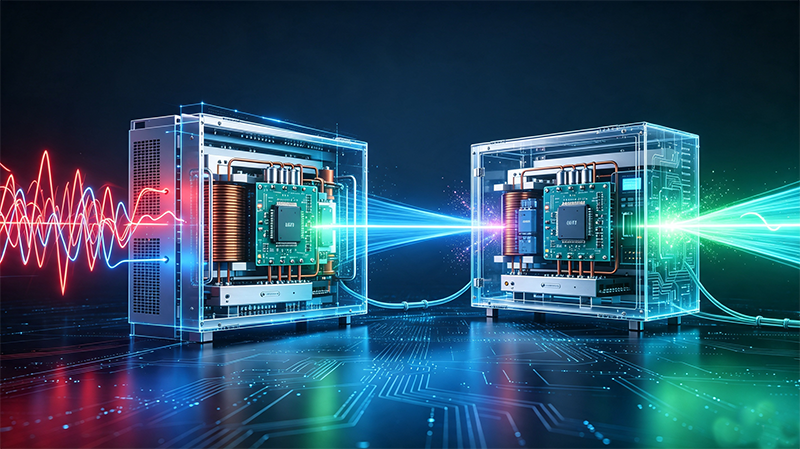
UN Generatore VAR statico (Svg) è un dispositivo elettronico di potenza che genera o assorbe dinamicamente potenza reattiva in tempo reale.
A differenza dei banchi di condensatori, SVG utilizza la tecnologia inverter basata su IGBT per rispondere in pochi millisecondi.
Di conseguenza, SVG fornisce:
- Compensazione continua della potenza reattiva
- Risposta dinamica veloce
- Supporto VAR bidirezionale
- Regolazione stabile della tensione
4.2 Come funziona SVG nelle acciaierie
Il principio di funzionamento si basa sul rilevamento della corrente in tempo reale:
- I trasformatori di corrente monitorano la domanda di carico
- Il controller calcola il fabbisogno di potenza reattiva
- L'inverter IGBT genera corrente di compensazione
- La potenza reattiva viene iniettata o assorbita istantaneamente
Questo sistema a circuito chiuso garantisce una correzione del fattore di potenza quasi perfetta.
5. Perché le acciaierie hanno bisogno di SVG più di qualsiasi altro settore
Dalla nostra esperienza ingegneristica presso CoEpower, le acciaierie rappresentano uno degli ambienti più impegnativi per la qualità dell’energia.
5.1 Forno ad arco elettrico (EAF) Instabilità
Gli EAF creano:
- Oscillazioni improvvise del carico
- Cicli di estinzione/riaccensione dell'arco
- Forti sfarfallio e cali di tensione
SVG compensa queste fluttuazioni in tempo reale, funzionamento del forno di stabilizzazione.
5.2 Azionamenti per motori di laminatoi
Causa motori di grandi dimensioni:
- Fattore di potenza ritardato durante l'avvio
- Corrente di spunto elevata
- Domanda reattiva continua
SVG garantisce una compensazione uniforme sia durante l'avvio che durante il funzionamento a regime.
5.3 Interazione armonica
Utilizzo delle moderne acciaierie:
- Azionamenti a frequenza variabile (Vfds)
- Raddrizzatori
- Invertitori
Questi generano armoniche che distorcono il sistema di alimentazione. I sistemi SVG avanzati includono funzionalità di filtraggio armonico per mitigare la distorsione.
6. Principali vantaggi dell'SVG nelle acciaierie
6.1 Risposta dinamica ultraveloce
SVG risponde in meno di 5 millisecondi, rendendolo ideale per le fluttuazioni del forno ad arco.
6.2 Controllo preciso del fattore di potenza
Mantiene il fattore di potenza prossimo all'unità (0.99–1.0), riducendo significativamente le sanzioni per i servizi pubblici.
6.3 Miglioramento della stabilità della tensione
Iniettando potenza reattiva localmente, SVG stabilizza la tensione del bus e riduce lo sfarfallio.
6.4 Perdite di energia ridotte
Significa corrente reattiva inferiore:
- Perdite I²R ridotte
- Riscaldamento inferiore del trasformatore
- Maggiore efficienza del cavo
6.5 Design modulare e scalabile
I sistemi SVG possono essere distribuiti in unità modulari, consentendo un'espansione graduale al crescere della capacità dell'impianto.
7. SVG e banco di condensatori nelle applicazioni per impianti siderurgici
| Caratteristica | Banca dei condensatori | Sistema SVG |
| Velocità di risposta | Lento (Secondi) | Ultraveloce (millisecondi) |
| Controllare | Basato su passaggi | Dinamica continua |
| Manipolazione armonica | Povero | Eccellente |
| Sovra/sottocompensazione | Comune | Eliminato |
| Manutenzione | Alto | Basso |
| Idoneità per impianti siderurgici | Limitato | Ideale |
8. Considerazioni sulla progettazione tecnica per la distribuzione di SVG
In qualità di ingegnere senior di CoEpower, Raccomando di considerare quanto segue durante la progettazione del sistema:
8.1 Analisi del carico
Deve essere incluso un profilo di carico dettagliato:
- Cicli di lavoro del forno
- Schemi di avvio/arresto del motore
- Periodi di punta della domanda
8.2 Ambiente Armonico
Prima dell'installazione di SVG, misura:
- Distorsione armonica totale (Thd)
- Spettro di frequenza
- Punti di risonanza
8.3 Selezione della capacità del sistema
La capacità SVG è generalmente progettata come:
- 30%–70% del carico reattivo di picco per le acciaierie
- Potrebbe essere necessario un sovradimensionamento per le operazioni pesanti di EAF
8.4 Integrazione con sistemi esistenti
SVG può essere integrato con:
- Banchi di condensatori (sistemi ibridi)
- Sistemi SCADA
- Piattaforme di gestione dell'energia
9. Strategia di compensazione ibrida (Migliori pratiche)
In molte acciaierie, la soluzione ottimale non è solo SVG ma una configurazione ibrida:
- SVG gestisce le fluttuazioni dinamiche rapide
- I banchi di condensatori gestiscono il carico reattivo stazionario
Questa combinazione riduce i costi massimizzando le prestazioni.
10. Tendenze future nella tecnologia SVG
Il futuro della compensazione della potenza reattiva nelle acciaierie si sta avviando:
10.1 Previsione del carico basata sull'intelligenza artificiale
I sistemi SVG prevedono i cambiamenti di carico prima che si verifichino.
10.2 Integrazione del gemello digitale
Simulazione in tempo reale dei sistemi energetici degli impianti per l'ottimizzazione.
10.3 Dispositivi multifunzione per la qualità dell'energia
Le future unità SVG si combineranno:
- Filtraggio armonico
- Regolazione della tensione
- Correzione dello squilibrio
- Compensazione reattiva
11. Conclusione
Gli impianti siderurgici richiedono una delle soluzioni di qualità dell'energia più robuste e intelligenti oggi disponibili. I banchi di condensatori tradizionali non sono più in grado di soddisfare le esigenze dinamiche della moderna produzione di acciaio.
L'adozione di Generatore VAR statico (Svg) la tecnologia fornisce:
- Controllo della potenza reattiva in tempo reale
- Stabilità della tensione migliorata
- Costi operativi ridotti
- Maggiore affidabilità delle apparecchiature
Dal punto di vista ingegneristico a Coepower, SVG non è più un aggiornamento opzionale: è un componente fondamentale della moderna infrastruttura elettrica dell'acciaieria.
Poiché i sistemi industriali continuano ad evolversi verso una maggiore automazione ed efficienza energetica, La compensazione della potenza reattiva basata su SVG rimarrà fondamentale per raggiungere la stabilità, efficiente, e produzione sostenibile dell’acciaio.
Parole chiave
Compensazione del potere reattivo, Sistema SVG, Generatore VAR statico, qualità dell’energia nelle acciaierie, Correzione del fattore di potenza, mitigazione delle armoniche, efficienza energetica industriale, stabilità di tensione, Soluzione CoEpower SVG, compensazione dinamica reattiva, Fornitori, produttori, fabbrica, azienda, Cina, all'ingrosso, acquistare, prezzo, preventivo, massa, in vendita, aziende, azione, costo.