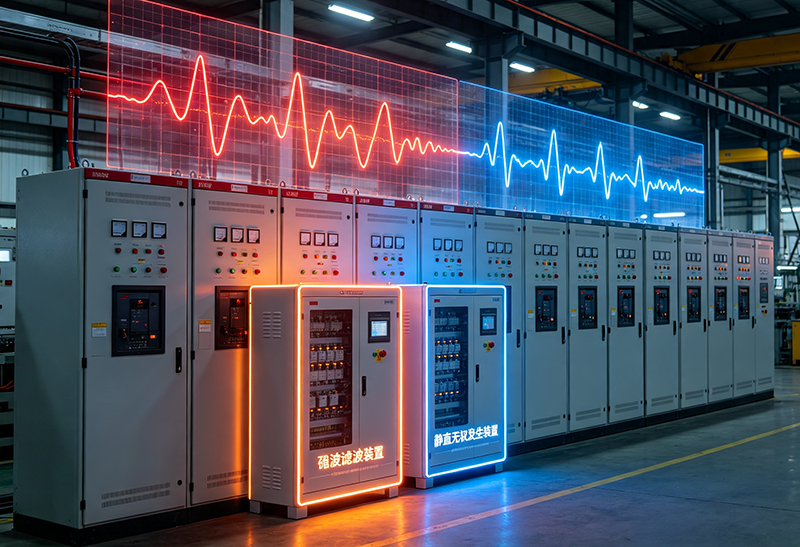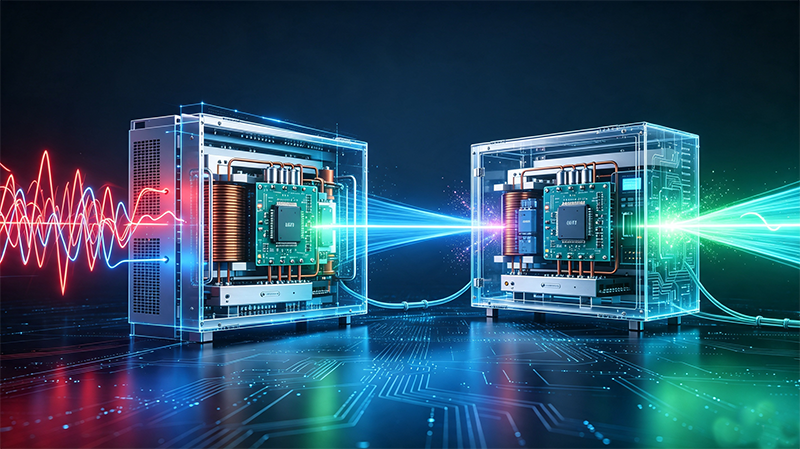
Introduzione: Perché la correzione del fattore di potenza è importante nei data center
In qualità di ingegnere elettrico senior presso CoEpower, Ho trascorso anni a progettare e ottimizzare sistemi di qualità dell'energia per strutture industriali e data center. Una sfida ricorrente nelle infrastrutture moderne è mantenere una struttura stabile ed efficiente fattore di potenza (Pf) sotto carichi altamente dinamici.
Data center, in particolare, sono ambienti estremamente sensibili. Con la rapida commutazione dei sistemi UPS, carichi del server, sistemi di raffreddamento, ed elettronica di potenza, la richiesta di potenza reattiva fluttua costantemente. Uno scarso fattore di potenza porta a:
- Bollette elettriche in aumento a causa delle sanzioni dei servizi pubblici
- Perdite più elevate nel trasformatore e nel cavo
- Capacità del sistema ridotta
- Instabilità di tensione in condizioni di carico dinamico
Tradizionalmente, banchi di condensatori sono stati utilizzati per il rifasamento. Tuttavia, con la crescente complessità dei carichi moderni, Svg (Generatore VAR statico) la tecnologia sta diventando la soluzione preferita nei data center avanzati.
Questo articolo fornisce un approfondito confronto tecnico e pratico di SVG e banchi di condensatori, aiutare ingegneri e facility manager a prendere decisioni informate.
Comprendere la correzione del fattore di potenza (PFC)
Il fattore di potenza è il rapporto tra la potenza reale (kW) e potenza apparente (kva). Idealmente, questo valore dovrebbe essere il più vicino possibile a 1.0 possibile.
La maggior parte dei data center funziona con carichi induttivi e non lineari, che introducono:
- Potenza reattiva in ritardo (carichi induttivi come i trasformatori, motori, refrigeratori)
- Distorsione armonica (dai sistemi UPS, raddrizzatori, server)
Il rifasamento mira a compensare la potenza reattiva (Sinistra) localmente a:
- Migliorare l'efficienza del sistema
- Ridurre le perdite di trasmissione
- Liberare capacità elettrica
- Evita sanzioni di utilità
Ci sono due tecnologie dominanti utilizzate oggi:
- Banche di condensatori
- Svg (Generatore VAR statico)
Cos'è una banca di condensatori?
Un banco di condensatori è un tradizionale sistema di rifasamento passivo composto da più condensatori collegati in più fasi.
Come funziona
I banchi di condensatori forniscono una compensazione della potenza reattiva fissa o graduale generando potenza reattiva anticipata che compensa i carichi induttivi.
Tipi di banchi di condensatori
- Banchi di condensatori fissi
- Banchi di condensatori a commutazione automatica
- Banchi di condensatori commutati a tiristori
Vantaggi
- Basso costo iniziale
- Tecnologia semplice
- Facile installazione
- Adatto a condizioni di carico stabili
Limitazioni nei data center
Tuttavia, i banchi di condensatori presentano limitazioni significative negli ambienti moderni:
- Compensazione a gradini (non continuo)
- Risposta lenta alle fluttuazioni del carico
- Rischio di sovracompensazione
- Scarse prestazioni in caso di distorsione armonica
- Richiede una manutenzione frequente (contattori, fusibili, invecchiamento dei condensatori)
Insomma, i banchi di condensatori sono più adatti per carichi industriali stabili, infrastruttura digitale non dinamica.
Che cos'è un SVG (Generatore VAR statico)?
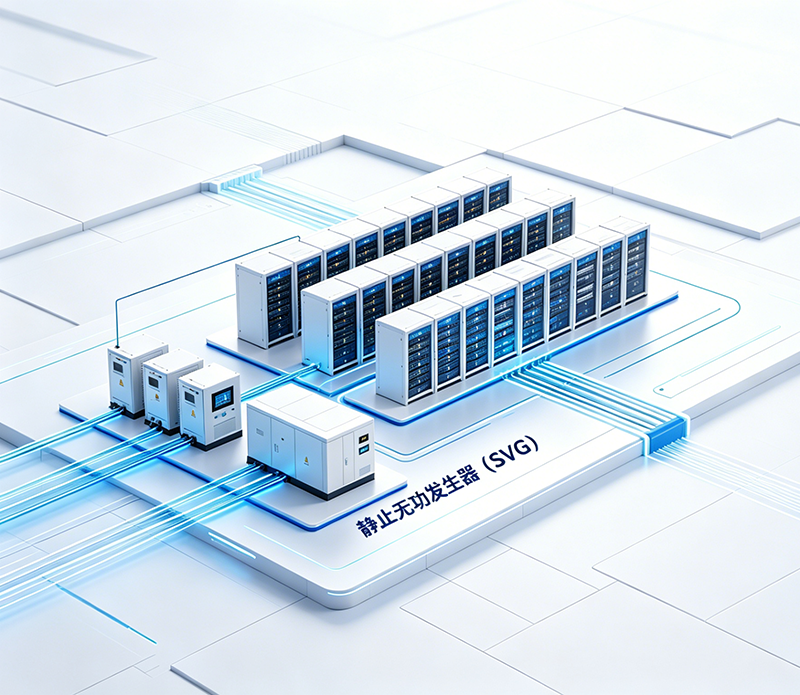
Un SVG, o generatore di var statico, è un moderno dispositivo basato sull'elettronica di potenza che fornisce compensazione dinamica della potenza reattiva in tempo reale.
A differenza dei banchi di condensatori, Gli SVG utilizzano la tecnologia inverter basata su IGBT per generare o assorbire istantaneamente potenza reattiva.
Come funziona
- Monitora continuamente la corrente di carico
- Calcola la domanda di potenza reattiva in tempo reale
- Inietta corrente di compensazione in pochi millisecondi
Caratteristiche chiave
- Compensazione completamente dinamica (induttivo e capacitivo)
- Regolazione continua (non basato su passi)
- Risposta rapida (in genere <10 SM)
- Funziona bene con la distorsione armonica
- Design compatto e modulare
SVG e banco di condensatori: Confronto tecnico
Dal punto di vista ingegneristico, le differenze sono significative.
1. Velocità di risposta
- Banca dei condensatori: Lento (commutazione a livello di secondi)
- Svg: Ultraveloce (risposta a livello di millisecondo)
Per data center con carichi server variabili, SVG supera chiaramente le prestazioni.
2. Precisione di compensazione
- Banca dei condensatori: Gradualmente, precisione limitata
- Svg: Compensazione continua e precisa
SVG mantiene PF vicino 0.99 costantemente.
3. Prestazioni armoniche
- Banca dei condensatori: Può amplificare le armoniche (rischio di risonanza)
- Svg: Mitiga attivamente la distorsione armonica
Ciò è fondamentale negli ambienti con uso intensivo di UPS.
4. Requisiti di manutenzione
- Banca dei condensatori: Richiede la sostituzione del condensatore, manutenzione dei contattori
- Svg: Manutenzione minima, progettazione a stato solido
5. Spazio e scalabilità
- Banca dei condensatori: Ingombrante, espansione basata su pannelli
- Svg: Compatto, possibile espansione modulare
6. Costo del ciclo di vita
Mentre i banchi di condensatori hanno costi iniziali inferiori, Offerte SVG:
- Tasso di fallimento inferiore
- Rischio di fermo macchina ridotto
- Maggiore efficienza energetica
- Migliore ROI a lungo termine
Perché i data center hanno bisogno di SVG più che di banchi di condensatori
I moderni data center sono fondamentalmente diversi dai tradizionali carichi industriali.
1. Profili di carico altamente dinamici
I carichi di lavoro dei server fluttuano in pochi millisecondi a causa della virtualizzazione e del cloud computing.
Le banche di condensatori non possono reagire abbastanza velocemente, portando a:
- Oscillazione del fattore di potenza
- Sovra/sottocompensazione
SVG risolve questo problema con la regolazione in tempo reale.
2. Ambiente ricco di armoniche
I data center contengono:
- Raddrizzatori UPS
- Alimentatori in modalità interruzione
- Sistemi di raffreddamento guidati da VFD
Questi creano una distorsione armonica (3rd, 5th, 7th armoniche).
Le banche di condensatori possono risuonare in tali condizioni, mentre SVG sopprime attivamente le correnti armoniche.
3. Requisiti di affidabilità elevati
I tempi di inattività nei data center sono estremamente costosi. Qualsiasi instabilità nella qualità dell'energia può provocare:
- Il server si blocca
- Perdita di dati
- Squilibrio del sistema di raffreddamento
SVG fornisce stable, compensazione continua senza guasti meccanici di commutazione.
4. Ottimizzazione dell'efficienza energetica
Anche piccoli miglioramenti nel PF (PER ESEMPIO., da 0.92 A 0.99) può ridurre significativamente:
- Perdite del trasformatore
- Riscaldamento via cavo
- Sanzioni di utilità
SVG garantisce un PF costantemente elevato in tutte le condizioni di carico.
Approfondimenti ingegneristici dal mondo reale dai progetti CoEpower
In più progetti di data center CoEpower, abbiamo osservato uno schema coerente:
- I banchi di condensatori hanno funzionato bene durante i test di carico costante
- Ma non è riuscito a mantenere la stabilità durante i picchi di traffico cloud
Dopo la sostituzione o l'integrazione con i sistemi SVG:
- Stabilità del fattore di potenza migliorata dell'8–15%
- La distorsione armonica è stata ridotta in modo significativo
- Gli interventi di manutenzione sono diminuiti di oltre 60%
- L’efficienza energetica complessiva è migliorata in modo misurabile
Ciò dimostra che SVG non è solo un aggiornamento: è un file miglioramento a livello di sistema nell’architettura della qualità dell’energia.
Soluzione ibrida: Svg + Banca dei condensatori
Come ingegnere, Riconosco anche che i banchi di condensatori non sono obsoleti.
In molte grandi installazioni, UN configurazione ibrida è ottimale:
- Maniglia delle batterie di condensatori carico reattivo di base
- Maniglie SVG carico dinamico e in rapida evoluzione
Vantaggi dei sistemi ibridi
- Costo ridotto rispetto alla distribuzione SVG completa
- Migliorata la reattività del sistema
- Minore stress sulle unità SVG
- Costo del ciclo di vita equilibrato
Questo approccio è particolarmente utile in:
- Livello II / Data center di livello III
- Grandi campus industriali
- Impianti a carico misto
Come scegliere tra SVG e banco di condensatori
Quando si progetta un sistema di rifasamento, considerare quanto segue:
Scegli Banco di condensatori se:
- Il carico è stabile e prevedibile
- Il budget è fortemente limitato
- La distorsione armonica è minima
- I motori industriali dominano il carico
Scegli SVG se:
- Il carico è altamente dinamico (data center, il cloud computing)
- Le armoniche sono significative
- È richiesta un'elevata qualità della potenza
- I tempi di inattività sono estremamente costosi
Scegli Ibrido se:
- Impianto di grandi dimensioni con comportamento di carico misto
- È necessario un equilibrio tra CAPEX e prestazioni
Il futuro del rifasamento nei Data Center
L’industria si sta chiaramente muovendo verso:
- Digitalizzazione completa dei sistemi energetici
- Ottimizzazione energetica in tempo reale
- Integrazione della rete intelligente
- Previsione del carico basata sull'intelligenza artificiale
In questo contesto, La tecnologia SVG si allinea perfettamente con il futuro delle infrastrutture energetiche intelligenti.
Le banche di condensatori continueranno ad esistere, ma principalmente in ruoli secondari piuttosto che come soluzione primaria.
Conclusione
Dal punto di vista ingegneristico senior di CoEpower, il confronto tra SVG vs banco di condensatori non è solo una questione di costi: riguarda il comportamento del sistema in condizioni reali.
Le banche di condensatori rimangono affidabili, soluzione economica per carichi stabili. Tuttavia, per moderno data center con dinamica, ambienti ricchi di armoniche, Svg (Generatore VAR statico) fornisce superiore:
- Velocità di risposta
- Precisione
- Prestazione armonica
- Affidabilità
- Valore del ciclo di vita
Nella maggior parte delle moderne applicazioni per data center, L'SVG non è più un lusso: sta diventando un requisito standard per i sistemi di qualità dell'energia ad alte prestazioni.
Se stai progettando o aggiornando un sistema di alimentazione del data center, valutare la compensazione della potenza reattiva basata su SVG è un passo fondamentale verso il raggiungimento di una maggiore efficienza, stabilità, e affidabilità operativa a lungo termine.
Tag di parole chiave
Correzione del fattore di potenza, SVG vs banco di condensatori, Generatore VAR statico, sistema di banchi di condensatori, Data Center Power Quality, compensazione del potere reattivo, mitigazione delle armoniche, rifasamento industriale, compensazione VAR dinamica, Soluzioni ingegneristiche CoEpower, Fornitori, produttori, fabbrica, azienda, Cina, all'ingrosso, acquistare, prezzo, preventivo, massa, in vendita, aziende, azione, costo.