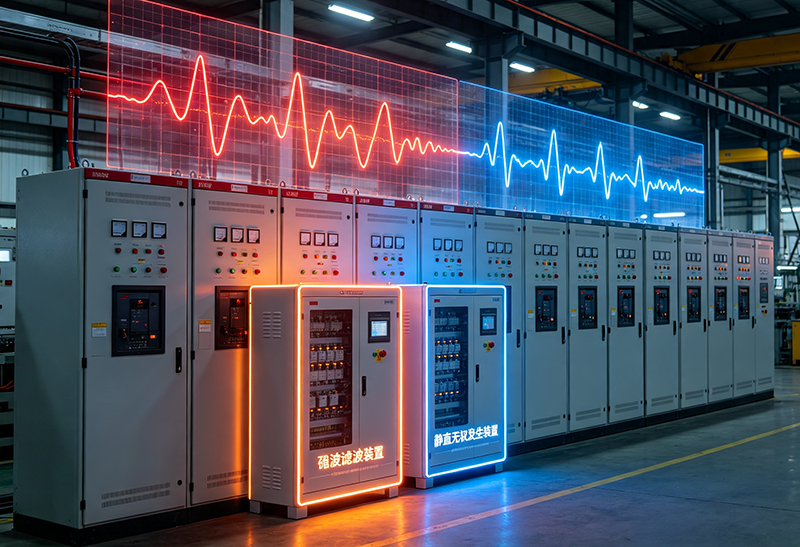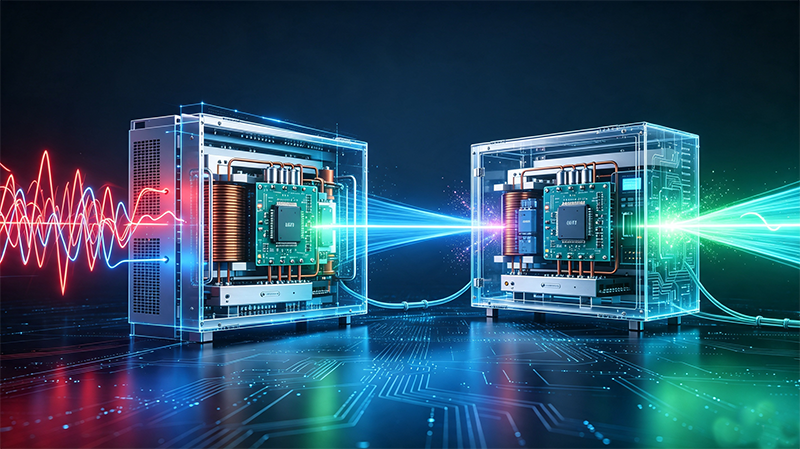
Quando gli ingegneri cercano "STATCOM vs SVG,” spesso incontrano spiegazioni contrastanti. Alcuni articoli dicono che sono identici. Altri li trattano come tecnologie completamente diverse. Nei sistemi energetici del mondo reale, la risposta è più sfumata.
In qualità di ingegnere senior della qualità dell'energia presso CoEpower, Ho lavorato su progetti di compensazione della potenza reattiva in impianti di energia rinnovabile, stabilimenti industriali, sottostazioni, acciaierie, operazioni minerarie, e data center. Una delle domande più comuni degli appaltatori EPC e dei consulenti elettrici è::
“Dovremmo usare STATCOM o SVG per questo progetto?"
Questo articolo spiega le differenze pratiche di ingegneria tra STATCOM e SVG, compresi i principi operativi, velocità di risposta, capacità di supporto della tensione, prestazione armonica, considerazioni sui costi, e applicazioni industriali.
Cos'è STATCOM?
UN Statcom (Compensatore sincrono statico) è un FACTS ad alte prestazioni (Sistema di trasmissione CA flessibile) dispositivo utilizzato per fornire la compensazione dinamica della potenza reattiva e la regolazione della tensione nelle reti elettriche.
I sistemi STATCOM in genere utilizzano:
- Convertitore della sorgente di tensione (VSC)
- Moduli di potenza IGBT
- Banco di condensatori CC
- Algoritmi avanzati di controllo digitale
- Trasformatore di accoppiamento
Lo scopo principale di uno STATCOM è quello di:
- Stabilizzare la tensione della rete
- Migliora il fattore di potenza
- Mitigare lo sfarfallio della tensione
- Sostenere l’integrazione delle energie rinnovabili
- Migliora la stabilità transitoria
- Fornire una compensazione rapida della potenza reattiva
Il principio dello scambio di potenza reattiva può essere semplificato come:
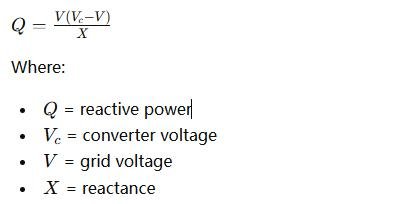
Quando la tensione del convertitore supera la tensione del sistema, la potenza reattiva capacitiva viene immessa in rete. Quando è più basso, viene assorbita potenza reattiva induttiva.
Cos'è SVG?
SVG sta per Static Var Generator.
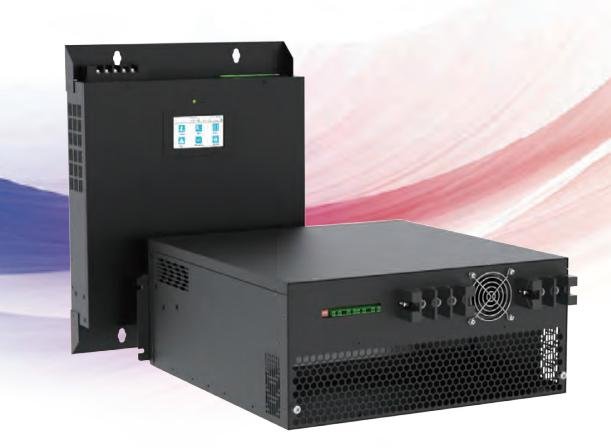
In molti mercati industriali, soprattutto in Asia e nelle applicazioni di qualità dell'energia a bassa tensione, SVG si riferisce a un dispositivo di compensazione dinamica della potenza reattiva basato sulla stessa tecnologia VSC utilizzata nei sistemi STATCOM.
I sistemi SVG sono ampiamente utilizzati per:
- Correzione del fattore di potenza
- Compensazione del potere reattivo
- Soppressione armonica
- Correzione dello squilibrio trifase
- Ottimizzazione dell'efficienza energetica
Nella terminologia industriale pratica:
- STATCOM è comunemente associato ad applicazioni a media tensione e a livello di trasmissione.
- SVG è comunemente associato ai sistemi di compensazione industriale a bassa tensione.
Tuttavia, tecnicamente, entrambi i dispositivi condividono principi fondamentali estremamente simili.
STATCOM contro SVG: Differenza fondamentale
La più grande confusione online è che molti siti web semplificano eccessivamente la relazione.
Ecco la realtà ingegneristica:
| Caratteristica | Statcom | Svg |
|---|---|---|
| Nome e cognome | Compensatore sincrono statico | Generatore VAR statico |
| Livello di tensione tipico | Medio & Alta tensione | Basso & Media tensione |
| Applicazione principale | Stabilità della griglia & Regolazione della tensione | Rifasamento industriale |
| Tecnologia | Basato su VSC | Basato su VSC |
| Velocità di risposta | Estremamente veloce | Estremamente veloce |
| Supporto di tensione dinamica | Forte | Da moderato a forte |
| Compensazione armonica | Funzionalità avanzate | Comunemente integrato |
| Installazione tipica | Sottostazioni di servizio, impianti rinnovabili | Fabbriche, edifici commerciali |
| Complessità del sistema | Più alto | Inferiore |
| Costo | Più alto | Più economico |
Molti produttori usano i termini in modo intercambiabile perché entrambi si basano sull'elettronica di potenza e sull'iniezione di potenza reattiva in tempo reale.
Dal punto di vista ingegneristico:
- STATCOM si concentra maggiormente sulla stabilità dinamica della rete
- SVG si concentra maggiormente sulla compensazione della potenza reattiva industriale
Perché i banchi di condensatori tradizionali non sono più sufficienti
In molte fabbriche esistono ancora banchi di condensatori convenzionali, ma i moderni carichi non lineari creano nuove sfide in termini di qualità dell’energia:
- Drive di frequenza variabile (Vfds)
- Forni elettrici ad arco
- Motori di grandi dimensioni
- Attrezzatura CNC
- Data center
- Stazioni di ricarica EV
- Invertitori solari
- Convertitori per turbine eoliche
Questi carichi producono:
- Armoniche
- Fluttuazioni di tensione
- Rapidi cambiamenti della potenza reattiva
- Sfarfallio
- Squilibrio trifase
I banchi di condensatori tradizionali non possono rispondere abbastanza rapidamente.
Tipica risposta di commutazione del condensatore:
- 5–20 secondi
Tipica risposta SVG/STATCOM:
- Meno di 10 millisecondi
Questa differenza di velocità è fondamentale nelle moderne reti intelligenti e nei processi industriali ad alta velocità.
STATCOM vs SVG nei sistemi di energia rinnovabile
L’energia rinnovabile è una delle applicazioni in più rapida crescita per la tecnologia STATCOM.
I parchi solari ed eolici creano condizioni di potenza reattiva instabili perché la generazione cambia continuamente.
STATCOM aiuta:
- Sostenere le griglie deboli
- Stabilizzazione della tensione PCC
- Rispettare i codici della rete pubblica
- Riduzione delle fluttuazioni di tensione
- Miglioramento del ride-through a bassa tensione (LVRT)
Per impianti rinnovabili di grandi dimensioni, STATCOM è spesso obbligatorio.
I sistemi SVG sono più comuni in:
- Solare commerciale sul tetto
- Impianti fotovoltaici industriali
- Progetti di generazione distribuita
Capacità di mitigazione armonica
I moderni sistemi SVG includono spesso funzioni di compensazione armonica.
Ciò consente loro di fornire simultaneamente:
- Compensazione del potere reattivo
- Filtraggio armonico
- Bilanciamento del carico
In molte applicazioni a bassa tensione, Le unità SVG sono integrate con:
- Filtri armonici attivi (Ahf)
- Moduli APF
- Sistemi di compensazione ibridi
I sistemi STATCOM possono anche mitigare le armoniche, soprattutto in installazioni avanzate su scala industriale.
STATCOM e tempo di risposta SVG
Uno dei vantaggi ingegneristici più importanti è la velocità di risposta dinamica.
tregua<10SM
Questa compensazione ultraveloce consente:
- Avviamento motore stabile
- Buco di tensione ridotto
- Soppressione dello sfarfallio
- Stabilità del sistema di saldatura migliorata
- Migliore funzionamento della gru
- Prestazioni stabili del forno ad arco
Ciò è particolarmente importante in:
- Impianti siderurgici
- Strutture minerarie
- Attrezzature portuali
- Industrie petrolchimiche
Che è meglio: STATCOM o SVG?
La domanda corretta non è “Che è meglio”.?"
La vera questione ingegneristica è:
“Che è meglio per la tua candidatura?"
Scegli STATCOM se necessario:
- Regolazione della tensione su scala industriale
- Supporto della rete di trasmissione
- Integrazione delle energie rinnovabili
- Stabilizzazione dinamica della griglia
- Compensazione media/alta tensione
- Supporto della griglia debole
Scegli SVG se necessario:
- Rifasamento industriale
- Compensazione rapida della potenza reattiva
- Miglioramento dell’efficienza energetica dello stabilimento
- Mitigazione armonica
- Compensazione reattiva a bassa tensione
- Costo del progetto inferiore
Applicazioni tipiche dei sistemi SVG
SVG è ampiamente utilizzato in:
- Impianti di produzione
- Fabbriche di semiconduttori
- Data center
- Ospedali
- Edifici commerciali
- Sistemi ferroviari metropolitani
- Infrastruttura di ricarica per veicoli elettrici
- Impianti di trattamento dell'acqua
Queste applicazioni richiedono:
- Fattore di potenza stabile
- Sanzioni di utilità ridotte
- Perdite del trasformatore inferiori
- Miglioramento dell'efficienza del sistema
Applicazioni tipiche dei sistemi STATCOM
STATCOM è più comune in:
- Sottostazioni di servizio
- Parchi eolici
- Centrali solari
- Sistemi HVDC
- Sistemi di trazione ferroviaria
- Griglie minerarie
- Reti di trasmissione
Queste applicazioni hanno la priorità:
- Stabilità di tensione
- Resilienza della rete
- Supporto reattivo dinamico
- Capacità di superare i guasti
Confronto dei costi STATCOM e SVG
Il costo dipende fortemente da:
- Livello di tensione
- Capacità di compensazione
- Requisiti armonici
- Ambiente di installazione
- Metodo di raffreddamento
- Progettazione della ridondanza
Generalmente:
- I sistemi SVG sono più economici per progetti industriali a bassa tensione
- I sistemi STATCOM sono più costosi a causa delle infrastrutture a media/alta tensione
Tuttavia, i risparmi sul ciclo di vita derivanti dalla riduzione delle perdite di energia e delle penalità del fattore di potenza possono fornire un rapido ritorno sull'investimento.
Tendenza futura: Convergenza tra SVG e STATCOM
Il confine tra SVG e STATCOM sta diventando sempre più sfumato.
I sistemi moderni ora si combinano:
- Compensazione reattiva
- Filtraggio armonico
- Integrazione dello stoccaggio energetico
- Gestione della qualità dell'energia basata sull'intelligenza artificiale
- Analisi della griglia in tempo reale
Molti produttori ora commercializzano prodotti STATCOM a bassa tensione come sistemi SVG e viceversa.
La tecnologia sottostante sta convergendo verso l’intelligenza, digitale, piattaforme di qualità dell'energia ad alta velocità.
Considerazioni finali di un ingegnere CoEpower
Dopo anni di esperienza ingegneristica sul campo, ecco la spiegazione più semplice:
- STATCOM è tipicamente la soluzione a livello di rete
- SVG è in genere la soluzione a livello industriale
Entrambi utilizzano elettronica di potenza avanzata per risolvere i problemi di potenza reattiva in modo molto più efficace rispetto ai tradizionali banchi di condensatori.
Se il tuo progetto prevede:
- Carichi che cambiano rapidamente
- Energia rinnovabile
- Armoniche
- Instabilità di tensione
- Fattore di potenza scarso
Allora la tecnologia SVG o STATCOM è probabilmente la giusta direzione.
Al CoEpower, aiutiamo gli appaltatori EPC, utilità, e gli impianti industriali selezionano la soluzione ottimale di compensazione della potenza reattiva in base alle condizioni operative reali, non alla terminologia di marketing.
Domande frequenti
SVG è uguale a STATCOM?
Tecnicamente, entrambi utilizzano una tecnologia di compensazione reattiva simile basata su VSC. Tuttavia, SVG è comunemente utilizzato per applicazioni industriali a bassa tensione, mentre STATCOM è più associato ai sistemi di pubblica utilità e di media/alta tensione.
Che risponde più velocemente: banco di condensatori o SVG?
I sistemi SVG rispondono in millisecondi, mentre i banchi di condensatori potrebbero richiedere diversi secondi.
SVG può ridurre le armoniche?
SÌ. Molti moderni sistemi SVG includono funzionalità di compensazione armonica.
Perché STATCOM viene utilizzato negli impianti solari?
STATCOM fornisce supporto dinamico della tensione e aiuta gli impianti rinnovabili a conformarsi ai requisiti del codice di rete.
SVG migliora il fattore di potenza?
SÌ. I sistemi SVG compensano dinamicamente la potenza reattiva per mantenere un fattore di potenza prossimo all'unità.
Tag: statcom vs, significato di statcom, elettrico, Generatore VAR statico, compensatore statico sincrono, compensazione del potere reattivo, Correzione del fattore di potenza, principio di funzionamento di statcom, SVG vs banco di condensatori, compensazione dinamica reattiva, soluzione SVG industriale, centralina di media tensione, Soluzione di qualità dell'alimentazione, Mitigazione armonica, stabilizzazione della tensione, Fornitori, produttori, fabbrica, azienda, Cina, all'ingrosso, acquistare, prezzo, preventivo, massa, in vendita, aziende, azione, costo.