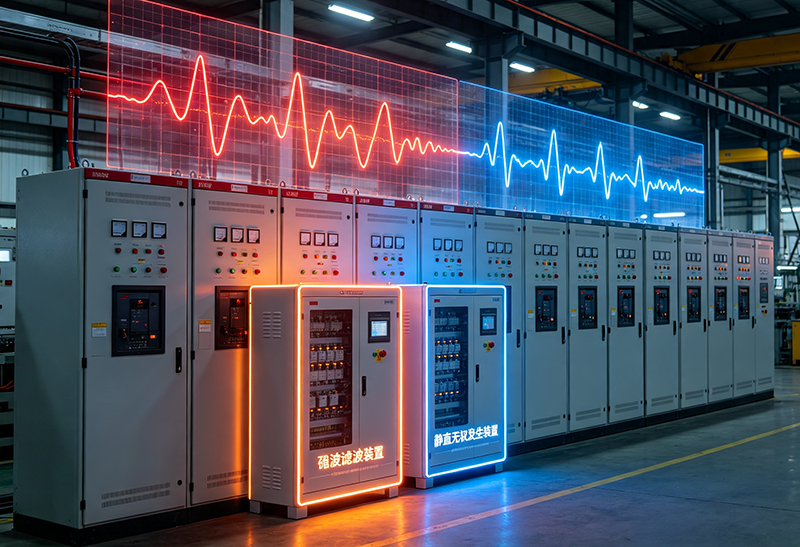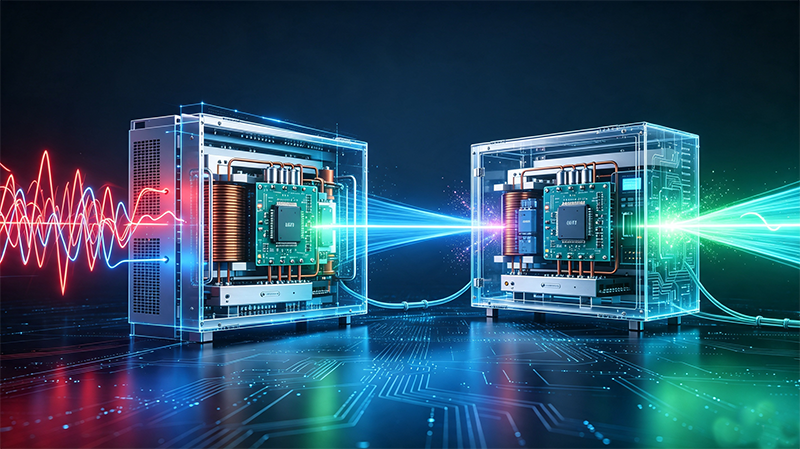
Nei moderni ambienti industriali, mantenere un'elevata qualità dell'energia non è più un optional, ma è fondamentale. In qualità di ingegnere elettrico senior presso CoEpower, Ho visto in prima persona come la distorsione armonica possa interrompere le operazioni, danneggiare apparecchiature sensibili, e aumentare i costi operativi.
Due delle soluzioni più utilizzate per la mitigazione delle armoniche sono le Filtro armonico attivo (Ahf) e il filtro di soppressione delle armoniche (HSF) (comunemente detti filtri armonici passivi). Mentre entrambi mirano a ridurre la distorsione armonica, funzionano in modo diverso e sono adatti a diverse applicazioni.
Questo articolo fornisce una panoramica completa, guida pratica per aiutarti a scegliere la soluzione giusta per il tuo sistema industriale.
Cosa sono le armoniche e perché sono importanti?
Le armoniche sono distorsioni di tensione o corrente nei sistemi elettrici causate principalmente da carichi non lineari come:
- Drive di frequenza variabile (Vfds)
- Raddrizzatori e inverter
- Sistemi UPS
- Apparecchiature per l'automazione industriale
Queste distorsioni possono portare a:
- Surriscaldamento di trasformatori e cavi
- Aumento delle perdite di energia
- Malfunzionamento o guasto dell'apparecchiatura
- Sanzioni per la non conformità con standard come IEEE 519
La gestione efficace delle armoniche è essenziale per garantire l’affidabilità e l’efficienza del sistema.
Cos'è un filtro armonico attivo?
Un filtro armonico attivo (Ahf) è un dispositivo elettronico avanzato che rileva dinamicamente e compensa le correnti armoniche in tempo reale.
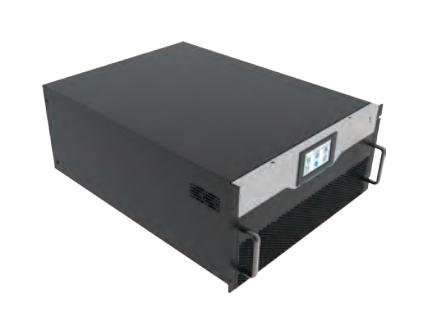
Caratteristiche principali dell'AHF:
- Compensazione armonica in tempo reale
- Adattabile ai cambiamenti di carico
- In grado di filtrare più ordini armonici contemporaneamente
- Migliora anche il fattore di potenza e bilancia i carichi
Come funziona:
Gli AHF utilizzano l'elettronica di potenza (Convertitori basati su IGBT) per iniettare correnti contrastanti nel sistema, annullando efficacemente le armoniche.
Che cos'è un filtro di soppressione armonica?
Un filtro di soppressione armonica (HSF), tipicamente un filtro passivo, è progettato utilizzando combinazioni di condensatori, induttori, e resistori sintonizzati su frequenze armoniche specifiche.
Caratteristiche principali dell'HSF:
- Compensazione fissa per ordini armonici specifici
- Costo iniziale inferiore rispetto agli AHF
- Struttura e funzionamento semplici
Come funziona:
Gli HSF forniscono percorsi a bassa impedenza per frequenze armoniche mirate, allontanandoli dal sistema energetico.
Filtro armonico attivo e filtro di soppressione armonica: Differenze chiave
| Caratteristica | Filtro armonico attivo | Filtro di soppressione armonica |
|---|---|---|
| Principio di funzionamento | Compensazione dinamica in tempo reale | Sintonia a frequenza fissa |
| Flessibilità | Alto (si adatta ai cambiamenti di carico) | Basso (progettato per armoniche specifiche) |
| Copertura armonica | Ampia gamma (ordini multipli) | Limitato alle frequenze sintonizzate |
| Installazione | Più complesso | Più semplice |
| Costo | Investimento iniziale più elevato | Costo iniziale inferiore |
| Rischio di risonanza | Nessuno | Possibili problemi di risonanza |
| Correzione del fattore di potenza | SÌ (multifunzione) | Limitato |
Quando dovresti scegliere un filtro armonico attivo?
Dalla mia esperienza di ingegneria, Gli AHF sono la scelta migliore nei seguenti scenari:
1. Carichi altamente variabili
Settori come quello manifatturiero, minerario, e i data center sono spesso soggetti a carichi fluttuanti. Gli AHF si adattano in tempo reale, rendendoli ideali.
2. Requisiti rigorosi di qualità dell'energia
Se la tua struttura deve essere conforme all'IEEE 519 o standard simili, Gli AHF forniscono un controllo armonico preciso.
3. Profili armonici complessi
Quando sono presenti più frequenze armoniche, Gli AHF superano significativamente le prestazioni dei filtri passivi.
4. Necessità di multifunzionalità
Gli AHF possono:
- Compensare le armoniche
- Fattore di potenza corretto
- Equilibrare carichi trifase
Ciò li rende una soluzione completa.
Quando dovresti scegliere un filtro di soppressione armonica?
HSF (filtri passivi) hanno ancora il loro posto nei sistemi industriali, particolarmente in questi casi:
1. Carichi stabili e prevedibili
Se il sistema funziona in condizioni coerenti con frequenze armoniche note, i filtri passivi possono essere efficaci.
2. Vincoli di bilancio
Gli HSF sono più convenienti in termini di costi in anticipo, rendendoli adatti a progetti con budget limitati.
3. Applicazioni semplici
Per sistemi con armonica dominante (PER ESEMPIO., 5o 7), un filtro passivo sintonizzato può funzionare bene.
Considerazioni sui costi: Investimento iniziale vs investimento a lungo termine
Una delle domande più comuni che ricevo dai clienti è:
“Quale soluzione è più conveniente?"
Filtro armonico attivo:
- Costo iniziale più elevato
- Manutenzione inferiore
- Risparmio energetico nel tempo
- Rischio ridotto di guasti alle apparecchiature
Filtro di soppressione armonica:
- Costo iniziale inferiore
- Potenziali costi nascosti (risonanza, desintonizzazione, inefficienza)
- Potrebbe richiedere una riprogettazione se le condizioni del sistema cambiano
Intuizione ingegneristica:
Anche se inizialmente gli AHF possono sembrare costosi, spesso offrono un ROI migliore in ambienti industriali dinamici.
Confronto di prestazioni e affidabilità
Filtro armonico attivo:
- Prestazioni costanti sotto carichi variabili
- Nessun problema di desintonizzazione
- Elevata affidabilità in sistemi complessi
Filtro di soppressione armonica:
- Le prestazioni dipendono fortemente dalla stabilità del sistema
- Suscettibile alla risonanza e al sovraccarico
- L'efficienza diminuisce se cambiano i parametri del sistema
Applicazioni industriali tipiche
Applicazioni di filtri armonici attivi:
- Data center
- Impianti siderurgici
- Produzione automobilistica
- Sistemi di energia rinnovabile (solare/vento)
- Ospedali e strutture critiche
Applicazioni del filtro di soppressione delle armoniche:
- Impianti di cemento
- Impianti di trattamento dell'acqua
- Sistemi HVAC
- Applicazioni con motori a velocità fissa
Soluzioni ibride: Il meglio di entrambi i mondi?
In alcuni casi, combinando entrambe le tecnologie si ottengono risultati ottimali.
Può essere utilizzato un sistema ibrido:
- Filtri passivi per la riduzione delle armoniche di massa
- Filtri attivi per la messa a punto e la compensazione dinamica
Questo approccio bilancia efficacemente costi e prestazioni.
Lista di controllo pratica per la selezione
Quando si sceglie tra un filtro armonico attivo e un filtro di soppressione armonica, considerare quanto segue:
- Variabilità del carico (stabile vs dinamico)
- Complessità dello spettro armonico
- Requisiti di conformità (Ieee 519, norme CEI)
- Bilancio (costo iniziale rispetto al costo del ciclo di vita)
- Vincoli di spazio e installazione
- Piani futuri di espansione del sistema
Conclusione
La scelta tra un filtro armonico attivo e un filtro di soppressione delle armoniche non è semplicemente una decisione tecnica: è un investimento strategico nell'efficienza della vostra struttura, affidabilità, e conformità.
Dalla mia esperienza al CoEpower, la regola generale è:
- Scegli Filtri armonici attivi per la dinamica, complesso, e sistemi ad alte prestazioni
- Scegli Filtri di soppressione armonica per stabile, prevedibile, e applicazioni sensibili ai costi
Se il tuo sistema è in evoluzione o è previsto che si ridimensioni, investire in un AHF fornirà quasi sempre un valore maggiore a lungo termine.
A proposito di CoEpower
Al CoEpower, siamo specializzati in soluzioni avanzate di qualità dell'energia, compresi filtri armonici attivi e sistemi di mitigazione delle armoniche personalizzati su misura per le esigenze industriali.
Se non sei sicuro di quale soluzione sia adatta alla tua applicazione, la consulenza di ingegneri esperti può far risparmiare tempo e costi a lungo termine.
Tag: Filtro armonico attivo, Filtro di soppressione armonica, Mitigazione armonica, soluzioni di qualità dell'alimentazione, sistemi energetici industriali, filtro di distorsione armonica, AHF vs filtro passivo, soluzioni di filtraggio armonico, Fornitori, produttori, fabbrica, azienda, Cina, all'ingrosso, acquistare, prezzo, preventivo, massa, in vendita, aziende, azione, costo.