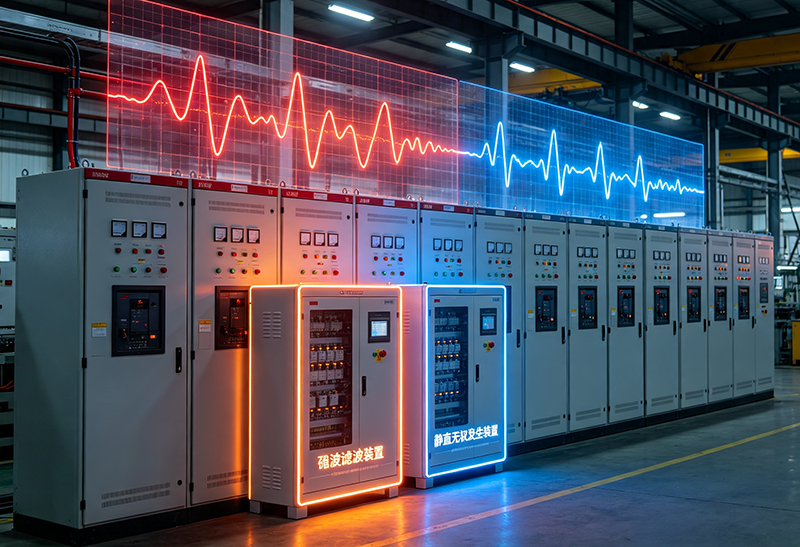
産業施設のパワーエレクトロニクス機器への依存度が高まる中, 高調波歪みは、今日エンジニアが直面する最も一般的な電力品質の課題の 1 つとなっています. 可変周波数ドライブ (VFDS), 整流器, UPSシステム, 誘導炉, EV充電器, および再生可能エネルギーのインバータはすべて、電気システムに高調波を導入します。.
過剰な高調波はトランスの過熱を引き起こす可能性があります, コンデンサの故障, 迷惑なつまずき, 機器の寿命の短縮, および公共事業のコンプライアンス問題. 結果として, 適切な高調波緩和ソリューションを選択することは、システムの信頼性とエネルギー効率を維持するために不可欠です.
最も広く使用されているソリューションには次のようなものがあります。 三相高調波フィルター そして アクティブ高調波フィルター (APF). どちらのテクノロジーも高調波歪みを低減するように設計されていますが、, それらの動作原理, 性能特性, アプリケーションシナリオは大きく異なります.
CoEpower の上級電気エンジニアとして, 施設管理者やコンサルティングエンジニアからよく聞かれるのが、:
“従来の三相高調波フィルタとアクティブ高調波フィルタのどちらを設置すべきか?”
この記事では, これら 2 つのテクノロジーの違いを説明し、どちらのソリューションが施設に最適であるかを判断できるように支援します。.
産業用電力システムの高調波を理解する
フィルター技術を比較する前に, 高調波とは何かを理解することが重要です.
理想的な電気システムでは, 電圧と電流の波形は純粋な正弦波であり、 50 Hzまたは 60 Hz.
しかし, 非線形負荷は、滑らかな正弦波パターンではなくパルス状に電流を引き込みます。. これにより、高調波として知られる追加の周波数成分が生成されます。.
一般的な高調波次数には次のものがあります。:
- 3第 3 次高調波 (150 Hz)
- 5次高調波 (250 Hz)
- 7次高調波 (350 Hz)
- 11次高調波 (550 Hz)
- 13次高調波 (650 Hz)
施設に設置される機器の非線形性が高くなるほど, 高調波歪みが大きくなるほど.
典型的な結果には次のものがあります。:
- 変圧器の過熱
- ケーブル損失の増加
- コンデンサバンクの故障
- モーターの振動
- 力率の悪化
- 生産のダウンタイム
- IEEE を満たしていない 519 要件
ここで高調波フィルターが不可欠になります.
三相高調波フィルターとは?
三相高調波フィルター, 一般にパッシブ高調波フィルターとして知られています, インダクタで構成されるフィルタリングデバイスです, コンデンサ, そして時には抵抗器も.
特定の高調波周波数に対して低インピーダンスのパスを作成するように設計されています。, 高調波電流を電力システムから遠ざける.
仕組み
パッシブフィルターは、所定の高調波周波数をターゲットにするように調整されています.
例えば:
- 5次高調波フィルター
- 7次高調波フィルター
- 11次高調波フィルター
これらの周波数の高調波電流が存在する場合, それらは分配ネットワークではなくフィルターに流れ込みます。.
その結果、システム全体の高調波歪みが減少します。.
三相高調波フィルタの利点
初期コストの削減
一般に、パッシブ フィルタは、同じ定格電流のアクティブ高調波フィルタよりもコストが低くなります。.
そのため、予算が限られているプロジェクトにとっては魅力的です.
シンプルな構造
この技術は数十年にわたって使用されており、主に受動的な電気コンポーネントで構成されています。.
高度な制御アルゴリズムは必要ありません.
大容量アプリケーション
パッシブフィルタは、高調波周波数が予測可能な非常に大きな産業負荷向けに設計できます。.
反応性電力補償
多くのパッシブフィルターは高調波の軽減と力率の補正を同時に提供します.
三相高調波フィルターの限界
それらの利点にもかかわらず、, パッシブフィルターにはいくつかの欠点があります.
固定報酬
パッシブフィルターは、特別に設計された高調波のみをターゲットとします.
負荷特性が変化した場合, フィルター効果が低下する可能性があります.
共振リスク
最も重大な懸念の 1 つは高調波共振です。.
不適切に設計されたパッシブ フィルターは公共ネットワークと共振する可能性があります, 高調波を低減するのではなく、実際に増幅する.
柔軟性の低下
産業施設では生産を拡大したり、新しい設備を導入したりすることがよくあります.
現在設計されたパッシブフィルターは将来の高調波条件に適切に対処できない可能性があります.
限られた高調波範囲
ほとんどのパッシブ フィルターは特定の次数の高調波のみをターゲットにしています.
高次高調波は未処理のままになる可能性があります.
アクティブな高調波フィルターとは何ですか (APF)?
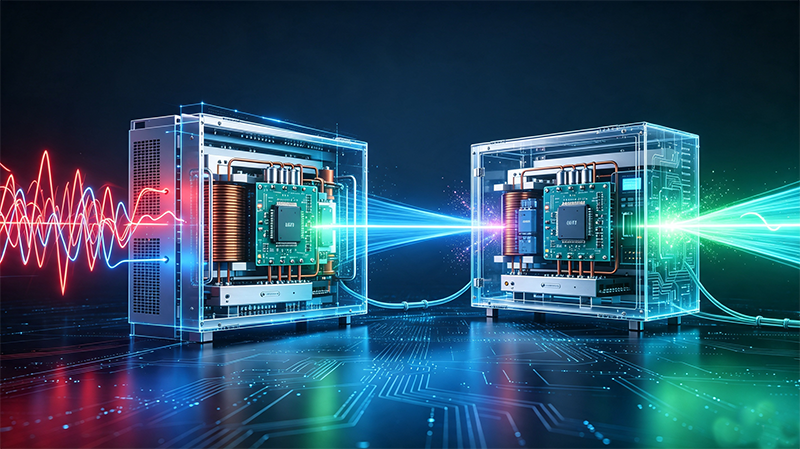
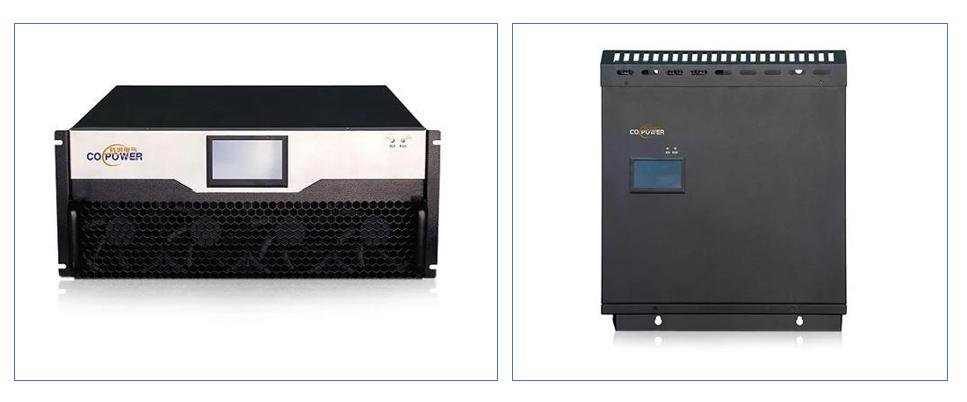
アクティブ高調波フィルターは、高調波電流を動的に測定し、等しい逆向きの補償電流をシステムに注入する高度なパワー エレクトロニクス デバイスです。.
パッシブフィルターのように高調波を吸収するのではなく, APF は積極的にキャンセルします.
この技術は、現代の産業用電力システムにおける高調波緩和のための最も先進的なソリューションであると広く考えられています。.
アクティブ高調波フィルターの仕組み
APFは高速デジタル信号プロセッサを使用して電流波形を継続的に監視します。 (DSP).
システム:
- 高調波成分を検出
- 報酬要件を計算します
- 逆高調波電流を発生させる
- 補償電流をネットワークに注入します
不要な高調波はリアルタイムで効果的にキャンセルされます。.
プロセスはミリ秒以内に実行されます.
負荷条件の変化に応じて, APF は自動的に報酬戦略を調整します.
アクティブ高調波フィルターの利点
動的高調波補償
パッシブフィルターとは異なります, APF は変化する負荷条件に即座に適応します.
そのため、生産スケジュールが変動する施設に最適です。.
幅広い高調波カバレッジ
単一の APF で同時に補正可能:
- 2第 2 ~ 50 次高調波
- 奇数高調波
- 偶数高調波
- 間高調波
チューニングは必要ありません.
共振リスクなし
APFはLC共振回路に依存しないため, 高調波増幅のリスクを排除します.
これによりシステムの信頼性が大幅に向上します.
反応性電力補償
最新の APF が提供できるのは、:
- 高調波フィルタリング
- 反応性電力補償
- 力率補正
- ロードバランシング
すべてを 1 つのデバイス内で.
IEEEへの準拠 519
多くの施設は、IEEE への準拠を達成するために APF を使用しています。 519 高調波規格とユーティリティ要件.
アクティブ高調波フィルターの限界
より高い初期投資
APF は通常、パッシブ フィルターよりも多額の先行投資を必要とします。.
しかし, 効率と柔軟性の向上により、ライフサイクル コストが低くなることが多い.
電子部品
パワエレ機器として, APF には IGBT が含まれています, コントローラー, 適切なメンテナンスが必要な冷却システム.
キャパシティプランニング
非常に大きな高調波負荷では、複数の APF ユニットを並列で動作させる必要がある場合があります.
並べて比較
| 特徴 | 三相高調波フィルタ | アクティブハーモニックフィルター |
| テクノロジー | パッシブLCネットワーク | パワーエレクトロニクス |
| 高調波カバレッジ | 選択された高調波 | 広域スペクトル |
| 動的補償 | いいえ | はい |
| 負荷適応性 | 限定 | 素晴らしい |
| 共振リスク | はい | いいえ |
| 反応性電力補償 | 可能 | はい |
| 将来の拡張互換性 | 限定 | 高い |
| メンテナンス | 低い | 適度 |
| 初期費用 | より低い | より高い |
| 長期的な柔軟性 | 低い | 素晴らしい |
| IEEE 519 コンプライアンス | 適度 | 素晴らしい |
どの業界がパッシブ高調波フィルタを好むのか?
パッシブ高調波フィルターは一般的に次の用途で使用されます。:
- セメント工場
- 製鉄所
- 採掘施設
- 水処理プラント
- 大型モーターの用途
これらの環境では、高調波特性が予測可能な比較的安定した負荷プロファイルが得られることがよくあります。.
どの業界がアクティブ高調波フィルタを好むのか?
コエパワーで, 私たちは頻繁に APF を推奨します。:
- 半導体製造
- データセンター
- 商業ビル
- 病院
- EV充電ステーション
- 太陽光発電所
- バッテリーエネルギー貯蔵システム (ベス)
- 電子機器製造
- 単結晶シリコンの製造
これらのアプリケーションには通常、動的補償を必要とする急速に変化する非線形負荷が含まれます。.
コストとパフォーマンス: 本当の決断
多くの購入者は機器の価格のみに焦点を当てています.
しかし, 経験豊富なエンジニアが評価する:
- エネルギー損失
- 生産ダウンタイムのリスク
- メンテナンス費用
- 拡張要件
- ユーティリティペナルティ
- 機器の寿命
パッシブフィルターは初期費用が安くなる可能性がありますが、, APF は、その柔軟性と優れたパフォーマンスにより、多くの場合、より長期的な価値を提供します。.
将来の拡張を計画している施設、または変動性の高い負荷を運用している施設向け, 通常、アクティブ高調波フィルタは、機器のライフサイクル全体にわたってより経済的な選択肢です。.
CoEpower の推奨事項
製造業全体で高調波緩和プロジェクトを実施した後, 再生可能エネルギー, および商業部門, 私たちのエンジニアリングチームは明確な傾向を観察しました.
可変非線形負荷を伴う最新の産業施設向け, アクティブ高調波フィルターは最高レベルの電力品質改善を提供します, 運用上の柔軟性, 将来性のある.
パッシブ高調波フィルターは、安定した負荷環境や予算重視のプロジェクトにとって依然として実行可能なソリューションです. しかし, 厳しい高調波規格の達成を目指す施設向け, 機器の信頼性を最大化する, 将来の成長をサポートします, 多くの場合、APF が優先されるテクノロジーです.
結論
三相高調波フィルタとアクティブ高調波フィルタは両方とも高調波の軽減において重要な役割を果たします. 最適なソリューションは施設の負荷プロファイルによって異なります, 高調波レベル, 拡張計画, および電力品質目標.
を選択してください 三相高調波フィルタ もし:
- 高調波発生源は予測可能
- 負荷状態が安定している
- 予算が最大の関心事です
を選択してください アクティブハーモニックフィルター (APF) もし:
- 高調波条件は頻繁に変化します
- 高い濾過性能が求められる
- IEEE 519 コンプライアンスは重要です
- 今後のシステム拡張が期待される
コエパワーで, 当社は、お客様が電力品質データを分析し、実際の動作条件に基づいて最もコスト効率の高い高調波緩和ソリューションを選択できるよう支援します。.
施設で過剰な THD が発生している場合, コンデンサの故障, 変圧器の過熱, または力率が悪い, 当社のエンジニアリングチームは、お客様のニーズに合わせてカスタマイズされた高調波解析およびフィルタリング ソリューションを提供できます。.
タグ:
三相高調波フィルタ, アクティブハーモニックフィルター, APF, 高調波緩和, 高調波フィルターとAPFの比較, 産業用高調波, 電力品質ソリューション, パッシブハーモニックフィルター, アクティブパワーフィルター, 力率補正, 高調波歪みの低減, 電気高調波フィルタリング, 産業用電力の品質, CoEpower APF, IEEE 519 コンプライアンス, サプライヤー, メーカー, 工場, 会社, 中国, 卸売, 買う, 価格, 引用, バルク, 販売のため, 企業, ストック, 料金.