Below are some of the most common questions customers ask about 활성 고조파 필터 (AHFS), PV inverter harmonics, and power quality solutions for solar power plants.
1. What is an Active Harmonic Filter in a solar power plant?
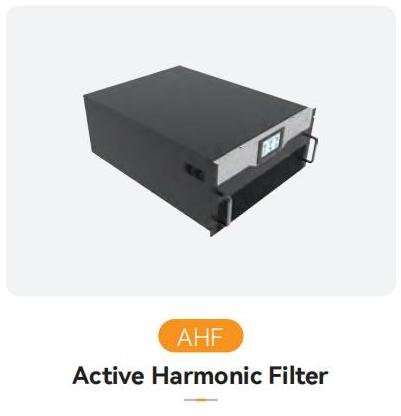
활성 고조파 필터 (AHF) in a solar power plant is a power quality device used to detect and compensate for harmonic currents generated by photovoltaic inverters and other nonlinear electrical equipment.
In grid-connected PV systems, inverters often produce 5th, 7th, and other harmonic currents, which can affect transformers, 케이블, switchgear, and utility grid compliance. An AHF helps reduce these harmonics in real time, improving overall power quality, system efficiency, and grid stability.
2. Why do photovoltaic inverters generate harmonic distortion?
Photovoltaic inverters generate harmonic distortion because they use high-frequency switching technology to convert DC power from solar panels into AC power for the grid.
Although this conversion process is essential, it can also create unwanted harmonic currents, especially in large-scale or distributed inverter systems. If these harmonics are not properly controlled, they may lead to:
- 전기 손실 증가
- 변압기 과열
- Utility grid compliance issues
- Interference with metering and protection devices
That is why many modern PV plants require harmonic mitigation solutions such as Active Harmonic Filters.
3. Why is harmonic mitigation important for utility-scale solar power plants?
Harmonic mitigation is important in utility-scale solar plants because excessive harmonics can negatively affect both plant operation and grid interconnection performance.
적절한 고조파 필터링 없이, a solar power plant may experience:
- 높은 THDi (전류의 총 고조파 왜곡)
- Reduced transformer lifespan
- Higher cable and line losses
- Lower energy efficiency
- Difficulty meeting local utility or grid code requirements
Installing an Active Harmonic Filter for a solar power plant helps ensure the system operates more safely, 효율적으로, and in compliance with grid standards.
4. What harmonic orders are most common in PV inverter systems?
In many photovoltaic inverter systems, the most common low-order harmonics are the:
- 5th harmonic
- 7th harmonic
These harmonics are frequently observed in inverter-based renewable energy applications and can become dominant contributors to overall current distortion.
In the Vietnam PV case, the 5th harmonic current was the primary issue, while the 7th harmonic current was also monitored and compensated during the commissioning process.
5. How does an Active Harmonic Filter work in a PV system?
An Active Harmonic Filter works by continuously monitoring the electrical current in the system, identifying harmonic components, and then injecting an equal but opposite compensation current to cancel them out.
In a photovoltaic system, this means the AHF can:
- Detect inverter-generated harmonic currents in real time
- Suppress specific harmonic orders such as the 5th and 7th
- Prevent harmonic current from propagating into the medium-voltage and high-voltage grid
- Improve compliance with utility harmonic limits
This makes AHFs especially suitable for dynamic renewable energy applications where output conditions change throughout the day.
6. Where should an Active Harmonic Filter be installed in a solar power plant?
The best installation point depends on the plant’s electrical architecture and harmonic source distribution.
In many distributed PV systems, the most effective approach is to install the Active Harmonic Filter near each inverter or inverter output circuit, because this allows harmonic currents to be suppressed directly at the source.
This source-level strategy can offer several advantages:
- More precise harmonic compensation
- Better filtering performance
- Reduced harmonic propagation upstream
- Improved transformer and cable protection
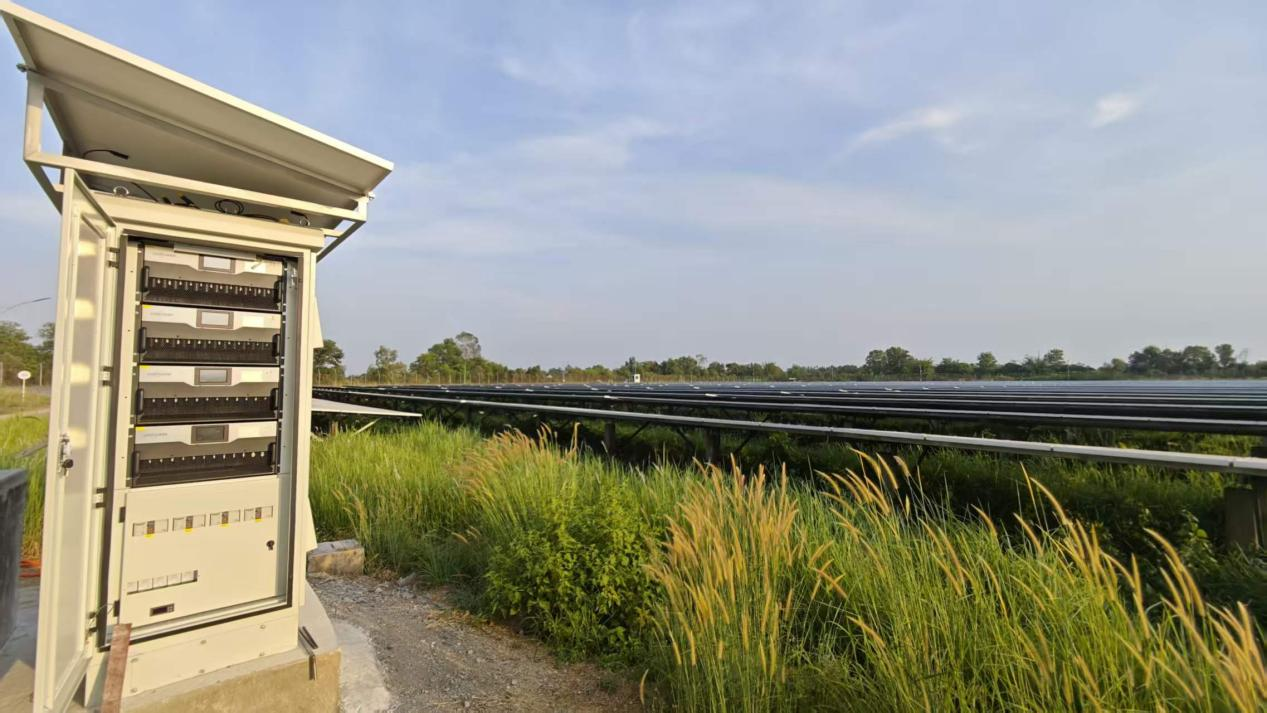
In the Vietnam project, CoEpower AHFs were installed in parallel at each inverter, which proved highly effective for harmonic control.
7. What is THDi and why is it important in solar power systems?
THDi stands for Total Harmonic Distortion of Current. It is a key power quality indicator that shows how much harmonic current is present in relation to the fundamental current.
In solar power systems, THDi is important because utility companies and grid operators often set maximum allowable limits for harmonic distortion at the point of grid connection.
If THDi is too high, the plant may face:
- 그리드 코드 비준수
- Utility connection problems
- Reduced equipment performance
- Higher electrical losses
Lower THDi generally means better power quality and more stable grid integration.
8. What THDi level is considered acceptable for grid-connected PV plants?
The acceptable THDi level depends on the local grid code, utility requirements, and connection voltage level.
In many utility-connected projects, the allowable current distortion at the point of common coupling (PCC) is often around 3% 에게 5%, although this varies by country and standard.
In this Vietnam project, the required limit at the grid connection point was:
- thdi / TDDi ≤ 3%
- 개별 고조파 왜곡 ≤ 2%
After CoEpower’s AHF solution was implemented, the plant achieved a final THDi of 1.1%, well below the required threshold.
9. What are the benefits of using an Active Harmonic Filter instead of a passive filter?
Compared with passive filters, Active Harmonic Filters offer several advantages for solar power plants and inverter-based electrical systems.
Main benefits of AHF include:
- Real-time dynamic compensation
- Better adaptability to changing solar output
- More precise harmonic targeting
- Lower resonance risk
- Easier integration in distributed inverter systems
Passive filters may work well in some fixed-load applications, but in PV plants where operating conditions change constantly, AHFs are often the more flexible and effective solution.
10. Can an Active Harmonic Filter improve transformer performance in a solar power plant?
예. By reducing harmonic current flowing through the electrical network, an Active Harmonic Filter can help reduce additional heating and electrical stress on transformers.
많은 경우에, this can result in:
- Lower transformer operating temperature
- Reduced insulation stress
- Better transformer efficiency
- Longer equipment service life
In this case study, the project data showed that transformer operating temperature was reduced by approximately 18% after harmonic mitigation was implemented.
11. Can harmonic filtering improve energy efficiency in photovoltaic plants?
예. Harmonic currents increase electrical losses in cables, 변압기, and other power system components. By reducing those losses, harmonic filtering can help improve the overall efficiency of the plant.
Potential benefits include:
- Lower line losses
- Better transformer efficiency
- Improved energy export performance
- Higher long-term operational return
In the Vietnam PV project, the reduction in harmonic losses contributed to an estimated ~1.2% annual energy yield improvement.
12. How many Active Harmonic Filters are needed for a solar power plant?
The number of Active Harmonic Filters required depends on several project-specific factors, 포함:
- Total installed capacity
- Number of inverters
- Harmonic current level
- Electrical system architecture
- Utility harmonic limits
- Required compliance margin
There is no one-size-fits-all answer. Each project should be evaluated based on actual harmonic measurements and system design.
이 프로젝트에서는, CoEpower deployed:
- 2 PV 인버터당 AHF 장치
- 16 inverters total
- 32 Active Harmonic Filter units overall
13. Can Active Harmonic Filters be used in other renewable or industrial applications?
예. Active Harmonic Filters are widely used not only in photovoltaic power plants, but also in many other industries and electrical systems where nonlinear loads create harmonic distortion.
Typical applications include:
- Wind power systems
- Battery energy storage systems (BESS)
- 데이터 센터
- Industrial manufacturing plants
- Water treatment facilities
- 상업용 건물
- EV charging infrastructure
- Hospitals and critical facilities
Any system with inverter-based or nonlinear loads may benefit from harmonic mitigation.
14. How do I know if my solar power plant needs an Active Harmonic Filter?
Your solar power plant may need an Active Harmonic Filter if you are experiencing one or more of the following issues:
- High THDi or harmonic current readings
- Utility grid compliance concerns
- 변압기 과열
- Unexplained electrical losses
- Metering or relay disturbances
- Harmonic-related alarms or commissioning failures
The best way to confirm the need is to perform a power quality analysis and harmonic measurement at the relevant connection points.
15. Can CoEpower provide customized harmonic mitigation solutions for PV projects?
예. CoEpower provides customized Active Harmonic Filter solutions for photovoltaic power plants, 재생 가능한 에너지 시스템, and industrial electrical applications.
Our engineering team can support customers with:
- 고조파 분석
- AHF model selection
- Capacity calculation
- System integration recommendations
- Technical support for commissioning and optimization
If your project involves PV inverter harmonics, grid compliance challenges, or power quality issues, CoEpower can help design a suitable solution.
태그: Active Harmonic Filters in Solar Power Plants, PV inverter harmonics, power quality solutions for solar power plants, harmonic mitigation solutions for PV projects, 공급 업체, 제조업체, 공장, 회사, 중국, 모조리, 구입하다, 가격, 인용, 대부분, 판매용, 회사, 재고, 비용.