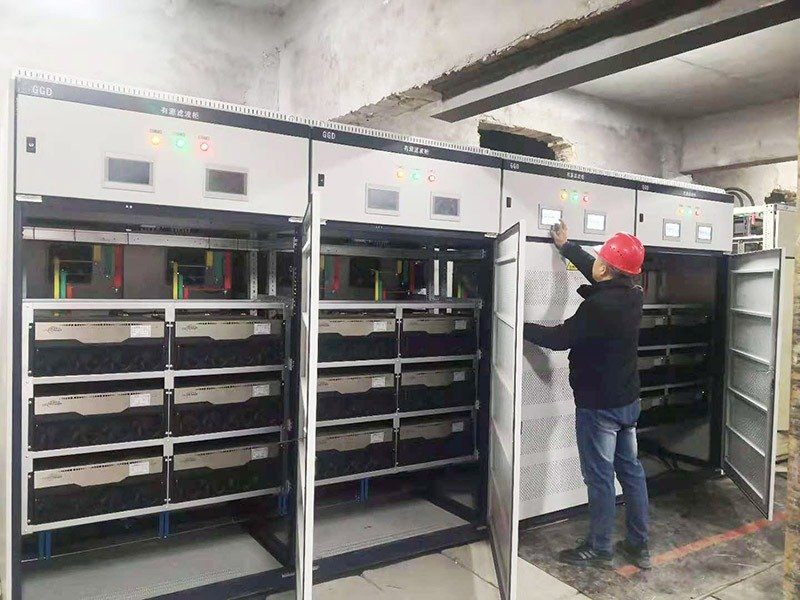
В контексте обновлений электрической системы, Расширение производства, и все более сложная промышленная среда, Многие компании сталкиваются с такими проблемами, как «плохое качество электроэнергии, частые сигналы тревоги оборудования, и внезапное увеличение энергопотребления». Первопричиной зачастую является не одно-единственное неисправное устройство, а цепная реакция, запускаемая чрезмерными гармониками в энергосистеме.. Различные нелинейные нагрузки — частотно-регулируемые приводы (VFDS), большие системы ИБП, литьевые машины, дуговые печи, и т. д.. — создают различные гармонические спектры, и каждый спектр требует своей собственной стратегии смягчения последствий. Для инженеров-электриков и менеджеров по снабжению, балансировка производительности, масштабируемость, и стоимость при выборе активного фильтра гармоник (AHF) становится как технической, так и коммерческой проблемой.
Ниже систематически объясняется логика выбора AHF и практические моменты с четырех точек зрения: технические принципы., основы выбора, тематические исследования на местах, и часто задаваемые вопросы, которые помогут вам принимать более взвешенные решения..
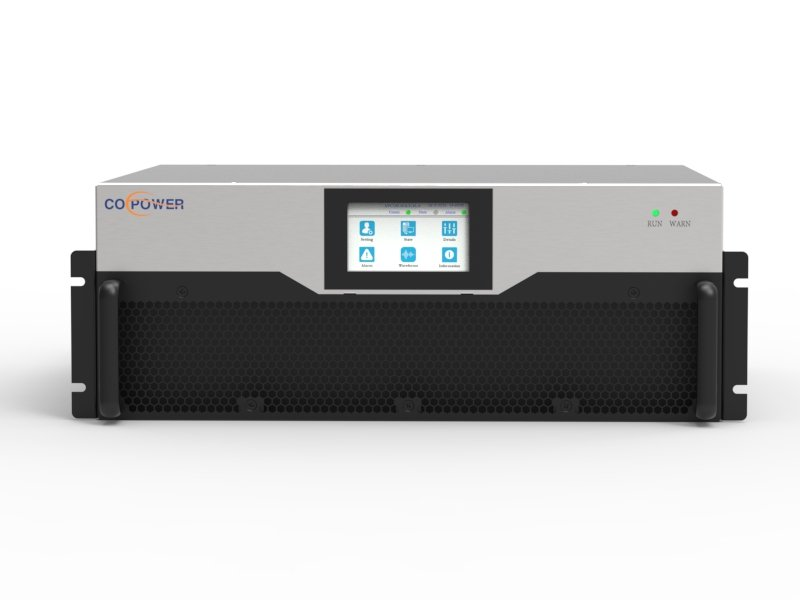
1. Краткий обзор активного фильтра гармоник (AHF) Принципы и основные факторы выбора
Активные фильтры гармоник отличаются от традиционных пассивных фильтров.. AHF использует высокоскоростной цифровой сигнальный процессор для обнаружения гармонических токов системы в реальном времени и подачи компенсирующих токов противоположной фазы., динамическое подавление гармоник — обычно со 2-го по 50-й порядок.. Типичные преимущества включают в себябыстрый ответ, высокая точность компенсации, низкая зависимость от импеданса системы, ихорошая адаптируемость к изменяющимся условиям эксплуатации.
При выборе AHF, обратите особое внимание на следующие параметры и размеры:
Характеристики нагрузки и профиль гармоник:
Различные нелинейные нагрузки (VFDS, UPSS, литьевые машины, дуговые печи, и т. д.) производят заметно разные распределения гармоник. Частотно-регулируемые приводы обычно генерируют концентрированные гармоники нечетного порядка.; дуговые печи могут генерировать широкополосные гармоники и прерывистые импульсы..
Рекомендация: основывать выбор на измерениях на месте и выполнять анализ гармонического спектра во время фактической эксплуатации нагрузки, а не полагаться исключительно на данные паспортной таблички.
Номинальная мощность и компенсационная способность:
Номинальная мощность AHF должна основываться на среднеквадратичном значении полного гармонического тока нагрузки. (Эхячас). Отраслевая практика рекомендует выбирать размер AHF как минимум 120% измеренного полного гармонического тока (Т.е., применить 1.2 Коэффициент безопасности) для обработки мгновенных пиков и будущего расширения.
Предупреждение: различать номинальный ток, Компенсационный ток, и общую емкость системы после распараллеливания, чтобы избежать ошибок при определении размера, которые ухудшают эффективность смягчения последствий..
Скорость реакции и алгоритмы управления:
Время реакции напрямую влияет на подавление переходных гармоник и эффективность при изменении режима работы.. Интеллектуальные AHF обычно имеют время отклика ≤ 15 РС; это критически важно в быстро меняющихся промышленных условиях.
Масштабируемость и возможность параллельного выполнения:
Поскольку проекты часто испытывают рост нагрузки или расширение, выбор AHF, поддерживающего параллельное и модульное обновление, снижает затраты на модернизацию в дальнейшем.
Коммуникации и интеллектуальный О&М-возможности:
Поддержка Modbus, Ethernet, и облачные платформы облегчают централизованный мониторинг, удаленная настройка параметров, и профилактическое обслуживание. Сбор данных и удаленная диагностика значительно сокращают время обнаружения неисправности..
Соблюдение требований и влияние на энергоэффективность:
Высококачественный AHF должен помочь системе соответствовать национальным и отраслевым стандартам. (НАПРИМЕР., IEEE 519) и обеспечить дополнительные преимущества, такие как снижение искажений напряжения и оптимизация реактивной мощности., тем самым снижая потери и операционные расходы.
2. Основные характеристики интеллектуального решения AHF от CoEpower
Среди производителей, CoEpower предоставляет полную систему подавления активных гармоник для промышленных и коммерческих сценариев.. Ключевые особенности включают в себя:
Широкий ассортимент продукции и гибкий размер.:
Мощность одного модуля от 5 А к 200 А, с поддержкой практически неограниченного параллельного подключения и диапазона напряжений 110 V–800 V.
Адаптивный алгоритм компенсации гармоник:
Автоматически распознает гармонические структуры основных нелинейных нагрузок и обеспечивает компенсацию в реальном времени гармоник 2–50 порядков.. Алгоритм демонстрирует высокую устойчивость к спектральному дрейфу и импульсным нагрузкам..
Быстрый отклик и стабильное управление:
Полное время ответа <10 РС, поддержание высокой эффективности подавления при переходных режимах и снижение переходных нагрузок на оборудование.
Преимущества энергосбережения и соответствия требованиям:
За счет снижения дополнительных потерь, вызванных гармониками, и нагрева оборудования., решение помогает клиентам соответствовать таким стандартам, как IEEE 519, обеспечивая при этом значительную энергию и O&М снижение затрат.
Открытые коммуникации и O&Платформа М:
Поддерживает Modbus, Ethernet, и интеграция с облаком для централизованного мониторинга, управление тревогами, и удаленное устранение неполадок для снижения затрат на техническое обслуживание.
3. Комплексное смягчение последствий изменения климата в индустриальных парках — практический пример
Полевые проекты служат конкретным доказательством эффективности смягчения последствий. Типичное описание дела:
Проект фон:
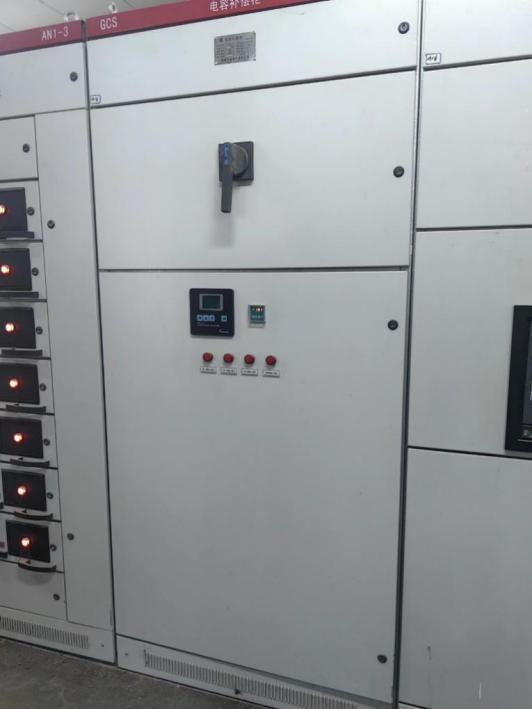
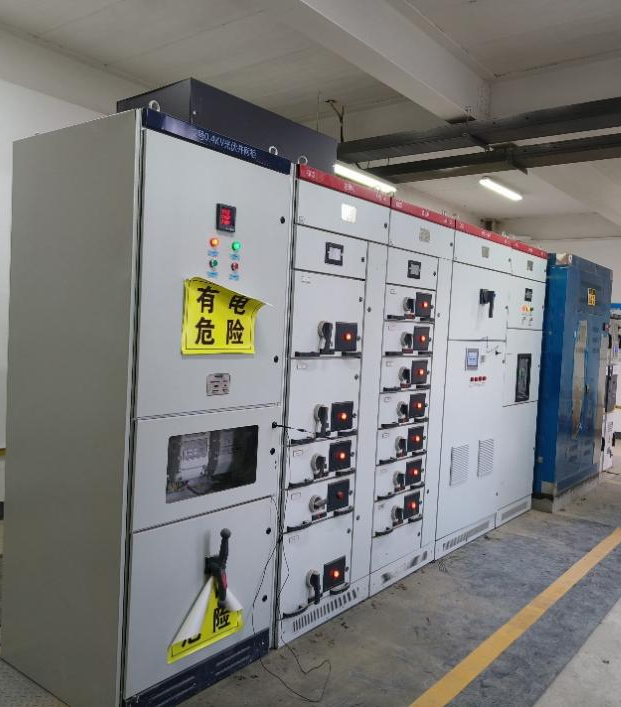
Крупный промышленный парк в провинции Чжэцзян имел 25 ЧРП управляют несколькими производственными линиями. Превышение системного THDi 35%, вызывающий перегрев оборудования, Ложные тревоги ПЛК, и риски остановки производства.
Решение реализовано:
Шесть CoEpower 300 Были развернуты AHF, с измерением гармоник и оптимизацией конфигурации параллельного подключения, применяемой к критическим цепям.
Результаты:
THDi снизился с >35% ниже 6%; Значительно сократились перегрев оборудования и ложные срабатывания; годовая экономия затрат на электроэнергию составила около юаней. 280,000; интенсивность отказов оборудования снизилась почти 50%.
Более широкая применимость:
Подобные решения апробированы в дата-центрах, больницы, железнодорожная инфраструктура, и умные здания, демонстрация хорошей общности и экономической выгоды.
Этот случай показывает, чтоточное измерение гармоник, надлежащее резервирование мощности и схема параллельного подключения, иадаптивный контроллер имеют важное значение для достижения долгосрочного стабильного смягчения последствий.
4. Как провести научный процесс отбора AHF (Практические шаги)
Для инженеров-реализаторов или групп закупок, выполните следующие действия:
Обследование объекта и сбор данных
Собирать ток, Напряжение, и данные гармонического спектра (хотя бы до 50-й гармоники) в типичных условиях эксплуатации. Запись периодических изменений нагрузки, пиковые условия, и запланированные расширения.
Анализ гармонического спектра и постановка целей по смягчению последствий
Определите основные гармонические компоненты (нечетные/четные порядки и распределение амплитуд); установить целевой уровень THDi или уровни подавления для порядков ключевых гармоник.
Рассчитать компенсационную мощность и коэффициент резервирования
Базовый размер основан на измеренном общем токе гармоник и умножен на 1.2 (или более высокий коэффициент, если требуется); оценить потребности в параллельном или модульном расширении.
5. Часто задаваемые вопросы (Часто задаваемые вопросы)
В чем основная разница между AHF и пассивными фильтрами??
Активный фильтр (AHF) выполняет динамическую компенсацию путем электронного введения обратных токов и адаптируется в реальном времени к изменениям нагрузки. Он имеет более широкую полосу фильтрации и меньшую чувствительность к сопротивлению системы.. Пассивные фильтры проще и имеют меньшую первоначальную стоимость, но на них больше влияют изменения импеданса системы и нагрузки, а также они менее адаптивны к спектральному дрейфу..
Насколько большим должен быть AHF?
Размер основан на измеренном на месте среднеквадратичном значении полного гармонического тока., применение 1.2 коэффициент запаса прочности и учитывая будущий рост нагрузки. Если ожидаются частые большие пики или значительное расширение, соответственно увеличить избыточность.
Где следует устанавливать AHF в распределительной системе?
Обычно устанавливают на главном распределительном щите или рядом с основными источниками гармоник. (НАПРИМЕР., концентрированные группы VFD) для достижения максимально быстрого подавления и минимизации влияния параллельного подключения.
Как следует оценивать рентабельность инвестиций?
Помимо прямой экономии энергии, учитывать снижение затрат на техническое обслуживание, увеличенный срок службы критического оборудования, и меньше остановок производства. Комплексный расчет годовой выгоды дает более точную оценку окупаемости..
6. Выводы и рекомендуемые действия
Заключение: Уменьшение гармоник — это не просто решение о закупках, а задача системного проектирования, которая сочетает в себе измерение, инженерия, и О&М. Правильные начальные измерения, адекватное резервирование мощности, быстрые и адаптивные алгоритмы управления, и масштабируемая аппаратная архитектура являются ключом к обеспечению долгосрочной эффективности..
Рекомендуемые действия: Если вы столкнулись с гармоническими нарушениями или аномалиями оборудования, расставить приоритеты в измерении гармонического спектра на месте и разработать план выбора на основе измеренных данных. Выбирайте AHF с проверенными практическими примерами, возможность параллельного подключения/расширения, и открытые коммуникации для снижения рисков реализации и повышения доходности инвестиций..
Если вам требуется более адресная техническая поддержка или индивидуальное решение по подбору (включая «анализ гармоник нагрузки» + интеллектуальное моделирование размеров»), свяжитесь с командой экспертов CoEpower. Мы можем предоставить профессиональную оценку и план реализации на основе данных вашего объекта, чтобы помочь вашему проекту безопасно работать., послушно, и эффективно.