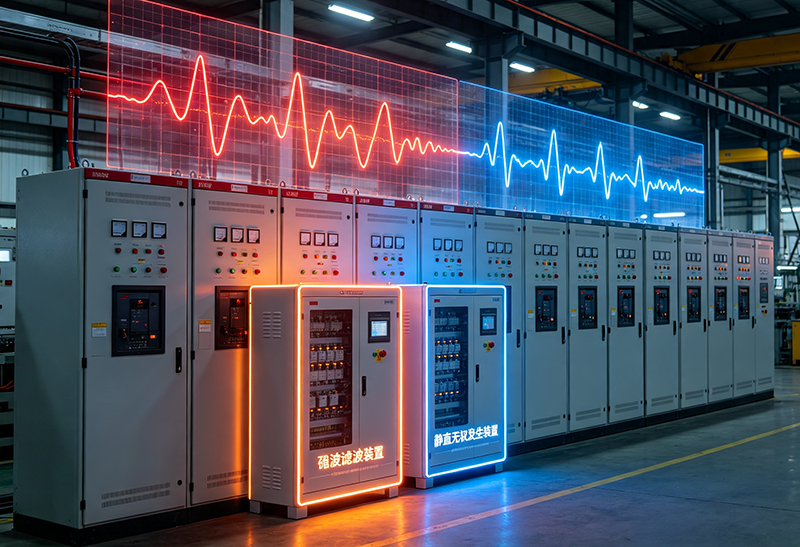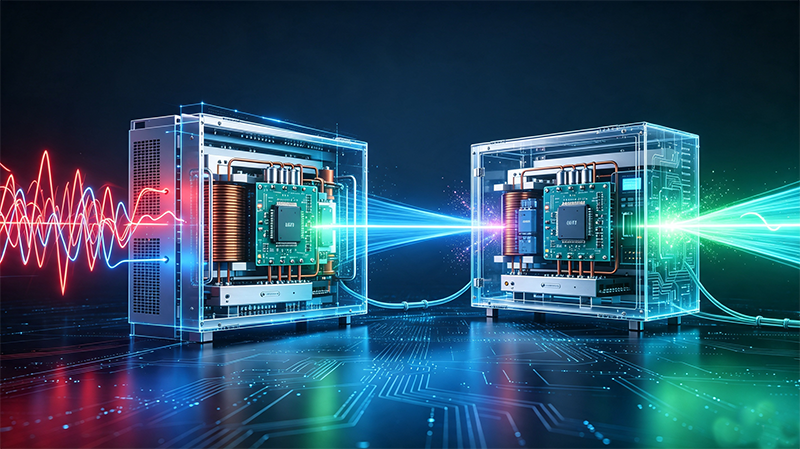
En las industrias actuales que consumen mucha energía, Garantizar sistemas eléctricos estables y eficientes es fundamental.. Desde plantas de fabricación hasta centros de datos, La mala calidad de la energía, causada por armónicos y un bajo factor de potencia, puede provocar fallas en los equipos., perdidas de energia, y costoso tiempo de inactividad.
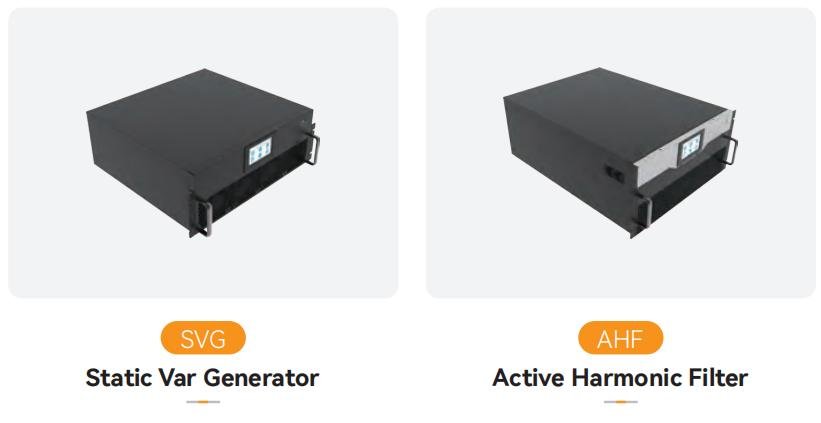
En CoEpower, Nos especializamos en ofrecer soluciones avanzadas de calidad de energía., incluido Filtros armónicos activos (AHF) y Generadores de var estáticos (SVG). Una de las preguntas más comunes que hacen nuestros clientes es:
“¿Cómo dimensionamos correctamente AHF y SVG para nuestro sistema??"
Esta guía proporciona una práctica, Enfoque respaldado por ingenieros, combinado con experiencia del mundo real de proyectos CoEpower, para ayudarlo a tomar la decisión correcta..
Por qué es fundamental dimensionar la capacidad con precisión
El dimensionamiento inadecuado es uno de los errores más comunes en proyectos de calidad eléctrica..
Sistema de tamaño insuficiente
- Filtrado de armónicos incompleto
- El factor de potencia sigue siendo bajo
- Riesgos de sobrecalentamiento del equipo
Sistema sobredimensionado
- Mayor inversión inicial
- Menor retorno de la inversión
- Utilización ineficiente del sistema.
En CoEpower, siempre enfatizamos la precisión + flexibilidad, Garantizar que cada solución sea técnicamente efectiva y rentable..
Cálculo de capacidad AHF (Filtrado armónico)
¿Qué hace la ICA??
Un filtro armónico activo (AHF) Elimina dinámicamente las corrientes armónicas generadas por cargas no lineales como:
- VFDS
- Sistemas UPS
- Rectificadores
Método de cálculo paso a paso
1. Medir la corriente de carga (I)
Utilice un analizador de calidad de energía para obtener datos precisos en tiempo real.
2. Medir THDi (Distorsión armónica total)
Esto indica qué tan grave es la contaminación armónica..
3. Calcular la corriente armónica
Ih = I × THDi
Ejemplo:
- Corriente de carga = 100 A
- THDi = 30%
Corriente armónica = 30 A
4. Definir objetivo de compensación
Estándar de la industria:
80%–95% de mitigación de armónicos
AHF requerido = 30 Una × 90% = 27 A
5. Agregar margen de ingeniería
En CoEpower, recomendamos:
+10% a 20% margen
Selección final:
30–35 A AHF
Perspectiva de CoEpower
Nuestras soluciones modulares AHF permiten:
- Expansión paralela
- Respuesta dinámica < 5 EM
- Cumplimiento de IEEE 519
Esto garantiza la escalabilidad a largo plazo sin sobredimensionar en la etapa inicial..
Cálculo de capacidad SVG (Compensación de potencia reactiva)
¿Qué hace SVG??
Un generador de var estático (SVG) Mejora el factor de potencia compensando dinámicamente la potencia reactiva..
Cálculo paso a paso
1. Determinar la potencia activa (PAG)
Ejemplo:
pag = 100 kilovatios
2. Identificar el factor de potencia actual
Ejemplo:
FP = 0.75
3. Establecer el factor de potencia objetivo
Objetivo típico:
FP ≥ 0.95
4. Aplicar fórmula
Q = P × (tanφ₁ − tanφ₂)
Resultado de ejemplo
De FP 0.75 → 0.95
SVG requerido ≈ 50–60 kVar
5. Agregar margen
SVG final:
60–70 kvar
Ventaja de ingeniería de CoEpower
Oferta de sistemas CoEpower SVG:
- Respuesta rápida (<10 EM)
- Compensación reactiva continua
- Rendimiento estable bajo cargas fluctuantes
AHF frente a SVG: ¿Cuál necesitas??
| Característica | AHF | SVG |
|---|---|---|
| Función | Mitigación armónica | Corrección del factor de potencia |
| Unidad | A | izquierda |
| Resuelve | Armonía (Thdi) | Potencia reactiva |
| Mejor para | Cargas no lineales | Cargas inductivas |
En muchos proyectos del mundo real, ambos problemas coexisten.
✔ Recomendación CoEpower:
Utilice un AHF híbrido + Solución SVG para una gestión completa de la calidad de la energía.
Escenarios de aplicaciones del mundo real
Basado en la experiencia del proyecto CoEpower:
Plantas de fabricación
- Uso intensivo de VFD
- Altos armónicos + FP bajo
Centros de datos
- Equipos sensibles
- Requisitos estrictos de calidad de energía
Plantas de Tratamiento de Agua
- Sistemas de bombeo
- Operación continua
Sistemas de energía renovable
- Inversores solares
- Desafíos de cumplimiento de la red
Enfoque de solución llave en mano de CoEpower
En CoEpower, No solo suministramos productos: ofrecemos soluciones completas.:
✔ Análisis de calidad de energía en sitio
Recopilación precisa de datos mediante analizadores avanzados
✔ Diseño de sistema personalizado
Configuración AHF/SVG personalizada
✔ Arquitectura de producto modular
Escalable y preparado para el futuro
✔ Experiencia en proyectos globales
Éxito comprobado en todas las industrias
Mejores prácticas para obtener resultados óptimos
Para maximizar el rendimiento del sistema:
- Realice siempre mediciones in situ
- Incluya un margen de diseño del 10 al 20 %
- Plan para una futura expansión de carga
- Garantizar el cumplimiento de IEEE 519 / Normas IEC
- Considere soluciones integradas (AHF + SVG)
Conclusión
El dimensionamiento correcto de la capacidad es la base de cualquier solución exitosa de calidad de energía.
- AHF = corriente armónica (A)
- SVG = potencia reactiva (izquierda)
- Precisión + margen = rendimiento óptimo
Con el enfoque correcto y el socio adecuado como CoEpower, puede lograr:
✅ Mejora de la eficiencia energética
✅ Costos operativos reducidos
✅ Confiabilidad mejorada del sistema
Etiquetas: Solución CoEpower AHF, Dimensionamiento del filtro de armónicos activos, Cálculo de capacidad SVG, proveedor de soluciones de calidad de energía, sistema de mitigación armónica, compensación de potencia reactiva kVar, optimización de la calidad de la energía industrial, proveedor, fabricantes, fábrica, compañía, Porcelana, al por mayor, comprar, precio, cotización, a granel, a venta, empresas, existencias, costo.