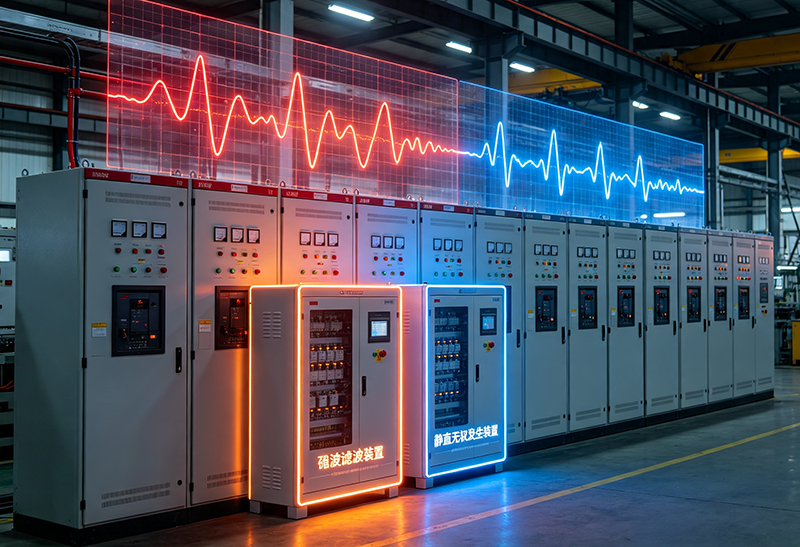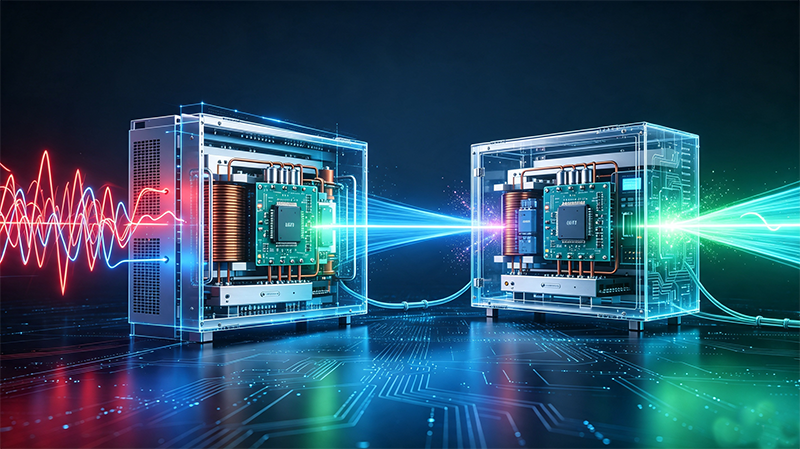
En los sistemas de energía industriales y comerciales actuales, La distorsión armónica se ha convertido en un desafío creciente.. A medida que más instalaciones dependen de cargas eléctricas no lineales, como los variadores de frecuencia (VFDS), Sistemas UPS, Iluminación LED, EV CARGERS, máquinas de soldadura, y equipos de centro de datos, La cuestión de los armónicos ya no se puede ignorar..
En Coeperar, frecuentemente ayudamos a los ingenieros, contratistas EPC, y los administradores de instalaciones resuelven problemas de calidad de energía causados por armónicos. Dos de las soluciones más comúnmente discutidas son filtros de armónicos monofásicos y filtros armónicos activos (AHFS).
Aunque ambas tecnologías están diseñadas para reducir la distorsión armónica, difieren significativamente en los principios de diseño, escenarios de aplicación, actuación, y costo. En este artículo, Explicaremos las diferencias clave entre los filtros de armónicos monofásicos y los filtros de armónicos activos desde la perspectiva de un ingeniero eléctrico senior..
¿Qué son los armónicos en los sistemas eléctricos??
Los armónicos son formas de onda de voltaje o corriente que operan a frecuencias que son múltiplos de la frecuencia fundamental. (50Hz o 60 Hz). Se generan principalmente por cargas no lineales que consumen corriente en pulsos abruptos en lugar de ondas sinusoidales suaves..
Fuentes comunes de armónicos incluyen:
- Variadores de frecuencia (VFDS)
- Fuentes de alimentación conmutadas
- Centros de datos
- Inversores solares
- Estaciones de carga EV
- Sistemas UPS
- sistemas de iluminación LED
- Hornos de arco
Una distorsión armónica excesiva puede causar:
- Sobrecalentamiento del transformador
- Fallas en el banco de capacitores
- Tropiezos molestos
- Eficiencia del motor reducida
- Aumento de las pérdidas de energía.
- Cable sobrecalentado
- Mal funcionamiento del equipo
- Factor de potencia reducido
- Mayores costos de mantenimiento
Para mitigar estos problemas, Se implementan tecnologías de filtrado de armónicos..
¿Qué es un filtro de armónicos monofásico??
A filtro de armónicos monofásico es un dispositivo de filtrado diseñado específicamente para sistemas eléctricos monofásicos.. Se utiliza comúnmente para suprimir corrientes armónicas generadas por cargas monofásicas..
Estos filtros suelen ser filtros pasivos compuestos de:
- Condensadores
- Inductores
- Resistencias
El filtro está sintonizado a frecuencias armónicas específicas., como el 3er, 5th, o 7mo armónicos.
Cómo funcionan los filtros de armónicos monofásicos
Los filtros de armónicos monofásicos funcionan creando una ruta de baja impedancia para las corrientes armónicas.. En lugar de regresar al sistema eléctrico, Las corrientes armónicas se desvían al circuito de filtrado..
La mayoría de los filtros monofásicos son pasivos., lo que significa que no inyectan activamente corrientes de compensación. En cambio, Se basan en circuitos LC sintonizados para absorber armónicos específicos..
Las ubicaciones de instalación típicas incluyen:
- Sistemas residenciales
- Pequeños edificios comerciales
- Equipo de oficina
- Instrumentos de laboratorio
- Equipos de telecomunicaciones
- Sistemas UPS monofásicos
- Pequeños dispositivos médicos
¿Qué es un filtro armónico activo? (AHF)?
Un Filtro armónico activo (AHF) es un dispositivo electrónico avanzado de calidad de energía que detecta y compensa dinámicamente corrientes armónicas en tiempo real.

A diferencia de los filtros pasivos, Los AHF utilizan electrónica de potencia y tecnología de procesamiento de señales digitales para inyectar corrientes armónicas inversas en el sistema..
Esto cancela eficazmente los armónicos no deseados en un amplio rango de frecuencia..
Cómo funcionan los filtros armónicos activos
Los filtros de armónicos activos monitorean continuamente las corrientes de carga utilizando transformadores de corriente. (TC). El controlador analiza el espectro armónico y genera corrientes de compensación iguales en magnitud pero opuestas en fase..
El resultado es una cancelación armónica y una calidad de forma de onda mejorada..
Los AHF normalmente pueden:
- Reduzca el THDi a continuación 5%
- Compensar múltiples órdenes armónicas simultáneamente
- Mejorar el factor de potencia
- Equilibrio de cargas trifásicas
- Reducir las corrientes neutras.
- Adaptarse dinámicamente a las cargas cambiantes
Los filtros de armónicos activos se utilizan ampliamente en:
- Plantas industriales
- Centros de datos
- Hospitales
- Fabricación de semiconductores
- Edificios comerciales
- Sistemas de energía renovable
- Infraestructura de carga de vehículos eléctricos
- Fábricas inteligentes
Diferencias clave entre filtros de armónicos monofásicos y filtros de armónicos activos
1. Principio de funcionamiento
Filtro Armónico Monofásico
Los filtros de armónicos monofásicos son generalmente dispositivos pasivos.. Absorben frecuencias armónicas específicas utilizando circuitos LC sintonizados..
Su desempeño depende en gran medida de:
- Impedancia del sistema
- Condiciones de carga
- Estabilidad de frecuencia armónica
Filtro armónico activo
Los AHF generan activamente corrientes de compensación en tiempo real utilizando electrónica de potencia y algoritmos DSP.
Pueden responder instantáneamente a condiciones armónicas cambiantes y compensar dinámicamente.
2. Rango de compensación armónica
Filtro Armónico Monofásico
Los filtros pasivos suelen estar sintonizados para uno o varios órdenes armónicos..
Por ejemplo:
- 3filtro de tercer armónico
- 5th filtro armónico
- 7th filtro armónico
Son menos efectivos para la mitigación de armónicos de amplio espectro..
Filtro armónico activo
Los AHF pueden compensar:
- 2armónicos nd al 50
- Múltiples armónicos simultáneamente
- Cargas armónicas dinámicas y fluctuantes.
Esto proporciona una protección significativamente más amplia..
3. Flexibilidad del sistema
Filtro Armónico Monofásico
Los filtros pasivos quedan relativamente fijos una vez instalados..
Si la carga cambia significativamente, el rendimiento del filtro puede disminuir.
Filtro armónico activo
Los AHF son altamente adaptables y responden automáticamente a las variaciones de carga en tiempo real..
Esto los hace ideales para sistemas eléctricos modernos con cargas dinámicas..
4. Complejidad de instalación
Filtro Armónico Monofásico
La instalación es generalmente sencilla y rentable..
Son adecuados para:
- Pequeños sistemas
- Problemas armónicos simples
- Presupuestos limitados
Filtro armónico activo
Los AHF requieren:
- Transformadores de corriente
- Configuración del controlador
- Análisis armónico adecuado
- Puesta en marcha más sofisticada
Sin embargo, Proporcionan un rendimiento mucho mayor..
5. Riesgo de resonancia
Filtro Armónico Monofásico
Los filtros armónicos pasivos pueden crear problemas de resonancia con el sistema de energía..
Potencialmente, esto puede amplificar los armónicos en lugar de reducirlos..
A menudo son necesarios estudios del sistema antes de la instalación..
Filtro armónico activo
Los AHF no dependen de la sintonización de resonancia y, por lo tanto, evitan riesgos de resonancia.
Esto mejora significativamente la confiabilidad del sistema..
6. Corrección del factor de potencia
Filtro Armónico Monofásico
Algunos filtros pasivos también pueden mejorar el factor de potencia..
Sin embargo, la capacidad de corrección es limitada.
Filtro armónico activo
Muchos AHF modernos integran:
- Mitigación armónica
- Compensación de potencia reactiva
- Corrección del factor de potencia
- Equilibrio de carga
Esto los convierte en una solución multifuncional de calidad de energía..
7. Requisitos de mantenimiento
Filtro Armónico Monofásico
Los filtros pasivos generalmente requieren un mantenimiento mínimo.
Sin embargo, El envejecimiento del condensador y el estrés térmico pueden eventualmente reducir el rendimiento..
Filtro armónico activo
Los AHF contienen sistemas electrónicos y de refrigeración avanzados.
Se recomienda una inspección periódica, pero los AHF modernos son muy fiables e inteligentes.
8. Comparación de costos
Filtro Armónico Monofásico
Ventajas:
- Menor inversión inicial
- diseño sencillo
- Económico para aplicaciones pequeñas
Desventajas:
- Capacidad de compensación limitada
- Menos flexible
- Posibles problemas de resonancia
Filtro armónico activo
Ventajas:
- Supresión armónica superior
- Rendimiento dinámico
- Capacidad multifunción
Desventajas:
- Mayor costo inicial
- Instalación más compleja
Sin embargo, Los AHF a menudo generan costos operativos más bajos a largo plazo debido a una mayor eficiencia energética y menores fallas en los equipos..
Tabla de comparación: Filtro de armónicos monofásico frente a filtro de armónicos activo
| Característica | Filtro Armónico Monofásico | Filtro armónico activo |
|---|---|---|
| Tecnología | Circuito LC pasivo | Compensación electrónica de potencia |
| Tipo de compensación | Fijado | Dinámica |
| Rango armónico | Armónicos específicos | Armónicos de amplio espectro |
| Adaptabilidad | Limitado | Excelente |
| Riesgo de resonancia | Posible | Ninguno |
| Corrección del factor de potencia | Parcial | Avanzado |
| Instalación | Simple | Moderado |
| Costo | Más bajo | Más alto |
| Mejor para | Pequeños sistemas | Sistemas industriales complejos |
| Mantenimiento | Bajo | Moderado |
¿Cuándo debería elegir un filtro de armónicos monofásico??
Los filtros de armónicos monofásicos son ideales cuando:
- Los problemas armónicos son relativamente simples.
- La carga es estable
- El presupuesto es limitado
- La aplicación es a pequeña escala.
- Sólo es necesario suprimir frecuencias armónicas específicas
Las aplicaciones típicas incluyen:
- Instalaciones residenciales
- Oficinas pequeñas
- Equipo de laboratorio
- Sistemas de telecomunicaciones
- Pequeños sistemas UPS
¿Cuándo debería elegir un filtro armónico activo??
Los filtros de armónicos activos son la opción preferida cuando:
- Los niveles armónicos fluctúan con frecuencia.
- Existen múltiples órdenes armónicos
- Los requisitos de calidad de energía son estrictos.
- La confiabilidad del equipo es crítica
- La instalación contiene componentes electrónicos sensibles.
- Se espera una futura expansión de la carga
Las aplicaciones ideales incluyen:
- Automatización industrial
- Centros de datos
- Fábricas de semiconductores
- Hospitales
- Edificios inteligentes
- Plantas de energías renovables
- Estaciones de carga EV
Por qué la mitigación de armónicos es más importante que nunca
Con la rápida adopción de la automatización, energía renovable, y electrónica de potencia, La contaminación armónica está aumentando a nivel mundial..
Las instalaciones modernas son cada vez más vulnerables a:
- Tiempo de inactividad inesperado
- Desperdicio de energía
- Daño al equipo
- Problemas de cumplimiento
Estándares internacionales como IEEE 519 ahora impone límites más estrictos a la distorsión armónica.
El filtrado armónico adecuado ya no es opcional: es una parte esencial del diseño de sistemas de energía modernos.
Soluciones de filtro de armónicos CoEpower
En Coeperar, Proporcionamos soluciones avanzadas de calidad de energía adaptadas a aplicaciones industriales y comerciales..
Nuestras ofertas incluyen:
- Filtros armónicos activos (AHF)
- Generadores VAR estáticos (SVG)
- Bancos de Condensadores
- Filtros armónicos pasivos
- Sistemas de corrección del factor de potencia
- Soluciones personalizadas de mitigación de armónicos
Nuestro equipo de ingeniería realiza análisis armónicos detallados para ayudar a los clientes a seleccionar la solución más efectiva y rentable para sus instalaciones..
Ya sea que necesite un filtro de armónicos monofásico compacto o un filtro de armónicos activo de alta capacidad para un sistema industrial complejo, CoEpower puede ofrecer soluciones de calidad de energía confiables y eficientes.
Pensamientos finales
Tanto los filtros de armónicos monofásicos como los filtros de armónicos activos desempeñan un papel importante en la gestión de la calidad de la energía..
Un filtro de armónicos monofásico ofrece una solución rentable para estabilidad, problemas armónicos a pequeña escala. En contraste, Un filtro de armónicos activo proporciona una respuesta inteligente., dinámica, y compensación armónica integral para entornos industriales modernos.
La elección de la solución adecuada depende de:
- Severidad armónica
- Características de carga
- Complejidad del sistema
- Presupuesto
- Planes de expansión futuros
A medida que los sistemas eléctricos continúan evolucionando, La tecnología de filtrado activo de armónicos es cada vez más importante para mantener una calidad confiable., eficiente, y operaciones que cumplen con los estándares.
Si su instalación está experimentando problemas relacionados con armónicos, Consultar a ingenieros experimentados en calidad de energía es el mejor primer paso para encontrar la solución óptima..
Etiquetas: Filtro de armónicos monofásico, Filtro armónico activo, Calidad de energía AHF, Filtro de armónicos vs filtro de armónicos activo, Soluciones de mitigación de armónicos, Filtro de armónicos industriales, Mejora de la calidad de la potencia, Supresión de armónicos eléctricos, Filtro armónico pasivo, Compensación armónica dinámica, Ieee 519 cumplimiento armónico, Soluciones de distorsión armónica, Filtro armónico CoEpower, Sistema de filtrado de armónicos, Filtro de armónicos activo trifásico, proveedor, fabricantes, fábrica, compañía, Porcelana, al por mayor, comprar, precio, cotización, a granel, a venta, empresas, existencias, costo.