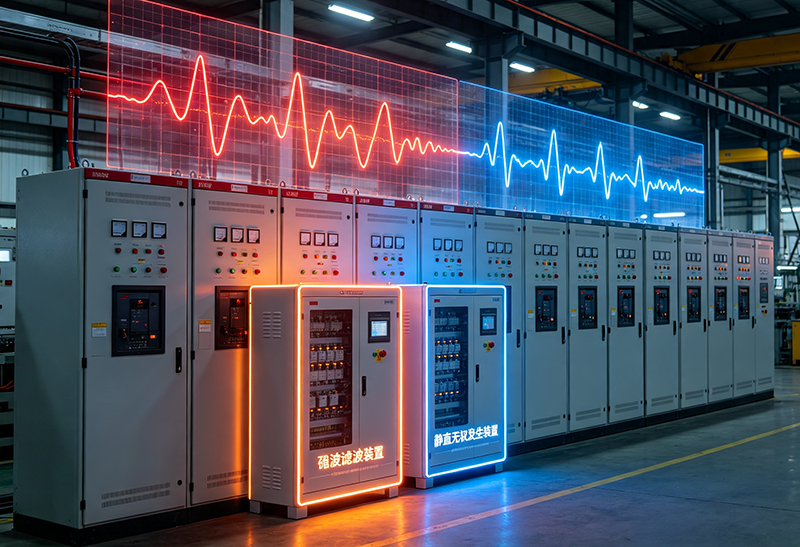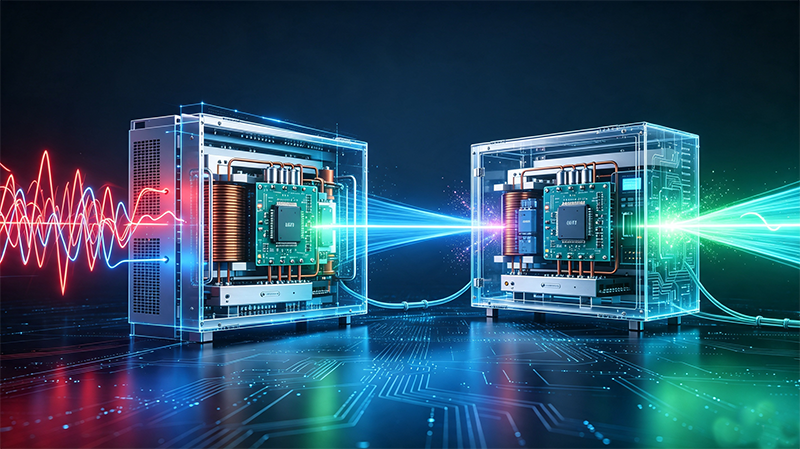
A medida que las instalaciones industriales se vuelven cada vez más dependientes de los equipos electrónicos de potencia, La distorsión armónica se ha convertido en uno de los desafíos de calidad de energía más comunes que enfrentan los ingenieros hoy en día.. Variadores de frecuencia (VFDS), rectificadores, Sistemas UPS, hornos de inducción, EV CARGERS, y los inversores de energía renovable introducen armónicos en los sistemas eléctricos.
Los armónicos excesivos pueden provocar el sobrecalentamiento de los transformadores., fallas de capacitores, tropezones molestos, vida útil reducida del equipo, y problemas de cumplimiento de servicios públicos. Como resultado, Seleccionar la solución de mitigación de armónicos adecuada es esencial para mantener la confiabilidad del sistema y la eficiencia energética..
Entre las soluciones más utilizadas se encuentran filtros de armónicos trifásicos y filtros armónicos activos (APF). Si bien ambas tecnologías están diseñadas para reducir la distorsión armónica, sus principios operativos, características de rendimiento, y los escenarios de aplicación difieren significativamente.
Como ingeniero eléctrico senior en CoEpower, A menudo los administradores de instalaciones y los ingenieros consultores me preguntan:
“¿Debo instalar un filtro de armónicos trifásico tradicional o un filtro de armónicos activo??”
En este artículo, Explicaré las diferencias entre estas dos tecnologías y le ayudaré a determinar qué solución es la mejor para sus instalaciones..
Comprensión de los armónicos en los sistemas de energía industriales
Antes de comparar tecnologías de filtrado, es importante entender qué son los armónicos.
En un sistema eléctrico ideal, Las formas de onda de voltaje y corriente son ondas sinusoidales puras que operan a 50 Hz o 60 Hz.
Sin embargo, Las cargas no lineales consumen corriente en pulsos en lugar de patrones sinusoidales suaves.. Esto crea componentes de frecuencia adicionales conocidos como armónicos..
Los órdenes armónicos comunes incluyen:
- 3tercer armónico (150 Hz)
- 5º armónico (250 Hz)
- 7º armónico (350 Hz)
- 11º armónico (550 Hz)
- 13º armónico (650 Hz)
Cuantos más equipos no lineales se instalen en una instalación, cuanto mayor sea la distorsión armónica.
Las consecuencias típicas incluyen:
- Sobrecalentamiento del transformador
- Mayores pérdidas de cable
- Fallas en el banco de capacitores
- Vibración del motor
- Deterioro del factor de potencia
- Tiempo de inactividad de la producción
- No cumplir con IEEE 519 requisitos
Aquí es donde los filtros de armónicos se vuelven esenciales.
¿Qué es un filtro de armónicos trifásico??
Un filtro de armónicos trifásico., comúnmente conocido como filtro armónico pasivo, es un dispositivo de filtrado compuesto por inductores, condensadores, y a veces resistencias.
Está diseñado para crear una ruta de baja impedancia para frecuencias armónicas específicas., Desviar corrientes armónicas lejos del sistema de energía..
Cómo funciona
Los filtros pasivos están sintonizados para apuntar a frecuencias armónicas predeterminadas..
Por ejemplo:
- 5th filtro armónico
- 7th filtro armónico
- 11th filtro armónico
Cuando hay corrientes armónicas en estas frecuencias, fluyen hacia el filtro en lugar de hacia la red de distribución.
El resultado es una reducción de la distorsión armónica en todo el sistema..
Ventajas de los filtros de armónicos trifásicos
Menor costo inicial
Los filtros pasivos generalmente cuestan menos que los filtros de armónicos activos para la misma clasificación actual..
Esto los hace atractivos para proyectos con presupuestos limitados..
Construcción sencilla
La tecnología se ha utilizado durante décadas y consiste principalmente en componentes eléctricos pasivos..
No se requieren algoritmos de control sofisticados.
Aplicaciones de alta capacidad
Los filtros pasivos se pueden diseñar para cargas industriales muy grandes donde las frecuencias armónicas siguen siendo predecibles..
Compensación de potencia reactiva
Muchos filtros pasivos proporcionan mitigación de armónicos y corrección del factor de potencia simultáneamente..
Limitaciones de los filtros de armónicos trifásicos
A pesar de sus ventajas, Los filtros pasivos tienen varios inconvenientes..
Compensación Fija
Los filtros pasivos solo apuntan a los armónicos para los que están diseñados específicamente.
Si las características de la carga cambian, la eficacia del filtro puede disminuir.
Riesgo de resonancia
Una de las preocupaciones más importantes es la resonancia armónica..
Los filtros pasivos mal diseñados pueden resonar en la red de servicios públicos, en realidad amplificar los armónicos en lugar de reducirlos..
Flexibilidad reducida
Las instalaciones industriales a menudo amplían la producción o instalan nuevos equipos..
Un filtro pasivo diseñado hoy puede no abordar adecuadamente las condiciones armónicas futuras..
Cobertura armónica limitada
La mayoría de los filtros pasivos apuntan solo a órdenes armónicos específicos..
Los armónicos de orden superior pueden permanecer sin tratar.
¿Qué es un filtro armónico activo? (APF)?
Un filtro armónico activo es un dispositivo electrónico de potencia avanzado que mide dinámicamente corrientes armónicas e inyecta corrientes de compensación iguales y opuestas en el sistema..
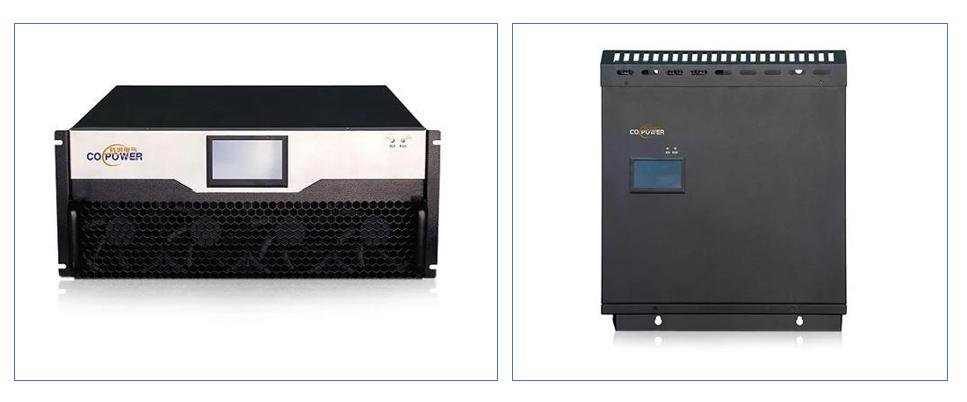
En lugar de absorber armónicos como filtros pasivos, Las APF las cancelan activamente.
Esta tecnología se considera ampliamente la solución más avanzada para la mitigación de armónicos en los sistemas de energía industriales modernos..
Cómo funcionan los filtros armónicos activos
El APF monitorea continuamente las formas de onda actuales utilizando procesadores de señales digitales de alta velocidad. (DSP).
el sistema:
- Detecta componentes armónicos
- Calcula los requisitos de compensación.
- Genera corrientes armónicas inversas.
- Inyecta corrientes de compensación a la red.
Los armónicos no deseados se cancelan efectivamente en tiempo real..
El proceso ocurre en milisegundos..
A medida que cambian las condiciones de carga, la APF ajusta automáticamente su estrategia de compensación.
Ventajas de los filtros armónicos activos
Compensación armónica dinámica
A diferencia de los filtros pasivos, Los APF se adaptan instantáneamente a las condiciones cambiantes de carga.
Esto los hace ideales para instalaciones con programas de producción variables..
Amplia cobertura armónica
Un solo APF puede compensar simultáneamente:
- 2armónicos nd al 50
- armónicos impares
- incluso armónicos
- Interarmónicos
No se requiere sintonización.
Sin riesgo de resonancia
Porque los APF no dependen de circuitos de resonancia LC, eliminan el riesgo de amplificación armónica.
Esto mejora significativamente la confiabilidad del sistema..
Compensación de potencia reactiva
Los APF modernos pueden proporcionar:
- Filtrado armónico
- Compensación de potencia reactiva
- Corrección del factor de potencia
- Equilibrio de carga
Todo dentro de un solo dispositivo.
Cumplimiento de IEEE 519
Muchas instalaciones utilizan APF para lograr el cumplimiento con IEEE 519 Estándares armónicos y requisitos de utilidad..
Limitaciones de los filtros armónicos activos
Mayor inversión inicial
Los APF suelen requerir una inversión inicial mayor que los filtros pasivos.
Sin embargo, Los costos del ciclo de vida suelen ser más bajos debido a la mejora de la eficiencia y la flexibilidad..
Componentes electrónicos
Como dispositivos electrónicos de potencia., Los APF contienen IGBT, controladores, y sistemas de refrigeración que requieren un mantenimiento adecuado.
Planificación de capacidad
Las cargas armónicas extremadamente grandes pueden requerir múltiples unidades APF operando en paralelo.
Comparación de lado a lado
| Característica | Filtro Armónico Trifásico | Filtro armónico activo |
| Tecnología | Red LC pasiva | Electrónica de potencia |
| Cobertura armónica | Armónicos seleccionados | Amplio espectro |
| Compensación dinámica | No | Sí |
| Adaptabilidad de carga | Limitado | Excelente |
| Riesgo de resonancia | Sí | No |
| Compensación de potencia reactiva | Posible | Sí |
| Compatibilidad de expansión futura | Limitado | Alto |
| Mantenimiento | Bajo | Moderado |
| Costo inicial | Más bajo | Más alto |
| Flexibilidad a largo plazo | Bajo | Excelente |
| Ieee 519 Cumplimiento | Moderado | Excelente |
¿Qué industrias prefieren los filtros armónicos pasivos??
Los filtros de armónicos pasivos se utilizan comúnmente en:
- Plantas de cemento
- acerías
- Instalaciones mineras
- Plantas de tratamiento de agua
- Aplicaciones de motores grandes
Estos entornos suelen tener perfiles de carga relativamente estables donde las características armónicas siguen siendo predecibles..
¿Qué industrias prefieren los filtros armónicos activos??
En CoEpower, Frecuentemente recomendamos APF para:
- Fabricación de semiconductores
- Centros de datos
- Edificios comerciales
- Hospitales
- Estaciones de carga EV
- Plantas de energía solar
- Sistemas de almacenamiento de energía en baterías. (BESS)
- Fabricación de electrónica
- Producción de silicio monocristalino
Estas aplicaciones normalmente implican cargas no lineales que cambian rápidamente y requieren compensación dinámica..
Costo versus rendimiento: La verdadera decisión
Muchos compradores se centran únicamente en el precio del equipo..
Sin embargo, ingenieros experimentados evalúan:
- Pérdidas de energía
- Riesgo de parada de producción
- Costos de mantenimiento
- Requisitos de expansión
- Sanciones de servicios públicos
- Vida útil del equipo
Si bien los filtros pasivos pueden tener costos iniciales más bajos, Los APF suelen ofrecer un mayor valor a largo plazo debido a su flexibilidad y rendimiento superior..
Para instalaciones que planean una futura expansión o que operan con cargas altamente variables, Los filtros de armónicos activos suelen ser la opción más económica durante el ciclo de vida del equipo..
Recomendación de CoEpower
Después de implementar proyectos de mitigación de armónicos en toda la fabricación, energía renovable, y sectores comerciales, nuestro equipo de ingeniería ha observado una clara tendencia.
Para instalaciones industriales modernas con cargas no lineales variables, Los filtros de armónicos activos proporcionan el más alto nivel de mejora de la calidad de la energía., flexibilidad operativa, y preparado para el futuro.
Los filtros pasivos de armónicos siguen siendo una solución viable para entornos de carga estable y proyectos sensibles al presupuesto.. Sin embargo, para instalaciones que buscan alcanzar estándares armónicos estrictos, maximizar la confiabilidad del equipo, y apoyar el crecimiento futuro, Los APF suelen ser la tecnología preferida.
Conclusión
Tanto los filtros de armónicos trifásicos como los filtros de armónicos activos desempeñan un papel importante en la mitigación de armónicos.. La mejor solución depende del perfil de carga de sus instalaciones, niveles armónicos, planes de expansión, y objetivos de calidad de energía.
Elige un filtro de armónicos trifásico si:
- Las fuentes armónicas son predecibles.
- Las condiciones de carga son estables.
- El presupuesto es una preocupación primordial
Elige un Filtro armónico activo (APF) si:
- Las condiciones armónicas cambian con frecuencia.
- Se requiere un alto rendimiento de filtrado
- Ieee 519 el cumplimiento es importante
- Se espera una futura expansión del sistema
En CoEpower, Ayudamos a los clientes a analizar datos de calidad de energía y seleccionar la solución de mitigación de armónicos más rentable en función de condiciones operativas reales..
Si sus instalaciones experimentan una THD excesiva, fallas de capacitores, sobrecalentamiento del transformador, o factor de potencia pobre, Nuestro equipo de ingeniería puede proporcionar una solución personalizada de análisis y filtrado de armónicos adaptada a sus necesidades..
Etiquetas:
Filtro Armónico Trifásico, Filtro armónico activo, APF, Mitigación armónica, Filtro armónico vs APF, Armónicos industriales, Soluciones de calidad de energía, Filtro armónico pasivo, Filtro de potencia activo, Corrección del factor de potencia, Reducción de la distorsión armónica, Filtrado de Armónicos Eléctricos, Calidad de energía industrial, CoEpower APF, Ieee 519 Cumplimiento, proveedor, fabricantes, fábrica, compañía, Porcelana, al por mayor, comprar, precio, cotización, a granel, a venta, empresas, existencias, costo.