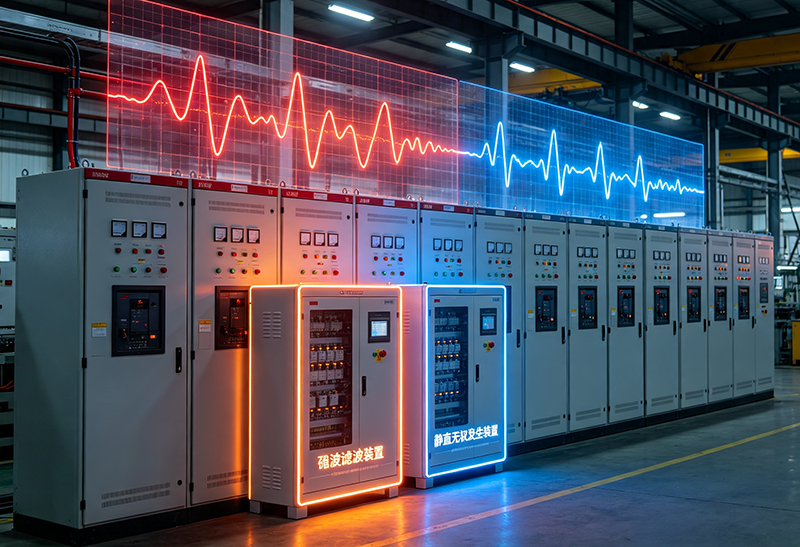
Introducción
En modernas instalaciones industriales, La eficiencia energética eléctrica es cada vez más importante.. Como ingeniero eléctrico senior en CoEpower, Con frecuencia me encuentro con fábricas que luchan con un factor de potencia bajo., consumo excesivo de energía reactiva, sanciones de utilidad, fluctuaciones de voltaje, y reducción de la eficiencia del sistema. Estos problemas no sólo aumentan los costos de electricidad sino que también afectan la confiabilidad y la vida útil de los equipos críticos..
Un sistema de compensación de potencia reactiva bien diseñado puede mejorar significativamente la calidad de la energía, reducir las pérdidas de energía, aumentar la capacidad del sistema, y menores cargos por servicios públicos. Ya sea que opere una planta de fabricación, instalación minera, acería, estación de tratamiento de agua, o centro de datos, Comprender cómo diseñar un sistema eficaz de compensación de potencia reactiva es esencial..
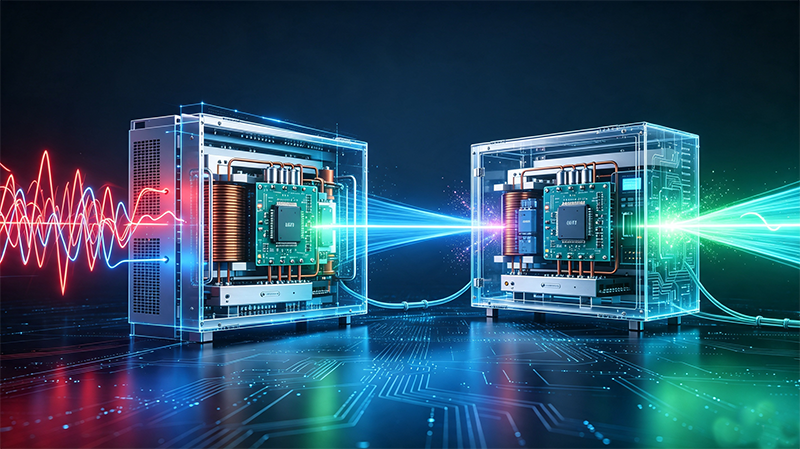
Este artículo proporciona una guía completa para el diseño de sistemas de compensación de potencia reactiva., incluyendo análisis de carga, selección de equipos de compensación, mitigación armónica, y soluciones modernas como Generadores de var estáticos (SVG).
Comprensión de la potencia reactiva en instalaciones industriales
Antes de diseñar un sistema de compensación, es importante entender qué es la potencia reactiva.
Cargas industriales como:
- Motores de inducción
- Transformadores
- maquinas de soldar
- Compresores
- Unidades de frecuencia variable (VFDS)
- equipos de climatización
requieren tanto potencia activa (kilovatios) y potencia reactiva (izquierda).
La potencia activa realiza un trabajo útil., mientras que la potencia reactiva soporta los campos magnéticos necesarios para el funcionamiento del equipo.. Una demanda excesiva de potencia reactiva provoca:
- factor de potencia bajo
- Mayor flujo de corriente
- Mayor carga del transformador
- Mayores pérdidas de cable
- Caídas de voltaje
- Penalizaciones por factor de potencia de la empresa de servicios públicos
El objetivo de la compensación de potencia reactiva es suministrar la potencia reactiva requerida localmente en lugar de extraerla de la red pública..
Paso 1: Analizar las características de carga de fábrica
El primer paso en el diseño de un sistema de compensación es realizar un estudio detallado de la calidad de la energía..
Los parámetros clave para medir incluyen:
Potencia activa total (kilovatios)
Determinar la demanda de energía activa promedio y máxima de la fábrica..
Factor de potencia existente
Medida:
- factor de potencia promedio
- Factor de potencia de carga máxima
- Factor de potencia mínimo
La mayoría de los servicios públicos requieren un factor de potencia superior 0.90 o 0.95.
Demanda de potencia reactiva (izquierda)
Registre el consumo de energía reactiva en diferentes condiciones de funcionamiento.
Distorsión armónica
Medida:
- Thdi (Armónicos actuales)
- THDv (Armónicos de voltaje)
Este paso es crítico porque los armónicos influyen en gran medida en la selección del equipo de compensación..
Variación de carga
Evaluar si las cargas son:
- Constante
- Intermitente
- Cambiando rápidamente
Las cargas dinámicas a menudo requieren tecnologías de compensación avanzadas.
Paso 2: Definir objetivos de compensación
Diferentes fábricas tienen diferentes objetivos..
Los objetivos típicos incluyen:
Mejorar el factor de potencia
Por ejemplo:
FP actual = 0.75
FP objetivo = 0.98
Reducir las sanciones por servicios públicos
Muchas empresas de servicios públicos cobran multas cuando el factor de potencia cae por debajo de los límites contractuales..
Capacidad del transformador de liberación
La mejora del factor de potencia reduce la demanda actual y aumenta efectivamente la capacidad disponible del transformador..
Estabilizar el voltaje
La compensación de potencia reactiva ayuda a mantener los niveles de voltaje en toda la planta..
Mejorar el rendimiento del equipo
Una mejor regulación del voltaje mejora la eficiencia del motor y la confiabilidad de la producción..
Paso 3: Calcular la compensación de potencia reactiva requerida
La capacidad de compensación requerida se puede calcular usando:
Qc = P × (tanφ1 − tanφ2)
Dónde:
- Qc = Compensación requerida (izquierda)
- P = potencia activa (kilovatios)
- φ1 = Ángulo del factor de potencia existente
- φ2 = Ángulo del factor de potencia objetivo
Ejemplo
Carga de fábrica:
- Potencia activa = 1000 kilovatios
- FP existente = 0.75
- FP objetivo = 0.98
tanφ1 = 0.882
tanφ2 = 0.203
Qc = 1000 × (0.882 - 0.203)
Qc = 679 izquierda
Un sistema de compensación de aproximadamente 680 Se requiere kVAR.
En la práctica, Los ingenieros suelen añadir un margen de diseño del 10 % al 20 %..
Paso 4: Seleccione la tecnología de compensación adecuada
Hay varias tecnologías disponibles para la compensación de potencia reactiva..
Bancos de Condensadores Fijos
Adecuado para:
- Cargas constantes
- Condiciones de funcionamiento estables
Ventajas:
- Bajo costo
- Instalación sencilla
Limitaciones:
- Sin ajuste automático
- Riesgo de sobrecompensación
Corrección automática del factor de potencia (APFC) Bancos de Condensadores
Adecuado para:
- Cargas industriales variables
Ventajas:
- Conmutación automática
- Mejor control del factor de potencia
- Rentable
Aplicaciones:
- Plantas de fabricación
- Instalaciones de tratamiento de agua
- Edificios comerciales
Condensador de tiristor (TSC)
Adecuado para:
- Cargas que cambian rápidamente
Ventajas:
- Respuesta rápida
- Sin transitorios de conmutación
Aplicaciones:
- Plantas de soldadura
- acerías
- Laminadores
Generador de var estático (SVG)
La tecnología SVG representa la solución de compensación de potencia reactiva más avanzada disponible en la actualidad.
Ventajas:
Respuesta rápida
El tiempo de respuesta suele ser inferior a 10 milisegundos.
Compensación precisa
Ajusta continuamente la salida según los requisitos del sistema..
Compensación capacitiva e inductiva
A diferencia de los condensadores tradicionales, SVG puede generar y absorber potencia reactiva.
Excelente rendimiento bajo cargas bajas
Mantiene una alta precisión de compensación en todas las condiciones operativas..
Capacidad de supresión armónica
Muchos sistemas SVG proporcionan funciones limitadas de filtrado de armónicos..
Aplicaciones:
- industria minera
- Centros de datos
- Plantas de semiconductores
- Sistemas de energía renovable
- Instalaciones de fabricación industriales
En CoEpower, Las soluciones SVG se están convirtiendo cada vez más en la opción preferida para los proyectos industriales modernos de corrección del factor de potencia..
Paso 5: Considere las condiciones armónicas
Muchas fábricas hoy utilizan:
- Unidades de frecuencia variable
- Sistemas UPS
- Rectificadores
- Servoaccionamientos
Estos dispositivos generan armónicos que pueden dañar las baterías de condensadores..
Los problemas potenciales incluyen:
- Sobrecalentamiento del condensador
- Resonancia
- Fallo del equipo
- Sobrecalentamiento del transformador
Por lo tanto, El análisis armónico es esencial..
Cuando hay armónicos presentes
Bancos de condensadores desafinados
Se añaden reactores a los bancos de condensadores para evitar resonancias..
Frecuencias de sintonización típicas:
- 189 Hz
- 210 Hz
Ampliamente utilizado en aplicaciones industriales..
Filtros armónicos activos (AHF)
Para instalaciones con distorsión armónica significativa, A menudo se recomiendan filtros de armónicos activos..
Beneficios:
- Eliminación dinámica de armónicos
- Compensación de potencia reactiva
- Calidad de energía mejorada
SVG + Soluciones híbridas AHF
Las fábricas modernas suelen desplegar:
- SVG para compensación de potencia reactiva
- AHF para filtrado de armónicos
Esta combinación proporciona una mejora integral de la calidad de la energía..
Paso 6: Determinar la ubicación de instalación de compensación
La compensación se puede instalar en diferentes niveles..
Compensación centralizada
Instalado en el tablero de distribución principal..
Ventajas:
- Menor coste de inversión
- Mantenimiento más fácil
Mejor para:
- Fábricas pequeñas y medianas
Compensación grupal
Instalado en paneles de subdistribución..
Ventajas:
- Mejor soporte de voltaje
- Pérdidas reducidas en el alimentador
Mejor para:
- Grandes instalaciones de fabricación
Compensación individual
Instalado directamente en motores o equipos..
Ventajas:
- Eficacia máxima
Mejor para:
- Grandes motores de funcionamiento continuo
Paso 7: Diseño de Sistemas de Monitoreo y Control
Un sistema de compensación moderno debería incluir:
Monitoreo de la calidad de la energía
Monitor:
- Factor de potencia
- Voltaje
- Actual
- Armonía
- Potencia reactiva
Interfaces de comunicación
Los protocolos comunes incluyen:
- Modbus RTU
- Modbus TCP
- Éternet
Monitoreo remoto
Los operadores de fábrica pueden monitorear el rendimiento del sistema en tiempo real a través de SCADA o sistemas de gestión de energía. (EMS).
Paso 8: Evaluar los requisitos de expansión futura
Un error de diseño común es dimensionar los sistemas de compensación solo para cargas actuales..
Las fábricas suelen ampliar su capacidad de producción..
Los ingenieros deberían:
- Reservar espacio en el panel
- Reserva de capacidad de comunicación
- Diseño para un crecimiento de carga futuro del 20 % al 30 %
Esto evita costosas actualizaciones futuras..
Errores de diseño comunes que se deben evitar
Compensación excesiva
Una compensación excesiva puede crear problemas importantes con el factor de potencia.
Ignorando los armónicos
Los condensadores instalados sin estudios de armónicos suelen fallar prematuramente.
Compensación insuficiente
La compensación insuficiente no logra alcanzar el factor de potencia objetivo.
Elección de condensadores tradicionales para cargas dinámicas
Las fluctuaciones rápidas de carga requieren tecnología SVG o TSC.
Falta de seguimiento
Sin seguimiento, La degradación del rendimiento puede pasar desapercibida..
Por qué la tecnología SVG se está convirtiendo en la solución preferida
El entorno energético industrial está cambiando rápidamente.
Las fábricas utilizan cada vez más:
- Sistemas de automatización
- Motores accionados por VFD
- Robótica
- Integración de energías renovables
Los bancos de condensadores tradicionales a menudo tienen dificultades para cumplir con los requisitos de compensación modernos..
Oferta Generadores Var Estáticos:
- Respuesta instantánea
- Alta precisión de compensación
- Sin sobrecompensación
- Control bidireccional de potencia reactiva
- Compatibilidad con entornos ricos en armónicos
Como resultado, La tecnología SVG se ha convertido en la solución preferida para muchos proyectos industriales de calidad de energía en todo el mundo..
Conclusión
El diseño de un sistema eficaz de compensación de potencia reactiva requiere una comprensión profunda de las características de carga de fábrica., requisitos de factor de potencia, condiciones armónicas, y futuros planes de expansión.
Un sistema correctamente diseñado puede:
- Reducir los costos de electricidad.
- Eliminar penalizaciones por factor de potencia
- Mejorar la estabilidad del voltaje
- Aumentar la capacidad del transformador.
- Prolongar la vida útil del equipo
- Mejorar la calidad general de la energía
Si bien las baterías de condensadores tradicionales siguen siendo adecuadas para determinadas aplicaciones, Las instalaciones industriales modernas se benefician cada vez más de soluciones avanzadas como los generadores Static Var. (SVG) y filtros armónicos activos (AHFS).
En CoEpower, Nos especializamos en proporcionar soluciones personalizadas de compensación de potencia reactiva adaptadas a los requisitos únicos de la industria., minería, comercial, y aplicaciones de utilidad. A través de análisis profesionales de la calidad de la energía y tecnologías de compensación avanzadas., Ayudamos a los clientes a lograr una mayor eficiencia., menores costos operativos, y sistemas eléctricos más confiables.
Etiquetas de palabras clave
Sistema de compensación de potencia reactiva, Corrección del factor de potencia, Compensación de potencia reactiva de fábrica, Generador de var estático, Corrección del factor de potencia SVG, Calidad de energía industrial, Banco de condensadores automático, Filtro armónico activo, Diseño de compensación de potencia reactiva, Mejora del factor de potencia, Mitigación armónica, Ahorro de energía industrial, Sistema de Distribución Eléctrica, Solución CoEpower SVG, Eficiencia energética de la fábrica, proveedor, fabricantes, fábrica, compañía, Porcelana, al por mayor, comprar, precio, cotización, a granel, a venta, empresas, existencias, costo.