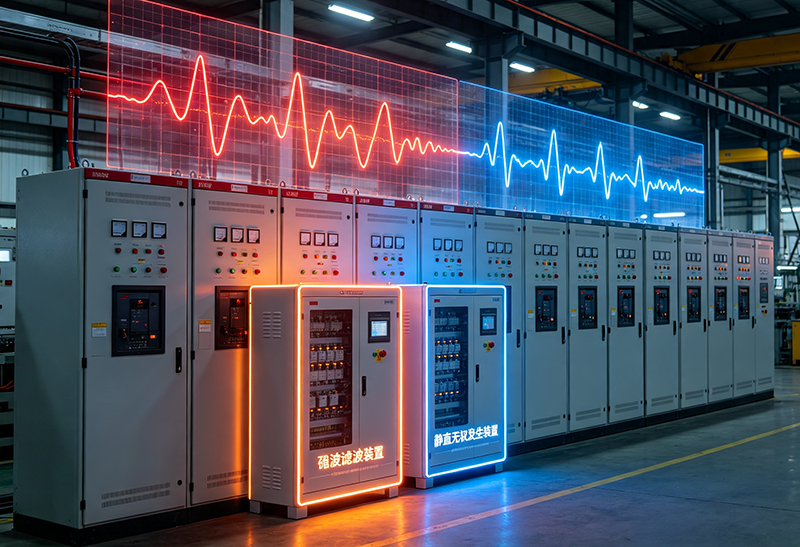
Negli odierni sistemi energetici industriali e commerciali, la distorsione armonica è diventata una sfida crescente. Poiché sempre più strutture si affidano a carichi elettrici non lineari come gli azionamenti a frequenza variabile (Vfds), Sistemi UPS, Illuminazione a LED, Caricabatterie EV, macchine per saldatura, e apparecchiature per data center, il problema delle armoniche non può più essere ignorato.
A Coepower, aiutiamo spesso gli ingegneri, Appaltatori EPC, e i gestori delle strutture risolvono i problemi di qualità dell'energia causati dalle armoniche. Due delle soluzioni più comunemente discusse sono filtri armonici monofase E Filtri armonici attivi (Ahfs).
Sebbene entrambe le tecnologie siano progettate per ridurre la distorsione armonica, differiscono significativamente nei principi di progettazione, scenari applicativi, prestazione, e costo. In questo articolo, spiegheremo le differenze chiave tra i filtri armonici monofase e i filtri armonici attivi dal punto di vista di un ingegnere elettrico senior.
Cosa sono le armoniche nei sistemi elettrici?
Le armoniche sono forme d'onda di tensione o corrente che funzionano a frequenze multiple della frequenza fondamentale (50Hz o 60 Hz). Sono generati principalmente da carichi non lineari che assorbono corrente in impulsi improvvisi invece che in onde sinusoidali regolari.
Le fonti comuni di armoniche includono:
- Azionamenti a frequenza variabile (Vfds)
- Alimentatori switching
- Data center
- Invertitori solari
- Stazioni di ricarica EV
- Sistemi UPS
- Sistemi di illuminazione a LED
- Forni ad arco
Può causare una distorsione armonica eccessiva:
- Surriscaldamento del trasformatore
- Guasti dei banchi di condensatori
- Inciampo fastidioso
- Efficienza del motore ridotta
- Aumento delle perdite di energia
- Surriscaldamento del cavo
- Malfunzionamento dell'apparecchiatura
- Fattore di potenza ridotto
- Costi di manutenzione più elevati
Per mitigare questi problemi, vengono implementate tecnologie di filtraggio armonico.
Che cos'è un filtro armonico monofase?
UN filtro armonico monofase è un dispositivo di filtraggio specificatamente studiato per impianti elettrici monofase. Viene comunemente utilizzato per sopprimere le correnti armoniche generate da carichi monofase.
Questi filtri sono tipicamente filtri passivi composti da:
- Condensatori
- Induttori
- Resistori
Il filtro è sintonizzato su frequenze armoniche specifiche, come il 3°, 5th, o 7a armonica.
Come funzionano i filtri armonici monofase
I filtri armonici monofase funzionano creando un percorso a bassa impedenza per le correnti armoniche. Invece di refluire nel sistema energetico, le correnti armoniche vengono deviate nel circuito del filtro.
La maggior parte dei filtri monofase sono passivi, nel senso che non iniettano attivamente correnti di compensazione. Invece, si basano su circuiti LC sintonizzati per assorbire le armoniche mirate.
Le posizioni di installazione tipiche includono:
- Sistemi residenziali
- Piccoli edifici commerciali
- Attrezzature per ufficio
- Strumenti di laboratorio
- Apparecchiature per le telecomunicazioni
- Sistemi UPS monofase
- Piccoli dispositivi medici
Cos'è un filtro armonico attivo (Ahf)?
UN Filtro armonico attivo (Ahf) è un dispositivo elettronico avanzato per la qualità dell'energia che rileva dinamicamente e compensa le correnti armoniche in tempo reale.

A differenza dei filtri passivi, Gli AHF utilizzano l'elettronica di potenza e la tecnologia di elaborazione del segnale digitale per iniettare correnti armoniche inverse nel sistema.
Ciò elimina efficacemente le armoniche indesiderate su un'ampia gamma di frequenze.
Come funzionano i filtri armonici attivi
I filtri armonici attivi monitorano continuamente le correnti di carico utilizzando trasformatori di corrente (CT). Il controller analizza lo spettro armonico e genera correnti di compensazione uguali in grandezza ma opposte in fase.
Il risultato è la cancellazione armonica e una migliore qualità della forma d'onda.
Gli AHF in genere possono:
- Ridurre il THDi di seguito 5%
- Compensa più ordini armonici contemporaneamente
- Migliora il fattore di potenza
- Equilibrare carichi trifase
- Ridurre le correnti neutre
- Adattarsi dinamicamente ai cambiamenti dei carichi
I filtri armonici attivi sono ampiamente utilizzati in:
- Impianti industriali
- Data center
- Ospedali
- Produzione di semiconduttori
- Edifici commerciali
- Sistemi di energia rinnovabile
- Infrastruttura di ricarica per veicoli elettrici
- Fabbriche intelligenti
Differenze chiave tra filtri armonici monofase e filtri armonici attivi
1. Principio di funzionamento
Filtro armonico monofase
I filtri armonici monofase sono generalmente dispositivi passivi. Assorbono frequenze armoniche specifiche utilizzando circuiti LC sintonizzati.
Le loro prestazioni dipendono fortemente da:
- Impedenza del sistema
- Condizioni di carico
- Stabilità della frequenza armonica
Filtro armonico attivo
Gli AHF generano attivamente correnti di compensazione in tempo reale utilizzando l'elettronica di potenza e algoritmi DSP.
Possono rispondere istantaneamente alle mutevoli condizioni armoniche e compensare dinamicamente.
2. Gamma di compensazione armonica
Filtro armonico monofase
I filtri passivi sono solitamente sintonizzati per uno o più ordini armonici.
Per esempio:
- 3terzo filtro armonico
- 5filtro armonico
- 7filtro armonico
Sono meno efficaci per la mitigazione armonica ad ampio spettro.
Filtro armonico attivo
Gli AHF possono compensare:
- 2dalla seconda alla cinquantesima armonica
- Più armoniche contemporaneamente
- Carichi armonici dinamici e fluttuanti
Ciò fornisce una protezione significativamente più ampia.
3. Flessibilità del sistema
Filtro armonico monofase
I filtri passivi sono relativamente fissi una volta installati.
Se il carico cambia in modo significativo, le prestazioni del filtro potrebbero diminuire.
Filtro armonico attivo
Gli AHF sono altamente adattivi e rispondono automaticamente alle variazioni di carico in tempo reale.
Ciò li rende ideali per i moderni impianti elettrici con carichi dinamici.
4. Complessità di installazione
Filtro armonico monofase
L'installazione è generalmente semplice ed economica.
Sono adatti per:
- Piccoli sistemi
- Problemi armonici semplici
- Budget limitati
Filtro armonico attivo
Gli AHF richiedono:
- Trasformatori di corrente
- Configurazione del controllore
- Analisi armonica corretta
- Messa in servizio più sofisticata
Tuttavia, forniscono prestazioni molto più elevate.
5. Rischio di risonanza
Filtro armonico monofase
I filtri armonici passivi possono creare problemi di risonanza con il sistema di alimentazione.
Ciò può potenzialmente amplificare le armoniche invece di ridurle.
Spesso sono necessari studi di sistema prima dell'installazione.
Filtro armonico attivo
Gli AHF non si basano sull'accordatura della risonanza e quindi evitano i rischi di risonanza.
Ciò migliora significativamente l'affidabilità del sistema.
6. Correzione del fattore di potenza
Filtro armonico monofase
Alcuni filtri passivi possono anche migliorare il fattore di potenza.
Tuttavia, la capacità di correzione è limitata.
Filtro armonico attivo
Molti AHF moderni si integrano:
- Mitigazione armonica
- Compensazione del potere reattivo
- Correzione del fattore di potenza
- Bilanciamento del carico
Ciò li rende una soluzione multifunzionale per la qualità dell'energia.
7. Requisiti di manutenzione
Filtro armonico monofase
I filtri passivi richiedono generalmente una manutenzione minima.
Tuttavia, L'invecchiamento del condensatore e lo stress termico possono eventualmente ridurre le prestazioni.
Filtro armonico attivo
Gli AHF contengono elettronica e sistemi di raffreddamento avanzati.
Si consiglia un'ispezione regolare, ma i moderni AHF sono altamente affidabili e intelligenti.
8. Confronto dei costi
Filtro armonico monofase
Vantaggi:
- Investimento iniziale inferiore
- Design semplice
- Economico per piccole applicazioni
Svantaggi:
- Capacità di compensazione limitata
- Meno flessibile
- Potenziali problemi di risonanza
Filtro armonico attivo
Vantaggi:
- Soppressione armonica superiore
- Prestazioni dinamiche
- Capacità multifunzione
Svantaggi:
- Costo iniziale più elevato
- Installazione più complessa
Tuttavia, Gli AHF spesso offrono costi operativi inferiori a lungo termine grazie alla migliore efficienza energetica e alla riduzione dei guasti alle apparecchiature.
Tabella comparativa: Filtro armonico monofase vs filtro armonico attivo
| Caratteristica | Filtro armonico monofase | Filtro armonico attivo |
|---|---|---|
| Tecnologia | Circuito LC passivo | Compensazione elettronica di potenza |
| Tipo di compensazione | Fisso | Dinamico |
| Gamma armonica | Armoniche specifiche | Armoniche ad ampio spettro |
| Adattabilità | Limitato | Eccellente |
| Rischio di risonanza | Possibile | Nessuno |
| Correzione del fattore di potenza | Parziale | Avanzato |
| Installazione | Semplice | Moderare |
| Costo | Inferiore | Più alto |
| Ideale per | Piccoli sistemi | Sistemi industriali complessi |
| Manutenzione | Basso | Moderare |
Quando dovresti scegliere un filtro armonico monofase?
I filtri armonici monofase sono ideali quando:
- I problemi armonici sono relativamente semplici
- Il carico è stabile
- Il budget è limitato
- L'applicazione è su piccola scala
- Solo frequenze armoniche specifiche necessitano di soppressione
Le applicazioni tipiche includono:
- Installazioni residenziali
- Piccoli uffici
- Attrezzature da laboratorio
- Sistemi di telecomunicazioni
- Piccoli sistemi UPS
Quando dovresti scegliere un filtro armonico attivo?
I filtri armonici attivi sono la scelta preferita quando:
- I livelli armonici fluttuano frequentemente
- Esistono più ordini armonici
- I requisiti di qualità dell’energia sono severi
- L'affidabilità delle apparecchiature è fondamentale
- La struttura contiene componenti elettronici sensibili
- È prevista una futura espansione del carico
Le applicazioni ideali includono:
- Automazione industriale
- Data center
- Fabbriche di semiconduttori
- Ospedali
- Edifici intelligenti
- Impianti di energia rinnovabile
- Stazioni di ricarica EV
Perché la mitigazione armonica è più importante che mai
Con la rapida adozione dell’automazione, energia rinnovabile, ed elettronica di potenza, l’inquinamento armonico è in aumento a livello globale.
Le strutture moderne stanno diventando sempre più vulnerabili:
- Tempi di inattività imprevisti
- Spreco energetico
- Danni all'attrezzatura
- Problemi di conformità
Standard internazionali come IEEE 519 ora pongono limiti più severi alla distorsione armonica.
Il corretto filtraggio delle armoniche non è più un optional: è una parte essenziale della progettazione di un moderno sistema di alimentazione.
Soluzioni di filtri armonici CoEpower
A Coepower, forniamo soluzioni avanzate di qualità dell'energia su misura per applicazioni industriali e commerciali.
Le nostre offerte includono:
- Filtri armonici attivi (Ahf)
- Generatori VAR statici (Svg)
- Banche di condensatori
- Filtri armonici passivi
- Sistemi di rifasamento
- Soluzioni personalizzate di mitigazione armonica
Il nostro team di ingegneri esegue analisi armoniche dettagliate per aiutare i clienti a selezionare la soluzione più efficace ed economicamente vantaggiosa per la loro struttura.
Se avete bisogno di un filtro armonico monofase compatto o di un filtro armonico attivo ad alta capacità per un sistema industriale complesso, CoEpower è in grado di fornire soluzioni di qualità dell'energia affidabili ed efficienti.
Considerazioni finali
Sia i filtri armonici monofase che i filtri armonici attivi svolgono un ruolo importante nella gestione della qualità dell'energia.
Un filtro armonico monofase offre una soluzione economica per la stabilità, problemi armonici su piccola scala. Al contrario, un filtro armonico attivo fornisce un'illuminazione intelligente, dinamico, e compensazione armonica completa per i moderni ambienti industriali.
La scelta della soluzione giusta dipende da:
- Gravità armonica
- Caratteristiche del carico
- Complessità del sistema
- Bilancio
- Piani di espansione futuri
Poiché i sistemi elettrici continuano ad evolversi, la tecnologia di filtraggio armonico attivo sta diventando sempre più importante per mantenere l'affidabilità, efficiente, e operazioni conformi agli standard.
Se la tua struttura presenta problemi legati alle armoniche, consultare ingegneri esperti in qualità dell'energia è il primo passo verso la ricerca della soluzione ottimale.
Tag: Filtro armonico monofase, Filtro armonico attivo, Qualità della potenza AHF, Filtro armonico vs filtro armonico attivo, Soluzioni di mitigazione armonica, Filtro armonico industriale, Miglioramento della qualità dell'energia, Soppressione delle armoniche elettriche, Filtro armonico passivo, Compensazione armonica dinamica, Ieee 519 conformità armonica, Soluzioni di distorsione armonica, Filtro armonico CoEpower, Sistema di filtraggio armonico, Filtro armonico attivo trifase, Fornitori, produttori, fabbrica, azienda, Cina, all'ingrosso, acquistare, prezzo, preventivo, massa, in vendita, aziende, azione, costo.