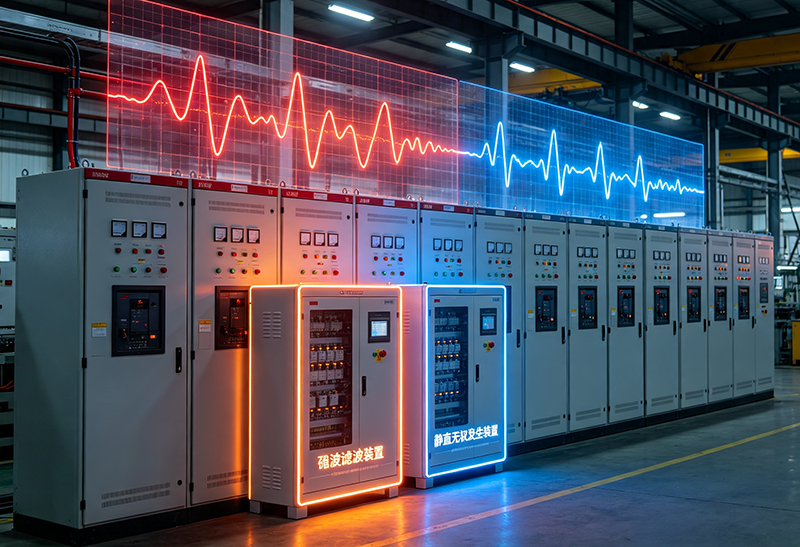
Poiché gli impianti industriali diventano sempre più dipendenti dalle apparecchiature elettroniche di potenza, la distorsione armonica è diventata una delle sfide più comuni relative alla qualità dell'energia che gli ingegneri devono oggi affrontare. Azionamenti a frequenza variabile (Vfds), raddrizzatori, Sistemi UPS, forni ad induzione, Caricabatterie EV, e gli inverter per energie rinnovabili introducono tutti armoniche nei sistemi elettrici.
Un numero eccessivo di armoniche può portare al surriscaldamento dei trasformatori, guasti ai condensatori, inciampo fastidioso, durata di vita ridotta delle apparecchiature, e problemi di conformità dei servizi pubblici. Di conseguenza, selezionare la giusta soluzione di mitigazione delle armoniche è essenziale per mantenere l’affidabilità del sistema e l’efficienza energetica.
Tra le soluzioni più utilizzate ci sono filtri armonici trifase E Filtri armonici attivi (APF). Mentre entrambe le tecnologie sono progettate per ridurre la distorsione armonica, i loro principi di funzionamento, caratteristiche prestazionali, e gli scenari applicativi differiscono in modo significativo.
In qualità di ingegnere elettrico senior presso CoEpower, Me lo chiedono spesso i facility manager e i consulenti tecnici:
“Dovrei installare un filtro armonico trifase tradizionale o un filtro armonico attivo?”
In questo articolo, Spiegherò le differenze tra queste due tecnologie e ti aiuterò a determinare quale soluzione è più adatta alla tua struttura.
Comprensione delle armoniche nei sistemi energetici industriali
Prima di confrontare le tecnologie di filtro, è importante capire cosa sono le armoniche.
In un sistema elettrico ideale, le forme d'onda di tensione e corrente sono onde sinusoidali pure che operano a 50 Hz o 60 Hz.
Tuttavia, i carichi non lineari assorbono corrente in impulsi anziché in schemi sinusoidali uniformi. Ciò crea componenti di frequenza aggiuntivi noti come armoniche.
Gli ordini armonici comuni includono:
- 3terza armonica (150 Hz)
- 5th armonica (250 Hz)
- 7th armonica (350 Hz)
- 11th armonica (550 Hz)
- 13th armonica (650 Hz)
L'apparecchiatura più non lineare installata in una struttura, maggiore è la distorsione armonica.
Le conseguenze tipiche includono:
- Surriscaldamento del trasformatore
- Aumento delle perdite nel cavo
- Guasti dei banchi di condensatori
- Vibrazioni del motore
- Deterioramento del fattore di potenza
- Fermi della produzione
- Mancato rispetto dell'IEEE 519 Requisiti
È qui che i filtri armonici diventano essenziali.
Cos'è un filtro armonico trifase?
Un filtro armonico trifase, comunemente noto come filtro armonico passivo, è un dispositivo di filtraggio composto da induttori, condensatori, e talvolta resistori.
È progettato per creare un percorso a bassa impedenza per frequenze armoniche specifiche, deviando le correnti armoniche lontano dal sistema di alimentazione.
Come funziona
I filtri passivi sono sintonizzati per mirare a frequenze armoniche predeterminate.
Per esempio:
- 5filtro armonico
- 7filtro armonico
- 11filtro armonico
Quando sono presenti correnti armoniche a queste frequenze, confluiscono nel filtro anziché nella rete di distribuzione.
Il risultato è una ridotta distorsione armonica in tutto il sistema.
Vantaggi dei filtri armonici trifase
Costo iniziale inferiore
I filtri passivi generalmente costano meno dei filtri armonici attivi per la stessa corrente nominale.
Ciò li rende attraenti per progetti con budget limitati.
Costruzione semplice
La tecnologia è utilizzata da decenni e consiste principalmente di componenti elettrici passivi.
Non sono richiesti sofisticati algoritmi di controllo.
Applicazioni ad alta capacità
I filtri passivi possono essere progettati per carichi industriali molto grandi in cui le frequenze armoniche rimangono prevedibili.
Compensazione del potere reattivo
Molti filtri passivi forniscono contemporaneamente la mitigazione delle armoniche e la correzione del fattore di potenza.
Limitazioni dei filtri armonici trifase
Nonostante i loro vantaggi, i filtri passivi presentano diversi inconvenienti.
Retribuzione fissa
I filtri passivi prendono di mira solo le armoniche per le quali sono specificatamente progettati.
Se le caratteristiche del carico cambiano, l'efficacia del filtro potrebbe diminuire.
Rischio di risonanza
Una delle preoccupazioni più significative è la risonanza armonica.
I filtri passivi progettati in modo improprio possono entrare in risonanza con la rete dei servizi pubblici, effettivamente amplificando le armoniche anziché ridurle.
Flessibilità ridotta
Gli impianti industriali spesso espandono la produzione o installano nuove attrezzature.
Un filtro passivo progettato oggi potrebbe non affrontare adeguatamente le future condizioni armoniche.
Copertura armonica limitata
La maggior parte dei filtri passivi prende di mira solo ordini armonici specifici.
Le armoniche di ordine superiore potrebbero rimanere non trattate.
Cos'è un filtro armonico attivo (APF)?
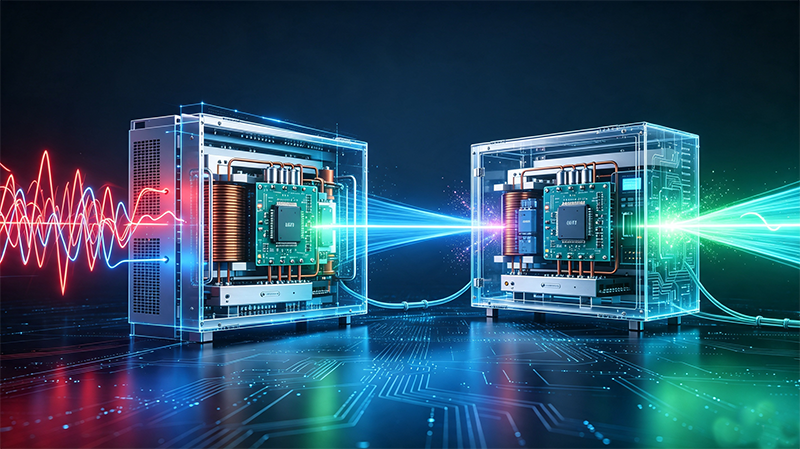
Un filtro armonico attivo è un dispositivo elettronico di potenza avanzato che misura dinamicamente le correnti armoniche e inietta correnti di compensazione uguali e opposte nel sistema.
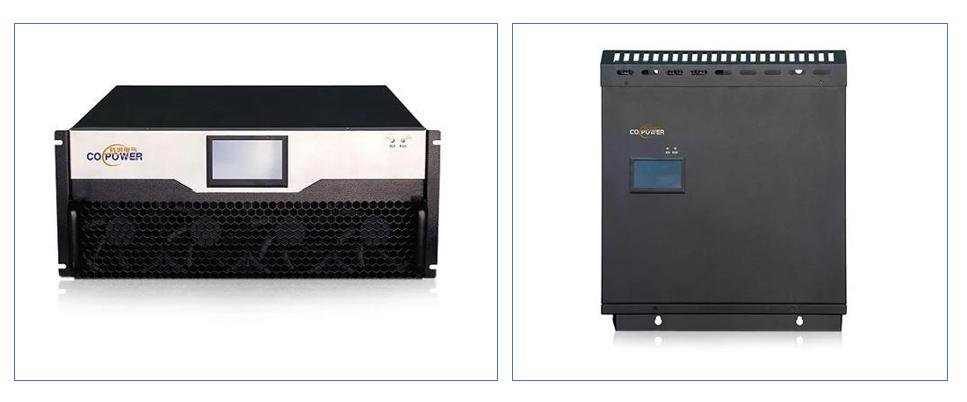
Invece di assorbire le armoniche come i filtri passivi, Gli APF li cancellano attivamente.
Questa tecnologia è ampiamente considerata la soluzione più avanzata per la mitigazione delle armoniche nei moderni sistemi di alimentazione industriale.
Come funzionano i filtri armonici attivi
L'APF monitora continuamente le forme d'onda attuali utilizzando processori di segnale digitale ad alta velocità (DSP).
Il sistema:
- Rileva le componenti armoniche
- Calcola i requisiti di compensazione
- Genera correnti armoniche inverse
- Immette correnti di compensazione nella rete
Le armoniche indesiderate vengono effettivamente cancellate in tempo reale.
Il processo avviene in pochi millisecondi.
Al variare delle condizioni di carico, l'APF adegua automaticamente la propria strategia di remunerazione.
Vantaggi dei filtri armonici attivi
Compensazione armonica dinamica
A differenza dei filtri passivi, Gli APF si adattano istantaneamente alle mutevoli condizioni di carico.
Ciò li rende ideali per strutture con programmi di produzione variabili.
Ampia copertura armonica
Un singolo APF può compensare simultaneamente:
- 2dalla seconda alla cinquantesima armonica
- Armoniche dispari
- Anche le armoniche
- Interarmoniche
Non è richiesta alcuna accordatura.
Nessun rischio di risonanza
Perché gli APF non si basano sui circuiti di risonanza LC, eliminano il rischio di amplificazione armonica.
Ciò migliora significativamente l'affidabilità del sistema.
Compensazione del potere reattivo
I moderni APF possono fornire:
- Filtraggio armonico
- Compensazione del potere reattivo
- Correzione del fattore di potenza
- Bilanciamento del carico
Tutto all'interno di un unico dispositivo.
Conformità con IEEE 519
Molte strutture utilizzano gli APF per ottenere la conformità con IEEE 519 standard armonici e requisiti di utilità.
Limitazioni dei filtri armonici attivi
Investimento iniziale più elevato
Gli APF richiedono in genere un investimento iniziale maggiore rispetto ai filtri passivi.
Tuttavia, i costi del ciclo di vita sono spesso inferiori grazie al miglioramento dell’efficienza e della flessibilità.
Componenti elettronici
Come dispositivi elettronici di potenza, Gli APF contengono IGBT, controllori, e sistemi di raffreddamento che richiedono una corretta manutenzione.
Pianificazione della capacità
Carichi armonici estremamente grandi possono richiedere il funzionamento di più unità APF in parallelo.
Confronto fianco a fianco
| Caratteristica | Filtro armonico trifase | Filtro armonico attivo |
| Tecnologia | Rete LC passiva | Elettronica di potenza |
| Copertura armonica | Armoniche selezionate | Ampio spettro |
| Compensazione dinamica | NO | SÌ |
| Adattabilità del carico | Limitato | Eccellente |
| Rischio di risonanza | SÌ | NO |
| Compensazione del potere reattivo | Possibile | SÌ |
| Compatibilità con espansioni future | Limitato | Alto |
| Manutenzione | Basso | Moderare |
| Costo iniziale | Inferiore | Più alto |
| Flessibilità a lungo termine | Basso | Eccellente |
| Ieee 519 Conformità | Moderare | Eccellente |
Quali industrie preferiscono i filtri armonici passivi?
I filtri armonici passivi sono comunemente usati in:
- Impianti di cemento
- Acciaierie
- Strutture minerarie
- Impianti di trattamento delle acque
- Applicazioni per motori di grandi dimensioni
Questi ambienti hanno spesso profili di carico relativamente stabili in cui le caratteristiche armoniche rimangono prevedibili.
Quali industrie preferiscono i filtri armonici attivi?
Al CoEpower, consigliamo spesso gli APF per:
- Produzione di semiconduttori
- Data center
- Edifici commerciali
- Ospedali
- Stazioni di ricarica EV
- Centrali solari
- Sistemi di accumulo dell'energia a batteria (BESS)
- Produzione elettronica
- Produzione di silicio monocristallino
Queste applicazioni in genere comportano carichi non lineari in rapida evoluzione che richiedono una compensazione dinamica.
Costo vs prestazioni: La vera decisione
Molti acquirenti si concentrano esclusivamente sul prezzo dell'attrezzatura.
Tuttavia, gli ingegneri esperti valutano:
- Perdite di energia
- Rischio di fermo produzione
- Costi di manutenzione
- Requisiti di espansione
- Sanzioni di utilità
- Durata dell'attrezzatura
Mentre i filtri passivi possono avere costi iniziali inferiori, Gli APF spesso offrono un valore maggiore a lungo termine grazie alla loro flessibilità e prestazioni superiori.
Per strutture che pianificano espansioni future o che gestiscono carichi altamente variabili, i filtri armonici attivi rappresentano solitamente la scelta più economica durante il ciclo di vita dell'apparecchiatura.
Raccomandazione di CoEpower
Dopo aver implementato progetti di mitigazione delle armoniche in tutta la produzione, energia rinnovabile, e settori commerciali, il nostro team di ingegneri ha osservato una tendenza chiara.
Per moderni impianti industriali con carichi variabili non lineari, I filtri armonici attivi forniscono il massimo livello di miglioramento della qualità dell'energia, flessibilità operativa, e a prova di futuro.
I filtri armonici passivi rimangono una soluzione praticabile per ambienti con carico stabile e progetti sensibili al budget. Tuttavia, per strutture che mirano a raggiungere standard armonici rigorosi, massimizzare l'affidabilità delle apparecchiature, e sostenere la crescita futura, Gli APF sono spesso la tecnologia preferita.
Conclusione
Sia i filtri armonici trifase che i filtri armonici attivi svolgono un ruolo importante nella mitigazione delle armoniche. La soluzione migliore dipende dal profilo di carico della vostra struttura, livelli armonici, piani di espansione, e obiettivi di qualità dell’energia.
Scegli un filtro armonico trifase Se:
- Le sorgenti armoniche sono prevedibili
- Le condizioni di carico sono stabili
- Il budget è una preoccupazione primaria
Scegli un Filtro armonico attivo (APF) Se:
- Le condizioni armoniche cambiano frequentemente
- Sono necessarie elevate prestazioni di filtraggio
- Ieee 519 la conformità è importante
- È prevista una futura espansione del sistema
Al CoEpower, aiutiamo i clienti ad analizzare i dati sulla qualità dell'energia e a selezionare la soluzione di mitigazione delle armoniche più conveniente in base alle condizioni operative reali.
Se la tua struttura riscontra un THD eccessivo, guasti ai condensatori, surriscaldamento del trasformatore, o scarso fattore di potenza, il nostro team di ingegneri può fornire una soluzione personalizzata di analisi e filtraggio delle armoniche su misura per le vostre esigenze.
Tag:
Filtro armonico trifase, Filtro armonico attivo, APF, Mitigazione armonica, Filtro armonico vs APF, Armoniche industriali, Soluzioni per la qualità dell'energia, Filtro armonico passivo, Filtro di potenza attivo, Correzione del fattore di potenza, Riduzione della distorsione armonica, Filtraggio armonico elettrico, Qualità dell'energia industriale, CoEpower APF, Ieee 519 Conformità, Fornitori, produttori, fabbrica, azienda, Cina, all'ingrosso, acquistare, prezzo, preventivo, massa, in vendita, aziende, azione, costo.