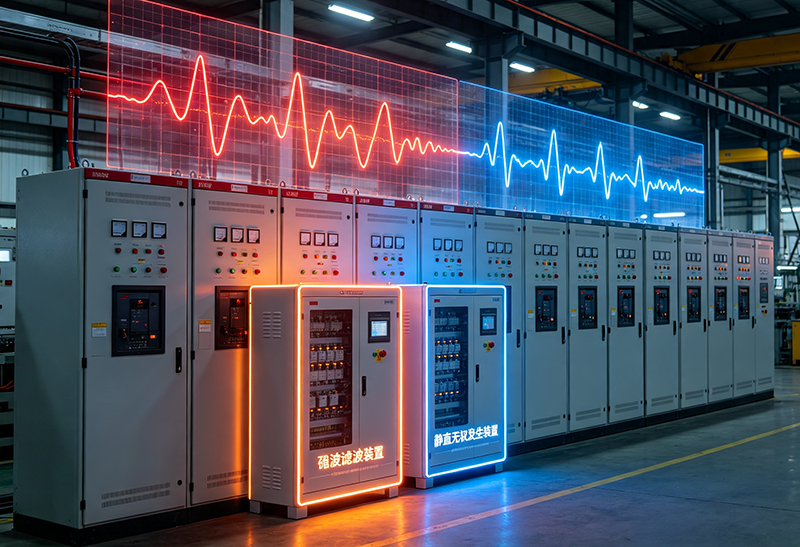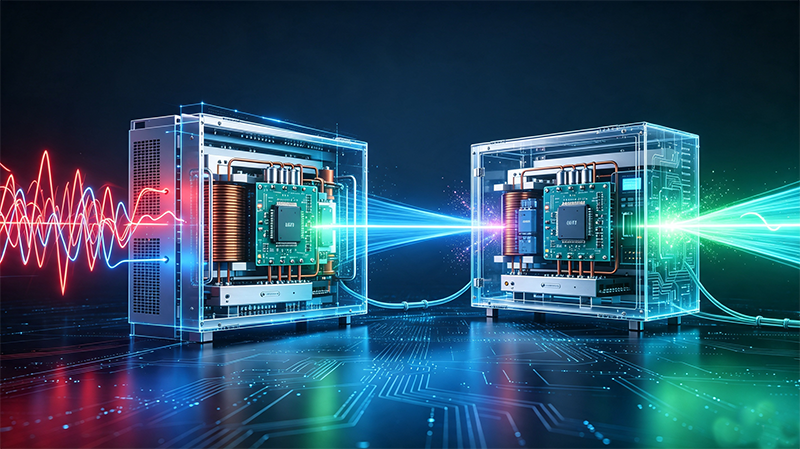
導入: データセンターで力率改善が重要な理由
CoEpower の上級電気エンジニアとして, 私は産業施設やデータセンター向けの電力品質システムの設計と最適化に何年も費やしてきました。. 最新のインフラストラクチャで繰り返される課題の 1 つは、安定性と効率性を維持することです。 力率 (pf) 非常に動的な負荷がかかる場合.
データセンター, 特に, 非常にデリケートな環境です. UPSシステムの迅速な切り替えにより, サーバーの負荷, 冷却システム, およびパワーエレクトロニクス, 無効電力需要は常に変動します. 力率が悪いと、:
- 公共料金の違約金による電気料金の増加
- トランスとケーブルの損失が大きい
- システム容量の減少
- 動的負荷条件下での電圧の不安定性
伝統的に, コンデンサバンク 力率補正に使用されています. しかし, 最新の負荷の複雑化に伴い, SVG (静的varジェネレーター) このテクノロジーは、先進的なデータセンターで推奨されるソリューションになりつつあります.
この記事では、技術的および実用的な比較を詳しく説明します。 SVG とコンデンサ バンクの比較, エンジニアや施設管理者が情報に基づいた意思決定を行えるよう支援.
力率改善について (PFC)
力率は有効電力間の比です (kW) 皮相電力と (KVA). 理想的には, この値は次の値に近づける必要があります 1.0 できるだけ.
ほとんどのデータセンターは誘導負荷と非線形負荷で動作します。, 紹介するもの:
- 遅れ無効電力 (変圧器などの誘導負荷, モーター, チラー)
- 高調波歪み (UPSシステムから, 整流器, サーバー)
力率補正は無効電力を補償することを目的としています (左) ローカルに:
- システム効率の向上
- 伝送損失を減らす
- 電気容量を解放する
- 公共料金のペナルティを回避する
現在使用されている主要なテクノロジーは 2 つあります:
- コンデンサバンク
- SVG (静的varジェネレーター)
キャパシタバンクとは?
コンデンサ バンクは、段階的に接続された複数のコンデンサで構成される従来のパッシブ力率補正システムです。.
仕組み
コンデンサバンクは、誘導性負荷を相殺する進み無効電力を生成することにより、固定または段階的な無効電力補償を提供します.
コンデンサバンクの種類
- 固定コンデンサバンク
- 自動スイッチトキャパシタバンク
- サイリスタスイッチングコンデンサバンク
利点
- 初期費用が安い
- シンプルな技術
- 簡単なインストール
- 安定した負荷条件に最適
データセンターの制限
しかし, コンデンサバンクは現代の環境では重大な制限がある:
- ステップベースの補正 (連続的ではない)
- 負荷変動に対する応答が遅い
- 過剰補償のリスク
- 高調波歪み下でのパフォーマンスの低下
- 頻繁なメンテナンスが必要 (接触器, ヒューズ, コンデンサの経年劣化)
要するに, コンデンサバンクは以下に最適です 安定した産業用負荷, 動的デジタルインフラストラクチャではない.
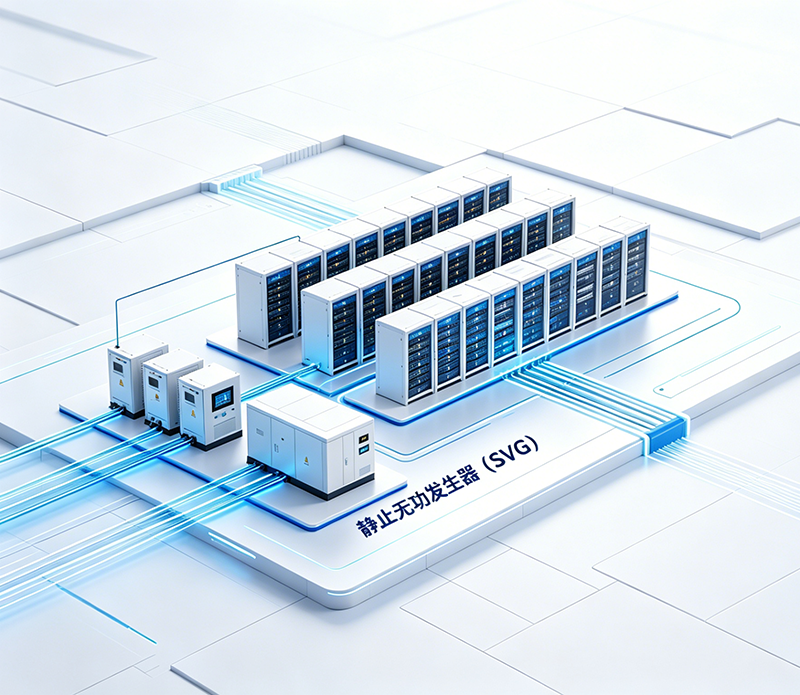
SVGとは何ですか (静的varジェネレーター)?
SVG, または静的 VAR ジェネレーター, は、最新のパワー エレクトロニクス ベースのデバイスです。 リアルタイムの動的無効電力補償.
コンデンサバンクとは異なります, SVG は IGBT ベースのインバーター技術を使用して、無効電力を瞬時に生成または吸収します.
仕組み
- 負荷電流を継続的に監視
- 無効電力需要をリアルタイムに計算
- ミリ秒以内に補償電流を注入
主な特徴
- 完全に動的補償 (誘導性と容量性)
- 継続的な調整 (ステップベースではない)
- 素早い応答 (通常 <10 MS)
- 高調波歪みにも効果的
- コンパクトなモジュール設計
SVG vs キャパシターバンク: 技術的な比較
エンジニアリングの観点から, 違いは重要です.
1. 応答速度
- コンデンサバンク: 遅い (秒レベルの切り替え)
- SVG: 超高速 (ミリ秒レベルの応答)
サーバー負荷が変動するデータセンター向け, SVG は明らかに優れています.
2. 報酬の精度
- コンデンサバンク: 段階的に, 限られた精度
- SVG: 継続的かつ正確な補正
SVG は PF をほぼ維持します 0.99 一貫して.
3. 高調波性能
- コンデンサバンク: 高調波を増幅できる (共振リスク)
- SVG: 高調波歪みを積極的に軽減
これは UPS の負荷が高い環境では重要です.
4. メンテナンス要件
- コンデンサバンク: コンデンサの交換が必要です, コンタクタのメンテナンス
- SVG: 最小限のメンテナンス, ソリッドステート設計
5. スペースとスケーラビリティ
- コンデンサバンク: かさばり, パネルベースの拡張
- SVG: コンパクト, モジュール式の拡張が可能
6. ライフサイクルコスト
コンデンサバンクは初期費用が低い一方で、, SVGオファー:
- 故障率の低下
- ダウンタイムのリスクの軽減
- より高いエネルギー効率
- 長期的なROIの向上
データセンターにコンデンサバンクよりも SVG が必要な理由
最新のデータセンターは、従来の産業用負荷とは根本的に異なります。.
1. 非常に動的な負荷プロファイル
仮想化とクラウド コンピューティングにより、サーバーのワークロードは数ミリ秒以内に変動します.
コンデンサバンクは十分な速度で反応できません, につながる:
- 力率発振
- 補償の過不足
SVG はリアルタイム調整でこれを解決します.
2. 高調波の多い環境
データセンターには以下が含まれます:
- UPS整流器
- スイッチモード電源
- VFD 駆動の冷却システム
これらは高調波歪みを引き起こします (3rd, 5th, 7次高調波).
このような状況ではコンデンサバンクが共振する可能性があります, SVG は高調波電流を積極的に抑制します.
3. 高い信頼性の要件
データセンターのダウンタイムは非常にコストがかかります. 電力品質が不安定になると、次のような問題が発生する可能性があります。:
- サーバーがクラッシュする
- データ損失
- 冷却システムの不均衡
SVG は安定した機能を提供します, 機械的なスイッチング故障のない連続補償.
4. エネルギー効率の最適化
PFの小さな改善でも (例えば。, から 0.92 に 0.99) 大幅に削減できる:
- 変圧器損失
- ケーブル加熱
- ユーティリティペナルティ
SVG は、すべての負荷条件にわたって一貫して高い PF を保証します.
CoEpower プロジェクトから得られる現実世界のエンジニアリングに関する洞察
複数の CoEpower データセンター プロジェクトで, 私たちは一貫したパターンを観察しました:
- コンデンサバンクは定常負荷テスト中に良好に動作しました
- しかし、クラウドトラフィックのピーク変化時に安定性を維持できなかった
SVG システムの置き換えまたは補完後:
- 力率の安定性が 8 ~ 15% 向上
- 高調波歪みを大幅に低減
- メンテナンス介入が終了しました 60%
- 全体的なエネルギー効率が目に見えて改善されました
これは、SVG が単なるアップグレードではなく、 電力品質アーキテクチャのシステムレベルの改善.
ハイブリッド ソリューション: SVG + コンデンサバンク
エンジニアとして, コンデンサバンクが時代遅れではないことも認識しています.
多くの大規模な設備で, a ハイブリッド構成 最適です:
- コンデンサバンクハンドル 基本無効負荷
- SVGハンドル 動的で急速に変化する負荷
ハイブリッド システムの利点
- 完全な SVG 導入と比較してコストを削減
- システムの応答性の向上
- SVG ユニットのストレスを軽減
- バランスの取れたライフサイクルコスト
このアプローチは特に次のような場合に役立ちます。:
- ティア II / Tier III データセンター
- 大規模な工業キャンパス
- 混載設備
SVG とコンデンサバンクのどちらを選択するか
力率改善システムを設計する場合, 次のことを考慮してください:
次の場合はコンデンサバンクを選択してください:
- 負荷は安定しており、予測可能です
- 予算が非常に限られている
- 高調波歪みは最小限です
- 産業用モーターが負荷の大半を占める
次の場合は SVG を選択します:
- 負荷は非常に動的です (データセンター, クラウドコンピューティング)
- 高調波は重要です
- 高い電力品質が要求される
- ダウンタイムは非常にコストがかかる
次の場合はハイブリッドを選択してください:
- 負荷が混在する大規模施設
- 設備投資とパフォーマンスのバランスが必要
データセンターにおける力率改善の将来
業界は明らかに次の方向に向かっています:
- 電力システムの完全デジタル化
- リアルタイムのエネルギー最適化
- スマートグリッドの統合
- AIによる負荷予測
この文脈では, SVG テクノロジーはインテリジェントな電力インフラストラクチャの将来と完全に一致します.
コンデンサーバンクは引き続き存在します, ただし、主な解決策ではなく、主に補助的な役割を担っています。.
結論
CoEpower の上級エンジニアリングの観点から, 間の比較 SVGとコンデンサバンクの比較 単なるコストの問題ではなく、現実世界の条件下でのシステムの動作の問題です.
コンデンサバンクは依然として信頼性が高い, 安定した負荷のための経済的なソリューション. しかし, 現代のための ダイナミックなデータセンター, 高調波の多い環境, SVG (静的varジェネレーター) 優れたを提供します:
- 応答速度
- 正確さ
- 高調波性能
- 信頼性
- ライフサイクル価値
ほとんどの最新のデータセンター アプリケーションでは, SVG はもはや贅沢品ではなく、高性能電力品質システムの標準要件になりつつあります.
データセンターの電力システムを設計またはアップグレードしている場合, SVG ベースの無効電力補償を評価することは、より高い効率を達成するための重要なステップです, 安定性, 長期にわたる動作信頼性.
キーワードタグ
力率補正, SVGとコンデンサバンクの比較, 静的varジェネレーター, コンデンサバンクシステム, データセンターの電力品質, 反応性電力補償, 高調波の軽減, 産業用力率補正, 動的VAR補償, CoEpower エンジニアリング ソリューション, サプライヤー, メーカー, 工場, 会社, 中国, 卸売, 買う, 価格, 引用, バルク, 販売のため, 企業, ストック, 料金.