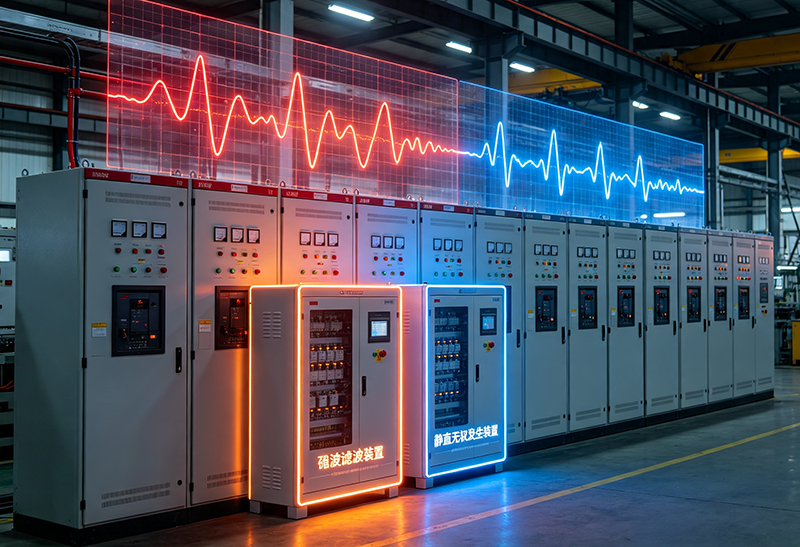
1. 導入: 製鉄所で無効電力が重要な理由
製鉄所は世界で最も電力を大量に消費する産業施設の 1 つです. 電気炉から (EAF) 圧延機から大型モータードライブや溶接システムまで, 負荷プロファイルは非常に動的です, 非線形, そして誘導性が高い.
上級電気技師として 共同作家, 私は、管理されていない無効電力がどのようにして発生するかを直接見てきました。:
- 激しい電圧変動
- 低力率ペナルティ
- 過負荷の変圧器とケーブル
- エネルギー損失の増加
- 機器の寿命の低下
- 炉の操業が不安定になる
これらの問題の核心には、電気工学の基本的な概念があります。: 反応性電力補償, 無効電力補償の広範な分野の重要な部分.
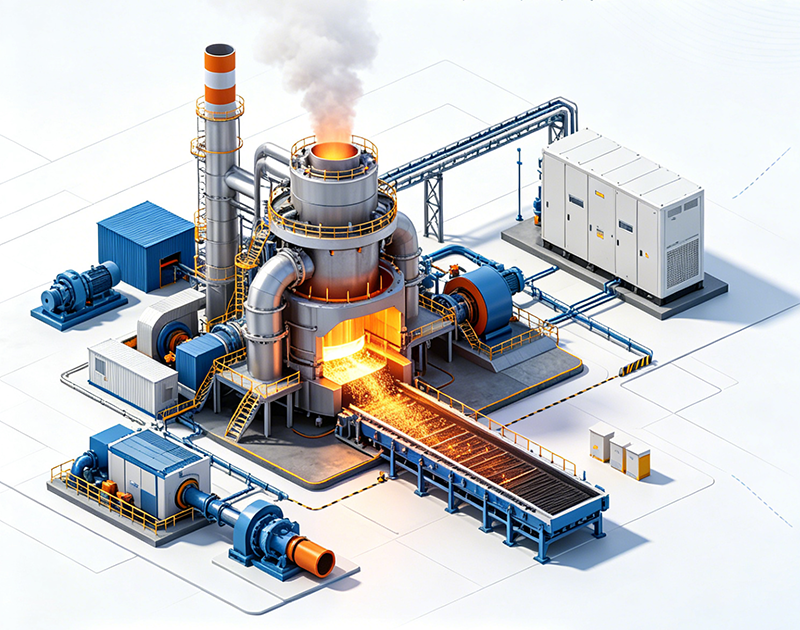
現代の製鉄所におけるこれらの課題を解決するには, 従来のコンデンサバンクではもはや十分ではありません. 業界は、次のような動的なソリューションに急速に移行しています。 静的varジェネレーター (SVG), 静的 VAR ジェネレーターとも呼ばれます (SVG).
2. 製鉄所の操業における無効電力を理解する
2.1 無効電力とは?
ACシステムの場合, 電力は次のように分けられます:
- 有効電力 (kW): 役に立つ仕事をする
- 無効電力 (左): 誘導負荷の磁界をサポート
- 皮相電力 (KVA): 両方のベクトル和
製鉄所は、次のような誘導機器が主流です。:
- アーク炉
- 誘導電動機
- 大型変圧器
- コンベヤシステム
これらの負荷は大量の無効電力を消費します, 力率低下の原因となる.
2.2 製鉄所が非常に敏感な理由
商業ビルと違って, 製鉄所の経験:
- 急激な負荷変動 (特にEAF溶解サイクル)
- 突然の電流サージ
- アークが頻繁に不安定になる
- コンバーターとドライブからの非線形高調波
これにより、従来の固定報酬システムが無効になります.
3. 従来のコンデンサバンクの限界
多くの製鉄所は依然として力率改善のためにコンデンサバンクに依存しています。. しかし, それらには重大な欠点があります:
3.1 ステップ応答遅延
コンデンサバンクは離散的なステップで切り替わります. 製鉄所の負荷はミリ秒単位で変化する, コンデンサのスイッチングが遅い間.
3.2 過剰補償リスク
負荷が急激に低下した場合 (例えば。, 炉の一時停止), コンデンサが過補償になる可能性がある, 原因となる:
- 過電圧
- システム共振
- 設備ストレス
3.3 高調波増幅
コンデンサはシステム高調波と相互作用する可能性があります, 歪みを増幅させ、機器に損傷を与える可能性があります.
3.4 機械的摩耗
頻繁なスイッチングはコンタクタの磨耗とメンテナンスコストにつながります.
4. SVGテクノロジー: 最新のソリューション
4.1 SVGシステムとは?
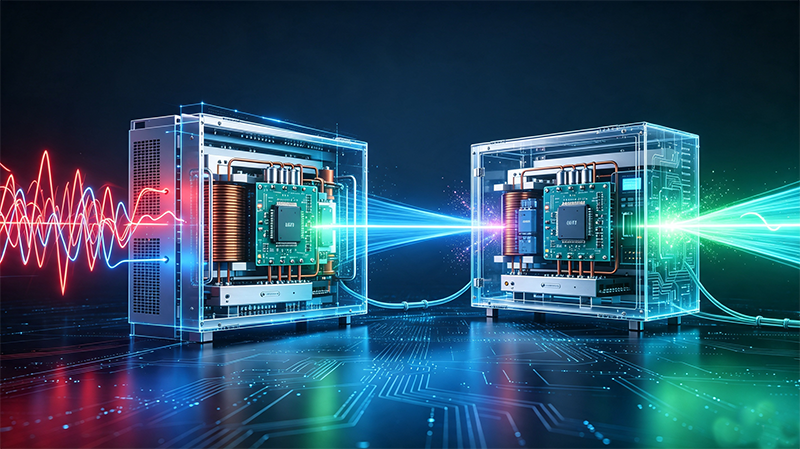
a 静的varジェネレーター (SVG) 無効電力をリアルタイムで動的に生成または吸収するパワー エレクトロニクス デバイスです。.
コンデンサバンクとは異なります, SVG は IGBT ベースのインバーター技術を使用してミリ秒以内に応答します.
結果として, SVG が提供する:
- 連続無効電力補償
- 高速な動的応答
- 双方向 VAR サポート
- 安定した電圧レギュレーション
4.2 製鉄所での SVG の仕組み
動作原理はリアルタイムの電流検出に基づいています:
- 変流器は負荷需要を監視します
- コントローラが無効電力要件を計算します
- IGBTインバータが補償電流を生成
- 無効電力は瞬時に注入または吸収されます
この閉ループ システムにより、ほぼ完璧な力率補正が保証されます。.
5. 製鉄所が他のどの業界よりも SVG を必要とする理由
CoEpower でのエンジニアリング経験から, 製鉄所は電力品質にとって最も困難な環境の 1 つです.
5.1 電気炉 (EAF) 不安定
EAF が作成する:
- 急激な負荷変動
- アークの消滅/再点火サイクル
- 激しいちらつきと電圧低下
SVG はこれらの変動をリアルタイムで補正します, 炉操業の安定化.
5.2 圧延機モータードライブ
大型モーターの原因:
- 起動時の力率の遅れ
- 高い突入電流
- 継続的な反応需要
SVG は、起動時と定常状態の動作時の両方でスムーズな補償を保証します.
5.3 調和の相互作用
現代の製鉄所で使用されているのは、:
- 可変周波数ドライブ (VFDS)
- 整流器
- インバータ
これらは電力システムを歪ませる高調波を生成します。. 高度な SVG システムには、歪みを軽減する高調波フィルタリング機能が含まれています.
6. 製鉄所におけるSVGの主な利点
6.1 超高速の動的応答
SVG は次の時間以内に応答します 5 ミリ秒, アーク炉の変動に最適です.
6.2 正確な力率制御
力率をほぼ 1 に維持 (0.99–1.0), 公共事業の違約金を大幅に削減.
6.3 電圧安定性の向上
無効電力を局所的に注入することで, SVG はバス電圧を安定させ、ちらつきを軽減します.
6.4 エネルギー損失の削減
無効電流の低減を意味します:
- I²R損失の削減
- 下部変圧器の加熱
- ケーブル効率の向上
6.5 モジュール式でスケーラブルな設計
SVG システムはモジュール単位で導入可能, プラントの生産能力の増加に応じて段階的に拡張できる.
7. 製鉄所アプリケーションにおける SVG とコンデンサーバンクの比較
| 特徴 | コンデンサバンク | SVGシステム |
| 応答速度 | 遅い (秒) | 超高速 (ミリ秒) |
| コントロール | ステップベース | 継続的なダイナミック |
| 高調波処理 | 貧しい | 素晴らしい |
| 補償の過不足 | 一般 | 排除された |
| メンテナンス | 高い | 低い |
| 鉄鋼プラントへの適合性 | 限定 | 理想的 |
8. SVG 導入のためのエンジニアリング設計の考慮事項
CoEpower シニアエンジニアとして, システム設計時に次のことを考慮することをお勧めします:
8.1 負荷分析
詳細な負荷プロファイルには以下を含める必要があります。:
- 炉のデューティサイクル
- モーターの起動/停止パターン
- ピーク需要期間
8.2 調和環境
SVGインストール前, 測定:
- 全高調波歪み (thd)
- 周波数スペクトル
- 共振点
8.3 システム容量の選択
SVG の容量は通常、次のように設計されています。:
- 30%製鉄所のピーク無効負荷の -70%
- EAF を大量に使用する操作ではオーバーサイズが必要になる場合があります
8.4 既存のシステムとの統合
SVGと統合できる:
- コンデンサバンク (ハイブリッドシステム)
- SCADAシステム
- エネルギー管理プラットフォーム
9. ハイブリッド報酬戦略 (ベストプラクティス)
多くの製鉄所では, 最適なソリューションはSVG単独ではなくハイブリッド構成です:
- SVG は高速な動的変動を処理します
- コンデンサバンクは定常状態の無効負荷を処理します
この組み合わせにより、コストを削減しながらパフォーマンスを最大化できます.
10. SVG テクノロジーの今後の動向
製鉄所における無効電力補償の将来は、:
10.1 AI ベースの負荷予測
SVG システムは負荷の変化を発生前に予測します.
10.2 デジタルツインの統合
最適化のためのプラント電力システムのリアルタイム シミュレーション.
10.3 多機能電力品質デバイス
将来の SVG ユニットは結合されます:
- 高調波フィルタリング
- 電圧調整
- アンバランス補正
- リアクティブ補償
11. 結論
製鉄所は、現在利用可能な最も堅牢でインテリジェントな電力品質ソリューションの 1 つを必要としています。. 従来のコンデンサバンクは、現代の鉄鋼生産の動的要件を満たすことができなくなりました.
の採用 静的varジェネレーター (SVG) テクノロジーが提供する:
- リアルタイム無効電力制御
- 電圧安定性の向上
- 運用コストの削減
- 機器の信頼性の向上
エンジニアリングの観点から見ると、 共同作家, SVG はもはやオプションのアップグレードではなく、最新の製鉄所の電気インフラストラクチャの基礎コンポーネントです.
産業システムがより高度な自動化とエネルギー効率に向けて進化し続ける中、, SVG ベースの無効電力補償は、今後も安定した電力を実現するための中心となります, 効率的, 持続可能な鉄鋼生産.
キーワード
反応性電力補償, SVGシステム, 静的varジェネレーター, 製鉄所の電力品質, 力率補正, 高調波の軽減, 産業用エネルギー効率, 電圧安定性, CoEpower SVG ソリューション, 動的リアクティブ補償, サプライヤー, メーカー, 工場, 会社, 中国, 卸売, 買う, 価格, 引用, バルク, 販売のため, 企業, ストック, 料金.