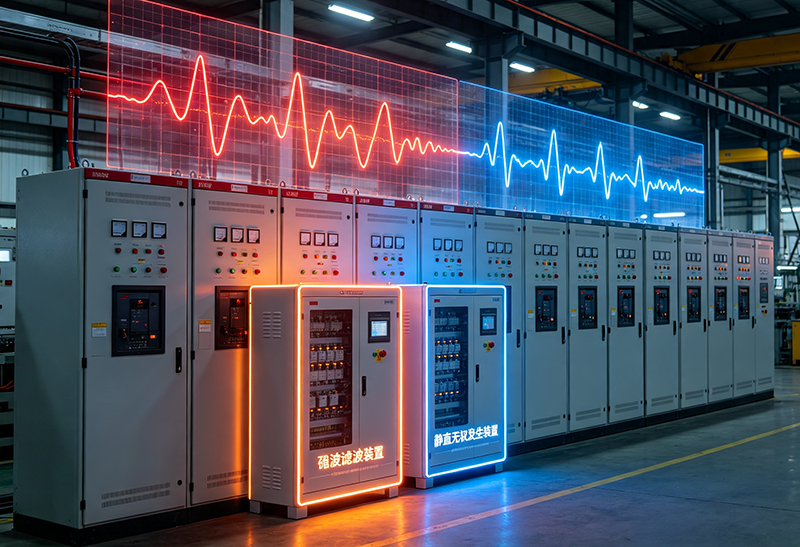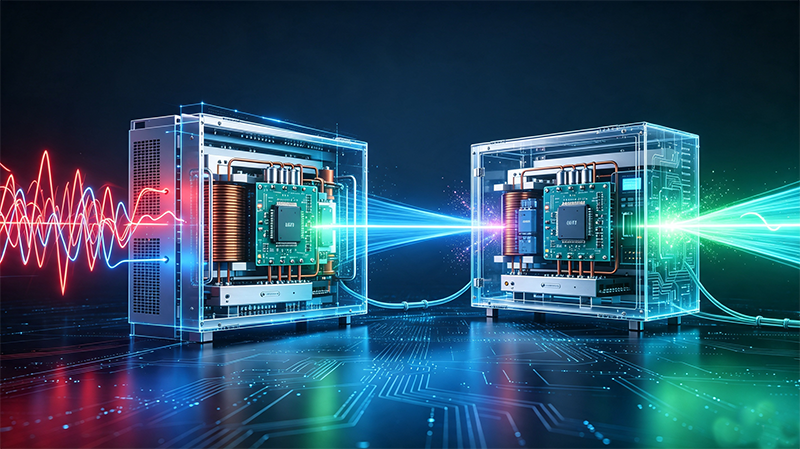
소개: 데이터 센터에서 역률 보정이 중요한 이유
CoEpower의 수석 전기 엔지니어로서, 저는 산업 시설과 데이터 센터를 위한 전력 품질 시스템을 설계하고 최적화하는 데 수년을 보냈습니다.. 현대 인프라에서 반복적으로 발생하는 과제 중 하나는 안정적이고 효율적인 인프라를 유지하는 것입니다. 전력 계수 (pf) 매우 동적인 부하에서.
데이터 센터, 특히, 매우 민감한 환경입니다. UPS 시스템의 신속한 전환으로, 서버 로드, 냉각 시스템, 전력전자, 무효 전력 수요는 지속적으로 변동합니다.. 역률이 좋지 않으면 다음과 같은 결과가 발생합니다.:
- 공공요금 부과로 인한 전기요금 인상
- 더 높은 변압기 및 케이블 손실
- 시스템 용량 감소
- 동적 부하 조건에서의 전압 불안정성
전통적으로, 커패시터 뱅크 역률 보정에 사용되었습니다.. 하지만, 현대 부하의 복잡성이 증가함에 따라, SVG (정적 var 생성기) 기술은 고급 데이터 센터에서 선호되는 솔루션이 되고 있습니다..
이 기사에서는 다음과 같은 심층적인 기술 및 실제 비교를 제공합니다. SVG 대 커패시터 뱅크, 엔지니어와 시설 관리자가 정보에 입각한 결정을 내릴 수 있도록 지원.
역률 보정 이해 (일병)
역률은 실제 전력 간의 비율입니다. (kW) 그리고 겉보기 전력 (KVA). 이상적으로는, 이 값은 다음과 같아야 합니다. 1.0 가능한 한.
대부분의 데이터 센터는 유도성 및 비선형 부하로 작동합니다., 소개하는:
- 지연 무효 전력 (변압기와 같은 유도성 부하, 모터, 냉각기)
- 고조파 왜곡 (UPS 시스템에서, 정류기, 서버)
역률 보상은 무효 전력을 보상하는 것을 목표로 합니다. (왼쪽) 로컬로:
- 시스템 효율성 향상
- 전송 손실 감소
- 전기 용량 확보
- 유틸리티 페널티를 피하세요
오늘날 사용되는 두 가지 주요 기술이 있습니다.:
- 커패시터 뱅크
- SVG (정적 var 생성기)
커패시터 뱅크란??
커패시터 뱅크는 단계적으로 연결된 여러 커패시터로 구성된 전통적인 수동 역률 보정 시스템입니다..
작동 방식
커패시터 뱅크는 유도성 부하를 상쇄하는 선행 무효 전력을 생성하여 고정 또는 계단식 무효 전력 보상을 제공합니다..
커패시터 뱅크의 유형
- 고정 커패시터 뱅크
- 자동 전환 커패시터 뱅크
- 사이리스터 전환 커패시터 뱅크
장점
- 낮은 초기 비용
- 간단한 기술
- 쉬운 설치
- 안정적인 부하 조건에 적합
데이터 센터의 한계
하지만, 커패시터 뱅크는 현대 환경에서 상당한 한계를 가지고 있습니다.:
- 단계별 보상 (연속적이지 않음)
- 부하 변동에 대한 느린 응답
- 과잉 보상의 위험
- 고조파 왜곡으로 인한 성능 저하
- 자주 유지 관리가 필요함 (접촉기, 퓨즈, 커패시터 노화)
요컨대, 커패시터 뱅크는 다음에 가장 적합합니다. 안정적인 산업 부하, 동적 디지털 인프라가 아님.
SVG란 무엇인가 (정적 var 생성기)?
SVG, 또는 정적 변수 생성기, 다음을 제공하는 최신 전력 전자 기반 장치입니다. 실시간 동적 무효 전력 보상.
커패시터 뱅크와 달리, SVG는 IGBT 기반 인버터 기술을 사용하여 무효 전력을 즉시 생성하거나 흡수합니다..
작동 방식
- 부하 전류를 지속적으로 모니터링
- 무효전력 수요를 실시간으로 계산
- 밀리초 이내에 보상 전류 주입
주요 특징
- 완전 동적 보상 (유도성 및 용량성)
- 지속적인 조정 (단계 기반이 아닌)
- 빠른 응답 (일반적으로 <10 MS)
- 고조파 왜곡과 잘 작동합니다.
- 컴팩트하고 모듈식 디자인
SVG 대 커패시터 뱅크: 기술 비교
엔지니어링 관점에서, 그 차이는 상당하다.
1. 응답 속도
- 커패시터 은행: 느린 (초 수준 전환)
- SVG: 초고속 (밀리초 수준 응답)
서버 부하가 변동하는 데이터 센터의 경우, SVG가 확실히 더 나은 성능을 발휘합니다..
2. 보상 정확도
- 커패시터 은행: 단계적으로, 제한된 정밀도
- SVG: 지속적이고 정확한 보상
SVG는 PF를 거의 유지합니다. 0.99 꾸준히.
3. 고조파 성능
- 커패시터 은행: 고조파 증폭 가능 (공명 위험)
- SVG: 고조파 왜곡을 적극적으로 완화합니다.
이는 UPS가 많은 환경에서 매우 중요합니다..
4. 유지 보수 요구 사항
- 커패시터 은행: 커패시터 교체 필요, 접촉기 유지 보수
- SVG: 최소한의 유지보수, 솔리드 스테이트 디자인
5. 공간과 확장성
- 커패시터 은행: 부피가 커집니다, 패널 기반 확장
- SVG: 콤팩트, 모듈식 확장 가능
6. 수명주기 비용
커패시터 뱅크는 초기 비용이 낮지만, SVG 제안:
- 낮은 실패율
- 다운타임 위험 감소
- 더 높은 에너지 효율성
- 더 나은 장기 ROI
데이터 센터에 커패시터 뱅크보다 SVG가 더 필요한 이유
현대 데이터 센터는 기존 산업 부하와 근본적으로 다릅니다..
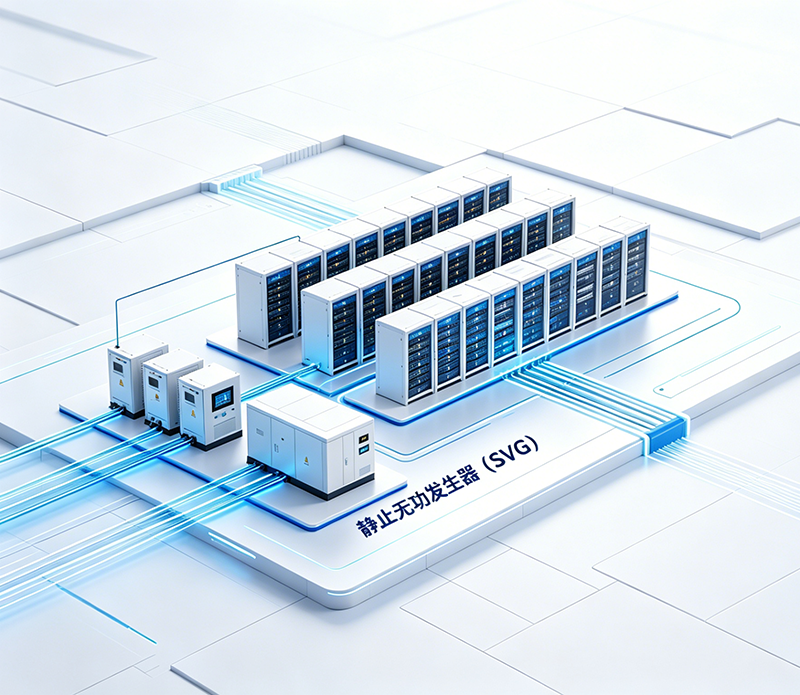
1. 고도의 동적 부하 프로필
가상화 및 클라우드 컴퓨팅으로 인해 서버 워크로드가 밀리초 단위로 변동합니다..
커패시터 뱅크는 충분히 빠르게 반응할 수 없습니다., 이어지는:
- 역률 진동
- 초과/과소 보상
SVG는 실시간 조정으로 이 문제를 해결합니다..
2. 고조파가 풍부한 환경
데이터 센터에는 다음이 포함됩니다.:
- UPS 정류기
- 스위치 모드 전원 공급 장치
- VFD 구동 냉각 시스템
이는 고조파 왜곡을 생성합니다. (3rd, 5th, 7차 고조파).
커패시터 뱅크는 이러한 조건에서 공진할 수 있습니다., SVG는 고조파 전류를 적극적으로 억제합니다..
3. 높은 신뢰성 요구 사항
데이터 센터의 다운타임은 막대한 비용을 초래합니다. 전력 품질이 불안정하면 다음과 같은 결과가 발생할 수 있습니다.:
- 서버 충돌
- 데이터 손실
- 냉각 시스템 불균형
SVG는 안정적인 제공, 기계적 스위칭 오류 없이 지속적인 보상.
4. 에너지 효율 최적화
PF의 작은 개선이라도 (예를 들어, ~에서 0.92 에게 0.99) 크게 줄일 수 있다:
- 변압기 손실
- 케이블 가열
- 유틸리티 페널티
SVG는 모든 부하 조건에서 지속적으로 높은 PF를 보장합니다..
CoEpower 프로젝트의 실제 엔지니어링 통찰력
여러 CoEpower 데이터 센터 프로젝트에서, 우리는 일관된 패턴을 관찰했습니다:
- 커패시터 뱅크는 꾸준한 부하 테스트 중에 잘 작동했습니다.
- 하지만 피크 클라우드 트래픽 변화 시 안정성을 유지하지 못했습니다.
SVG 시스템으로 교체 또는 보완한 후:
- 역률 안정성이 8~15% 향상되었습니다.
- 고조파 왜곡이 대폭 감소
- 유지 관리 개입이 줄어들었습니다. 60%
- 전반적인 에너지 효율성이 눈에 띄게 향상되었습니다.
이는 SVG가 단순한 업그레이드가 아니라는 점을 보여줍니다. 전력 품질 아키텍처의 시스템 수준 개선.
하이브리드 솔루션: SVG + 커패시터 은행
엔지니어로서, 나는 또한 커패시터 뱅크가 더 이상 쓸모가 없다는 것을 알고 있습니다..
많은 대규모 설치에서, 에이 하이브리드 구성 최적이다:
- 커패시터 뱅크 핸들 기본 무효 부하
- SVG 핸들 역동적이고 빠르게 변화하는 부하
하이브리드 시스템의 이점
- 전체 SVG 배포에 비해 비용 절감
- 향상된 시스템 응답성
- SVG 장치의 스트레스 감소
- 균형 잡힌 수명주기 비용
이 접근 방식은 특히 다음과 같은 경우에 유용합니다.:
- 2단계 / Tier III 데이터 센터
- 대규모 산업 캠퍼스
- 혼합 부하 시설
SVG와 커패시터 뱅크 중에서 선택하는 방법
역률 보상 시스템을 설계할 때, 다음을 고려하십시오:
다음과 같은 경우 커패시터 뱅크를 선택하세요.:
- 부하는 안정적이고 예측 가능합니다.
- 예산이 매우 제한되어 있습니다.
- 고조파 왜곡이 최소화됩니다.
- 산업용 모터가 부하를 지배합니다.
다음과 같은 경우 SVG를 선택하세요.:
- 로드는 매우 동적입니다. (데이터 센터, 클라우드 컴퓨팅)
- 고조파가 중요함
- 높은 전력 품질이 필요합니다
- 다운타임은 엄청난 비용을 발생시킵니다
다음과 같은 경우 하이브리드를 선택하세요.:
- 부하 거동이 혼합된 대규모 시설
- CAPEX와 성과 간의 균형 필요
데이터 센터 역률 보정의 미래
업계는 분명히 다음과 같은 방향으로 움직이고 있습니다.:
- 전력 시스템의 완전한 디지털화
- 실시간 에너지 최적화
- 스마트 그리드 통합
- AI 기반 부하 예측
이러한 맥락에서, SVG 기술은 지능형 전력 인프라의 미래와 완벽하게 조화를 이룹니다..
커패시터 뱅크는 여전히 존재합니다, 하지만 기본 솔루션이 되기보다는 주로 지원 역할을 담당합니다..
결론
CoEpower의 수석 엔지니어링 관점에서, 사이의 비교 SVG 대 커패시터 뱅크 이는 단지 비용에 관한 것이 아니라 실제 조건에서의 시스템 동작에 관한 것입니다..
커패시터 뱅크는 신뢰할 수 있는 상태로 남아 있습니다., 안정적인 부하를 위한 경제적인 솔루션. 하지만, 현대를 위한 동적 데이터 센터, 고조파가 풍부한 환경, SVG (정적 var 생성기) 우수한 제공:
- 응답 속도
- 정확성
- 고조파 성능
- 신뢰할 수 있음
- 수명주기 가치
대부분의 최신 데이터 센터 애플리케이션에서, SVG는 더 이상 사치품이 아닙니다. 고성능 전력 품질 시스템의 표준 요구 사항이 되고 있습니다..
데이터 센터 전력 시스템을 설계하거나 업그레이드하는 경우, SVG 기반 무효 전력 보상을 평가하는 것은 더 높은 효율성을 달성하기 위한 중요한 단계입니다., 안정, 장기적인 운영 신뢰성.
키워드 태그
전력 계수 보정, SVG 대 커패시터 뱅크, 정적 var 생성기, 커패시터 뱅크 시스템, 데이터 센터 전력 품질, 반응 전력 보상, 고조파 완화, 산업용 역률 보정, 동적 VAR 보상, CoEpower 엔지니어링 솔루션, 공급 업체, 제조업체, 공장, 회사, 중국, 모조리, 구입하다, 가격, 인용, 대부분, 판매용, 회사, 재고, 비용.