Введение: Инженерный взгляд на качество промышленной электроэнергии
Старший инженер-электрик в CoEpower Electric., Я работал над многочисленными проектами по обеспечению качества промышленной электроэнергии в таких секторах, как производство, металлургия, и инфраструктура. Выделяется одна повторяющаяся проблема: динамика, нелинейные нагрузки, снижающие производительность системы.
Это тематическое исследование из Синьцзяна является хрестоматийным примером.. Предприятие, эксплуатирующее высокочастотные сварочные машины для ферм, столкнулось с постоянным низким коэффициентом мощности., нестабильность трансформатора, и повышение штрафов за электроэнергию. Традиционные решения уже были внедрены, но они потерпели неудачу.
Вот как мы диагностировали проблему и разработали решение, которое принесло измеримые технические и финансовые результаты..
Предыстория проекта: Что мы нашли на месте
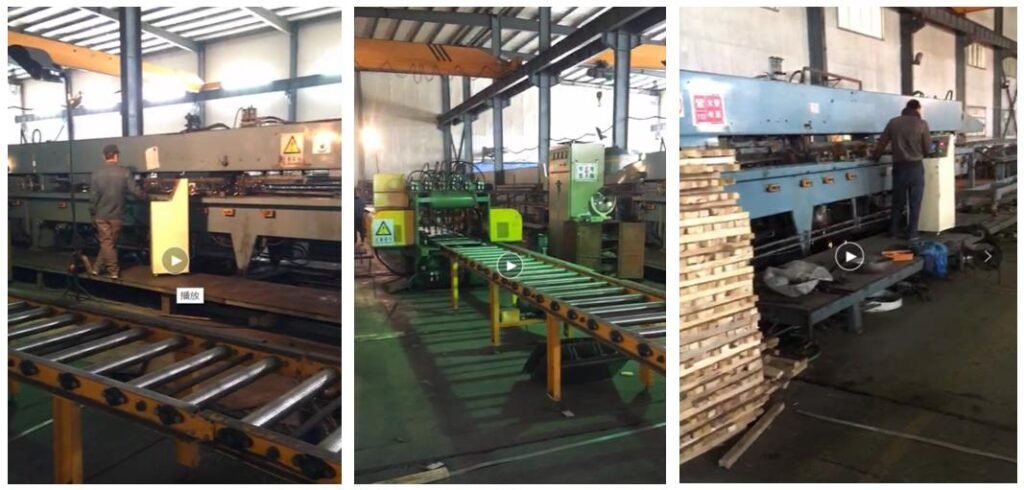
Обзор объекта
- Приложение: Сварка ферм для производства металлокаркаса
- Трансформатор: 630 КВА, 0.4 кВ низковольтная система
- Тип нагрузки: Высокодинамичные сварочные аппараты
- Диапазон измеренного тока: 200А – 900А
- Цикл загрузки: ~20 циклов, быстрое колебание
Основная проблема
Клиент сообщил:
- Частые отключения трансформатора
- Штрафы за коэффициент мощности
- Нестабильное поведение системы
Когда мы проводили измерения на месте с помощью анализатора качества электроэнергии FLUKE 430-II, коренные причины стали ясны.
Инженерная диагностика: Почему система давала сбой
1. Очень низкий коэффициент мощности
Измеренный средний коэффициент мощности: 0.6–0,7
Это намного ниже требований коммунальных предприятий и напрямую приводит к начислению штрафов..
2. Реактивная мощность была очень нестабильной
Мы наблюдали:
- Скачки реактивной мощности длительностью менее 0.5 секунды
- Высокочастотные колебания, связанные с циклами сварки
- Банк конденсаторов не может реагировать в режиме реального времени
3. Ограничения конденсаторной батареи
В системе уже была установлена батарея конденсаторов.. Однако, с инженерной точки зрения, данное решение принципиально не соответствовало профилю нагрузки.
Почему это не удалось:
- Механическая задержка переключения (требуемые секунды и миллисекунды)
- Поэтапная компенсация — не непрерывная
- Нет возможности отслеживать быстрые изменения нагрузки.
- Риск резонанса и сверхкомпенсации
4. Трансформаторные поездки по защите от стресса и защиты
Сочетание:
- Высокий реактивный ток
- Быстрые колебания груза
приводило к частому срабатыванию систем защиты трансформатора, влияющие на непрерывность производства.
Проектирование решения: Почему мы выбрали SVG
По характеристикам нагрузки, Я рекомендовал развернуть Статический генератор VAR (Svg) система.
Инженерное обоснование
SVG идеален, когда:
- Изменения нагрузки быстрые и непредсказуемые.
- Потребность в реактивной мощности очень динамична.
- Требуется точная компенсация
В отличие от конденсаторных батарей, SVG работает с использованием силовой электроники на базе IGBT., позволяя:
- Компенсация в реальном времени (<10 ответ мс)
- Непрерывная регулировка (не пошаговый)
- Стабильный и точный контроль коэффициента мощности
Выполнение: Что мы сделали на месте
Детали установки
- Модель: СВГ-400/4Л-400
- Емкость: 400 левый
- Точка установки: Исходящий терминал входящего шкафа (сторона низкого напряжения)
Процесс ввода в эксплуатацию
С точки зрения инженерного рабочего процесса:
1, Измерения перед установкой
- Собраны базовые данные о качестве электроэнергии
2, Системная интеграция
- Установленные трансформаторы тока для измерения тока в режиме реального времени.
- Подключил SVG к системе распространения
3, Конфигурация параметров
- Установить целевой коэффициент мощности
- Настроенная стратегия компенсации
4, Пошаговая активация
- Активированные модули SVG последовательно
- Контролируемая реакция системы
5, Валидация
- Сравнение форм сигналов и тенденций до и после
Результаты: Измеренное улучшение производительности
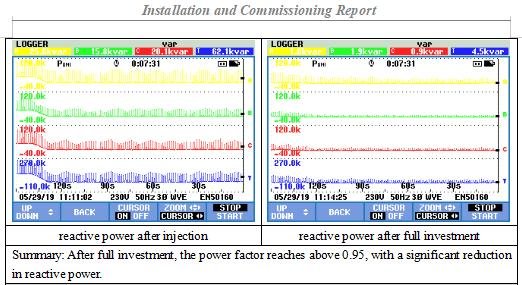
1. Коррекция коэффициента мощности
- До: ~0,65
- После: ≥0,95 (стабильный, почти единство)
С инженерной точки зрения, это указывает на оптимальную компенсацию реактивной мощности без колебаний.
2. Стабилизация реактивной мощности
Данные после установки показали:
- Значительное снижение базовой реактивной мощности
- Резкое уменьшение кратковременных всплесков
- Более плавное поведение системы
3. Динамическая обработка нагрузки
SVG эффективно отреагировал на:
- Изменение нагрузки за доли секунды
- Колебания сварочного цикла
Это то, чего конденсаторные батареи просто не могут достичь..
4. Стабильность защиты трансформатора
После развертывания:
- Больше никаких неприятных отключений
- Снижение термического напряжения
- Повышенная эксплуатационная надежность
Финансовое влияние: Инжиниринг, который окупается
Из платежных данных клиента:
- До SVG: Штраф за реактивную мощность = 9,972.94 юаней
- После SVG: Вознаграждение за коэффициент мощности = 91.55 юаней
Инженерное понимание
Это классический случай, когда улучшение качества электроэнергии напрямую приводит к финансовой выгоде..
Рентабельность инвестиций определяется:
- Устранение штрафов
- Сокращение системных потерь
- Повышение общей эффективности
Технические выводы: Уроки практики
- Сопоставьте технологию с загрузкой профиля
Батареи конденсаторов подходят для:
- Стабильный, предсказуемые нагрузки
SVG необходим для:
- Быстро меняющийся, нелинейные нагрузки
2. Время отклика имеет решающее значение
В этом проекте:
- Реактивные события произошли в <0.5 секунды
- Только SVG мог ответить достаточно быстро.
3. Качество электроэнергии — это инженерия на уровне системы
Улучшение коэффициента мощности также:
- Уменьшает среднеквадратичный ток
- Снижает потери в трансформаторах и кабелях
- Увеличивает срок службы оборудования
4. Инженерные работы, управляемые данными
Использование реальных инструментов измерения (как анализаторы FLUKE) позволил нам:
- Определите истинную проблему
- Подтвердите решение количественно
Где применяется это решение
Из моего опыта, этот тип развертывания SVG очень эффективен в:
- Сварочные и производственные предприятия
- Сталелитейная и тяжелая промышленность
- Автомобильное производство
- Горные работы
- Любой объект с переменными индуктивными нагрузками
Заключение: Достигнутая инженерная ценность
Этот проект в Синьцзяне является ярким примером того, как правильные инженерные решения, а не только модернизация оборудования, приводят к результатам..
Внедряя решение SVG, достигнуто:
- Улучшение коэффициента мощности от 0.65 к 0.95+
- Устранение штрафов за реактивную мощность
- Стабильная и надежная работа системы
- Непосредственные и измеримые экономические выгоды
Заключительные мысли инженера
Если вы имеете дело с:
- Нестабильные нагрузки
- Низкий коэффициент мощности
- Неожиданные штрафы
Не просто добавляйте больше конденсаторов.
Сначала проанализируйте динамику системы. Во многих современных промышленных средах, только решение динамической компенсации, такое как SVG, действительно решит проблему..
Теги: Статический генератор VAR, Случай проекта SVG, компенсация реактивной мощности, коррекция коэффициента мощности, Качество мощности сварочного аппарата, промышленное энергосбережение, Гармоническое смягчение, Решение CoEpower SVG, улучшение качества электроэнергии, конденсаторная батарея против SVG, поставщики, производители, фабрика, компания, Китай, оптом, купить, цена, цитата, масса, для продажи, Компании, запас, расходы.