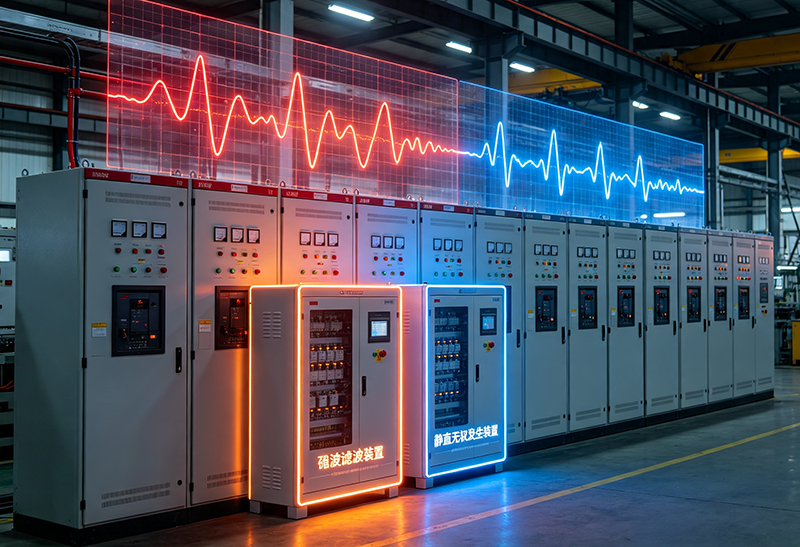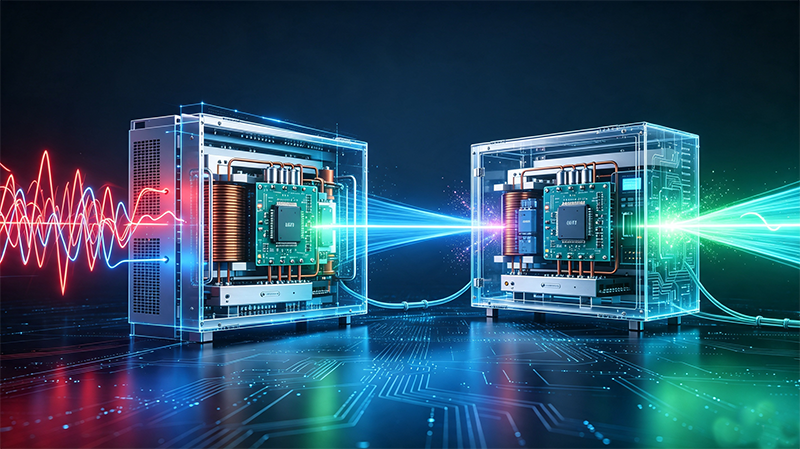
Introducción: Por qué es importante la corrección del factor de potencia en los centros de datos
Como ingeniero eléctrico senior en CoEpower, Llevo años diseñando y optimizando sistemas de calidad eléctrica para instalaciones industriales y centros de datos.. Un desafío recurrente en la infraestructura moderna es mantener un sistema estable y eficiente. factor de potencia (PF) bajo cargas altamente dinámicas.
Centros de datos, En particular, Son entornos extremadamente sensibles.. Con el rápido cambio de sistemas UPS, cargas del servidor, sistemas de enfriamiento, y electrónica de potencia, La demanda de potencia reactiva fluctúa constantemente.. Un factor de potencia deficiente provoca:
- Aumento de las facturas de electricidad debido a las multas por los servicios públicos.
- Mayores pérdidas en transformadores y cables.
- Capacidad reducida del sistema
- Inestabilidad de voltaje bajo condiciones de carga dinámica.
Tradicionalmente, bancos de condensadores Se han utilizado para la corrección del factor de potencia.. Sin embargo, con la creciente complejidad de las cargas modernas, SVG (Generador de var estático) La tecnología se está convirtiendo en la solución preferida en los centros de datos avanzados..
Este artículo proporciona una profunda comparación técnica y práctica de SVG vs bancos de condensadores, Ayudar a los ingenieros y administradores de instalaciones a tomar decisiones informadas..
Comprender la corrección del factor de potencia (PFC)
El factor de potencia es la relación entre la potencia real (kilovatios) y poder aparente (kva). Idealmente, este valor debe ser lo más cercano a 1.0 lo más posible.
La mayoría de los centros de datos operan con cargas inductivas y no lineales., que introducen:
- Potencia reactiva retrasada (cargas inductivas como transformadores, motores, enfriadores)
- distorsión armónica (de sistemas UPS, rectificadores, servidor)
La corrección del factor de potencia tiene como objetivo compensar la potencia reactiva. (izquierda) localmente a:
- Mejorar la eficiencia del sistema
- Reducir las pérdidas de transmisión
- Liberar capacidad eléctrica
- Evite penalizaciones por servicios públicos
Hay dos tecnologías dominantes que se utilizan en la actualidad.:
- Bancos de Condensadores
- SVG (Generador de var estático)
¿Qué es un banco de condensadores??
Una batería de condensadores es un sistema tradicional pasivo de corrección del factor de potencia compuesto por múltiples condensadores conectados en etapas..
Cómo funciona
Los bancos de condensadores proporcionan compensación de potencia reactiva fija o escalonada al generar potencia reactiva líder que compensa las cargas inductivas..
Tipos de bancos de condensadores
- Bancos de capacitores fijos
- Bancos de capacitores conmutados automáticamente
- Bancos de condensadores conmutados por tiristores
Ventajas
- Bajo costo inicial
- tecnología sencilla
- Instalación fácil
- Adecuado para condiciones de carga estables
Limitaciones en los centros de datos
Sin embargo, Los bancos de condensadores tienen limitaciones significativas en los entornos modernos.:
- Compensación basada en pasos (no continuo)
- Respuesta lenta a las fluctuaciones de carga.
- Riesgo de sobrecompensación
- Mal rendimiento bajo distorsión armónica
- Requiere mantenimiento frecuente (contactores, fusibles, envejecimiento de los condensadores)
En breve, Los bancos de condensadores son los más adecuados para cargas industriales estables, infraestructura digital no dinámica.
¿Qué es un SVG? (Generador de var estático)?
Un SVG, o generador de var estático, es un moderno dispositivo basado en electrónica de potencia que proporciona Compensación dinámica de potencia reactiva en tiempo real..
A diferencia de los bancos de condensadores, Los SVG utilizan tecnología de inversor basada en IGBT para generar o absorber energía reactiva al instante.
Cómo funciona
- Monitorea continuamente la corriente de carga
- Calcula la demanda de potencia reactiva en tiempo real.
- Inyecta corriente de compensación en milisegundos
Características clave
- Compensación totalmente dinámica (inductivo y capacitivo)
- Ajuste continuo (no basado en pasos)
- Respuesta rápida (típicamente <10 EM)
- Funciona bien con distorsión armónica
- Diseño compacto y modular
SVG frente a banco de condensadores: Comparación técnica
Desde el punto de vista de la ingeniería, las diferencias son significativas.
1. Velocidad de respuesta
- Banco de condensadores: Lento (cambio de nivel de segundos)
- SVG: Ultrarrápido (respuesta a nivel de milisegundos)
Para centros de datos con cargas de servidores fluctuantes, SVG claramente supera.
2. Precisión de la compensación
- Banco de condensadores: Paso a paso, precisión limitada
- SVG: Compensación continua y precisa
SVG mantiene PF cerca de 0.99 consecuentemente.
3. Rendimiento armónico
- Banco de condensadores: Puede amplificar armónicos (riesgo de resonancia)
- SVG: Mitiga activamente la distorsión armónica
Esto es fundamental en entornos con mucho UPS.
4. Requisitos de mantenimiento
- Banco de condensadores: Requiere reemplazo de capacitor, mantenimiento de contactores
- SVG: Mantenimiento mínimo, diseño de estado sólido
5. Espacio y escalabilidad
- Banco de condensadores: Voluminoso, expansión basada en paneles
- SVG: Compacto, posible ampliación modular
6. Costo del ciclo de vida
Mientras que los bancos de condensadores tienen un costo inicial más bajo, Ofertas de SVG:
- Menor tasa de fracaso
- Riesgo de tiempo de inactividad reducido
- Mayor eficiencia energética
- Mejor retorno de la inversión a largo plazo
Por qué los centros de datos necesitan SVG más que bancos de condensadores
Los centros de datos modernos son fundamentalmente diferentes de las cargas industriales tradicionales..
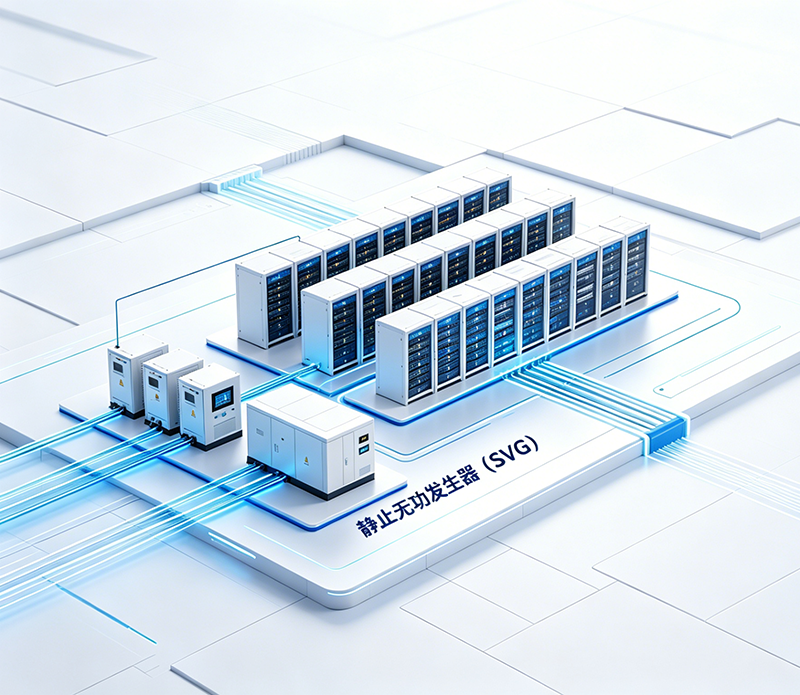
1. Perfiles de carga altamente dinámicos
Las cargas de trabajo del servidor fluctúan en milisegundos debido a la virtualización y la computación en la nube.
Los bancos de condensadores no pueden reaccionar lo suficientemente rápido, conduciendo a:
- Oscilación del factor de potencia
- Compensación excesiva o insuficiente
SVG resuelve esto con ajuste en tiempo real.
2. Entorno rico en armónicos
Los centros de datos contienen:
- rectificadores UPS
- Suministros de alimentación de modo de interruptor
- Sistemas de refrigeración accionados por VFD
Estos crean distorsión armónica. (3tercero, 5th, 7armónicos).
Los bancos de condensadores pueden resonar en tales condiciones., mientras que SVG suprime activamente las corrientes armónicas.
3. Requisitos de alta confiabilidad
El tiempo de inactividad en los centros de datos es extremadamente costoso. Cualquier inestabilidad en la calidad de la energía puede resultar en:
- El servidor falla
- Pérdida de datos
- Desequilibrio del sistema de refrigeración
SVG proporciona estabilidad, Compensación continua sin fallos de conmutación mecánicos..
4. Optimización de la eficiencia energética
Incluso pequeñas mejoras en PF (P.EJ., de 0.92 a 0.99) puede reducir significativamente:
- Pérdidas del transformador
- Calefacción por cable
- Sanciones de servicios públicos
SVG garantiza un PF consistentemente alto en todas las condiciones de carga.
Perspectivas de ingeniería del mundo real de los proyectos CoEpower
En múltiples proyectos de centros de datos de CoEpower, observamos un patrón consistente:
- Los bancos de condensadores funcionaron bien durante las pruebas de carga constante
- Pero no logró mantener la estabilidad durante los picos de cambios en el tráfico de la nube.
Después de reemplazar o complementar con sistemas SVG:
- La estabilidad del factor de potencia mejoró entre un 8% y un 15%
- La distorsión armónica se redujo significativamente
- Las intervenciones de mantenimiento disminuyeron en más de 60%
- La eficiencia energética general mejoró considerablemente
Esto demuestra que SVG no es sólo una actualización, es una mejora a nivel de sistema en la arquitectura de calidad de energía.
Solución híbrida: SVG + Banco de condensadores
como ingeniero, También reconozco que las baterías de condensadores no están obsoletas..
En muchas instalaciones grandes, a configuración híbrida es optimo:
- Manija de los bancos de capacitores carga reactiva base
- manijas SVG carga dinámica y que cambia rápidamente
Beneficios de los sistemas híbridos
- Costo reducido en comparación con la implementación SVG completa
- Capacidad de respuesta mejorada del sistema
- Menor estrés en las unidades SVG
- Costo del ciclo de vida equilibrado
Este enfoque es especialmente útil en:
- Nivel II / Centros de datos de nivel III
- Grandes campus industriales
- Instalaciones de carga mixta
Cómo elegir entre SVG y banco de condensadores
Al diseñar un sistema de corrección del factor de potencia., considere lo siguiente:
Elija el banco de condensadores si:
- La carga es estable y predecible.
- El presupuesto es muy limitado
- La distorsión armónica es mínima.
- Los motores industriales dominan la carga.
Elija SVG si:
- La carga es altamente dinámica. (centros de datos, computación en la nube)
- Los armónicos son significativos.
- Se requiere alta calidad de energía
- El tiempo de inactividad es extremadamente costoso
Elija híbrido si:
- Instalación de gran tamaño con comportamiento de carga mixta
- Necesita equilibrio entre CAPEX y rendimiento
El futuro de la corrección del factor de potencia en los centros de datos
La industria se está moviendo claramente hacia:
- Digitalización total de los sistemas de energía.
- Optimización energética en tiempo real
- Integración de red inteligente
- Predicción de carga impulsada por IA
En este contexto, La tecnología SVG se alinea perfectamente con el futuro de la infraestructura eléctrica inteligente.
Los bancos de condensadores seguirán existiendo, pero principalmente en funciones de apoyo en lugar de ser la solución principal..
Conclusión
Desde una perspectiva de ingeniería senior en CoEpower, la comparación entre SVG vs banco de condensadores No se trata sólo de costos: se trata del comportamiento del sistema en condiciones del mundo real..
Los bancos de condensadores siguen siendo fiables, solución económica para cargas estables. Sin embargo, para moderno centros de datos con dinámica, ambientes ricos en armónicos, SVG (Generador de var estático) proporciona superior:
- Velocidad de respuesta
- Exactitud
- Rendimiento armónico
- Fiabilidad
- Valor del ciclo de vida
En la mayoría de las aplicaciones modernas de centros de datos, SVG ya no es un lujo: se está convirtiendo en un requisito estándar para los sistemas de calidad eléctrica de alto rendimiento.
Si está diseñando o actualizando el sistema de energía de un centro de datos, La evaluación de la compensación de potencia reactiva basada en SVG es un paso fundamental para lograr una mayor eficiencia., estabilidad, y confiabilidad operativa a largo plazo.
Etiquetas de palabras clave
Corrección del factor de potencia, SVG vs banco de condensadores, Generador de var estático, sistema de banco de capacitores, Calidad de potencia del centro de datos, compensación de potencia reactiva, mitigación de armónicos, corrección del factor de potencia industrial, compensación VAR dinámica, Soluciones de ingeniería CoEpower, proveedor, fabricantes, fábrica, compañía, Porcelana, al por mayor, comprar, precio, cotización, a granel, a venta, empresas, existencias, costo.