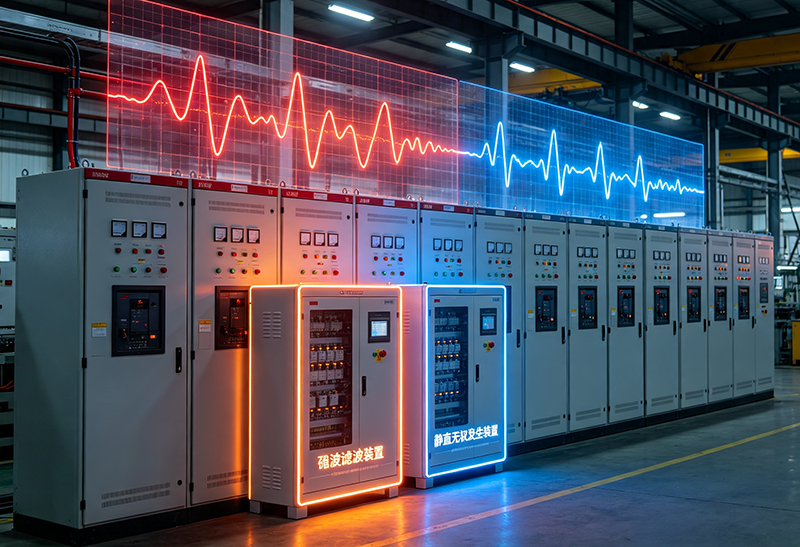
В современных промышленных условиях, поддержание высокого качества электроэнергии больше не является обязательным — оно имеет решающее значение. Старший инженер-электрик в CoEpower., Я своими глазами видел, как гармонические искажения могут нарушить работу, повредить чувствительное оборудование, и увеличить эксплуатационные расходы.
Двумя наиболее широко используемыми решениями для подавления гармоник являются: Активный гармонический фильтр (AHF) и фильтр подавления гармоник (HSF) (обычно называемые пассивными фильтрами гармоник). Хотя оба направлены на уменьшение гармонических искажений., они работают по-разному и подходят для разных применений.
В этой статье представлен всеобъемлющий, практическое руководство, которое поможет вам выбрать правильное решение для вашей промышленной системы.
Что такое гармоники и почему они имеют значение?
Гармоники — это искажения напряжения или тока в электрических системах, вызванные, главным образом, нелинейными нагрузками, такими как:
- Переменные частоты дисков (VFDS)
- Выпрямители и инверторы
- Системы UPS
- Оборудование промышленной автоматизации
Эти искажения могут привести к:
- Перегрев трансформаторов и кабелей
- Повышенные потери энергии
- Неисправность или выход из строя оборудования
- Штрафы за несоблюдение таких стандартов, как IEEE 519
Эффективное управление гармониками имеет важное значение для обеспечения надежности и эффективности системы..
Что такое активный гармонический фильтр?
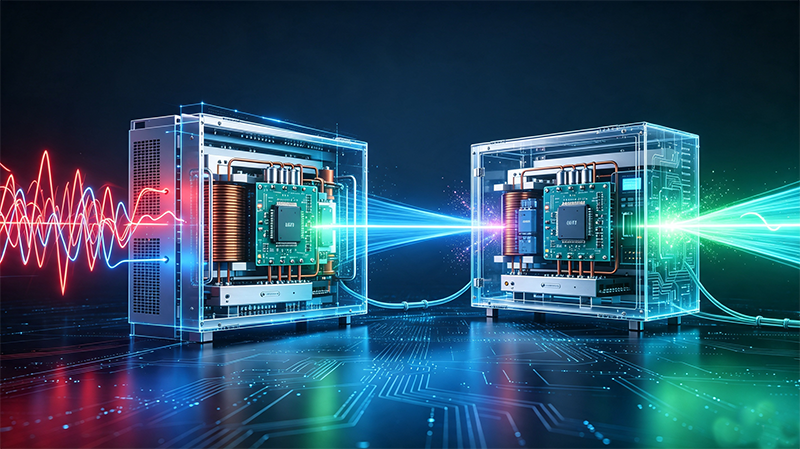
Активный гармонический фильтр (AHF) это современное электронное устройство, которое динамически обнаруживает и компенсирует гармонические токи в режиме реального времени..
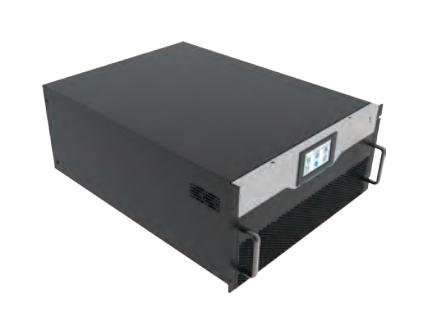
Ключевые особенности AHF:
- Компенсация гармоник в реальном времени
- Адаптивность к загрузке изменений
- Возможность одновременной фильтрации нескольких порядков гармоник.
- Также улучшает коэффициент мощности и балансирует нагрузки.
Как это работает:
В AHF используется силовая электроника (Преобразователи на базе IGBT) ввести в систему противодействующие токи, эффективно подавляет гармоники.
Что такое фильтр подавления гармоник?
Фильтр подавления гармоник (HSF), обычно пассивный фильтр, разработан с использованием комбинаций конденсаторов, индукторы, и резисторы, настроенные на определенные частоты гармоник..
Ключевые особенности HSF:
- Фиксированная компенсация для определенных порядков гармоник
- Более низкая первоначальная стоимость по сравнению с AHF
- Простая структура и работа
Как это работает:
HSF обеспечивают тракты с низким импедансом для целевых частот гармоник., отвлечение их от энергосистемы.
Активный фильтр гармоник против фильтра подавления гармоник: Ключевые различия
| Особенность | Активный гармонический фильтр | Фильтр подавления гармоник |
|---|---|---|
| Рабочий принцип | Динамическая компенсация в реальном времени | Настройка фиксированной частоты |
| Гибкость | Высокий (адаптируется к изменениям нагрузки) | Низкий (предназначен для определенных гармоник) |
| Гармоническое покрытие | Широкий ассортимент (несколько заказов) | Ограничено настроенными частотами |
| Установка | Более сложный | Проще |
| Расходы | Более высокие первоначальные инвестиции | Более низкая первоначальная стоимость |
| Риск резонанса | Никто | Возможные проблемы с резонансом |
| Коррекция коэффициента мощности | Да (многофункциональный) | Ограничен |
Когда следует выбирать активный фильтр гармоник?
Из моего инженерного опыта, AHF — лучший выбор в следующих сценариях:
1. Сильно переменные нагрузки
Такие отрасли, как производство, добыча полезных ископаемых, и дата-центры часто испытывают переменную нагрузку. AHF адаптируются в режиме реального времени, делая их идеальными.
2. Строгие требования к качеству электроэнергии
Если ваше учреждение должно соответствовать IEEE 519 или аналогичные стандарты, AHF обеспечивают точный контроль гармоник.
3. Сложные гармонические профили
Когда присутствуют несколько частот гармоник, AHF значительно превосходят пассивные фильтры.
4. Потребность в многофункциональности
AHF могут:
- Компенсация гармоник
- Правильный коэффициент мощности
- Балансировка трехфазных нагрузок
Это делает их комплексным решением.
Когда следует выбирать фильтр подавления гармоник?
HSF (пассивные фильтры) все еще имеют свое место в промышленных системах, особенно в этих случаях:
1. Стабильные и прогнозируемые нагрузки
Если ваша система работает в постоянных условиях с известными частотами гармоник, пассивные фильтры могут быть эффективными.
2. Бюджетные ограничения
HSF более рентабельны на начальном этапе, что делает их подходящими для проектов с ограниченным бюджетом.
3. Простые приложения
Для систем с доминирующей гармоникой (НАПРИМЕР., 5й или 7-й), настроенный пассивный фильтр может работать хорошо.
Соображения стоимости: Первоначальные и долгосрочные инвестиции
Один из самых частых вопросов, которые я получаю от клиентов::
«Какое решение экономически выгоднее?»?”
Активный гармонический фильтр:
- Более высокая первоначальная стоимость
- Меньшее обслуживание
- Экономия энергии с течением времени
- Снижение риска выхода оборудования из строя
Фильтр подавления гармоник:
- Более низкая первоначальная стоимость
- Возможные скрытые расходы (резонанс, расстройка, неэффективность)
- Может потребоваться перепроектирование, если изменятся условия системы.
Инженерное понимание:
Хотя AHF поначалу могут показаться дорогими, они часто обеспечивают более высокую рентабельность инвестиций в динамичных промышленных средах..
Сравнение производительности и надежности
Активный гармонический фильтр:
- Стабильная производительность при различных нагрузках
- Никаких проблем с настройкой
- Высокая надежность в сложных системах
Фильтр подавления гармоник:
- Производительность во многом зависит от стабильности системы.
- Подвержен резонансу и перегрузке.
- Эффективность снижается при изменении параметров системы
Типичные промышленные применения
Применение активных фильтров гармоник:
- Центры обработки данных
- Сталелитейные заводы
- Автомобильное производство
- Возобновляемые энергетические системы (Солнечный/ветер)
- Больницы и критически важные объекты
Применение фильтров подавления гармоник:
- Цементные заводы
- Водоочистные сооружения
- системы отопления, вентиляции и кондиционирования
- Применение двигателей с фиксированной скоростью
Гибридные решения: Лучшее из обоих миров?
В некоторых случаях, сочетание обеих технологий обеспечивает оптимальные результаты.
Гибридная система может использовать:
- Пассивные фильтры для подавления объемных гармоник
- Активные фильтры для точной настройки и динамической компенсации
Этот подход эффективно балансирует затраты и производительность..
Контрольный список практического выбора
При выборе между активным фильтром гармоник и фильтром подавления гармоник, рассмотрите следующее:
- Изменчивость нагрузки (стабильный или динамичный)
- Сложность гармонического спектра
- Требования соответствия (IEEE 519, стандарты МЭК)
- Бюджет (первоначальная стоимость и стоимость жизненного цикла)
- Ограничения по пространству и установке
- Планы дальнейшего расширения системы
Заключение
Выбор между активным фильтром гармоник и фильтром подавления гармоник — это не просто техническое решение, это стратегическая инвестиция в эффективность вашего предприятия., надежность, и соответствие.
Из моего опыта работы в CoEpower, общее правило такое:
- Выберите активные фильтры гармоник для динамического, сложный, и высокопроизводительные системы
- Выбирайте фильтры подавления гармоник для стабильного, предсказуемый, и чувствительные к затратам приложения
Если ваша система развивается или ожидается масштабирование, инвестирование в AHF почти всегда принесет большую долгосрочную выгоду..
О CoEpower
В CoEpower, мы специализируемся на передовых решениях по обеспечению качества электроэнергии, включая активные фильтры гармоник и индивидуальные системы подавления гармоник, адаптированные к промышленным потребностям.
Если вы не уверены, какое решение подходит для вашего приложения, консультации с опытными инженерами могут сэкономить время и деньги в долгосрочной перспективе..
Теги: Активный гармонический фильтр, Фильтр подавления гармоник, Гармоническое смягчение, Решения качества электроэнергии, промышленные энергетические системы, фильтр гармонических искажений, AHF против пассивного фильтра, решения для фильтрации гармоник, поставщики, производители, фабрика, компания, Китай, оптом, купить, цена, цитата, масса, для продажи, Компании, запас, расходы.