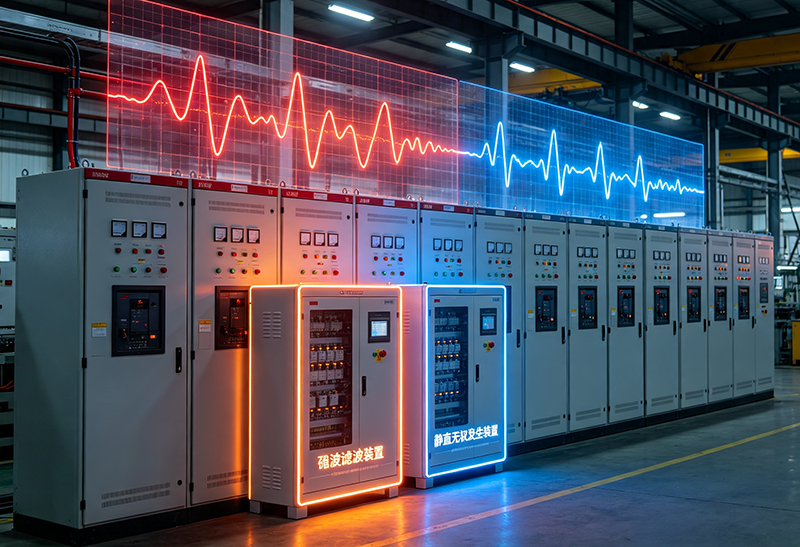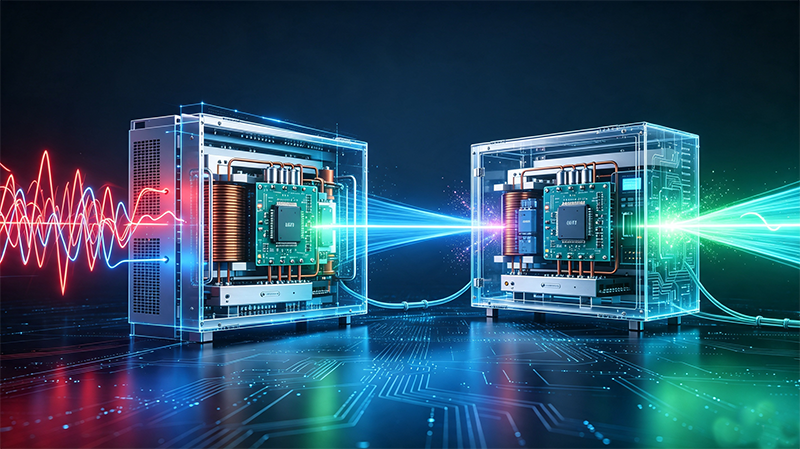
Введение
На современных промышленных объектах, Эффективность использования электроэнергии становится все более важной. Старший инженер-электрик в CoEpower., Я часто сталкиваюсь с заводами, которые борются с низким коэффициентом мощности., чрезмерное потребление реактивной мощности, коммунальные штрафы, колебания напряжения, и снижение эффективности системы. Эти проблемы не только увеличивают затраты на электроэнергию, но также влияют на надежность и срок службы критически важного оборудования..
Хорошо спроектированная система компенсации реактивной мощности может значительно улучшить качество электроэнергии., сократить потери энергии, увеличить емкость системы, и снижение коммунальных платежей. Независимо от того, управляете ли вы производственным предприятием, горнодобывающее предприятие, сталелитейный завод, станция водоочистки, или дата-центр, понимание того, как спроектировать эффективную систему компенсации реактивной мощности, имеет важное значение..
В этой статье представлено подробное руководство по проектированию системы компенсации реактивной мощности., включая анализ нагрузки, подбор компенсационного оборудования, Гармоническое смягчение, и современные решения, такие как Статические генераторы VAR (SVG-файлы).
Понимание реактивной мощности на промышленных объектах
Прежде чем разрабатывать систему вознаграждения, важно понимать, что такое реактивная мощность.
Промышленные нагрузки, такие как:
- Асинхронные двигатели
- Трансформеры
- Сварочные аппараты
- Компрессоры
- Переменные частоты дисков (VFDS)
- климатическое оборудование
требуют как активной мощности (кВт) и реактивная мощность (левый).
Активная мощность совершает полезную работу, при этом реактивная мощность поддерживает магнитные поля, необходимые для работы оборудования. Чрезмерное потребление реактивной мощности приводит к:
- Низкий коэффициент мощности
- Более высокий ток
- Повышенная нагрузка трансформатора
- Более высокие потери в кабеле
- Падение напряжения
- Штрафы за коэффициент мощности электросети
Целью компенсации реактивной мощности является подача необходимой реактивной мощности локально, а не получение ее из энергосистемы..
Шаг 1: Анализ характеристик заводской нагрузки
Первым шагом в разработке системы компенсации является проведение детального исследования качества электроэнергии..
Ключевые параметры для измерения включают в себя:
Общая активная мощность (кВт)
Определите среднюю и пиковую потребность завода в активной мощности..
Существующий коэффициент мощности
Мера:
- Средний коэффициент мощности
- Коэффициент мощности пиковой нагрузки
- Минимальный коэффициент мощности
Большинству коммунальных предприятий требуется коэффициент мощности выше 0.90 или 0.95.
Потребность в реактивной мощности (левый)
Рекордное потребление реактивной мощности в различных условиях эксплуатации.
Гармонические искажения
Мера:
- THDI (Текущие гармоники)
- КНИ (Гармоники напряжения)
Этот шаг имеет решающее значение, поскольку гармоники сильно влияют на выбор компенсационного оборудования..
Изменение нагрузки
Оцените, являются ли нагрузки:
- Постоянный
- прерывистый
- Быстро меняющийся
Динамические нагрузки часто требуют передовых технологий компенсации..
Шаг 2: Определить цели компенсации
У разных заводов разные цели.
Типичные цели включают в себя:
Улучшить коэффициент мощности
Например:
Текущий ПФ = 0.75
Целевой ПФ = 0.98
Снизить штрафы за коммунальные услуги
Многие коммунальные предприятия взимают штрафы, когда коэффициент мощности падает ниже договорных пределов..
Освободите мощность трансформатора
Улучшение коэффициента мощности снижает потребление тока и эффективно увеличивает доступную мощность трансформатора..
Стабилизировать напряжение
Компенсация реактивной мощности помогает поддерживать уровень напряжения на всей станции..
Улучшите производительность оборудования
Улучшенное регулирование напряжения повышает эффективность двигателя и надежность производства..
Шаг 3: Рассчитать необходимую компенсацию реактивной мощности
Требуемую компенсационную мощность можно рассчитать с помощью:
Qc = P × (загарφ1 − загарφ2)
Где:
- Qc = Требуемая компенсация (левый)
- P = Активная мощность (кВт)
- φ1 = угол существующего коэффициента мощности
- φ2 = целевой угол коэффициента мощности
Пример
Заводская загрузка:
- Активная мощность = 1000 кВт
- Существующий ПФ = 0.75
- Целевой ПФ = 0.98
загарφ1 = 0.882
загарφ2 = 0.203
Кк = 1000 × (0.882 - 0.203)
Кк = 679 левый
Компенсационная система примерно 680 требуется квар.
На практике, инженеры обычно добавляют расчетный запас в размере 10–20 %..
Шаг 4: Выберите подходящую технологию компенсации
Доступно несколько технологий компенсации реактивной мощности..
Банки фиксированных конденсаторов
Подходит для:
- Постоянные нагрузки
- Стабильные условия эксплуатации
Преимущества:
- Бюджетный
- Простая установка
Ограничения:
- Нет автоматической регулировки
- Риск сверхкомпенсации
Автоматическая коррекция коэффициента мощности (АПФК) Банки конденсаторов
Подходит для:
- Переменные промышленные нагрузки
Преимущества:
- Автоматическое переключение
- Улучшенный контроль коэффициента мощности
- Экономичный
Приложения:
- Производственные предприятия
- Водоочистные сооружения
- Коммерческие здания
Тиристор переключил конденсатор (TSC)
Подходит для:
- Быстроменяющиеся нагрузки
Преимущества:
- Быстрое реагирование
- Нет коммутационных переходных процессов
Приложения:
- Сварочные установки
- Сталелитейные заводы
- Прокатные станы
Статический генератор VAR (Svg)
Технология SVG представляет собой самое передовое решение по компенсации реактивной мощности, доступное на сегодняшний день..
Преимущества:
Быстрый ответ
Время ответа обычно не превышает 10 миллисекунды.
Точная компенсация
Постоянно корректирует вывод в зависимости от системных требований..
Емкостная и индуктивная компенсация
В отличие от традиционных конденсаторов, SVG может как генерировать, так и поглощать реактивную мощность..
Отличная производительность при низких нагрузках
Поддерживает высокую точность компенсации во всех рабочих условиях..
Возможность подавления гармоник
Многие системы SVG предоставляют ограниченные функции фильтрации гармоник..
Приложения:
- Горнодобывающая промышленность
- Центры обработки данных
- Полупроводниковые заводы
- Возобновляемые энергетические системы
- Промышленные производственные мощности
В CoEpower, Решения SVG все чаще становятся предпочтительным выбором для современных промышленных проектов по коррекции коэффициента мощности..
Шаг 5: Рассмотрим гармонические условия
Сегодня многие фабрики используют:
- Переменные частоты дисков
- Системы UPS
- Выпрямители
- Сервоприводы
Эти устройства генерируют гармоники, которые могут повредить конденсаторные батареи..
Потенциальные проблемы включают в себя:
- Перегрев конденсатора
- Резонанс
- Отказ оборудования
- Перегрев трансформатора
Поэтому, гармонический анализ необходим.
Когда присутствуют гармоники
Расстроенные банки конденсаторов
Реакторы добавляются к конденсаторным батареям, чтобы избежать резонанса..
Типичные частоты настройки:
- 189 Гц
- 210 Гц
Широко используется в промышленных целях.
Активные гармонические фильтры (AHF)
Для объектов со значительными гармоническими искажениями, Часто рекомендуются активные фильтры гармоник..
Преимущества:
- Динамическое устранение гармоник
- Реактивная компенсация власти
- Улучшенное качество электроэнергии
Svg + Гибридные решения AHF
Современные заводы часто используют:
- SVG для компенсации реактивной мощности
- AHF для фильтрации гармоник
Эта комбинация обеспечивает комплексное улучшение качества электроэнергии..
Шаг 6: Определить место установки компенсации
Компенсация может быть установлена на разных уровнях..
Централизованная компенсация
Устанавливается на главном распределительном щите..
Преимущества:
- Более низкие инвестиционные затраты
- Более простое обслуживание
Лучше всего для:
- Малые и средние заводы
Групповая компенсация
Устанавливается на подраспределительных панелях.
Преимущества:
- Улучшенная поддержка напряжения
- Снижение потерь в фидере
Лучше всего для:
- Крупные производственные мощности
Индивидуальная компенсация
Устанавливается непосредственно на двигатели или оборудование..
Преимущества:
- Максимальная эффективность
Лучше всего для:
- Большие непрерывно работающие двигатели
Шаг 7: Проектирование систем мониторинга и управления
Современная система вознаграждения должна включать:
Мониторинг качества электроэнергии
Монитор:
- Коэффициент мощности
- Напряжение
- Текущий
- Гармоники
- Реактивная сила
Коммуникационные интерфейсы
Общие протоколы включают:
- Модбус РТУ
- Модбус TCP
- Ethernet
Отдаленный мониторинг
Операторы завода могут контролировать производительность системы в режиме реального времени с помощью SCADA или систем управления энергопотреблением. (EMS).
Шаг 8: Оцените требования к будущему расширению
Одной из распространенных ошибок при проектировании является выбор систем компенсации только для токовых нагрузок..
Заводы часто расширяют производственные мощности.
Инженеры должны:
- Зарезервировать место на панели
- Резервная мощность связи
- Проектируйте с учетом будущего роста нагрузки на 20–30 %.
Это позволяет избежать дорогостоящих обновлений в будущем..
Распространенные ошибки проектирования, которых следует избегать
Сверхкомпенсация
Чрезмерная компенсация может привести к серьезным проблемам с коэффициентом мощности..
Игнорирование гармоник
Конденсаторы, установленные без исследования гармоник, часто выходят из строя преждевременно..
Заниженная компенсация
Недостаточная компенсация не позволяет достичь целевого коэффициента мощности..
Выбор традиционных конденсаторов для динамических нагрузок
Быстрые колебания нагрузки требуют использования технологии SVG или TSC..
Отсутствие мониторинга
Без мониторинга, снижение производительности может остаться незамеченным.
Почему технология SVG становится предпочтительным решением
Промышленная энергетическая среда быстро меняется.
Заводы все чаще используют:
- Системы автоматизации
- двигатели с частотно-регулируемым приводом
- Робототехника
- Интеграция возобновляемых источников энергии
Традиционные конденсаторные батареи часто с трудом отвечают современным требованиям компенсации..
Предложение генераторов статической переменной мощности:
- Мгновенный ответ
- Высокая точность компенсации
- Нет сверхкомпенсации
- Двунаправленное регулирование реактивной мощности
- Совместимость с средами, богатыми гармониками
Как результат, Технология SVG стала предпочтительным решением для многих проектов по обеспечению качества промышленной электроэнергии по всему миру..
Заключение
Проектирование эффективной системы компенсации реактивной мощности требует глубокого понимания характеристик заводской нагрузки., Требования к коэффициенту мощности, гармонические условия, и планы дальнейшего расширения.
Правильно спроектированная система может:
- Сократите затраты на электроэнергию
- Устранение штрафов за коэффициент мощности
- Улучшение стабильности напряжения
- Увеличение мощности трансформатора
- Продлить срок службы оборудования
- Повышение общего качества электроэнергии
Хотя традиционные батареи конденсаторов остаются пригодными для определенных применений, современные промышленные предприятия все чаще получают выгоду от передовых решений, таких как генераторы статической переменной мощности. (SVG-файлы) и активные фильтры гармоник (AHFS).
В CoEpower, Мы специализируемся на предоставлении индивидуальных решений по компенсации реактивной мощности, адаптированных к уникальным требованиям промышленных предприятий., добыча полезных ископаемых, коммерческий, и служебные приложения. Благодаря профессиональному анализу качества электроэнергии и передовым технологиям компенсации, мы помогаем клиентам достичь более высокой эффективности, более низкие эксплуатационные расходы, и более надежные электрические системы.
Теги ключевых слов
Система компенсации реактивной мощности, Коррекция коэффициента мощности, Заводская компенсация реактивной мощности, Статический генератор VAR, Коррекция коэффициента мощности SVG, Качество промышленной электроэнергии, Автоматическая батарея конденсаторов, Активный гармонический фильтр, Проект компенсации реактивной мощности, Улучшение коэффициента мощности, Гармоническое смягчение, Промышленное энергосбережение, Электрическая распределительная система, Решение CoEpower SVG, Энергоэффективность завода, поставщики, производители, фабрика, компания, Китай, оптом, купить, цена, цитата, масса, для продажи, Компании, запас, расходы.