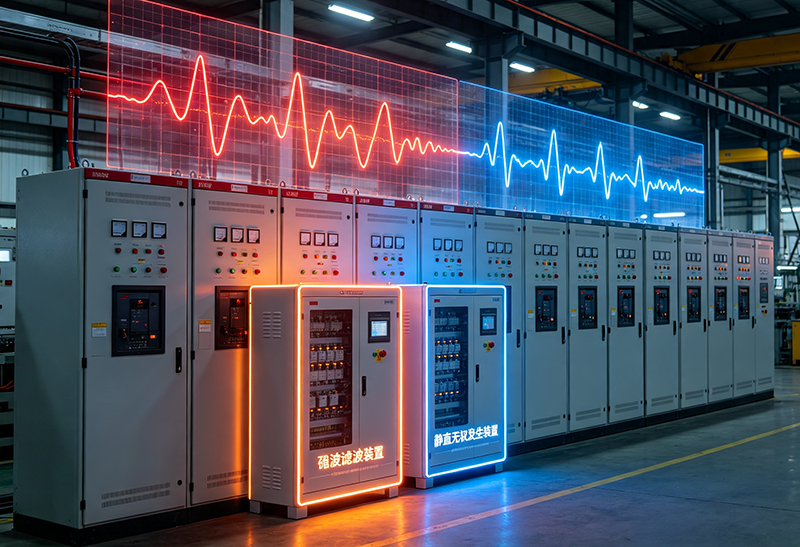
1. Введение: Почему реактивная мощность важна на сталелитейных заводах
Металлургические заводы являются одними из самых электроемких промышленных объектов в мире.. Из электродуговых печей (ЭДП) и прокатных станов до крупных моторных приводов и сварочных систем, профиль нагрузки очень динамичен, нелинейный, и сильно индуктивный.
Будучи старшим инженером-электриком в Коэффициент, Я своими глазами видел, как неуправляемая реактивная мощность приводит к:
- Сильные колебания напряжения
- Штрафы за низкий коэффициент мощности
- Перегруженные трансформаторы и кабели
- Повышенные потери энергии
- Сокращение срока службы оборудования
- Нестабильность работы печи
В основе этих вопросов лежит фундаментальная концепция электротехники.: Реактивная компенсация власти, ключевая часть более широкой области компенсации реактивной мощности.
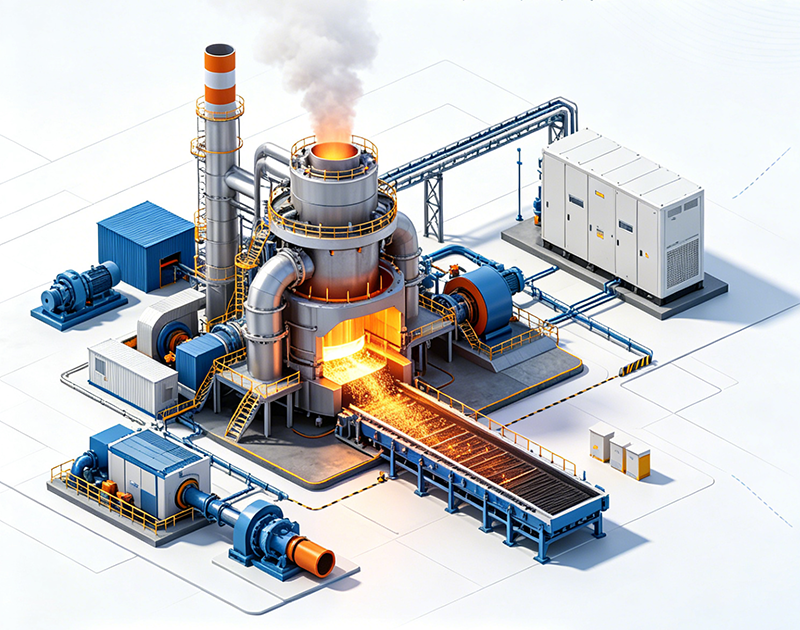
Для решения этих проблем на современных сталелитейных заводах, традиционных батарей конденсаторов уже недостаточно. Отрасль быстро переходит к динамическим решениям, таким как Статический генератор VAR (Svg), также известный как генератор статической переменной мощности (Svg).
2. Понимание реактивной мощности на сталелитейном заводе
2.1 Что такое реактивная мощность?
В системах переменного тока, электрическая мощность делится на:
- Активная мощность (кВт): Выполняет полезную работу
- Реактивная сила (левый): Поддерживает магнитные поля при индуктивных нагрузках
- Полная мощность (КВА): Векторная сумма обоих
На сталелитейных заводах преобладает индуктивное оборудование, такое как:
- Дуговые печи
- Асинхронные двигатели
- Большие трансформаторы
- Конвейерные системы
Эти нагрузки потребляют большое количество реактивной мощности., вызывая плохой коэффициент мощности.
2.2 Почему сталелитейные заводы очень чувствительны
В отличие от коммерческих зданий, опыт металлургических заводов:
- Быстрые колебания нагрузки (особенно циклы плавки ЭДП)
- Внезапные скачки тока
- Частая нестабильность дуги
- Нелинейные гармоники преобразователей и приводов
Это делает традиционные системы фиксированной компенсации неэффективными..
3. Ограничения традиционных батарей конденсаторов
Многие сталелитейные заводы по-прежнему полагаются на батареи конденсаторов для коррекции коэффициента мощности.. Однако, они имеют существенные недостатки:
3.1 Задержка переходного процесса
Банки конденсаторов переключаются дискретными шагами.. Нагрузка сталелитейного завода меняется за миллисекунды, при этом переключение конденсатора происходит медленно.
3.2 Риск сверхкомпенсации
Когда нагрузка внезапно падает (НАПРИМЕР., пауза в печи), конденсаторы могут сверхкомпенсировать, вызывая:
- Перенапряжение
- Системный резонанс
- Стресс оборудования
3.3 Гармоническое усиление
Конденсаторы могут взаимодействовать с гармониками системы., усиление искажений и потенциальное повреждение оборудования.
3.4 Механический износ
Частое переключение приводит к износу контактора и затратам на техническое обслуживание..
4. Технология SVG: Современное решение
4.1 Что такое система SVG?
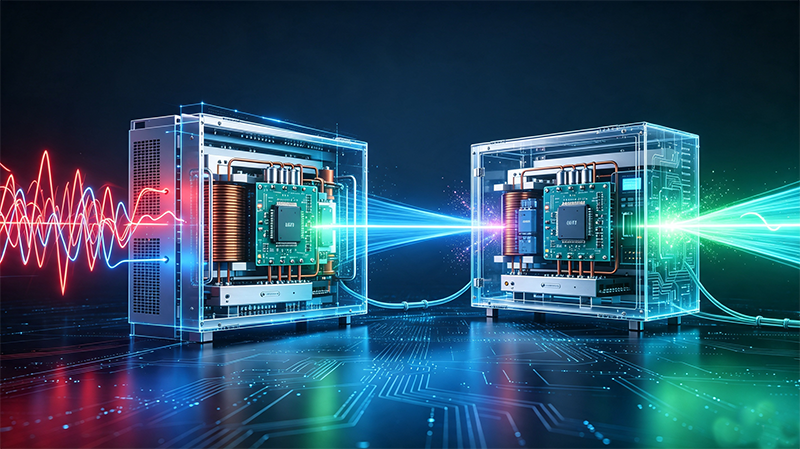
А Статический генератор VAR (Svg) это силовое электронное устройство, которое динамически генерирует или поглощает реактивную мощность в режиме реального времени..
В отличие от конденсаторных батарей, SVG использует инверторную технологию на основе IGBT, позволяющую реагировать за миллисекунды..
Как результат, SVG обеспечивает:
- Непрерывная компенсация реактивной мощности
- Быстрый динамический отклик
- Двунаправленная поддержка VAR
- Стабильное регулирование напряжения
4.2 Как работает SVG на сталелитейных заводах
Принцип работы основан на обнаружении тока в реальном времени.:
- Трансформаторы тока контролируют потребность нагрузки
- Контроллер рассчитывает потребность в реактивной мощности
- Инвертор IGBT генерирует компенсирующий ток
- Реактивная мощность подается или поглощается мгновенно.
Эта система с обратной связью обеспечивает почти идеальную коррекцию коэффициента мощности..
5. Почему сталелитейным заводам SVG нужен больше, чем любой другой отрасли
Из нашего инженерного опыта в CoEpower, Сталелитейные заводы представляют собой одну из самых сложных сред с точки зрения качества электроэнергии.
5.1 Электродуговая печь (ЭДП) нестабильность
ЭДП создают:
- Резкие перепады нагрузки
- Циклы гашения/повторного зажигания дуги
- Сильное мерцание и провалы напряжения
SVG компенсирует эти колебания в реальном времени., стабилизация работы печи.
5.2 Моторные приводы прокатных станов
Большие двигатели вызывают:
- Запаздывающий коэффициент мощности во время запуска
- Высокий пусковой ток
- Непрерывный реактивный спрос
SVG обеспечивает плавную компенсацию как во время запуска, так и в установившемся режиме..
5.3 Гармоническое взаимодействие
Современные металлургические заводы используют:
- Частотно-регулируемые приводы (VFDS)
- Выпрямители
- Инверторы
Они генерируют гармоники, которые искажают энергосистему.. Усовершенствованные системы SVG включают возможности фильтрации гармоник для уменьшения искажений..
6. Ключевые преимущества SVG на сталелитейных заводах
6.1 Сверхбыстрый динамический отклик
SVG отвечает менее чем за 5 миллисекунды, что делает его идеальным для колебаний в дуговой печи.
6.2 Точный контроль коэффициента мощности
Поддерживает коэффициент мощности близкий к единице (0.99–1,0), существенное снижение штрафов за коммунальные услуги.
6.3 Улучшение стабильности напряжения
Путем локальной подачи реактивной мощности, SVG стабилизирует напряжение на шине и уменьшает мерцание.
6.4 Снижение потерь энергии
Более низкий реактивный ток означает:
- Снижение потерь I²R
- Нижний трансформаторный обогрев
- Повышенная эффективность кабеля
6.5 Модульный и масштабируемый дизайн
Системы SVG можно развертывать в виде модульных блоков., возможность постепенного расширения по мере роста мощности завода.
7. SVG против батареи конденсаторов в приложениях на сталелитейных заводах
| Особенность | Банк конденсаторов | SVG-система |
| Скорость ответа | Медленный (секунды) | Ультра-быстрый (миллисекунды) |
| Контроль | Пошаговый | Непрерывная динамика |
| Гармоничная обработка | Бедный | Отличный |
| Компенсация больше/меньше | Общий | Устранено |
| Обслуживание | Высокий | Низкий |
| Пригодность для сталелитейных заводов | Ограничен | Идеально |
8. Рекомендации по инженерному проектированию для развертывания SVG
В качестве старшего инженера CoEpower, Я рекомендую учитывать следующее при проектировании системы.:
8.1 Анализ нагрузки
Подробный профиль нагрузки должен включать:
- Рабочие циклы печи
- Схема запуска/остановки двигателя
- Периоды пикового спроса
8.2 Гармоничная среда
Перед установкой SVG, мера:
- Полное гармоническое искажение (ТГД)
- Частотный спектр
- Резонансные точки
8.3 Выбор мощности системы
Емкость SVG обычно проектируется как:
- 30%–70% пиковой реактивной нагрузки сталелитейных заводов
- Для тяжелых операций с ЭДП может потребоваться увеличение размеров.
8.4 Интеграция с существующими системами
SVG можно интегрировать с:
- Банки конденсаторов (гибридные системы)
- СКАДА-системы
- Платформы управления энергопотреблением
9. Гибридная стратегия компенсации (Лучшая практика)
На многих сталелитейных заводах, оптимальное решение — не только SVG, но и гибридная конфигурация.:
- SVG обрабатывает быстрые динамические колебания
- Батареи конденсаторов выдерживают установившуюся реактивную нагрузку
Такое сочетание снижает затраты при максимальном повышении производительности..
10. Будущие тенденции в технологии SVG
Будущее компенсации реактивной мощности на сталелитейных заводах приближается к:
10.1 Прогнозирование нагрузки на основе искусственного интеллекта
Системы SVG будут прогнозировать изменения нагрузки до того, как они произойдут..
10.2 Интеграция цифрового двойника
Моделирование энергосистем электростанции в реальном времени для оптимизации.
10.3 Многофункциональные устройства контроля качества электроэнергии
Будущие модули SVG будут объединять:
- Гармоническая фильтрация
- Регулирование напряжения
- Коррекция дисбаланса
- Реактивная компенсация
11. Заключение
Сталелитейным заводам требуется одно из самых надежных и интеллектуальных решений по обеспечению качества электроэнергии, доступных сегодня.. Традиционные конденсаторные батареи больше не могут отвечать динамичным требованиям современного производства стали..
принятие Статический генератор VAR (Svg) технология обеспечивает:
- Контроль реактивной мощности в режиме реального времени
- Повышенная стабильность напряжения
- Снижение эксплуатационных расходов
- Повышенная надежность оборудования
С инженерной точки зрения в Коэффициент, SVG больше не является необязательным обновлением — это основополагающий компонент электрической инфраструктуры современного сталелитейного завода..
Поскольку промышленные системы продолжают развиваться в сторону более высокой автоматизации и энергоэффективности, Компенсация реактивной мощности на основе SVG будет оставаться центральным элементом достижения стабильной, эффективный, и устойчивое производство стали.
Ключевые слова
Реактивная компенсация власти, SVG-система, Статический генератор VAR, качество электроэнергии сталелитейного завода, коррекция коэффициента мощности, подавление гармоник, промышленная энергоэффективность, Стабильность напряжения, Решение CoEpower SVG, динамическая реактивная компенсация, поставщики, производители, фабрика, компания, Китай, оптом, купить, цена, цитата, масса, для продажи, Компании, запас, расходы.