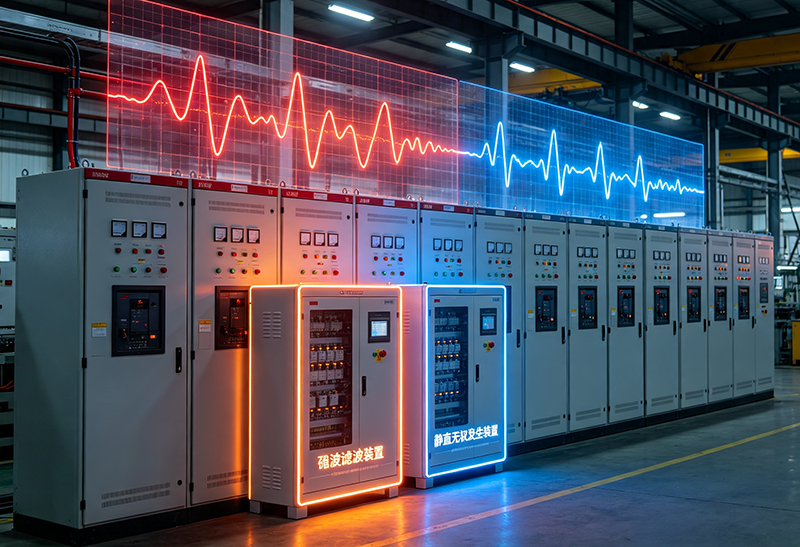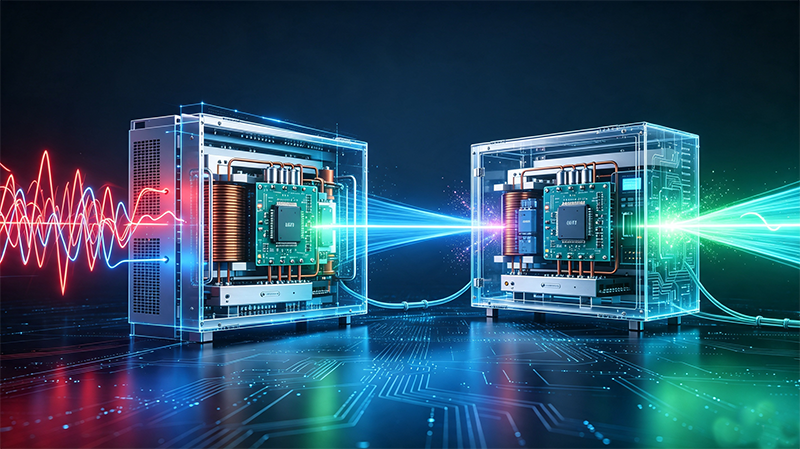
Введение: Почему коррекция коэффициента мощности важна в центрах обработки данных
Старший инженер-электрик в CoEpower., Я потратил годы на проектирование и оптимизацию систем качества электроэнергии для промышленных объектов и центров обработки данных.. Одной из постоянных проблем современной инфраструктуры является поддержание стабильной и эффективной Коэффициент мощности (ПФ) при высокодинамических нагрузках.
Центры обработки данных, в частности, являются чрезвычайно чувствительной средой. Благодаря быстрому переключению систем ИБП, нагрузка на сервер, системы охлаждения, и силовая электроника, потребность в реактивной мощности постоянно колеблется. Плохой коэффициент мощности приводит к:
- Увеличение счетов за электроэнергию из-за штрафов за коммунальные услуги
- Более высокие потери в трансформаторе и кабеле
- Уменьшенная емкость системы
- Нестабильность напряжения в условиях динамической нагрузки
Традиционно, Банки конденсаторов использовались для коррекции коэффициента мощности. Однако, с возрастающей сложностью современных нагрузок, Svg (Статический генератор VAR) технология становится предпочтительным решением в современных центрах обработки данных.
В этой статье представлено глубокое техническое и практическое сравнение SVG против конденсаторных батарей, помогая инженерам и менеджерам объектов принимать обоснованные решения.
Понимание коррекции коэффициента мощности (ПФК)
Коэффициент мощности – это соотношение между реальной мощностью (кВт) и кажущаяся мощность (КВА). В идеале, это значение должно быть как можно ближе к 1.0 как можно.
Большинство дата-центров работают с индуктивными и нелинейными нагрузками., которые представляют:
- Запаздывающая реактивная мощность (индуктивные нагрузки, такие как трансформаторы, Моторс, чиллеры)
- Гармонические искажения (от систем ИБП, выпрямители, серверы)
Коррекция коэффициента мощности направлена на компенсацию реактивной мощности. (левый) локально в:
- Повышение эффективности системы
- Сокращение потерь при передаче
- Освободите электрическую мощность
- Избегайте штрафов за коммунальные услуги
Сегодня используются две доминирующие технологии.:
- Банки конденсаторов
- Svg (Статический генератор VAR)
Что такое батарея конденсаторов?
Конденсаторная батарея — это традиционная пассивная система коррекции коэффициента мощности, состоящая из нескольких конденсаторов, соединенных поэтапно..
Как это работает
Конденсаторные батареи обеспечивают фиксированную или ступенчатую компенсацию реактивной мощности, генерируя опережающую реактивную мощность, которая компенсирует индуктивные нагрузки..
Типы батарей конденсаторов
- Батареи фиксированных конденсаторов
- Конденсаторные батареи с автоматическим переключением
- Батареи конденсаторов с тиристорным управлением
Преимущества
- Низкая первоначальная стоимость
- Простая технология
- Легкая установка
- Подходит для стабильных условий нагрузки
Ограничения в центрах обработки данных
Однако, Конденсаторные батареи имеют существенные ограничения в современных условиях.:
- Поэтапная компенсация (не непрерывный)
- Медленная реакция на колебания нагрузки
- Риск сверхкомпенсации
- Плохая производительность при гармонических искажениях
- Требует частого обслуживания (контакторы, предохранители, старение конденсаторов)
Суммируя, Конденсаторные батареи лучше всего подходят для стабильные промышленные нагрузки, не динамическая цифровая инфраструктура.
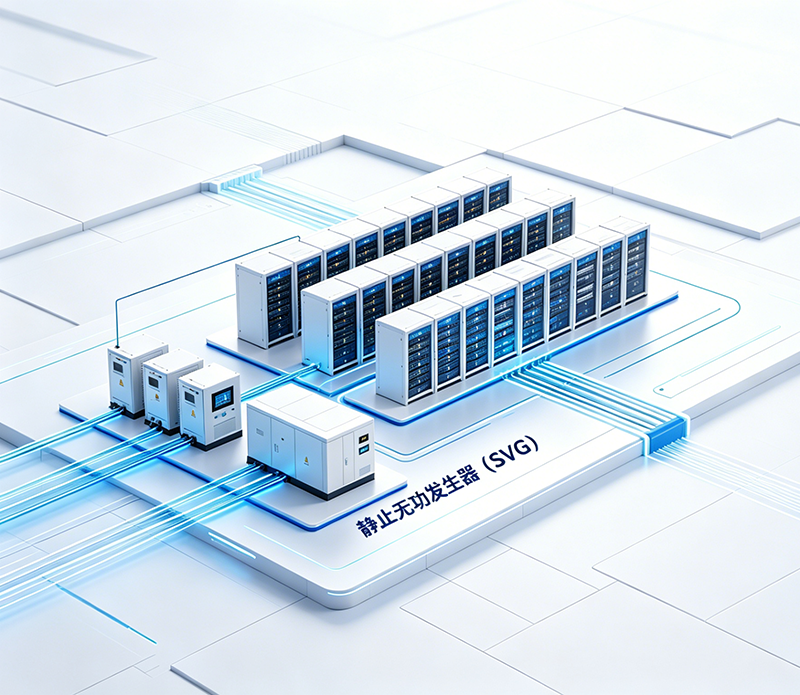
Что такое SVG (Статический генератор VAR)?
SVG-файл, или генератор статической переменной, представляет собой современное устройство на базе силовой электроники, обеспечивающее динамическая компенсация реактивной мощности в реальном времени.
В отличие от конденсаторных батарей, SVG используют инверторную технологию на основе IGBT для мгновенной генерации или поглощения реактивной мощности..
Как это работает
- Постоянно контролирует ток нагрузки
- Рассчитывает потребность в реактивной мощности в режиме реального времени
- Подает компенсирующий ток в течение миллисекунд
Ключевые характеристики
- Полностью динамическая компенсация (индуктивный и емкостный)
- Непрерывная регулировка (не пошаговый)
- Быстрый ответ (обычно <10 РС)
- Хорошо работает с гармоническими искажениями.
- Компактный и модульный дизайн
SVG против банка конденсаторов: Техническое сравнение
С инженерной точки зрения, различия значительны.
1. Скорость ответа
- Банк конденсаторов: Медленный (переключение на уровне секунд)
- Svg: Ультра-быстрый (ответ на миллисекундном уровне)
Для дата-центров с нестабильной нагрузкой на серверы, SVG явно превосходит.
2. Точность компенсации
- Банк конденсаторов: Поэтапно, ограниченная точность
- Svg: Непрерывная и точная компенсация
SVG поддерживает коэффициент мощности, близкий к 0.99 последовательно.
3. Гармоническое исполнение
- Банк конденсаторов: Может усиливать гармоники (резонансный риск)
- Svg: Активно снижает гармонические искажения
Это критически важно в средах с большим количеством ИБП..
4. Требования к техническому обслуживанию
- Банк конденсаторов: Требуется замена конденсатора, обслуживание контактора
- Svg: Минимальное обслуживание, твердотельный дизайн
5. Пространство и масштабируемость
- Банк конденсаторов: Громоздкий, панельное расширение
- Svg: Компакт, возможно модульное расширение
6. Стоимость жизненного цикла
В то время как конденсаторные батареи имеют более низкие первоначальные затраты, SVG предлагает:
- Более низкий процент отказов
- Снижение риска простоя
- Более высокая энергоэффективность
- Лучшая долгосрочная рентабельность инвестиций
Почему центрам обработки данных SVG нужен больше, чем банкам конденсаторов
Современные дата-центры кардинально отличаются от традиционных промышленных нагрузок.
1. Высокодинамические профили нагрузки
Рабочая нагрузка сервера колеблется в пределах миллисекунд из-за виртуализации и облачных вычислений..
Банки конденсаторов не могут реагировать достаточно быстро, ведущий к:
- Колебания коэффициента мощности
- Компенсация больше/меньше
SVG решает эту проблему с помощью настройки в реальном времени..
2. Гармонично-богатая среда
Центры обработки данных содержат:
- ИБП выпрямители
- Переключатель питания режима
- Системы охлаждения с приводом от VFD
Они создают гармонические искажения. (3р-д, 5тур, 7гармоники).
В таких условиях банки конденсаторов могут резонировать., в то время как СВГ активно подавляет гармонические токи.
3. Высокие требования к надежности
Простои в дата-центрах обходятся чрезвычайно дорого. Любая нестабильность качества электроэнергии может привести к:
- Сервер выходит из строя
- Потеря данных
- Дисбаланс системы охлаждения
SVG обеспечивает стабильную, непрерывная компенсация без механических сбоев переключения.
4. Оптимизация энергоэффективности
Даже небольшие улучшения в PF (НАПРИМЕР., от 0.92 к 0.99) может значительно уменьшить:
- Потери трансформатора
- Кабельное отопление
- Коммунальные штрафы
SVG обеспечивает стабильно высокий коэффициент мощности при любых условиях нагрузки..
Реальная инженерная информация из проектов CoEpower
В нескольких проектах центров обработки данных CoEpower, мы наблюдали последовательную картину:
- Батареи конденсаторов хорошо показали себя во время испытаний под постоянной нагрузкой.
- Но не удалось сохранить стабильность во время пиковых изменений облачного трафика.
После замены или дополнения системами SVG:
- Стабильность коэффициента мощности улучшена на 8–15 %.
- Гармонические искажения значительно уменьшены
- Объем работ по техническому обслуживанию сократился более чем 60%
- Общая энергоэффективность заметно улучшилась
Это показывает, что SVG — это не просто обновление — это улучшение архитектуры качества электроэнергии на системном уровне.
Гибридное решение: Svg + Банк конденсаторов
Как инженер, Я также признаю, что батареи конденсаторов не устарели..
Во многих крупных установках, а гибридная конфигурация является оптимальным:
- Ручка конденсаторной батареи базовая реактивная нагрузка
- SVG-дескрипторы динамичная и быстроменяющаяся нагрузка
Преимущества гибридных систем
- Снижение затрат по сравнению с полным развертыванием SVG.
- Улучшена отзывчивость системы
- Снижение нагрузки на модули SVG
- Сбалансированная стоимость жизненного цикла
Этот подход особенно полезен в:
- Уровень II / Дата-центры уровня III
- Крупные промышленные кампусы
- Объекты смешанной нагрузки
Как выбрать между SVG и банкой конденсаторов
При проектировании системы коррекции коэффициента мощности, рассмотрите следующее:
Выберите батарею конденсаторов, если:
- Нагрузка стабильна и предсказуема
- Бюджет сильно ограничен
- Гармонические искажения минимальны
- Промышленные двигатели доминируют в нагрузке
Выбирайте SVG, если:
- Нагрузка очень динамична (центры обработки данных, облачные вычисления)
- Гармоники имеют большое значение
- Требуется высокое качество электроэнергии
- Простой обходится очень дорого
Выбирайте гибрид, если:
- Крупномасштабный объект со смешанным режимом нагрузки
- Нужен баланс между капитальными затратами и производительностью
Будущее коррекции коэффициента мощности в центрах обработки данных
Отрасль явно движется в сторону:
- Полная цифровизация энергосистем
- Оптимизация энергопотребления в реальном времени
- Интеграция умной сети
- Прогнозирование нагрузки на основе искусственного интеллекта
В этом контексте, Технология SVG идеально сочетается с будущим интеллектуальной энергетической инфраструктуры..
Батареи конденсаторов все еще будут существовать, но в основном во вспомогательных ролях, а не в качестве основного решения.
Заключение
С точки зрения старшего инженера CoEpower, сравнение между SVG против конденсаторной батареи Речь идет не только о стоимости, но и о поведении системы в реальных условиях..
Банки конденсаторов остаются надежным, экономичное решение для стабильных нагрузок. Однако, для современного центры обработки данных с динамическим, среда, богатая гармониками, Svg (Статический генератор VAR) обеспечивает превосходное:
- Скорость ответа
- Точность
- Гармоничное исполнение
- Надежность
- Ценность жизненного цикла
В большинстве современных приложений центров обработки данных, SVG больше не является роскошью — он становится стандартным требованием для высокопроизводительных систем контроля качества электроэнергии..
Если вы проектируете или модернизируете систему электропитания центра обработки данных, Оценка компенсации реактивной мощности на основе SVG является важным шагом на пути к достижению более высокой эффективности., стабильность, и долговременная эксплуатационная надежность.
Теги ключевых слов
Коррекция коэффициента мощности, SVG против конденсаторной батареи, Статический генератор VAR, система конденсаторных батарей, качество электроэнергии в дата-центре, компенсация реактивной мощности, подавление гармоник, коррекция коэффициента промышленной мощности, динамическая компенсация VAR, Инженерные решения CoEpower, поставщики, производители, фабрика, компания, Китай, оптом, купить, цена, цитата, масса, для продажи, Компании, запас, расходы.