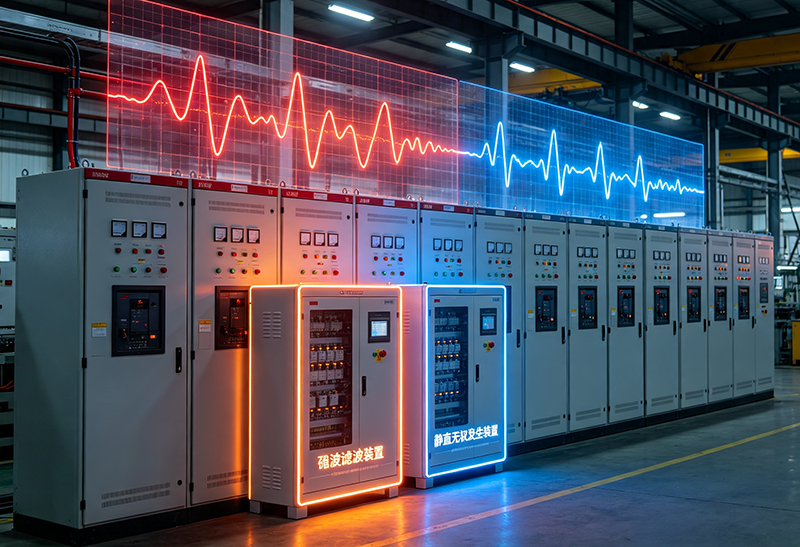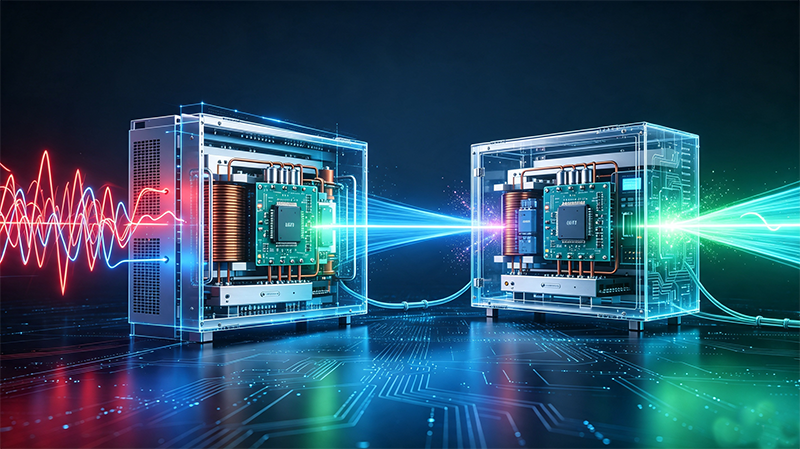
การแนะนำ
ในโรงงานอุตสาหกรรมที่ทันสมัย, ประสิทธิภาพการใช้พลังงานไฟฟ้ากำลังมีความสำคัญมากขึ้น. ในฐานะวิศวกรไฟฟ้าอาวุโสที่ CoEpower, ฉันมักพบกับโรงงานที่ต้องดิ้นรนกับปัจจัยด้านพลังงานต่ำ, การใช้พลังงานปฏิกิริยามากเกินไป, บทลงโทษด้านสาธารณูปโภค, ความผันผวนของแรงดันไฟฟ้า, และลดประสิทธิภาพของระบบ. ปัญหาเหล่านี้ไม่เพียงแต่ทำให้ค่าไฟฟ้าเพิ่มขึ้นเท่านั้น แต่ยังส่งผลต่อความน่าเชื่อถือและอายุการใช้งานของอุปกรณ์ที่สำคัญอีกด้วย.
ระบบชดเชยกำลังไฟฟ้ารีแอกทีฟที่ออกแบบมาอย่างดีสามารถปรับปรุงคุณภาพไฟฟ้าได้อย่างมาก, ลดการสูญเสียพลังงาน, เพิ่มความจุของระบบ, และค่าสาธารณูปโภคที่ถูกกว่า. ไม่ว่าคุณจะประกอบกิจการโรงงานผลิต, สิ่งอำนวยความสะดวกการขุด, โรงถลุงเหล็ก, สถานีบำบัดน้ำ, หรือศูนย์ข้อมูล, การทำความเข้าใจวิธีการออกแบบระบบชดเชยกำลังไฟฟ้ารีแอกทีฟที่มีประสิทธิภาพถือเป็นสิ่งสำคัญ.
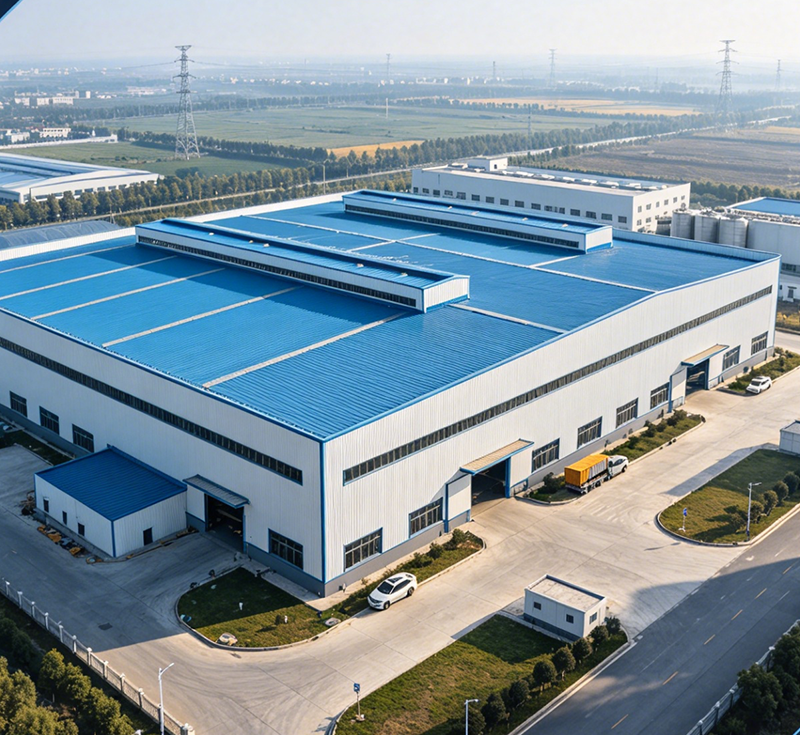
บทความนี้ให้คำแนะนำที่ครอบคลุมเกี่ยวกับการออกแบบระบบการชดเชยกำลังไฟฟ้ารีแอกทีฟ, รวมถึงการวิเคราะห์โหลด, การเลือกอุปกรณ์ชดเชย, การบรรเทาฮาร์มอนิก, และโซลูชั่นที่ทันสมัยเช่น เครื่องกำเนิดไฟฟ้า Var แบบคงที่ (SVG).
ทำความเข้าใจเกี่ยวกับพลังงานปฏิกิริยาในโรงงานอุตสาหกรรม
ก่อนจะออกแบบระบบค่าตอบแทน, สิ่งสำคัญคือต้องเข้าใจว่ากำลังปฏิกิริยาคืออะไร.
โหลดทางอุตสาหกรรมเช่น:
- มอเตอร์เหนี่ยวนำ
- หม้อแปลงไฟฟ้า
- เครื่องเชื่อม
- คอมเพรสเซอร์
- ไดรฟ์ความถี่ผันแปร (VFDS)
- อุปกรณ์ปรับอากาศ
ต้องการทั้งพลังงานที่ใช้งานอยู่ (กิโลวัตต์) และพลังงานปฏิกิริยา (ซ้าย).
พลังที่ใช้งานอยู่ทำงานที่เป็นประโยชน์, ในขณะที่พลังงานรีแอกทีฟรองรับสนามแม่เหล็กที่จำเป็นสำหรับการทำงานของอุปกรณ์. ความต้องการพลังงานปฏิกิริยาที่มากเกินไปนำไปสู่:
- ตัวประกอบกำลังต่ำ
- การไหลของกระแสที่สูงขึ้น
- โหลดหม้อแปลงเพิ่มขึ้น
- การสูญเสียสายเคเบิลที่สูงขึ้น
- แรงดันไฟฟ้าตก
- บทลงโทษตัวประกอบกำลังไฟฟ้า
เป้าหมายของการชดเชยพลังงานรีแอกทีฟคือการจ่ายพลังงานรีแอกทีฟที่ต้องการภายในเครื่อง แทนที่จะดึงมาจากโครงข่ายไฟฟ้า.
ขั้นตอน 1: วิเคราะห์คุณลักษณะโหลดจากโรงงาน
ขั้นตอนแรกในการออกแบบระบบชดเชยคือการสำรวจคุณภาพไฟฟ้าโดยละเอียด.
พารามิเตอร์หลักในการวัด ได้แก่:
กำลังใช้งานทั้งหมด (กิโลวัตต์)
กำหนดความต้องการพลังงานไฟฟ้าเฉลี่ยและจุดสูงสุดของโรงงาน.
ตัวประกอบกำลังที่มีอยู่
วัด:
- ตัวประกอบกำลังเฉลี่ย
- ตัวประกอบกำลังโหลดสูงสุด
- ตัวประกอบกำลังขั้นต่ำ
สาธารณูปโภคส่วนใหญ่ต้องการตัวประกอบกำลังข้างต้น 0.90 หรือ 0.95.
ความต้องการพลังงานปฏิกิริยา (ซ้าย)
บันทึกการใช้พลังงานปฏิกิริยาภายใต้สภาวะการทำงานที่แตกต่างกัน.
การบิดเบือนฮาร์มอนิก
วัด:
- ทีดี (ฮาร์โมนิคปัจจุบัน)
- ทีเอชดีวี (แรงดันไฟฟ้าฮาร์โมนิค)
ขั้นตอนนี้มีความสำคัญเนื่องจากฮาร์โมนิคมีอิทธิพลอย่างมากต่อการเลือกอุปกรณ์ชดเชย.
โหลดการเปลี่ยนแปลง
ประเมินว่ามีโหลดหรือไม่:
- คงที่
- ไม่ต่อเนื่อง
- เปลี่ยนแปลงอย่างรวดเร็ว
โหลดแบบไดนามิกมักต้องใช้เทคโนโลยีการชดเชยขั้นสูง.
ขั้นตอน 2: กำหนดวัตถุประสงค์การชดเชย
โรงงานที่แตกต่างกันมีเป้าหมายที่แตกต่างกัน.
วัตถุประสงค์ทั่วไปได้แก่:
ปรับปรุงตัวประกอบกำลัง
ตัวอย่างเช่น:
PF ปัจจุบัน = 0.75
เป้าหมาย PF = 0.98
ลดการลงโทษด้านสาธารณูปโภค
สาธารณูปโภคหลายแห่งเรียกเก็บค่าปรับเมื่อตัวประกอบกำลังอยู่ต่ำกว่าขีดจำกัดตามสัญญา.
ปล่อยความจุของหม้อแปลงไฟฟ้า
การปรับปรุงตัวประกอบกำลังจะช่วยลดความต้องการในปัจจุบันและเพิ่มความจุของหม้อแปลงได้อย่างมีประสิทธิภาพ.
ทำให้แรงดันไฟฟ้าเสถียร
การชดเชยกำลังไฟฟ้ารีแอกทีฟช่วยรักษาระดับแรงดันไฟฟ้าทั่วทั้งโรงงาน.
ปรับปรุงประสิทธิภาพของอุปกรณ์
การควบคุมแรงดันไฟฟ้าที่ดีขึ้นช่วยเพิ่มประสิทธิภาพมอเตอร์และความน่าเชื่อถือในการผลิต.
ขั้นตอน 3: คำนวณการชดเชยพลังงานปฏิกิริยาที่ต้องการ
สามารถคำนวณความสามารถในการชดเชยที่ต้องการได้โดยใช้:
ควบคุมคุณภาพ = P × (ทันφ1 − ทันφ2)
ที่ไหน:
- Qc = ค่าตอบแทนที่จำเป็น (ซ้าย)
- P = พลังงานที่ใช้งานอยู่ (กิโลวัตต์)
- φ1 = มุมตัวประกอบกำลังที่มีอยู่
- φ2 = มุมตัวประกอบกำลังเป้าหมาย
ตัวอย่าง
โหลดจากโรงงาน:
- พลังที่ใช้งานอยู่ = 1000 กิโลวัตต์
- PF ที่มีอยู่ = 0.75
- เป้าหมาย PF = 0.98
ตันφ1 = 0.882
ทันφ2 = 0.203
คิวซี = 1000 × (0.882 - 0.203)
คิวซี = 679 ซ้าย
มีระบบการชดเชยประมาณ 680 จำเป็นต้องมี kVAR.
ในทางปฏิบัติ, โดยทั่วไปวิศวกรจะเพิ่มระยะขอบการออกแบบ 10%–20%.
ขั้นตอน 4: เลือกเทคโนโลยีการชดเชยที่เหมาะสม
มีเทคโนโลยีหลายอย่างสำหรับการชดเชยพลังงานรีแอกทีฟ.
ธนาคารตัวเก็บประจุคงที่
เหมาะสำหรับ:
- โหลดคงที่
- สภาพการทำงานที่มั่นคง
ข้อดี:
- ต้นทุนต่ำ
- ติดตั้งง่าย
ข้อจำกัด:
- ไม่มีการปรับอัตโนมัติ
- ความเสี่ยงของการชดเชยมากเกินไป
การแก้ไขตัวประกอบกำลังอัตโนมัติ (เอพีเอฟซี) ธนาคารตัวเก็บประจุ
เหมาะสำหรับ:
- โหลดทางอุตสาหกรรมที่แปรผัน
ข้อดี:
- การสลับอัตโนมัติ
- การควบคุมตัวประกอบกำลังที่ดีขึ้น
- คุ้มค่า
การใช้งาน:
- โรงงานผลิต
- สิ่งอำนวยความสะดวกบำบัดน้ำ
- อาคารพาณิชย์
ตัวเก็บประจุเปลี่ยนไทริสเตอร์ (TSC)
เหมาะสำหรับ:
- โหลดที่เปลี่ยนแปลงอย่างรวดเร็ว
ข้อดี:
- ตอบสนองอย่างรวดเร็ว
- ไม่มีการสลับชั่วคราว
การใช้งาน:
- โรงเชื่อม
- โรงถลุงเหล็ก
- โรงงานกลิ้ง
เครื่องกำเนิดไฟฟ้า (SVG)
เทคโนโลยี SVG แสดงถึงโซลูชันการชดเชยพลังงานรีแอกทีฟที่ทันสมัยที่สุดที่มีอยู่ในปัจจุบัน.
ข้อดี:
ตอบสนองรวดเร็ว
เวลาตอบสนองโดยทั่วไปจะน้อยกว่า 10 มิลลิวินาที.
การชดเชยที่แม่นยำ
ปรับเอาต์พุตอย่างต่อเนื่องตามความต้องการของระบบ.
การชดเชยแบบ Capacitive และแบบอุปนัย
แตกต่างจากตัวเก็บประจุแบบดั้งเดิม, SVG สามารถสร้างและดูดซับพลังงานปฏิกิริยาได้.
ประสิทธิภาพที่ยอดเยี่ยมภายใต้โหลดต่ำ
รักษาความแม่นยำในการชดเชยสูงในทุกสภาวะการทำงาน.
ความสามารถในการปราบปรามฮาร์มอนิก
ระบบ SVG หลายระบบมีฟังก์ชันการกรองฮาร์มอนิกที่จำกัด.
การใช้งาน:
- อุตสาหกรรมเหมืองแร่
- ศูนย์ข้อมูล
- โรงงานเซมิคอนดักเตอร์
- ระบบพลังงานทดแทน
- สิ่งอำนวยความสะดวกการผลิตทางอุตสาหกรรม
ที่โคอีพาวเวอร์, โซลูชัน SVG กำลังกลายเป็นตัวเลือกที่ต้องการมากขึ้นเรื่อยๆ สำหรับโครงการแก้ไขตัวประกอบกำลังทางอุตสาหกรรมสมัยใหม่.
ขั้นตอน 5: พิจารณาเงื่อนไขฮาร์มอนิก
ปัจจุบันหลายโรงงานใช้:
- ไดรฟ์ความถี่ผันแปร
- ระบบ UPS
- วงจรเรียงกระแส
- เซอร์โวไดรฟ์
อุปกรณ์เหล่านี้สร้างฮาร์โมนิคที่สามารถทำลายธนาคารตัวเก็บประจุได้.
ปัญหาที่อาจเกิดขึ้น ได้แก่:
- ตัวเก็บประจุร้อนเกินไป
- เสียงก้อง
- อุปกรณ์ล้มเหลว
- หม้อแปลงมีความร้อนสูงเกินไป
ดังนั้น, การวิเคราะห์ฮาร์โมนิคเป็นสิ่งจำเป็น.
เมื่อมีฮาร์มอนิกส์อยู่
ธนาคารตัวเก็บประจุที่ถูกแยกออก
เครื่องปฏิกรณ์จะถูกเพิ่มเข้าไปในธนาคารตัวเก็บประจุเพื่อหลีกเลี่ยงการสั่นพ้อง.
ความถี่ในการจูนโดยทั่วไป:
- 189 Hz
- 210 Hz
ใช้กันอย่างแพร่หลายในงานอุตสาหกรรม.
ตัวกรองฮาร์มอนิกที่ใช้งานอยู่ (อ่า)
สำหรับสิ่งอำนวยความสะดวกที่มีการบิดเบือนฮาร์โมนิคที่มีนัยสำคัญ, มักแนะนำให้ใช้ตัวกรองฮาร์มอนิกแบบแอคทีฟ.
ประโยชน์:
- การกำจัดฮาร์มอนิกแบบไดนามิก
- การชดเชยพลังงานปฏิกิริยา
- ปรับปรุงคุณภาพไฟฟ้า
SVG + โซลูชั่นไฮบริด AHF
โรงงานสมัยใหม่มักจะนำไปใช้งาน:
- SVG สำหรับการชดเชยพลังงานปฏิกิริยา
- AHF สำหรับการกรองฮาร์มอนิก
การผสมผสานนี้ช่วยปรับปรุงคุณภาพไฟฟ้าอย่างครอบคลุม.
ขั้นตอน 6: กำหนดสถานที่ติดตั้งค่าชดเชย
สามารถติดตั้งการชดเชยได้ในระดับต่างๆ.
การชดเชยแบบรวมศูนย์
ติดตั้งที่แผงจำหน่ายหลัก.
ข้อดี:
- ต้นทุนการลงทุนที่ต่ำกว่า
- บำรุงรักษาง่ายขึ้น
ดีที่สุดสำหรับ:
- โรงงานขนาดเล็กถึงขนาดกลาง
ค่าตอบแทนกลุ่ม
ติดตั้งที่แผงจำหน่ายย่อย.
ข้อดี:
- รองรับแรงดันไฟฟ้าได้ดีขึ้น
- ลดการสูญเสียตัวป้อน
ดีที่สุดสำหรับ:
- โรงงานผลิตขนาดใหญ่
ค่าตอบแทนส่วนบุคคล
ติดตั้งโดยตรงกับมอเตอร์หรืออุปกรณ์.
ข้อดี:
- ประสิทธิภาพสูงสุด
ดีที่สุดสำหรับ:
- มอเตอร์ขนาดใหญ่ที่ทำงานอย่างต่อเนื่อง
ขั้นตอน 7: การออกแบบระบบติดตามและควบคุม
ระบบค่าตอบแทนที่ทันสมัยควรประกอบด้วย:
การตรวจสอบคุณภาพไฟฟ้า
เฝ้าสังเกต:
- ตัวประกอบกำลัง
- แรงดันไฟฟ้า
- ปัจจุบัน
- ฮาร์โมนิกส์
- พลังงานปฏิกิริยา
อินเทอร์เฟซการสื่อสาร
โปรโตคอลทั่วไปได้แก่:
- Modbus RTU
- Modbus TCP
- อีเธอร์เน็ต
การตรวจสอบระยะไกล
ผู้ปฏิบัติงานในโรงงานสามารถตรวจสอบประสิทธิภาพของระบบแบบเรียลไทม์ผ่าน SCADA หรือระบบการจัดการพลังงาน (อีเอ็มเอส).
ขั้นตอน 8: ประเมินข้อกำหนดในการขยายในอนาคต
ข้อผิดพลาดในการออกแบบทั่วไปประการหนึ่งคือการกำหนดขนาดระบบการชดเชยสำหรับโหลดปัจจุบันเท่านั้น.
โรงงานมักขยายกำลังการผลิต.
วิศวกรควร:
- สำรองพื้นที่แผง
- สำรองความสามารถในการสื่อสาร
- ออกแบบสำหรับการเติบโตของโหลดในอนาคต 20%–30%
วิธีนี้จะช่วยหลีกเลี่ยงการอัปเกรดในอนาคตที่มีค่าใช้จ่ายสูง.
ข้อผิดพลาดการออกแบบทั่วไปที่ควรหลีกเลี่ยง
การชดเชยมากเกินไป
การชดเชยที่มากเกินไปอาจทำให้เกิดปัญหาตัวประกอบกำลังที่สำคัญได้.
ละเว้นฮาร์มอนิก
ตัวเก็บประจุที่ติดตั้งโดยไม่มีการศึกษาฮาร์มอนิกมักจะล้มเหลวก่อนเวลาอันควร.
ค่าตอบแทนน้อยเกินไป
การชดเชยที่ไม่เพียงพอไม่สามารถบรรลุตัวประกอบกำลังเป้าหมายได้.
การเลือกตัวเก็บประจุแบบเดิมสำหรับโหลดแบบไดนามิก
ความผันผวนของโหลดอย่างรวดเร็วต้องใช้เทคโนโลยี SVG หรือ TSC.
ขาดการตรวจสอบ
โดยไม่ต้องติดตาม, ประสิทธิภาพการทำงานที่ลดลงอาจไม่มีใครสังเกตเห็น.
เหตุใดเทคโนโลยี SVG จึงกลายเป็นโซลูชันที่ต้องการ
สภาพแวดล้อมด้านพลังงานทางอุตสาหกรรมกำลังเปลี่ยนแปลงอย่างรวดเร็ว.
โรงงานมีการใช้งานมากขึ้น:
- ระบบอัตโนมัติ
- มอเตอร์ขับเคลื่อนด้วย VFD
- วิทยาการหุ่นยนต์
- การบูรณาการพลังงานทดแทน
ธนาคารคาปาซิเตอร์แบบเดิมมักจะดิ้นรนเพื่อให้เป็นไปตามข้อกำหนดการชดเชยสมัยใหม่.
ข้อเสนอเครื่องกำเนิดไฟฟ้า Var แบบคงที่:
- การตอบสนองทันที
- ความแม่นยำในการชดเชยสูง
- ไม่มีการชดเชยมากเกินไป
- การควบคุมพลังงานปฏิกิริยาแบบสองทิศทาง
- ความเข้ากันได้กับสภาพแวดล้อมที่อุดมไปด้วยฮาร์มอนิก
ส่งผลให้, เทคโนโลยี SVG ได้กลายเป็นโซลูชันที่ต้องการสำหรับโครงการคุณภาพไฟฟ้าทางอุตสาหกรรมจำนวนมากทั่วโลก.
บทสรุป
การออกแบบระบบชดเชยกำลังไฟฟ้ารีแอกทีฟที่มีประสิทธิภาพจำเป็นต้องมีความเข้าใจอย่างถ่องแท้เกี่ยวกับคุณลักษณะโหลดของโรงงาน, ข้อกำหนดตัวประกอบกำลัง, สภาวะฮาร์มอนิก, และแผนการขยายในอนาคต.
ระบบที่ออกแบบอย่างเหมาะสมสามารถ:
- ลดค่าไฟฟ้า
- กำจัดบทลงโทษตัวประกอบกำลัง
- ปรับปรุงความเสถียรของแรงดันไฟฟ้า
- เพิ่มความจุหม้อแปลงไฟฟ้า
- ยืดอายุการใช้งานของอุปกรณ์
- ปรับปรุงคุณภาพไฟฟ้าโดยรวม
ในขณะที่ธนาคารตัวเก็บประจุแบบเดิมยังคงเหมาะสำหรับการใช้งานบางอย่าง, โรงงานอุตสาหกรรมสมัยใหม่ได้รับประโยชน์มากขึ้นจากโซลูชั่นขั้นสูง เช่น เครื่องกำเนิดไฟฟ้า Static Var (SVG) และตัวกรองฮาร์มอนิกแบบแอคทีฟ (Ahfs).
ที่โคอีพาวเวอร์, เราเชี่ยวชาญในการจัดหาโซลูชันการชดเชยพลังงานรีแอกทีฟที่ปรับแต่งตามความต้องการเฉพาะของอุตสาหกรรม, การทำเหมืองแร่, ทางการค้า, และแอพพลิเคชั่นอรรถประโยชน์. ผ่านการวิเคราะห์คุณภาพไฟฟ้าระดับมืออาชีพและเทคโนโลยีการชดเชยขั้นสูง, เราช่วยให้ลูกค้าบรรลุประสิทธิภาพที่สูงขึ้น, ต้นทุนการดำเนินงานลดลง, และระบบไฟฟ้าที่เชื่อถือได้มากขึ้น.
แท็กคำหลัก
ระบบชดเชยพลังงานปฏิกิริยา, การแก้ไขปัจจัยพลังงาน, การชดเชยพลังงานปฏิกิริยาจากโรงงาน, เครื่องกำเนิดไฟฟ้า, การแก้ไขตัวประกอบกำลัง SVG, คุณภาพไฟฟ้าอุตสาหกรรม, ธนาคารตัวเก็บประจุอัตโนมัติ, ตัวกรองฮาร์มอนิกที่ใช้งานอยู่, การออกแบบการชดเชยพลังงานปฏิกิริยา, การปรับปรุงตัวประกอบกำลัง, การบรรเทาฮาร์มอนิก, การประหยัดพลังงานอุตสาหกรรม, ระบบจำหน่ายไฟฟ้า, โซลูชัน CoEpower SVG, ประสิทธิภาพการใช้พลังงานของโรงงาน, ซัพพลายเออร์, ผู้ผลิต, โรงงาน, บริษัท, จีน, ขายส่ง, ซื้อ, ราคา, ใบเสนอราคา, จำนวนมาก, ขาย, บริษัท, คลังสินค้า, ค่าใช้จ่าย.