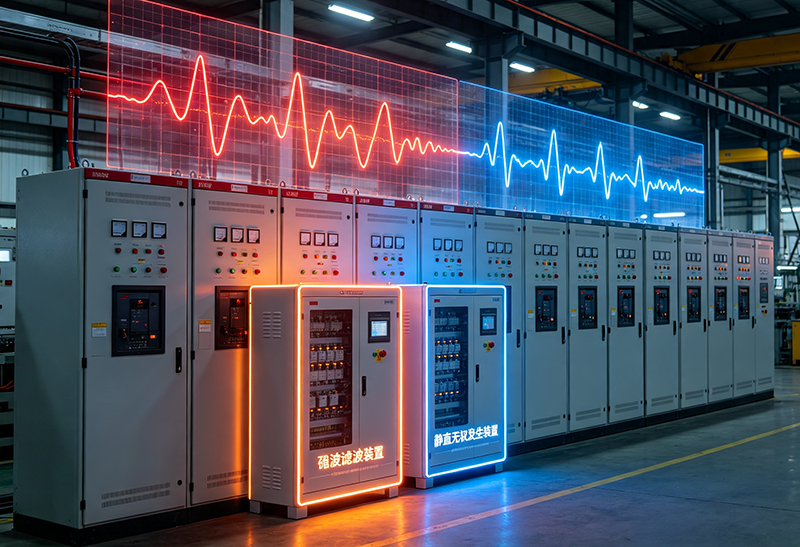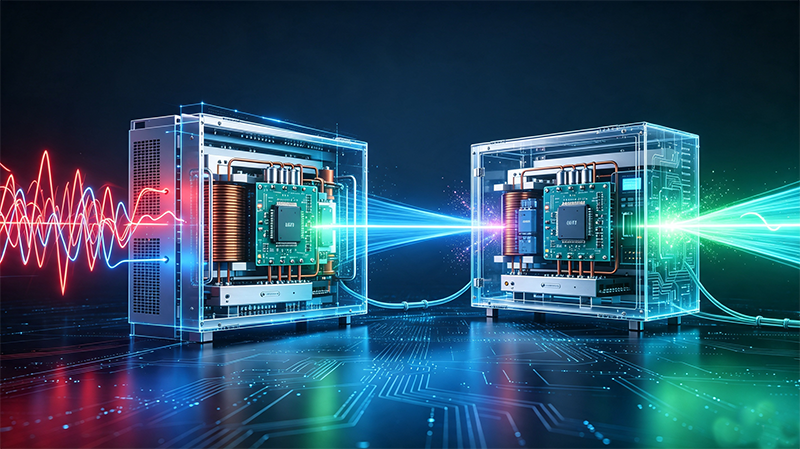
การแนะนำ: เหตุใดการแก้ไขตัวประกอบกำลังจึงมีความสำคัญในศูนย์ข้อมูล
ในฐานะวิศวกรไฟฟ้าอาวุโสที่ CoEpower, ฉันใช้เวลาหลายปีในการออกแบบและเพิ่มประสิทธิภาพระบบคุณภาพไฟฟ้าสำหรับโรงงานอุตสาหกรรมและศูนย์ข้อมูล. ความท้าทายที่เกิดขึ้นซ้ำๆ ประการหนึ่งในโครงสร้างพื้นฐานสมัยใหม่คือการรักษาเสถียรภาพและมีประสิทธิภาพ ปัจจัยอำนาจ (pf) ภายใต้โหลดที่มีไดนามิกสูง.
ศูนย์ข้อมูล, โดยเฉพาะ, เป็นสภาพแวดล้อมที่ละเอียดอ่อนอย่างยิ่ง. ด้วยการสลับระบบ UPS อย่างรวดเร็ว, โหลดเซิร์ฟเวอร์, ระบบทำความเย็น, และอุปกรณ์อิเล็กทรอนิกส์กำลัง, ความต้องการพลังงานปฏิกิริยามีความผันผวนอย่างต่อเนื่อง. ตัวประกอบกำลังที่ไม่ดีนำไปสู่:
- ค่าไฟฟ้าที่เพิ่มขึ้นเนื่องจากค่าปรับสาธารณูปโภค
- การสูญเสียหม้อแปลงและสายเคเบิลที่สูงขึ้น
- ความจุของระบบลดลง
- ความไม่เสถียรของแรงดันไฟฟ้าภายใต้สภาวะโหลดแบบไดนามิก
ตามเนื้อผ้า, ธนาคารตัวเก็บประจุ ถูกนำมาใช้ในการแก้ไขตัวประกอบกำลัง. อย่างไรก็ตาม, ด้วยความซับซ้อนที่เพิ่มขึ้นของโหลดสมัยใหม่, SVG (เครื่องกำเนิดไฟฟ้า) เทคโนโลยีกำลังกลายเป็นโซลูชันที่ต้องการในศูนย์ข้อมูลขั้นสูง.
บทความนี้จะให้การเปรียบเทียบเชิงลึกทางเทคนิคและการปฏิบัติของ SVG กับธนาคารตัวเก็บประจุ, ช่วยให้วิศวกรและผู้จัดการโรงงานมีข้อมูลในการตัดสินใจ.
ทำความเข้าใจกับการแก้ไขตัวประกอบกำลัง (พีเอฟซี)
ตัวประกอบกำลังคืออัตราส่วนระหว่างกำลังจริง (กิโลวัตต์) และอำนาจที่ชัดเจน (เควีเอ). ตามหลักการแล้ว, ค่านี้ควรจะใกล้เคียงที่สุด 1.0 เท่าที่จะทำได้.
ศูนย์ข้อมูลส่วนใหญ่ทำงานโดยมีโหลดแบบอุปนัยและแบบไม่เป็นเชิงเส้น, ซึ่งแนะนำ:
- พลังงานปฏิกิริยาที่ล้าหลัง (โหลดอุปนัยเช่นหม้อแปลงไฟฟ้า, มอเตอร์, ชิลเลอร์)
- การบิดเบือนฮาร์มอนิก (จากระบบยูพีเอส, เครื่องตัดกัน, เซิร์ฟเวอร์)
การแก้ไขตัวประกอบกำลังมีจุดมุ่งหมายเพื่อชดเชยกำลังไฟฟ้ารีแอกทีฟ (ซ้าย) ในท้องถิ่นถึง:
- ปรับปรุงประสิทธิภาพของระบบ
- ลดการสูญเสียการส่งสัญญาณ
- เพิ่มความจุไฟฟ้า
- หลีกเลี่ยงการลงโทษด้านสาธารณูปโภค
มีสองเทคโนโลยีที่โดดเด่นที่ใช้ในปัจจุบัน:
- ธนาคารตัวเก็บประจุ
- SVG (เครื่องกำเนิดไฟฟ้า)
ธนาคารตัวเก็บประจุคืออะไร?
ธนาคารตัวเก็บประจุคือระบบแก้ไขตัวประกอบกำลังแบบพาสซีฟแบบดั้งเดิมที่ประกอบด้วยตัวเก็บประจุหลายตัวที่เชื่อมต่อกันเป็นขั้น.
มันทำงานอย่างไร
ธนาคารตัวเก็บประจุจะให้การชดเชยพลังงานรีแอกทีฟคงที่หรือเป็นขั้นโดยการสร้างพลังงานรีแอกทีฟชั้นนำที่ชดเชยโหลดอุปนัย.
ประเภทของธนาคารตัวเก็บประจุ
- ธนาคารตัวเก็บประจุคงที่
- ธนาคารตัวเก็บประจุแบบสวิตช์อัตโนมัติ
- ธนาคารตัวเก็บประจุแบบสวิตช์ไทริสเตอร์
ข้อดี
- ต้นทุนเริ่มต้นต่ำ
- เทคโนโลยีที่เรียบง่าย
- ติดตั้งง่าย
- เหมาะสำหรับสภาพโหลดที่มั่นคง
ข้อจำกัดในศูนย์ข้อมูล
อย่างไรก็ตาม, ธนาคารตัวเก็บประจุมีข้อจำกัดที่สำคัญในสภาพแวดล้อมสมัยใหม่:
- การชดเชยตามขั้นตอน (ไม่ต่อเนื่อง)
- ตอบสนองช้าต่อความผันผวนของโหลด
- ความเสี่ยงของการชดเชยมากเกินไป
- ประสิทธิภาพต่ำภายใต้ความผิดเพี้ยนของฮาร์มอนิก
- ต้องมีการบำรุงรักษาบ่อยครั้ง (คอนแทคเตอร์, ฟิวส์, ตัวเก็บประจุมีอายุมากขึ้น)
ในระยะสั้น, ธนาคารตัวเก็บประจุเหมาะที่สุดสำหรับ โหลดทางอุตสาหกรรมที่มั่นคง, ไม่ใช่โครงสร้างพื้นฐานดิจิทัลแบบไดนามิก.
SVG คืออะไร (เครื่องกำเนิดไฟฟ้า)?
SVG, หรือเครื่องกำเนิด Static Var, เป็นอุปกรณ์อิเล็กทรอนิกส์กำลังสมัยใหม่ที่ให้ การชดเชยพลังงานปฏิกิริยาไดนามิกแบบเรียลไทม์.
ต่างจากธนาคารตัวเก็บประจุ, SVG ใช้เทคโนโลยีอินเวอร์เตอร์ที่ใช้ IGBT เพื่อสร้างหรือดูดซับพลังงานปฏิกิริยาทันที.
มันทำงานอย่างไร
- ตรวจสอบกระแสโหลดอย่างต่อเนื่อง
- คำนวณความต้องการพลังงานไฟฟ้ารีแอกทีฟแบบเรียลไทม์
- ฉีดชดเชยกระแสภายในมิลลิวินาที
ลักษณะสำคัญ
- การชดเชยแบบไดนามิกเต็มรูปแบบ (อุปนัยและตัวเก็บประจุ)
- การปรับอย่างต่อเนื่อง (ไม่ใช่แบบเป็นขั้นตอน)
- การตอบสนองที่รวดเร็ว (โดยทั่วไป <10 MS)
- ทำงานได้ดีกับการบิดเบือนฮาร์โมนิค
- การออกแบบที่กะทัดรัดและโมดูลาร์
SVG กับ ธนาคารตัวเก็บประจุ: การเปรียบเทียบทางเทคนิค
จากมุมมองทางวิศวกรรม, ความแตกต่างมีความสำคัญ.
1. ความเร็วในการตอบสนอง
- ธนาคารตัวเก็บประจุ: ช้า (การสลับระดับวินาที)
- SVG: รวดเร็วเป็นพิเศษ (การตอบสนองระดับมิลลิวินาที)
สำหรับศูนย์ข้อมูลที่มีโหลดเซิร์ฟเวอร์ผันผวน, SVG มีประสิทธิภาพเหนือกว่าอย่างชัดเจน.
2. ความแม่นยำในการชดเชย
- ธนาคารตัวเก็บประจุ: ทีละขั้นตอน, ความแม่นยำจำกัด
- SVG: การชดเชยที่ต่อเนื่องและแม่นยำ
SVG รักษา PF ไว้ใกล้กับ 0.99 อย่างสม่ำเสมอ.
3. ประสิทธิภาพฮาร์มอนิก
- ธนาคารตัวเก็บประจุ: สามารถขยายฮาร์โมนิคได้ (ความเสี่ยงจากเสียงสะท้อน)
- SVG: ลดความผิดเพี้ยนของฮาร์มอนิกอย่างแข็งขัน
นี่เป็นสิ่งสำคัญในสภาพแวดล้อมที่ต้องใช้ UPS เป็นจำนวนมาก.
4. ข้อกำหนดการบำรุงรักษา
- ธนาคารตัวเก็บประจุ: จำเป็นต้องเปลี่ยนตัวเก็บประจุ, การบำรุงรักษาคอนแทค
- SVG: การบำรุงรักษาน้อยที่สุด, การออกแบบโซลิดสเตต
5. พื้นที่และความสามารถในการขยายขนาด
- ธนาคารตัวเก็บประจุ: ใหญ่โต, การขยายตามแผง
- SVG: กะทัดรัด, สามารถขยายแบบโมดูลาร์ได้
6. ต้นทุนตลอดอายุการใช้งาน
ในขณะที่ธนาคารตัวเก็บประจุมีต้นทุนล่วงหน้าที่ต่ำกว่า, ข้อเสนอ SVG:
- อัตราความล้มเหลวต่ำกว่า
- ลดความเสี่ยงจากการหยุดทำงาน
- ประสิทธิภาพการใช้พลังงานที่สูงขึ้น
- ROI ระยะยาวที่ดีกว่า
เหตุใดศูนย์ข้อมูลจึงต้องการ SVG มากกว่าธนาคารตัวเก็บประจุ
ศูนย์ข้อมูลสมัยใหม่มีความแตกต่างโดยพื้นฐานจากภาระงานทางอุตสาหกรรมแบบดั้งเดิม.
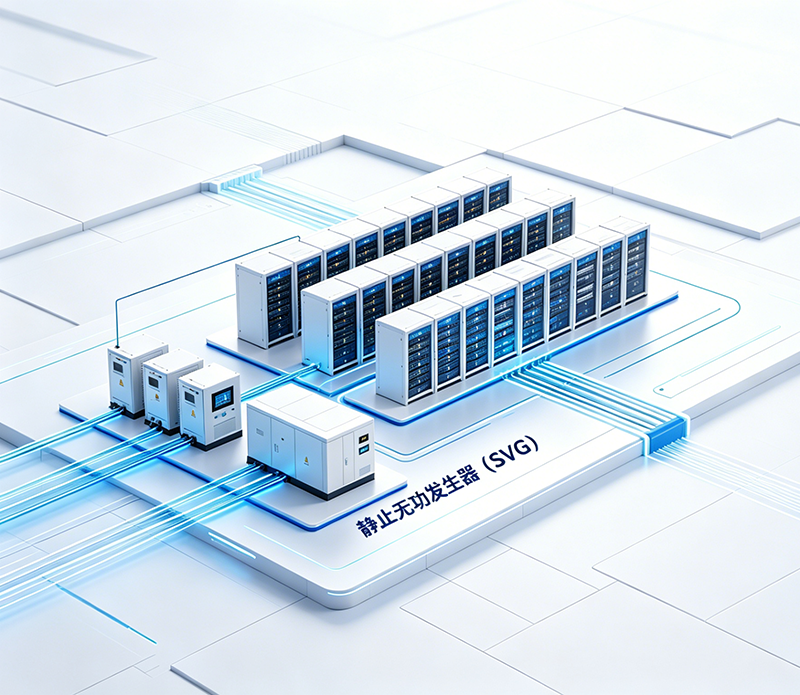
1. โปรไฟล์โหลดแบบไดนามิกสูง
ปริมาณงานเซิร์ฟเวอร์มีความผันผวนภายในมิลลิวินาทีเนื่องจากการจำลองเสมือนและการประมวลผลแบบคลาวด์.
ธนาคารตัวเก็บประจุไม่สามารถตอบสนองได้เร็วพอ, นำไปสู่:
- การสั่นของตัวประกอบกำลัง
- การชดเชยสูง/ต่ำ
SVG แก้ปัญหานี้ด้วยการปรับเปลี่ยนแบบเรียลไทม์.
2. สภาพแวดล้อมที่อุดมไปด้วยฮาร์มอนิก
ศูนย์ข้อมูลประกอบด้วย:
- วงจรเรียงกระแสของยูพีเอส
- อุปกรณ์จ่ายไฟสวิตช์โหมด
- ระบบระบายความร้อนที่ขับเคลื่อนด้วย VFD
สิ่งเหล่านี้สร้างความบิดเบือนฮาร์โมนิค (3ถ, 5ไทย, 7ฮาร์โมนิคส์).
ธนาคารตัวเก็บประจุอาจสะท้อนภายใต้เงื่อนไขดังกล่าว, ในขณะที่ SVG จะระงับกระแสฮาร์มอนิกอย่างแข็งขัน.
3. ข้อกำหนดด้านความน่าเชื่อถือสูง
การหยุดทำงานของศูนย์ข้อมูลมีค่าใช้จ่ายสูงมาก. ความไม่แน่นอนในคุณภาพไฟฟ้าอาจส่งผลให้เกิด:
- เซิร์ฟเวอร์ล่ม
- ข้อมูลสูญหาย
- ระบบทำความเย็นไม่สมดุล
SVG ให้ความเสถียร, การชดเชยอย่างต่อเนื่องโดยไม่มีความล้มเหลวในการสลับทางกล.
4. การเพิ่มประสิทธิภาพการใช้พลังงาน
แม้แต่การปรับปรุงเล็กน้อยใน PF (เช่น, จาก 0.92 ถึง 0.99) สามารถลดขนาดลงได้อย่างมาก:
- การสูญเสียของหม้อแปลงไฟฟ้า
- เครื่องทำความร้อนสายเคเบิล
- บทลงโทษด้านสาธารณูปโภค
SVG ช่วยให้มั่นใจได้ว่า PF สูงสม่ำเสมอในทุกสภาวะโหลด.
ข้อมูลเชิงลึกด้านวิศวกรรมในโลกแห่งความเป็นจริงจากโครงการ CoEpower
ในโครงการศูนย์ข้อมูล CoEpower หลายแห่ง, เราสังเกตรูปแบบที่สอดคล้องกัน:
- ธนาคารตัวเก็บประจุทำงานได้ดีในระหว่างการทดสอบโหลดคงที่
- แต่ไม่สามารถรักษาเสถียรภาพในระหว่างการเปลี่ยนแปลงการรับส่งข้อมูลบนคลาวด์สูงสุด
หลังจากเปลี่ยนหรือเสริมด้วยระบบ SVG:
- ความเสถียรของตัวประกอบกำลังดีขึ้น 8–15%
- ความเพี้ยนของฮาร์มอนิกลดลงอย่างมาก
- การแทรกแซงการบำรุงรักษาลดลงไปมาก 60%
- ประสิทธิภาพการใช้พลังงานโดยรวมดีขึ้นอย่างวัดผลได้
นี่แสดงให้เห็นว่า SVG ไม่ใช่แค่การอัพเกรดเท่านั้น แต่ยังเป็น การปรับปรุงระดับระบบในสถาปัตยกรรมคุณภาพไฟฟ้า.
โซลูชั่นไฮบริด: SVG + ธนาคารตัวเก็บประจุ
ในฐานะวิศวกร, ฉันยังรับรู้ว่าธนาคารตัวเก็บประจุไม่ล้าสมัย.
ในการติดตั้งขนาดใหญ่หลายแห่ง, อัน การกำหนดค่าไฮบริด เหมาะสมที่สุด:
- ธนาคารตัวเก็บประจุจัดการ โหลดปฏิกิริยาพื้นฐาน
- ที่จับ SVG โหลดแบบไดนามิกและเปลี่ยนแปลงอย่างรวดเร็ว
ประโยชน์ของระบบไฮบริด
- ลดต้นทุนเมื่อเทียบกับการใช้งาน SVG เต็มรูปแบบ
- ปรับปรุงการตอบสนองของระบบ
- ลดความเครียดในหน่วย SVG
- ต้นทุนวงจรชีวิตที่สมดุล
วิธีนี้มีประโยชน์อย่างยิ่งใน:
- ระดับที่สอง / ศูนย์ข้อมูลระดับ III
- วิทยาเขตอุตสาหกรรมขนาดใหญ่
- สิ่งอำนวยความสะดวกแบบผสม
วิธีเลือกระหว่าง SVG และ Capacitor Bank
เมื่อออกแบบระบบแก้ไขตัวประกอบกำลัง, พิจารณาสิ่งต่อไปนี้:
เลือกธนาคารตัวเก็บประจุถ้า:
- โหลดมีความเสถียรและคาดเดาได้
- งบประมาณมีจำกัดมาก
- ความเพี้ยนของฮาร์มอนิกมีน้อยมาก
- มอเตอร์อุตสาหกรรมเป็นผู้ควบคุมภาระ
เลือก SVG ถ้า:
- โหลดมีไดนามิกสูง (ศูนย์ข้อมูล, การประมวลผลแบบคลาวด์)
- ฮาร์มอนิกมีความสำคัญ
- จำเป็นต้องมีคุณภาพกำลังไฟฟ้าสูง
- การหยุดทำงานมีค่าใช้จ่ายสูงมาก
เลือกไฮบริดถ้า:
- สิ่งอำนวยความสะดวกขนาดใหญ่ที่มีพฤติกรรมโหลดแบบผสม
- ต้องการความสมดุลระหว่าง CAPEX และประสิทธิภาพ
อนาคตของการแก้ไขตัวประกอบกำลังในศูนย์ข้อมูล
อุตสาหกรรมกำลังก้าวไปสู่อย่างชัดเจน:
- การแปลงระบบไฟฟ้าให้เป็นดิจิทัลเต็มรูปแบบ
- การเพิ่มประสิทธิภาพพลังงานแบบเรียลไทม์
- บูรณาการกริดอัจฉริยะ
- การคาดการณ์โหลดที่ขับเคลื่อนด้วย AI
ในบริบทนี้, เทคโนโลยี SVG สอดคล้องกับอนาคตของโครงสร้างพื้นฐานด้านพลังงานอัจฉริยะอย่างสมบูรณ์แบบ.
ธนาคารตัวเก็บประจุจะยังคงอยู่, แต่เน้นไปที่บทบาทสนับสนุนมากกว่าที่จะเป็นทางออกหลัก.
บทสรุป
จากมุมมองด้านวิศวกรรมอาวุโสที่ CoEpower, การเปรียบเทียบระหว่าง SVG กับธนาคารตัวเก็บประจุ ไม่ใช่แค่เรื่องต้นทุนเท่านั้น แต่ยังเกี่ยวกับพฤติกรรมของระบบภายใต้สภาวะโลกแห่งความเป็นจริงอีกด้วย.
ธนาคารตัวเก็บประจุยังคงเชื่อถือได้, ทางออกที่ประหยัดสำหรับการโหลดที่มั่นคง. อย่างไรก็ตาม, เพื่อความทันสมัย ศูนย์ข้อมูลแบบไดนามิก, สภาพแวดล้อมที่อุดมไปด้วยฮาร์มอนิก, SVG (เครื่องกำเนิดไฟฟ้า) ให้เหนือกว่า:
- ความเร็วในการตอบสนอง
- ความแม่นยำ
- ประสิทธิภาพฮาร์มอนิก
- ความน่าเชื่อถือ
- มูลค่าวงจรชีวิต
ในแอปพลิเคชันศูนย์ข้อมูลที่ทันสมัยที่สุด, SVG ไม่ใช่เรื่องฟุ่มเฟือยอีกต่อไป แต่กำลังกลายเป็นข้อกำหนดมาตรฐานสำหรับระบบคุณภาพไฟฟ้าประสิทธิภาพสูง.
หากคุณกำลังออกแบบหรืออัพเกรดระบบไฟฟ้าของศูนย์ข้อมูล, การประเมินการชดเชยพลังงานปฏิกิริยาตาม SVG ถือเป็นขั้นตอนสำคัญในการบรรลุประสิทธิภาพที่สูงขึ้น, ความมั่นคง, และความน่าเชื่อถือในการปฏิบัติงานในระยะยาว.
แท็กคำหลัก
การแก้ไขปัจจัยพลังงาน, SVG กับธนาคารตัวเก็บประจุ, เครื่องกำเนิดไฟฟ้า, ระบบธนาคารตัวเก็บประจุ, คุณภาพไฟฟ้าของศูนย์ข้อมูล, การชดเชยพลังงานปฏิกิริยา, การบรรเทาฮาร์โมนิกส์, การแก้ไขตัวประกอบกำลังทางอุตสาหกรรม, การชดเชย VAR แบบไดนามิก, โซลูชันทางวิศวกรรม CoEpower, ซัพพลายเออร์, ผู้ผลิต, โรงงาน, บริษัท, จีน, ขายส่ง, ซื้อ, ราคา, ใบเสนอราคา, จำนวนมาก, ขาย, บริษัท, คลังสินค้า, ค่าใช้จ่าย.