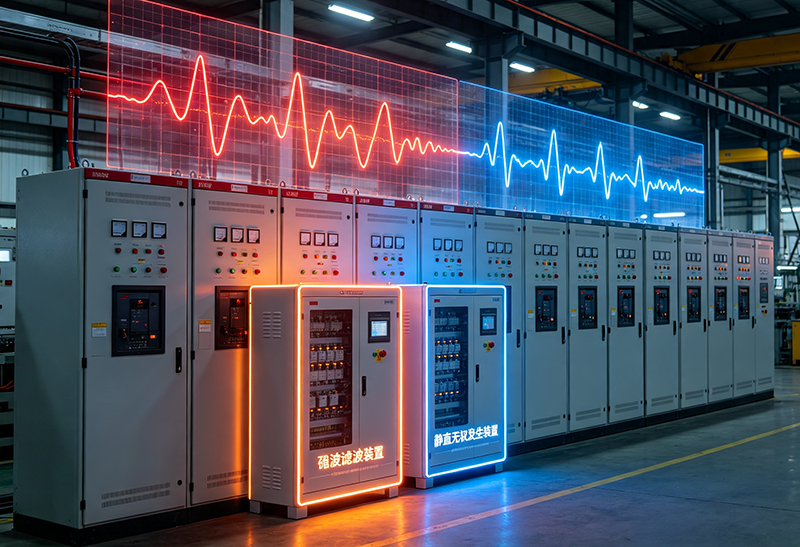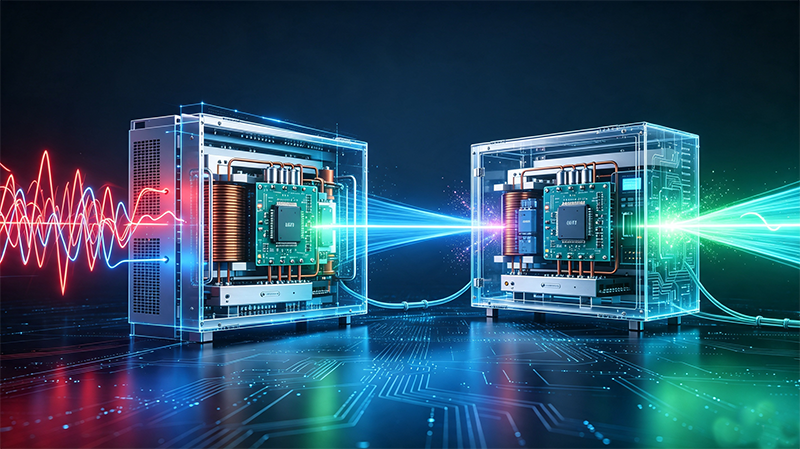
Trong các hệ thống điện công nghiệp và thương mại ngày nay, sự biến dạng hài hòa đã trở thành một thách thức ngày càng tăng. Khi ngày càng có nhiều cơ sở phụ thuộc vào tải điện phi tuyến tính như bộ điều khiển tần số thay đổi (VFD), Hệ thống UPS, Ánh sáng LED, Bộ sạc xe điện, Máy hàn, và thiết bị trung tâm dữ liệu, vấn đề hài hòa không còn có thể bị bỏ qua.
Tại Coepower, chúng tôi thường xuyên giúp đỡ các kỹ sư, Nhà thầu EPC, và người quản lý cơ sở giải quyết các vấn đề về chất lượng điện do sóng hài gây ra. Hai trong số các giải pháp được thảo luận phổ biến nhất là bộ lọc sóng hài một pha Và bộ lọc sóng hài tích cực (AHFS).
Mặc dù cả hai công nghệ đều được thiết kế để giảm độ méo sóng hài, chúng khác nhau đáng kể về nguyên tắc thiết kế, kịch bản ứng dụng, hiệu suất, và chi phí. Trong bài viết này, chúng tôi sẽ giải thích những điểm khác biệt chính giữa bộ lọc sóng hài một pha và bộ lọc sóng hài chủ động dưới góc nhìn của một kỹ sư điện cấp cao.
Sóng hài trong hệ thống điện là gì?
Sóng hài là dạng sóng điện áp hoặc dòng điện hoạt động ở tần số gấp bội của tần số cơ bản (50Hz hoặc 60Hz). Chúng chủ yếu được tạo ra bởi các tải phi tuyến tính tạo ra dòng điện theo xung đột ngột thay vì sóng hình sin trơn tru..
Các nguồn hài hòa phổ biến bao gồm:
- Ổ đĩa tần số thay đổi (VFD)
- Chuyển đổi nguồn điện
- Trung tâm dữ liệu
- Biến tần năng lượng mặt trời
- Trạm sạc EV
- Hệ thống UPS
- Hệ thống chiếu sáng LED
- Lò hồ quang
Sự biến dạng sóng hài quá mức có thể gây ra:
- Máy biến áp quá nóng
- Hỏng tụ điện
- Sự vấp ngã phiền toái
- Giảm hiệu suất động cơ
- Tăng tổn thất năng lượng
- Cáp quá nóng
- Sự cố thiết bị
- Hệ số công suất giảm
- Chi phí bảo trì cao hơn
Để giảm thiểu những vấn đề này, công nghệ lọc sóng hài được triển khai.
Bộ lọc sóng hài một pha là gì?
MỘT bộ lọc sóng hài một pha là thiết bị lọc được thiết kế đặc biệt cho hệ thống điện một pha. Nó thường được sử dụng để triệt tiêu dòng điện hài tạo ra bởi tải một pha.
Các bộ lọc này thường là các bộ lọc thụ động bao gồm:
- tụ điện
- Cuộn cảm
- Điện trở
Bộ lọc được điều chỉnh theo tần số hài cụ thể, chẳng hạn như thứ 3, 5th, hoặc hài bậc 7.
Bộ lọc sóng hài một pha hoạt động như thế nào
Bộ lọc sóng hài một pha hoạt động bằng cách tạo ra đường dẫn có trở kháng thấp cho dòng điện hài. Thay vì chảy ngược vào hệ thống điện, dòng điện hài được chuyển vào mạch lọc.
Hầu hết các bộ lọc một pha đều thụ động, nghĩa là họ không tích cực bơm dòng bù. Thay vì, họ dựa vào các mạch LC được điều chỉnh để hấp thụ các sóng hài mục tiêu.
Các vị trí lắp đặt điển hình bao gồm:
- Hệ thống dân cư
- Tòa nhà thương mại nhỏ
- Thiết bị văn phòng
- Dụng cụ thí nghiệm
- Thiết bị viễn thông
- Hệ thống UPS một pha
- Thiết bị y tế nhỏ
Bộ lọc điều hòa hoạt động là gì (Ahf)?
MỘT Bộ lọc điều hòa hoạt động (Ahf) là một thiết bị chất lượng điện tử tiên tiến có khả năng tự động phát hiện và bù dòng điện hài trong thời gian thực.

Không giống như các bộ lọc thụ động, AHF sử dụng công nghệ điện tử công suất và xử lý tín hiệu số để đưa dòng điện hài nghịch đảo vào hệ thống.
Điều này loại bỏ hiệu quả các sóng hài không mong muốn trên dải tần số rộng.
Bộ lọc sóng hài chủ động hoạt động như thế nào
Bộ lọc sóng hài tích cực liên tục theo dõi dòng tải bằng máy biến dòng (CT). Bộ điều khiển phân tích phổ hài và tạo ra dòng bù có độ lớn bằng nhau nhưng ngược pha.
Kết quả là loại bỏ sóng hài và cải thiện chất lượng dạng sóng.
AHF thường có thể:
- Giảm THDi xuống dưới 5%
- Bù nhiều lệnh điều hòa cùng một lúc
- Cải thiện hệ số công suất
- Cân bằng tải ba pha
- Giảm dòng trung tính
- Thích ứng linh hoạt với việc thay đổi tải
Bộ lọc sóng hài tích cực được sử dụng rộng rãi trong:
- Cây công nghiệp
- Trung tâm dữ liệu
- Bệnh viện
- Sản xuất chất bán dẫn
- Tòa nhà thương mại
- Hệ thống năng lượng tái tạo
- Cơ sở hạ tầng sạc EV
- Nhà máy thông minh
Sự khác biệt chính giữa Bộ lọc sóng hài một pha và Bộ lọc sóng hài chủ động
1. Nguyên tắc hoạt động
Bộ lọc sóng hài một pha
Bộ lọc sóng hài một pha nói chung là thiết bị thụ động. Chúng hấp thụ các tần số hài cụ thể bằng cách sử dụng mạch LC được điều chỉnh.
Thành tích của họ phụ thuộc rất nhiều vào:
- Trở kháng hệ thống
- Điều kiện tải
- Ổn định tần số hài
Bộ lọc điều hòa hoạt động
AHF tích cực tạo ra dòng bù trong thời gian thực bằng cách sử dụng thuật toán điện tử công suất và DSP.
Chúng có thể phản ứng ngay lập tức với các điều kiện hài hòa thay đổi và bù đắp linh hoạt.
2. Phạm vi bù sóng hài
Bộ lọc sóng hài một pha
Bộ lọc thụ động thường được điều chỉnh theo một hoặc nhiều bậc hài.
Ví dụ:
- 3bộ lọc điều hòa thứ
- 5bộ lọc hài hòa
- 7bộ lọc hài hòa
Chúng kém hiệu quả hơn trong việc giảm thiểu sóng hài phổ rộng.
Bộ lọc điều hòa hoạt động
AHF có thể bù đắp:
- 2hài âm thứ nd đến thứ 50
- Nhiều sóng hài đồng thời
- Tải trọng động và dao động điều hòa
Điều này cung cấp sự bảo vệ rộng hơn đáng kể.
3. Tính linh hoạt của hệ thống
Bộ lọc sóng hài một pha
Bộ lọc thụ động tương đối cố định sau khi được cài đặt.
Nếu tải thay đổi đáng kể, hiệu suất bộ lọc có thể giảm.
Bộ lọc điều hòa hoạt động
AHF có khả năng thích ứng cao và tự động đáp ứng các biến đổi tải trong thời gian thực.
Điều này làm cho chúng trở nên lý tưởng cho các hệ thống điện hiện đại có tải động..
4. Độ phức tạp cài đặt
Bộ lọc sóng hài một pha
Việc cài đặt nói chung là đơn giản và tiết kiệm chi phí.
Chúng thích hợp cho:
- Hệ thống nhỏ
- Các bài toán điều hòa đơn giản
- Ngân sách hạn chế
Bộ lọc điều hòa hoạt động
AHF yêu cầu:
- Máy biến dòng điện
- Cấu hình bộ điều khiển
- Phân tích hài hòa thích hợp
- Vận hành phức tạp hơn
Tuy nhiên, họ cung cấp hiệu suất cao hơn nhiều.
5. Nguy cơ cộng hưởng
Bộ lọc sóng hài một pha
Bộ lọc sóng hài thụ động có thể tạo ra vấn đề cộng hưởng với hệ thống điện.
Điều này có khả năng khuếch đại sóng hài thay vì giảm chúng.
Nghiên cứu hệ thống thường là cần thiết trước khi cài đặt.
Bộ lọc điều hòa hoạt động
AHF không dựa vào điều chỉnh cộng hưởng và do đó tránh được rủi ro cộng hưởng.
Điều này cải thiện đáng kể độ tin cậy của hệ thống.
6. Hiệu chỉnh hệ số công suất
Bộ lọc sóng hài một pha
Một số bộ lọc thụ động cũng có thể cải thiện hệ số công suất.
Tuy nhiên, khả năng điều chỉnh bị hạn chế.
Bộ lọc điều hòa hoạt động
Nhiều AHF hiện đại tích hợp:
- Giảm thiểu điều hòa
- Bồi thường công suất phản ứng
- Hiệu chỉnh hệ số công suất
- Cân bằng tải
Điều này làm cho chúng trở thành một giải pháp chất lượng điện năng đa chức năng.
7. Yêu cầu bảo trì
Bộ lọc sóng hài một pha
Bộ lọc thụ động thường yêu cầu bảo trì tối thiểu.
Tuy nhiên, lão hóa tụ điện và ứng suất nhiệt cuối cùng có thể làm giảm hiệu suất.
Bộ lọc điều hòa hoạt động
AHF chứa hệ thống điện tử và làm mát tiên tiến.
Đề nghị kiểm tra thường xuyên, nhưng AHF hiện đại có độ tin cậy cao và thông minh.
8. So sánh chi phí
Bộ lọc sóng hài một pha
Thuận lợi:
- Đầu tư ban đầu thấp hơn
- Thiết kế đơn giản
- Kinh tế cho các ứng dụng nhỏ
Bất lợi:
- Khả năng bồi thường hạn chế
- Ít linh hoạt hơn
- Các vấn đề cộng hưởng tiềm năng
Bộ lọc điều hòa hoạt động
Thuận lợi:
- Ức chế hài hòa vượt trội
- Hiệu suất năng động
- Khả năng đa chức năng
Bất lợi:
- Chi phí ban đầu cao hơn
- Cài đặt phức tạp hơn
Tuy nhiên, AHF thường mang lại chi phí vận hành dài hạn thấp hơn do hiệu quả sử dụng năng lượng được cải thiện và giảm lỗi thiết bị.
Bảng so sánh: Bộ lọc sóng hài một pha so với Bộ lọc sóng hài chủ động
| Tính năng | Bộ lọc sóng hài một pha | Bộ lọc điều hòa hoạt động |
|---|---|---|
| Công nghệ | Mạch LC thụ động | Bù điện tử công suất |
| Loại bồi thường | Đã sửa | Năng động |
| Phạm vi hài hòa | Sóng hài cụ thể | Sóng hài phổ rộng |
| Khả năng thích ứng | Giới hạn | Xuất sắc |
| Rủi ro cộng hưởng | Khả thi | Không có |
| Hiệu chỉnh hệ số công suất | một phần | Trình độ cao |
| Cài đặt | Đơn giản | Vừa phải |
| Trị giá | Thấp hơn | Cao hơn |
| Tốt nhất cho | Hệ thống nhỏ | Hệ thống công nghiệp phức tạp |
| BẢO TRÌ | Thấp | Vừa phải |
Khi nào bạn nên chọn bộ lọc sóng hài một pha?
Bộ lọc sóng hài một pha rất lý tưởng khi:
- Các bài toán điều hòa tương đối đơn giản
- Tải ổn định
- Ngân sách bị hạn chế
- Ứng dụng này có quy mô nhỏ
- Chỉ các tần số hài cụ thể mới cần triệt tiêu
Các ứng dụng điển hình bao gồm:
- Lắp đặt khu dân cư
- Văn phòng nhỏ
- Thiết bị phòng thí nghiệm
- Hệ thống viễn thông
- Hệ thống UPS nhỏ
Khi nào bạn nên chọn Bộ lọc sóng hài chủ động?
Bộ lọc sóng hài chủ động là lựa chọn ưu tiên khi:
- Mức độ hài hòa dao động thường xuyên
- Nhiều lệnh điều hòa tồn tại
- Yêu cầu chất lượng điện năng rất nghiêm ngặt
- Độ tin cậy của thiết bị là rất quan trọng
- Cơ sở chứa các thiết bị điện tử nhạy cảm
- Dự kiến sẽ mở rộng tải trong tương lai
Các ứng dụng lý tưởng bao gồm:
- Tự động hóa công nghiệp
- Trung tâm dữ liệu
- Nhà máy bán dẫn
- Bệnh viện
- tòa nhà thông minh
- Nhà máy năng lượng tái tạo
- Trạm sạc EV
Tại sao việc giảm nhẹ hài hòa lại quan trọng hơn bao giờ hết
Với việc áp dụng nhanh chóng tự động hóa, năng lượng tái tạo, và điện tử công suất, ô nhiễm sóng hài đang gia tăng trên toàn cầu.
Cơ sở vật chất hiện đại ngày càng dễ bị tổn thương hơn:
- Thời gian ngừng hoạt động bất ngờ
- Chất thải năng lượng
- Hư hỏng thiết bị
- Vấn đề tuân thủ
Các tiêu chuẩn quốc tế như IEEE 519 bây giờ đặt ra những giới hạn chặt chẽ hơn về độ méo sóng hài.
Việc lọc sóng hài phù hợp không còn là tùy chọn nữa - nó là một phần thiết yếu trong thiết kế hệ thống điện hiện đại.
Giải pháp lọc sóng hài CoEpower
Tại Coepower, chúng tôi cung cấp các giải pháp chất lượng điện tiên tiến phù hợp với các ứng dụng công nghiệp và thương mại.
Dịch vụ của chúng tôi bao gồm:
- Bộ lọc hài hòa hoạt động (Ahf)
- Máy tạo VAR tĩnh (SVG)
- Ngân hàng tụ điện
- Bộ lọc sóng hài thụ động
- Hệ thống hiệu chỉnh hệ số công suất
- Giải pháp giảm thiểu hài hòa tùy chỉnh
Đội ngũ kỹ thuật của chúng tôi thực hiện phân tích hài hòa chi tiết để giúp khách hàng lựa chọn giải pháp hiệu quả và tiết kiệm chi phí nhất cho cơ sở của họ.
Cho dù bạn cần bộ lọc sóng hài một pha nhỏ gọn hay bộ lọc sóng hài hoạt động công suất cao cho hệ thống công nghiệp phức tạp, CoEpower có thể cung cấp các giải pháp chất lượng điện năng đáng tin cậy và hiệu quả.
suy nghĩ cuối cùng
Cả bộ lọc sóng hài một pha và bộ lọc sóng hài chủ động đều đóng vai trò quan trọng trong quản lý chất lượng điện năng.
Bộ lọc sóng hài một pha cung cấp giải pháp tiết kiệm chi phí cho hoạt động ổn định, vấn đề hài hòa quy mô nhỏ. Ngược lại, một bộ lọc sóng hài tích cực cung cấp thông minh, năng động, và bù hài hòa toàn diện cho môi trường công nghiệp hiện đại.
Việc lựa chọn giải pháp phù hợp phụ thuộc vào:
- Mức độ hài hòa
- Đặc tính tải
- Độ phức tạp của hệ thống
- Ngân sách
- Kế hoạch mở rộng trong tương lai
Khi hệ thống điện tiếp tục phát triển, Công nghệ lọc sóng hài tích cực ngày càng trở nên quan trọng để duy trì độ tin cậy, có hiệu quả, và hoạt động tuân thủ tiêu chuẩn.
Nếu cơ sở của bạn đang gặp vấn đề liên quan đến sóng hài, tư vấn các kỹ sư chất lượng điện có kinh nghiệm là bước đầu tiên tốt nhất để tìm ra giải pháp tối ưu.
Tags: Bộ lọc sóng hài một pha, Bộ lọc điều hòa hoạt động, Chất lượng điện năng AHF, Bộ lọc sóng hài và bộ lọc sóng hài hoạt động, Giải pháp giảm thiểu hài hòa, Bộ lọc sóng hài công nghiệp, Cải thiện chất lượng điện năng, Ức chế sóng hài điện, Bộ lọc điều hòa thụ động, Bù sóng hài động, IEEE 519 tuân thủ hài hòa, Giải pháp biến dạng sóng hài, Bộ lọc điều hòa CoEpower, Hệ thống lọc sóng hài, Bộ lọc sóng hài hoạt động ba pha, nhà cung cấp, nhà sản xuất, nhà máy, công ty, Trung Quốc, bán buôn, mua, giá , Trích dẫn, số lượng lớn, Để bán, công ty, Cổ phần, trị giá.