Giới thiệu: Quan điểm kỹ thuật về chất lượng điện công nghiệp
Là kỹ sư điện cao cấp tại CoEpower Electric, Tôi đã làm việc trong nhiều dự án về chất lượng điện công nghiệp trong các lĩnh vực như sản xuất, luyện kim, và cơ sở hạ tầng. Một thử thách định kỳ nổi bật: năng động, tải phi tuyến làm giảm hiệu suất hệ thống.
Nghiên cứu điển hình từ Tân Cương này là một ví dụ trong sách giáo khoa. Một cơ sở vận hành máy hàn giàn tần số cao gặp phải hệ số công suất thấp liên tục, mất ổn định máy biến áp, và tăng tiền phạt điện. Các giải pháp truyền thống đã được triển khai nhưng đều thất bại.
Đây là cách chúng tôi chẩn đoán vấn đề và thiết kế một giải pháp mang lại kết quả tài chính và kỹ thuật có thể đo lường được.
Bối cảnh dự án: Những gì chúng tôi tìm thấy tại chỗ
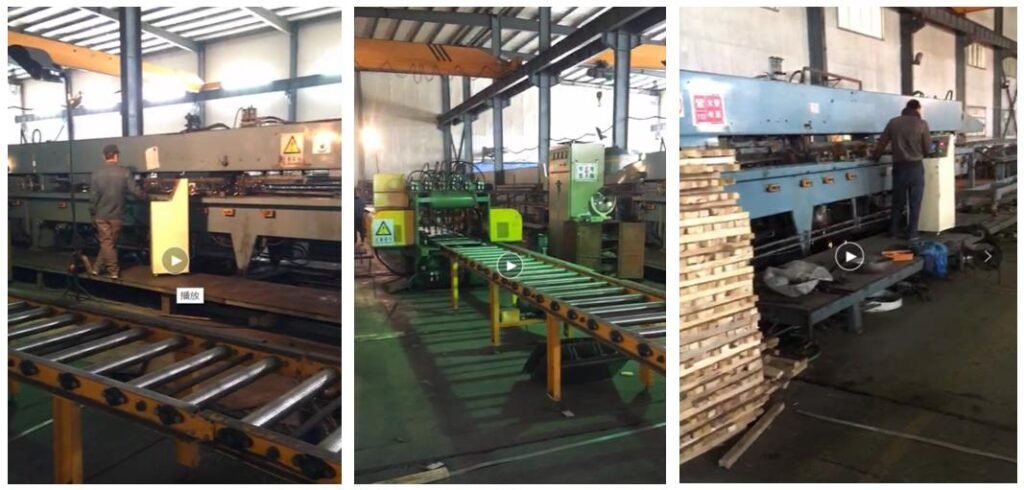
Tổng quan về cơ sở
- Ứng dụng: Hàn giàn để sản xuất khung kim loại
- Máy biến áp: 630 KVA, 0.4 hệ thống hạ thế kV
- Loại tải: Máy hàn động lực cao
- Phạm vi hiện tại đo: 200A – 900A
- Chu kỳ tải: ~20 chu kỳ, biến động nhanh
Vấn đề cốt lõi
Khách hàng đã báo cáo:
- Các chuyến đi máy biến áp thường xuyên
- Hình phạt hệ số công suất
- Hành vi hệ thống không ổn định
Khi chúng tôi tiến hành đo tại chỗ bằng máy phân tích chất lượng điện FLUKE 430-II, nguyên nhân gốc rễ đã trở nên rõ ràng.
Chẩn đoán kỹ thuật: Tại sao hệ thống bị lỗi
1. Hệ số công suất cực thấp
Hệ số công suất trung bình đo được: 0.6–0,7
Mức này thấp hơn nhiều so với yêu cầu tiện ích và trực tiếp dẫn đến phí phạt.
2. Công suất phản kháng rất dễ bay hơi
Chúng tôi quan sát:
- Các xung công suất phản kháng kéo dài ít hơn 0.5 giây
- Dao động tần số cao gắn liền với chu kỳ hàn
- Ngân hàng tụ điện không thể đáp ứng trong thời gian thực
3. Hạn chế của tụ điện
Hệ thống đã lắp đặt tụ bù. Tuy nhiên, từ quan điểm kỹ thuật, giải pháp này về cơ bản không phù hợp với hồ sơ tải.
Tại sao nó thất bại:
- Độ trễ chuyển mạch cơ học (yêu cầu giây so với mili giây)
- Bồi thường theo bước—không liên tục
- Không có khả năng theo dõi sự thay đổi tải nhanh
- Nguy cơ cộng hưởng và bù đắp quá mức
4. Các chuyến đi bảo vệ và ứng suất máy biến áp
Sự kết hợp của:
- Dòng điện phản kháng cao
- Thay đổi tải nhanh
dẫn đến việc kích hoạt thường xuyên các hệ thống bảo vệ máy biến áp, ảnh hưởng đến tính liên tục của sản xuất.
Thiết kế giải pháp: Tại sao chúng tôi chọn SVG
Dựa vào đặc tính tải, Tôi đã đề xuất triển khai một Trình tạo var tĩnh (SVG) hệ thống.
Cơ sở kỹ thuật
SVG là lý tưởng khi:
- Tải thay đổi nhanh chóng và không thể đoán trước
- Nhu cầu công suất phản kháng rất năng động
- Cần phải bù chính xác
Không giống như các dàn tụ điện, SVG hoạt động bằng cách sử dụng thiết bị điện tử công suất dựa trên IGBT, cho phép:
- Bồi thường thời gian thực (<10 phản hồi ms)
- Điều chỉnh liên tục (không dựa trên bước)
- Kiểm soát hệ số công suất ổn định và chính xác
Thực hiện: Những gì chúng tôi đã làm tại chỗ
Chi tiết cài đặt
- Người mẫu: SVG-400/4L-400
- Dung tích: 400 bên trái
- Điểm cài đặt: Thiết bị đầu cuối đi của tủ đến (phía điện áp thấp)
Quá trình vận hành
Từ góc độ quy trình làm việc kỹ thuật:
1, Đo lường trước khi cài đặt
- Dữ liệu chất lượng điện cơ bản đã được ghi lại
2, Tích hợp hệ thống
- CT được cài đặt để lấy mẫu hiện tại theo thời gian thực
- Đã kết nối SVG với hệ thống phân phối
3, Cấu hình tham số
- Đặt hệ số công suất mục tiêu
- Chiến lược bồi thường điều chỉnh
4, Kích hoạt từng bước
- Các mô-đun SVG được kích hoạt tuần tự
- Phản ứng của hệ thống được giám sát
5, Xác thực
- So sánh các dạng sóng và xu hướng trước/sau
Kết quả: Cải thiện hiệu suất được đo lường
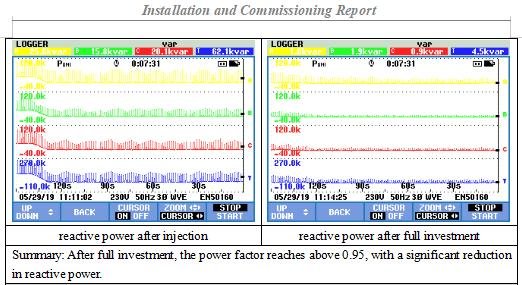
1. Hiệu chỉnh hệ số công suất
- Trước: ~0,65
- Sau đó: ≥0,95 (ổn định, gần đoàn kết)
Từ góc độ kỹ thuật, điều này cho thấy sự bù công suất phản kháng tối ưu mà không có dao động.
2. Ổn định công suất phản kháng
Hiển thị dữ liệu sau cài đặt:
- Giảm đáng kể công suất phản kháng cơ sở
- Giảm mạnh các đột biến thoáng qua
- Hoạt động hệ thống mượt mà hơn
3. Xử lý tải động
SVG đã phản ứng hiệu quả với:
- Thay đổi tải dưới giây
- Biến động chu kỳ hàn
Đây là điều mà các ngân hàng tụ điện không thể đạt được.
4. Độ ổn định bảo vệ máy biến áp
Sau khi triển khai:
- Không còn vấp ngã phiền toái
- Giảm căng thẳng nhiệt
- Cải thiện độ tin cậy hoạt động
Tác động tài chính: Kỹ thuật hoàn lại tiền
Từ dữ liệu thanh toán của khách hàng:
- Trước SVG: Công suất phản kháng bị phạt = 9,972.94 nhân dân tệ
- Sau SVG: Phần thưởng hệ số sức mạnh = 91.55 nhân dân tệ
Cái nhìn sâu sắc về kỹ thuật
Đây là một trường hợp điển hình trong đó việc cải thiện chất lượng điện trực tiếp chuyển thành lợi ích tài chính.
ROI được thúc đẩy bởi:
- Loại bỏ hình phạt
- Giảm tổn thất hệ thống
- Cải thiện hiệu quả tổng thể
Bài học kỹ thuật: Bài học từ thực địa
- Công nghệ phù hợp để tải hồ sơ
Các ngân hàng tụ điện thích hợp cho:
- Ổn định, Tải trọng có thể dự đoán được
SVG là cần thiết cho:
- Thay đổi nhanh, tải phi tuyến
2. Thời gian đáp ứng là rất quan trọng
Trong dự án này:
- Sự kiện phản ứng xảy ra trong <0.5 giây
- Chỉ SVG mới có thể phản hồi đủ nhanh
3. Chất lượng điện là kỹ thuật cấp hệ thống
Cải thiện hệ số công suất cũng:
- Giảm dòng điện RMS
- Giảm tổn thất trong máy biến áp và cáp
- Tăng cường tuổi thọ thiết bị
4. Công trình kỹ thuật dựa trên dữ liệu
Sử dụng dụng cụ đo thực tế (như máy phân tích FLUKE) cho phép chúng tôi:
- Xác định vấn đề thực sự
- Xác nhận giải pháp một cách định lượng
Giải pháp này được áp dụng ở đâu
Từ kinh nghiệm của tôi, Kiểu triển khai SVG này có hiệu quả cao trong:
- Nhà máy hàn và chế tạo
- Thép và công nghiệp nặng
- Sản xuất ô tô
- Hoạt động khai thác mỏ
- Bất kỳ cơ sở nào có tải cảm ứng dao động
Phần kết luận: Giá trị kỹ thuật được giao
Dự án Tân Cương này là một ví dụ điển hình về cách các quyết định kỹ thuật đúng đắn—không chỉ nâng cấp thiết bị—thúc đẩy kết quả.
Bằng cách triển khai giải pháp SVG, đạt được:
- Cải thiện hệ số công suất từ 0.65 ĐẾN 0.95+
- Loại bỏ hình phạt công suất phản kháng
- Hệ thống hoạt động ổn định và đáng tin cậy
- Lợi ích kinh tế ngay lập tức và có thể đo lường được
Suy nghĩ cuối cùng từ kỹ sư
Nếu bạn đang xử lý:
- Tải không ổn định
- Hệ số công suất thấp
- Những quả phạt đền bất ngờ
Đừng chỉ bổ sung thêm tụ điện.
Phân tích động lực học của hệ thống trước tiên. Trong nhiều môi trường công nghiệp hiện đại, chỉ có giải pháp bù động như SVG mới thực sự giải quyết được vấn đề.
Tags: Trình tạo var tĩnh, Trường hợp dự án SVG, bù công suất phản kháng, Hiệu chỉnh hệ số công suất, chất lượng điện máy hàn, tiết kiệm năng lượng công nghiệp, Giảm thiểu điều hòa, Giải pháp CoEpower SVG, cải thiện chất lượng điện năng, ngân hàng tụ điện vs SVG, nhà cung cấp, nhà sản xuất, nhà máy, công ty, Trung Quốc, bán buôn, mua, giá , Trích dẫn, số lượng lớn, Để bán, công ty, Cổ phần, trị giá.