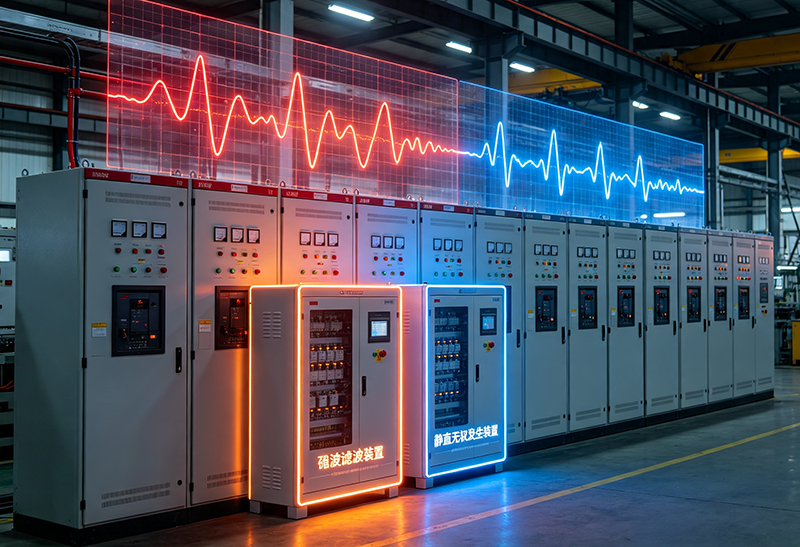
Moderne Industrieanlagen sind stark auf Leistungselektronik angewiesen, Variable Frequenzantriebe (VFDs), Servosysteme, USV-Einheiten, Ladegeräte für Elektrofahrzeuge, Roboter-Produktionslinien, und erneuerbare Energiesysteme. Während diese Technologien die Effizienz und Produktivität verbessern, Sie bringen auch neue Herausforderungen bei der Stromqualität mit sich, die herkömmliche Kondensatorbatterien nicht mehr effektiv lösen können.
Als leitender Elektroingenieur bei Coepower, Ich erhalte häufig die gleiche Frage von Kunden:
“Sollten wir ein installieren? Aktiver harmonischer Filter (Ahf), A Statischer VAR -Generator (Svg), oder beides?”
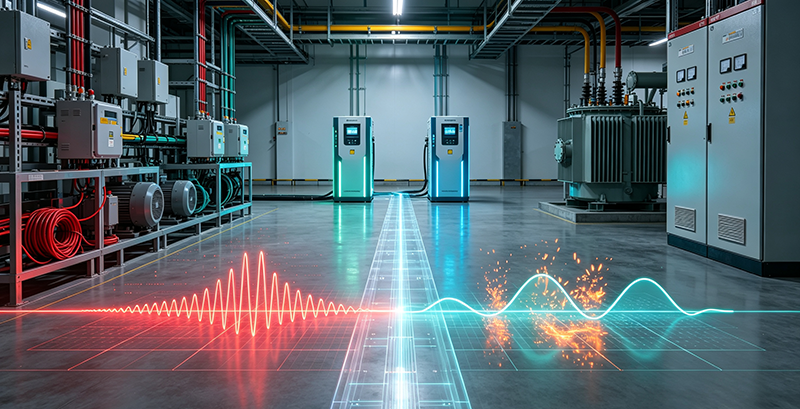
Die Antwort hängt vollständig von den Problemen mit der Stromqualität in Ihrem elektrischen System ab. Durch die Installation der falschen Lösung kann Geld verschwendet werden, während das eigentliche Problem nicht gelöst wird.
In diesem Ratgeber, Ich erkläre die Unterschiede zwischen aktiven harmonischen Filtern und statischen Var-Generatoren, wie sie funktionieren, ihre idealen Einsatzmöglichkeiten, und wie Sie feststellen können, ob Ihre Einrichtung eines oder beides benötigt.
Die heutigen Probleme mit der Stromqualität verstehen
Die Stromqualität umfasst im Allgemeinen vier Hauptprobleme:
- Harmonische Verzerrung
- Niedriger Leistungsfaktor
- Spannungsschwankungen
- Dreiphasiges Ungleichgewicht
In modernen Fabriken, Diese Probleme treten häufig gleichzeitig auf.
Zu den gängigen Quellen gehören::
- Variable Frequenzantriebe (VFDs)
- Servomotoren
- UPS -Systeme
- CNC -Maschinen
- Schweißausrüstung
- Rechenzentren
- Wechselrichter für erneuerbare Energien
- EV -Ladestationen
- Medizinische Bildgebungsgeräte
Diese nichtlinearen Lasten erzeugen Oberschwingungsströme und verbrauchen gleichzeitig Blindleistung, was zu höheren Stromkosten führt, Überhitzung der Ausrüstung, Überlastung des Transformators, und unerwartete Ausfallzeiten.
Was ist ein aktiver harmonischer Filter (Ahf)?
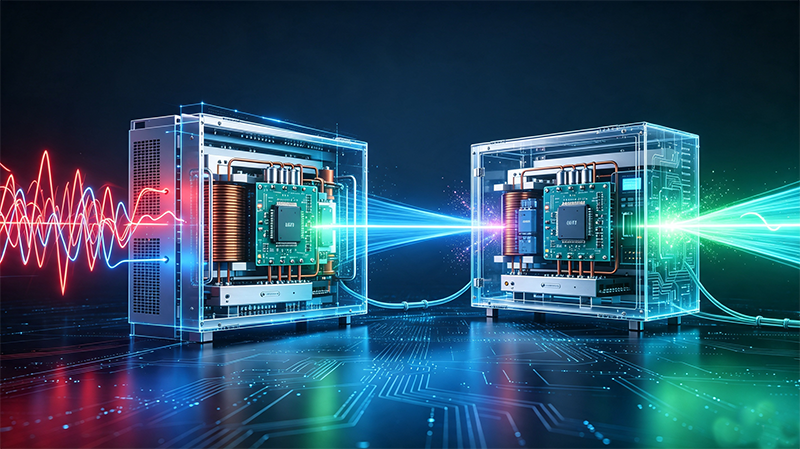
Ein Aktiver harmonischer Filter (Ahf) ist ein intelligentes leistungselektronisches Gerät, das Oberschwingungsströme in Echtzeit eliminiert.
Anstatt passive Induktivitäten und Kondensatoren zu verwenden, die auf bestimmte Frequenzen abgestimmt sind, Ein AHF überwacht kontinuierlich den Laststrom und speist gleiche, aber entgegengesetzte Oberschwingungsströme in das Stromnetz ein.
Die unerwünschten Oberschwingungen werden wirksam unterdrückt, bevor sie sich im gesamten Stromnetz ausbreiten können.
Hauptfunktionen eines aktiven harmonischen Filters
- Eliminieren Sie Harmonische der 2.–50. Ordnung
- Reduzieren Sie die Gesamtharmonische Verzerrung (Thd)
- Vermeiden Sie eine Überhitzung des Transformators
- Schützen Sie empfindliche Geräte
- Neutralleiterstrom reduzieren
- Verbessern Sie die Zuverlässigkeit des Stromversorgungssystems
- Verlängern Sie die Lebensdauer Ihrer Geräte
Moderne AHFs können Oberschwingungskompensationseffizienzen von mehr als erreichen 95%, Damit eignen sie sich ideal für Einrichtungen mit schnell wechselnden Lasten.
Typische Anwendungen für aktive harmonische Filter
AHFs werden üblicherweise in installiert:
- Produktionsstätten
- Rechenzentren
- Halbleiterfabriken
- Krankenhäuser
- Handelsgebäude
- Wasseraufbereitungsanlagen
- Öl & Gasanlagen
- Stahlwerke
- Bergbaubetriebe
- EV -Ladestationen
In diesen Umgebungen gibt es erhebliche nichtlineare Lasten, die kontinuierlich Oberschwingungen erzeugen.
Was ist ein statischer Var-Generator? (Svg)?
A Statischer VAR -Generator (Svg) ist ein fortschrittliches Blindleistungskompensationsgerät zur dynamischen Verbesserung des Leistungsfaktors.
Im Gegensatz zu herkömmlichen Kondensatorbänken, Ein SVG nutzt Hochgeschwindigkeits-IGBT-Technologie, um je nach Lastbedarf sofort voreilenden oder nacheilenden Blindstrom zu erzeugen.
Anstatt darauf zu warten, dass Schütze die Kondensatorstufen schalten, ein SVG antwortet innerhalb von Millisekunden.
Dies ermöglicht eine kontinuierliche, Präzise Leistungsfaktorkorrektur ohne Überkompensation.
Hauptfunktionen einer SVG
Ein SVG bietet mehrere wichtige Vorteile:
- Dynamische Blindleistungskompensation
- Leistungsfaktorkorrektur bis zu 0.99
- Spannungsstabilisierung
- Reduzierung von Leitungsverlusten
- Erhöhte Auslastung der Transformatorkapazität
- Verbesserte Energieeffizienz
- Kompensation induktiver und kapazitiver Lasten
Im Gegensatz zu Kondensatorbänken, SVGs sind von harmonischer Resonanz unbeeinflusst und bleiben auch unter schnell schwankenden Lasten stabil.
Typische Anwendungen für statische Var-Generatoren
SVGs schneiden außergewöhnlich gut ab:
- Automobilbau
- Stahlwerke
- Zementwerke
- Textilfabriken
- Ports
- Flughäfen
- Windparks
- Solarkraftwerke
- Gewerbekomplexe
- Große HVAC-Systeme
Jede Installation mit schwankenden induktiven Lasten kann erheblich von der SVG-Technologie profitieren.
Aktiver harmonischer Filter vs. statischer Var-Generator
| Besonderheit | Aktiver harmonischer Filter (Ahf) | Statischer VAR -Generator (Svg) |
| Primärfunktion | Harmonische Minderung | Reaktive Leistungskompensation |
| Löst Harmonische | ✔ Ausgezeichnet | ✘ Nein |
| Verbessert den Leistungsfaktor | Beschränkt | ✔ Ausgezeichnet |
| Spannungsstabilität | Mäßig | Exzellent |
| Dynamische Reaktion | <1 MS | <10 MS |
| Beseitigt Resonanz | ✔ Ja | ✔ Besser als Kondensatorbänke |
| Am besten für | Nichtlineare Lasten | Niedriger Leistungsfaktor |
| Hauptvorteil | Geringerer THD | Niedrigere Blindleistungsgebühren |
Ein häufiges Missverständnis ist, dass ein SVG Oberwellen eliminieren kann.
Es kann nicht.
Ähnlich, während einige AHFs eine begrenzte Blindleistungskompensation bieten können, Ihr Hauptzweck ist die Oberwellenunterdrückung und nicht die vollständige Leistungsfaktorkorrektur.
Wann sollten Sie einen aktiven harmonischen Filter installieren??
Ein AHF ist die richtige Wahl, wenn in Ihrer Einrichtung Probleme auftreten:
Hohe harmonische Verzerrung
Typische Indikatoren sind::
- THDi > 20%
- THDv übertrifft IEEE 519 Empfehlungen
- Häufige Unterbrecherauslösungen
- Überhitzung des Transformators
- Motorüberhitzung
- Fehlfunktion empfindlicher Geräte
Große Anzahl von VFDs
In Anlagen mit vielen drehzahlgeregelten Antrieben kommt es häufig zu starker Oberschwingungsbelastung.
USV-Systeme
Große USV-Anlagen erzeugen erhebliche Oberschwingungsströme.
Rechenzentren
Server, Schaltnetzteile, und USV-Systeme erzeugen kontinuierlich Oberschwingungen.
Produktionslinien mit Leistungselektronik
Die moderne automatisierte Fertigung ist stark auf Wechselrichter und Servoantriebe angewiesen.
Wann sollten Sie einen statischen Var-Generator installieren??
Ein SVG wird empfohlen, wenn:
Niedriger Leistungsfaktor erhöht die Stromrechnung
Versorgungsunternehmen verhängen häufig Strafen, wenn der Leistungsfaktor unter die erforderlichen Werte fällt.
Ein SVG kann den Leistungsfaktor nahe eins verbessern.
Schnell wechselnde Lasten
Beispiele hierfür sind:
- Kräne
- Aufzüge
- Punktschweißen
- Kompressoren
- Spritzgießmaschinen
Herkömmliche Kondensatorbatterien können nicht schnell genug reagieren.
Spannungsschwankungen
SVGs bieten dynamische reaktive Unterstützung zur Spannungsstabilisierung.
Ausfälle der Kondensatorbank
Viele Einrichtungen ersetzen alternde Kondensatorbänke durch SVGs, weil SVGs:
- erfordern weniger Wartung,
- Eliminieren Sie Schalttransienten, Und
- Vermeiden Sie eine Verschlechterung des Kondensators.
Wann sollten Sie sowohl ein AHF als auch ein SVG installieren??
In vielen Industrieanlagen, Es bestehen gleichzeitig Probleme mit der harmonischen Verzerrung und der Blindleistung.
Typische Beispiele sind::
- Automobilbau
- Stahlproduktion
- Halbleiterfertigung
- Rechenzentren
- Petrochemische Anlagen
- Intelligente Fabriken
- EV -Ladestationen
In diesen Fällen, Die Installation beider Technologien liefert langfristig die besten Ergebnisse.
Vorteile eines kombinierten AHF + SVG-Lösung
Durch die Integration eines aktiven harmonischen Filters mit einem statischen Var-Generator, Einrichtungen erreichen können:
- Harmonische Unterdrückung
- Dynamische Leistungsfaktorkorrektur
- Reduzierte Stromstrafen
- Verbesserte Spannungsstabilität
- Niedrigere Transformatortemperatur
- Erhöhte Systemeffizienz
- Längere Lebensdauer der Ausrüstung
- Höhere Produktionssicherheit
- Einhaltung von IEEE 519 und andere Stromqualitätsstandards
Viele moderne Power-Quality-Schränke integrieren sowohl AHF- als auch SVG-Module in einer kompakten Lösung, Reduzierung des Installationsraums bei gleichzeitiger Vereinfachung der Wartung.
Warum herkömmliche Kondensatorbänke nicht mehr ausreichen
Seit Jahrzehnten, Kondensatorbänke waren die Standardlösung für die Leistungsfaktorkorrektur.
Jedoch, Die heutigen elektrischen Systeme unterscheiden sich grundlegend.
Kondensatorbänke unterliegen mehreren Einschränkungen:
- Langsame Reaktionsgeschwindigkeit
- Mechanischer Kontaktverschleiß
- Gefahr harmonischer Resonanz
- Feste Vergütungsschritte
- Schlechte Leistung bei schwankender Belastung
Wenn Einrichtungen die Automatisierung übernehmen, erneuerbare Energie, und digitale Fertigung, Intelligente Kompensationsgeräte sind zur bevorzugten Lösung geworden.
SVGs und AHFs bieten Echtzeitkompensation ohne die Nachteile herkömmlicher Kondensatorbänke.
Wie CoEpower zur Verbesserung der Stromqualität beiträgt
Bei Coepower, Wir verstehen, dass jedes elektrische System einzigartig ist. Die Auswahl der richtigen Stromqualitätslösung erfordert mehr als nur die Auswahl eines Produkts – sie erfordert eine gründliche Analyse Ihres Stromnetzes.
Unser Engineering-Team beginnt mit der Bewertung wichtiger Parameter wie z:
- Gesamtharmonische Verzerrung (Thd)
- Leistungsfaktor
- Profil laden
- Transformatorbelastung
- Spannungsschwankungen
- Reaktive Kraftbedarf
- Zukünftige Kapazitätserweiterung
Basierend auf dieser Einschätzung, Wir empfehlen die kostengünstigste Lösung:
- Aktiver harmonischer Filter zur harmonischen Abschwächung,
- Statischer VAR -Generator zur dynamischen Blindleistungskompensation, oder
- Ein kombiniertes AHF + SVG-Lösung zur umfassenden Verbesserung der Netzqualität.
Unsere Systeme verfügen über eine fortschrittliche DSP-Steuerung, schnelle dynamische Reaktion, Modularer Aufbau für flexible Kapazitätserweiterung, und zuverlässige Leistung in anspruchsvollen Industrieumgebungen. Ganz gleich, ob Ihre Einrichtung ein bestehendes elektrisches System modernisiert oder eine neue Installation plant, CoEpower-Lösungen helfen, Energieverluste zu reduzieren, Verbesserung der Gerätezuverlässigkeit, und stellen Sie die langfristige Einhaltung internationaler Stromqualitätsstandards sicher.
Letzte Gedanken
Es gibt keine universelle Lösung für Probleme mit der Stromqualität.
Wenn Ihre Einrichtung hauptsächlich mit harmonischen Verzerrungen zu kämpfen hat, ein Aktiver harmonischer Filter ist die richtige Investition.
Wenn ein schlechter Leistungsfaktor und schwankende Blindleistung die Betriebskosten erhöhen, A Statischer VAR -Generator bietet eine effektivere Lösung als herkömmliche Kondensatorbatterien.
Jedoch, In vielen modernen Industrieanlagen treten beide Probleme gleichzeitig auf. In diesen Fällen, Die Kombination eines AHF mit einem SVG liefert ein Höchstmaß an Stromqualität, verbesserte Systemzuverlässigkeit, Reduzierte Energiekosten, und besseren Schutz für kritische elektrische Geräte.
Da industrielle Energiesysteme immer komplexer werden, Ein proaktives Stromqualitätsmanagement ist nicht mehr optional – es ist für die Maximierung der Effizienz unerlässlich, Ausfallzeiten minimieren, und Unterstützung nachhaltiger Abläufe.
Häufig gestellte Fragen (FAQ)
Kann ein aktiver harmonischer Filter einen statischen Var-Generator ersetzen??
Nicht ganz. Während einige AHFs eine begrenzte Blindleistungskompensation bieten können, Sie dienen in erster Linie dazu, Oberschwingungen zu eliminieren. Für eine deutliche Leistungsfaktorkorrektur, ein SVG ist die bessere Lösung.
Eliminiert ein SVG Oberwellen??
NEIN. Ein SVG soll Blindleistung kompensieren und die Spannung stabilisieren. Eine aktive Unterdrückung von Oberschwingungsströmen erfolgt nicht.
Kann ich sowohl einen AHF als auch einen SVG im selben elektrischen System verwenden??
Ja. Tatsächlich, Viele Industrieanlagen profitieren von der Installation beider Geräte, um gleichzeitig harmonische Verzerrungen und Blindleistungskompensation zu beheben.
Sind AHFs und SVGs besser als Kondensatorbänke??
Für moderne elektrische Systeme mit nichtlinearen und schnell wechselnden Lasten, AHFs und SVGs bieten eine schnellere Reaktion, größere Genauigkeit, und verbesserte Zuverlässigkeit im Vergleich zu herkömmlichen Kondensatorbatterien.
Schlüsselwort-Tags
Aktiver harmonischer Filter, Ahf, Statischer VAR -Generator, Svg, Verbesserung der Stromqualität, Leistungsfaktorkorrektur, Harmonischer Filter, Reaktive Leistungskompensation, Harmonische Minderung, Gesamtharmonische Verzerrung, THD-Reduzierung, Dynamische Blindleistungskompensation, Austausch der Kondensatorbank, Industrielle Stromqualität, Lösungen für die Qualität der elektrischen Energie, IEEE 519 Einhaltung, Power-Quality-Ausrüstung, Coepower, Intelligente Fabrikstromqualität, Energieeffizienz, Spannungsstabilisierung, Lieferanten, Hersteller, Fabrik, Unternehmen, China, Großhandel, kaufen, Preis, Zitat, Schüttgut, zu verkaufen, Unternehmen, Aktie, kosten.
Verwandte Produkte
Verwandte Blogs
Holen Sie sich noch heute ein Angebot ein