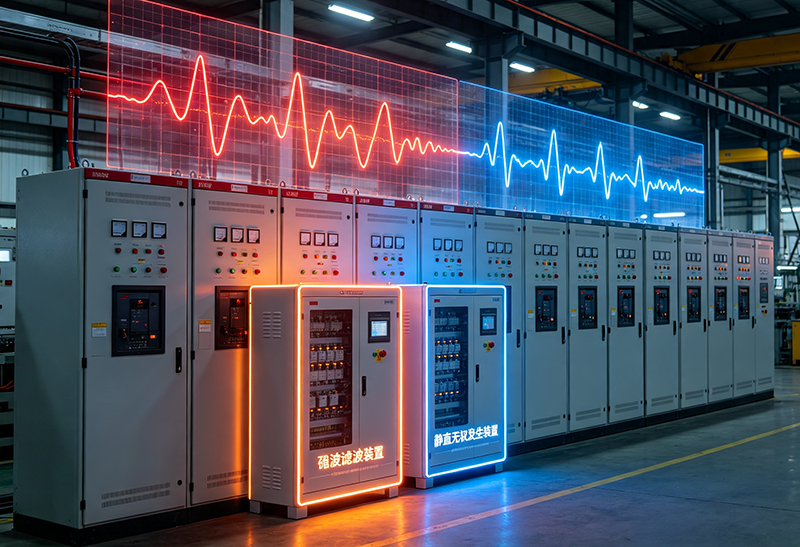
As instalações industriais modernas dependem fortemente da eletrônica de potência, unidades de frequência variáveis (Vfds), sistemas servo, Unidades UPS, Chargers de EV, linhas de produção robótica, e sistemas de energia renovável. Embora essas tecnologias melhorem a eficiência e a produtividade, eles também introduzem novos desafios de qualidade de energia que os bancos de capacitores tradicionais não conseguem mais resolver de forma eficaz.
Como engenheiro elétrico sênior da Coepower, Frequentemente recebo a mesma pergunta de clientes:
“Devemos instalar um Filtro harmônico ativo (Ahf), um Gerador Var estático (Svg), ou ambos?”
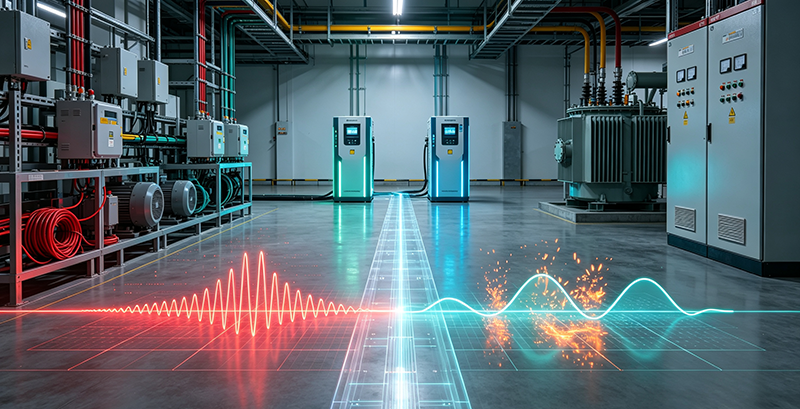
A resposta depende inteiramente dos problemas de qualidade de energia presentes no seu sistema elétrico. Instalar a solução errada pode desperdiçar dinheiro e não resolver o problema real.
Neste guia, Explicarei as diferenças entre filtros harmônicos ativos e geradores de var estáticos, como eles funcionam, suas aplicações ideais, e como determinar se sua instalação requer um ou ambos.
Compreendendo os problemas atuais de qualidade de energia
A qualidade da energia geralmente envolve quatro questões principais:
- Distorção harmônica
- Baixo fator de potência
- Flutuações de tensão
- Desequilíbrio trifásico
Nas fábricas modernas, esses problemas geralmente ocorrem simultaneamente.
Fontes comuns incluem:
- Unidades de frequência variáveis (Vfds)
- Servomotores
- Sistemas UPS
- Máquinas CNC
- Equipamento de soldagem
- Data centers
- Inversores de energia renovável
- Estações de carregamento de EV
- Equipamento de imagem médica
Essas cargas não lineares geram correntes harmônicas enquanto consomem energia reativa, resultando em custos de eletricidade mais elevados, superaquecimento do equipamento, sobrecarga do transformador, e tempo de inatividade inesperado.
O que é um filtro harmônico ativo (Ahf)?
Um Filtro harmônico ativo (Ahf) é um dispositivo eletrônico de potência inteligente projetado para eliminar correntes harmônicas em tempo real.
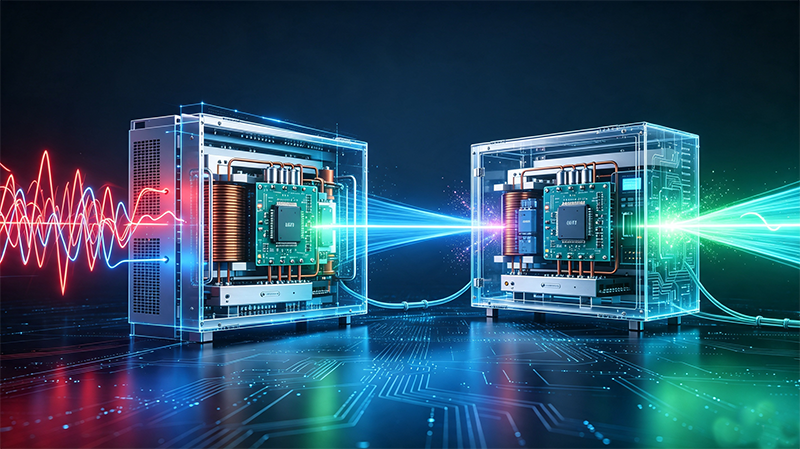
Em vez de usar indutores passivos e capacitores sintonizados em frequências específicas, um AHF monitora continuamente a corrente de carga e injeta correntes harmônicas iguais, mas opostas, na rede elétrica.
Os harmônicos indesejados são efetivamente cancelados antes que possam se propagar por todo o sistema de potência..
Principais funções de um filtro harmônico ativo
- Elimine harmônicos de 2ª a 50ª ordem
- Reduza a distorção harmônica total (Thd)
- Evite o superaquecimento do transformador
- Proteja equipamentos sensíveis
- Reduza a corrente do condutor neutro
- Melhore a confiabilidade do sistema de energia
- Prolongue a vida útil do equipamento
Os AHFs modernos podem alcançar eficiências de compensação harmônica superiores 95%, tornando-os ideais para instalações com cargas que mudam rapidamente.
Aplicações típicas para filtros harmônicos ativos
AHFs são comumente instalados em:
- Fábricas
- Data centers
- Fábricas de semicondutores
- Hospitais
- Edifícios comerciais
- Instalações de tratamento de água
- Óleo & instalações de gás
- Plantas de aço
- Operações de mineração
- Estações de carregamento de EV
Esses ambientes contêm cargas não lineares significativas que geram harmônicos continuamente.
O que é um gerador de Var estático (Svg)?
UM Gerador Var estático (Svg) é um dispositivo avançado de compensação de potência reativa projetado para melhorar dinamicamente o fator de potência.
Ao contrário dos bancos de capacitores convencionais, um SVG usa tecnologia IGBT de alta velocidade para gerar corrente reativa adiantada ou atrasada instantaneamente de acordo com a demanda de carga.
Em vez de esperar que os contatores comutem os estágios do capacitor, um SVG responde em milissegundos.
Isto permite contínua, correção precisa do fator de potência sem sobrecompensação.
Principais funções de um SVG
Um SVG oferece vários benefícios importantes:
- Compensação dinâmica de potência reativa
- Correção do fator de potência até 0.99
- Estabilização de tensão
- Redução de perdas de linha
- Maior utilização da capacidade do transformador
- Melhor eficiência energética
- Compensação de cargas indutivas e capacitivas
Ao contrário dos bancos de capacitores, SVGs não são afetados pela ressonância harmônica e permanecem estáveis sob cargas rapidamente flutuantes.
Aplicações típicas para geradores Var estáticos
SVGs funcionam excepcionalmente bem em:
- Fabricação automotiva
- Siderúrgicas
- Fábricas de cimento
- Fábricas têxteis
- Portas
- Aeroportos
- Parques eólicos
- Usinas de energia solar
- Complexos comerciais
- Grandes sistemas HVAC
Qualquer instalação com cargas indutivas flutuantes pode beneficiar significativamente da tecnologia SVG.
Filtro Harmônico Ativo vs Gerador Var Estático
| Recurso | Filtro harmônico ativo (Ahf) | Gerador Var estático (Svg) |
| Função primária | Mitigação harmônica | Compensação de energia reativa |
| Resolve Harmônicos | ✔ Excelente | ✘ Não |
| Melhora o fator de potência | Limitado | ✔ Excelente |
| Estabilidade de Tensão | Moderado | Excelente |
| Resposta Dinâmica | <1 EM | <10 EM |
| Elimina ressonância | ✔ Sim | ✔ Melhor que bancos de capacitores |
| Melhor para | Cargas não lineares | Baixo fator de potência |
| Benefício Principal | THD mais baixo | Cargas de energia reativa mais baixas |
Um equívoco comum é que um SVG pode eliminar harmônicos.
Não pode.
De forma similar, enquanto alguns AHFs podem fornecer compensação limitada de potência reativa, seu objetivo principal é a supressão harmônica em vez da correção total do fator de potência.
Quando você deve instalar um filtro harmônico ativo?
Um AHF é a escolha certa se suas instalações apresentarem:
Alta Distorção Harmônica
Indicadores típicos incluem:
- THDi > 20%
- THDv excedendo IEEE 519 recomendações
- Viagens frequentes do disjuntor
- Superaquecimento do transformador
- Superaquecimento do motor
- Mau funcionamento de equipamento sensível
Grande número de VFDs
Instalações com muitos acionamentos de velocidade variável frequentemente sofrem poluição harmônica severa.
Sistemas UPS
Grandes instalações UPS produzem correntes harmônicas significativas.
Data centers
Servidores, fontes de alimentação comutadas, e sistemas UPS geram harmônicos continuamente.
Linhas de Produção com Eletrônica de Potência
A fabricação automatizada moderna depende fortemente de inversores e servoacionamentos.
Quando você deve instalar um gerador de Var estático?
Um SVG é recomendado quando:
Baixo fator de potência aumenta contas de eletricidade
As concessionárias muitas vezes impõem penalidades quando o fator de potência cai abaixo dos níveis exigidos.
Um SVG pode melhorar o fator de potência próximo da unidade.
Cargas que mudam rapidamente
Exemplos incluem:
- Guindastes
- Elevadores
- Soldagem a ponto
- Compressores
- Máquinas de moldagem por injeção
Os bancos de capacitores tradicionais não conseguem responder com rapidez suficiente.
Flutuação de tensão
SVGs fornecem suporte reativo dinâmico para estabilizar a tensão.
Falhas no banco de capacitores
Muitas instalações substituem bancos de capacitores antigos por SVGs porque os SVGs:
- requerem menos manutenção,
- eliminar transientes de comutação, e
- evitar a degradação do capacitor.
Quando você deve instalar um AHF e um SVG?
Em muitas instalações industriais, tanto a distorção harmônica quanto os problemas de potência reativa existem simultaneamente.
Exemplos típicos incluem:
- Fabricação automotiva
- Produção de aço
- Fabricação de semicondutores
- Data centers
- Plantas petroquímicas
- Fábricas inteligentes
- Estações de carregamento de EV
Nestes casos, instalar ambas as tecnologias oferece os melhores resultados a longo prazo.
Benefícios de um AHF combinado + Solução SVG
Integrando um filtro harmônico ativo com um gerador de var estático, instalações podem alcançar:
- Supressão harmônica
- Correção dinâmica do fator de potência
- Penalidades de eletricidade reduzidas
- Estabilidade de tensão melhorada
- Temperatura mais baixa do transformador
- Maior eficiência do sistema
- Maior vida útil do equipamento
- Maior confiabilidade de produção
- Conformidade com IEEE 519 e outros padrões de qualidade de energia
Muitos gabinetes modernos de qualidade de energia integram módulos AHF e SVG em uma solução compacta, reduzindo o espaço de instalação e simplificando a manutenção.
Por que os bancos de capacitores tradicionais não são mais suficientes
Durante décadas, bancos de capacitores eram a solução padrão para correção do fator de potência.
No entanto, os sistemas elétricos de hoje são dramaticamente diferentes.
Os bancos de capacitores têm várias limitações:
- Velocidade de resposta lenta
- Desgaste de contato mecânico
- Risco de ressonância harmônica
- Etapas de remuneração fixa
- Baixo desempenho sob cargas flutuantes
À medida que as instalações adotam a automação, energia renovável, e fabricação digital, dispositivos de compensação inteligentes tornaram-se a solução preferida.
SVGs e AHFs fornecem compensação em tempo real sem as desvantagens associadas aos bancos de capacitores convencionais.
Como o CoEpower ajuda a melhorar a qualidade da energia
No Coepower, entendemos que cada sistema elétrico é único. Selecionar a solução certa de qualidade de energia requer mais do que simplesmente escolher um produto – requer uma análise completa da sua rede elétrica.
Nossa equipe de engenharia começa avaliando parâmetros-chave, como:
- Distorção Harmônica Total (Thd)
- Fator de potência
- Carregar perfil
- Carregamento do transformador
- Flutuações de tensão
- Demanda de energia reativa
- Expansão futura da capacidade
Com base nesta avaliação, recomendamos a solução mais econômica:
- Filtro harmônico ativo para mitigação harmônica,
- Gerador Var estático para compensação dinâmica de potência reativa, ou
- Um AHF combinado + Solução SVG para melhoria abrangente da qualidade da energia.
Nossos sistemas apresentam controle DSP avançado, resposta dinâmica rápida, design modular para expansão flexível da capacidade, e desempenho confiável em ambientes industriais exigentes. Quer sua instalação esteja atualizando um sistema elétrico existente ou projetando uma nova instalação, As soluções CoEpower ajudam a reduzir as perdas de energia, melhorar a confiabilidade do equipamento, e garantir a conformidade a longo prazo com os padrões internacionais de qualidade de energia.
Considerações Finais
Não existe uma solução universal para problemas de qualidade de energia.
Se a sua instalação luta principalmente com distorção harmônica, um Filtro harmônico ativo é o investimento adequado.
Se o fator de potência fraco e a potência reativa flutuante estiverem aumentando os custos operacionais, um Gerador Var estático oferece uma solução mais eficaz do que os bancos de capacitores convencionais.
No entanto, muitas instalações industriais modernas enfrentam ambos os problemas simultaneamente. Nestes casos, combinar um AHF com um SVG oferece o mais alto nível de qualidade de energia, maior confiabilidade do sistema, custos de energia reduzidos, e melhor proteção para equipamentos elétricos críticos.
À medida que os sistemas de energia industriais se tornam cada vez mais complexos, O gerenciamento proativo da qualidade da energia não é mais opcional – é essencial para maximizar a eficiência, minimizando o tempo de inatividade, e apoiando operações sustentáveis.
Perguntas frequentes (Perguntas frequentes)
Um filtro harmônico ativo pode substituir um gerador de var estático?
Não completamente. Embora alguns AHFs possam fornecer compensação limitada de potência reativa, eles são projetados principalmente para eliminar harmônicos. Para correção significativa do fator de potência, um SVG é a melhor solução.
Um SVG elimina harmônicos?
Não. Um SVG é projetado para compensar a potência reativa e estabilizar a tensão. Não suprime ativamente as correntes harmônicas.
Posso usar um AHF e um SVG no mesmo sistema elétrico??
Sim. Na verdade, muitas instalações industriais se beneficiam da instalação de ambos os dispositivos para lidar com a distorção harmônica e a compensação de potência reativa simultaneamente.
AHFs e SVGs são melhores que bancos de capacitores??
Para sistemas elétricos modernos com cargas não lineares e que mudam rapidamente, AHFs e SVGs oferecem resposta mais rápida, maior precisão, e maior confiabilidade em comparação com bancos de capacitores convencionais.
Tags de palavras-chave
Filtro harmônico ativo, Ahf, Gerador Var estático, Svg, Melhoria da qualidade de energia, Correção do fator de potência, Filtro Harmônico, Compensação de energia reativa, Mitigação harmônica, Distorção Harmônica Total, Redução do THD, Compensação de energia reativa dinâmica, Substituição de banco de capacitores, Qualidade de energia industrial, Soluções de qualidade de energia elétrica, IEEE 519 Conformidade, Equipamento de qualidade de energia, Coepower, Qualidade de energia de fábrica inteligente, Eficiência energética, Estabilização de tensão, fornecedores, Fabricantes, fábrica, empresa, China, atacado, comprar, preço, cotação, volume, à venda, empresas, estoque, custo.
Produtos relacionados
Blogs relacionados
Obtenha uma cotação hoje