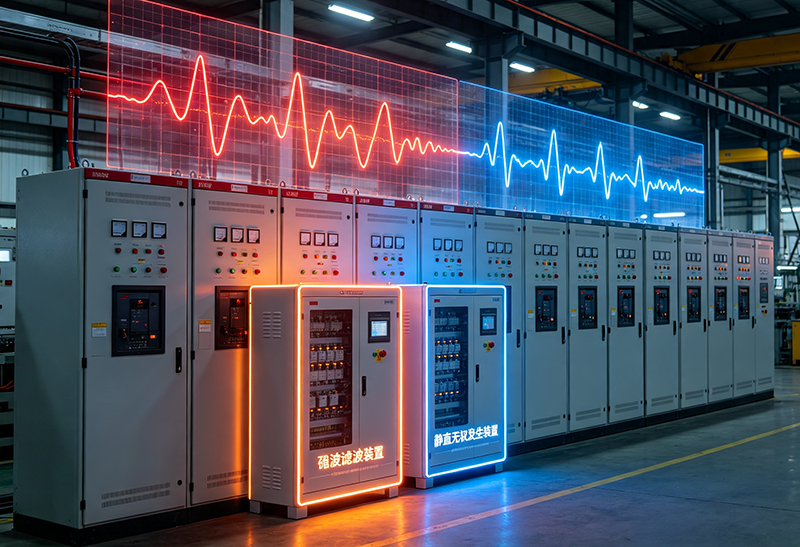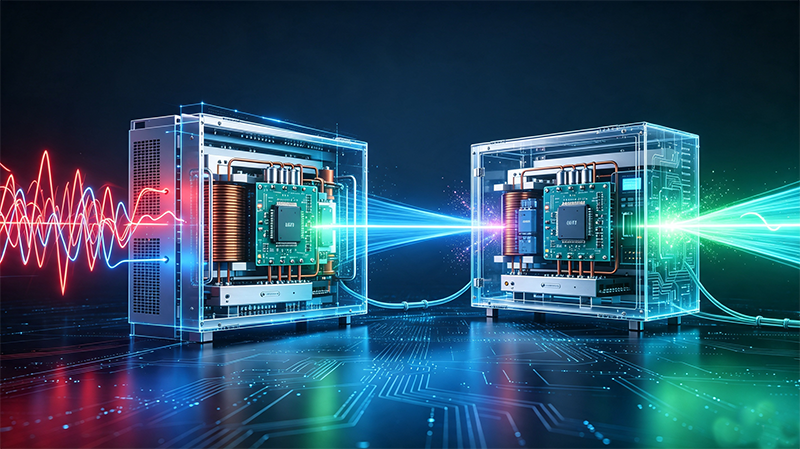
เมื่อวิศวกรค้นหาคำว่า “STATCOM vs SVG,” พวกเขามักจะพบกับคำอธิบายที่ขัดแย้งกัน. บางบทความก็บอกว่าเหมือนกัน. คนอื่นมองว่ามันเป็นเทคโนโลยีที่แตกต่างอย่างสิ้นเชิง. ในระบบไฟฟ้าในโลกแห่งความเป็นจริง, คำตอบนั้นเหมาะสมยิ่งขึ้น.
ในฐานะวิศวกรคุณภาพไฟฟ้าอาวุโสที่ CoEpower, ฉันเคยทำงานในโครงการชดเชยพลังงานรีแอกทีฟในโรงไฟฟ้าพลังงานหมุนเวียน, โรงงานอุตสาหกรรม, สถานีย่อย, โรงสีเหล็ก, การดำเนินการเหมืองแร่, และศูนย์ข้อมูล. หนึ่งในคำถามที่พบบ่อยที่สุดจากผู้รับเหมา EPC และที่ปรึกษาด้านไฟฟ้าก็คือ:
“เราควรใช้ STATCOM หรือ SVG สำหรับโปรเจ็กต์นี้?-
บทความนี้จะอธิบายความแตกต่างทางวิศวกรรมเชิงปฏิบัติระหว่าง STATCOM และ SVG, รวมถึงหลักการทำงาน, ความเร็วในการตอบสนอง, ความสามารถในการรองรับแรงดันไฟฟ้า, ประสิทธิภาพฮาร์มอนิก, การพิจารณาต้นทุน, และงานอุตสาหกรรม.
สเตทคอมคืออะไร?
อัน สต็อกคอม (เครื่องชดเชยแบบซิงโครนัสแบบคงที่) เป็นข้อเท็จจริงที่มีประสิทธิภาพสูง (ระบบส่งกำลัง AC แบบยืดหยุ่น) อุปกรณ์ที่ใช้ในการชดเชยกำลังไฟฟ้ารีแอกทีฟแบบไดนามิกและการควบคุมแรงดันไฟฟ้าในระบบโครงข่ายไฟฟ้า.
โดยทั่วไประบบ STATCOM จะใช้:
- ตัวแปลงแหล่งจ่ายแรงดันไฟฟ้า (วีเอสซี)
- โมดูลพลังงาน IGBT
- ธนาคารตัวเก็บประจุกระแสตรง
- อัลกอริธึมการควบคุมดิจิทัลขั้นสูง
- หม้อแปลงข้อต่อ
วัตถุประสงค์หลักของ STATCOM คือ:
- ปรับแรงดันไฟฟ้าของกริดให้คงที่
- ปรับปรุงตัวประกอบกำลัง
- ลดการสั่นไหวของแรงดันไฟฟ้า
- สนับสนุนการบูรณาการพลังงานทดแทน
- เพิ่มเสถียรภาพชั่วคราว
- ให้การชดเชยพลังงานปฏิกิริยาที่รวดเร็ว
หลักการแลกเปลี่ยนพลังงานปฏิกิริยาสามารถทำให้ง่ายขึ้นได้ดังนี้:
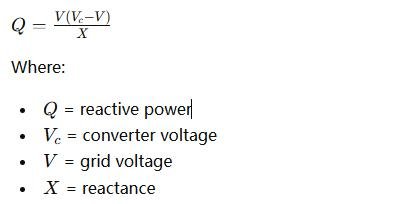
เมื่อแรงดันคอนเวอร์เตอร์เกินแรงดันของระบบ, พลังงานปฏิกิริยาแบบคาปาซิทีฟจะถูกฉีดเข้าไปในกริด. เมื่อต่ำลง, พลังงานปฏิกิริยาอุปนัยถูกดูดซับ.
SVG คืออะไร?
SVG ย่อมาจาก Static Var Generator.
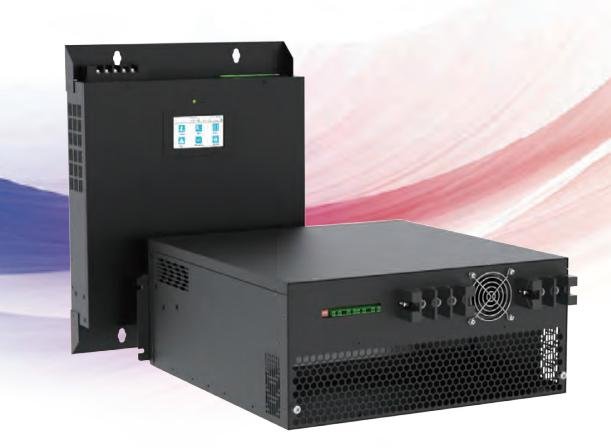
ในตลาดอุตสาหกรรมหลายแห่ง, โดยเฉพาะในเอเชียและการใช้งานด้านคุณภาพไฟฟ้าแรงดันต่ำ, SVG หมายถึงอุปกรณ์ชดเชยพลังงานรีแอกทีฟแบบไดนามิกที่ใช้เทคโนโลยี VSC แบบเดียวกับที่ใช้ในระบบ STATCOM.
ระบบ SVG มีการใช้กันอย่างแพร่หลายสำหรับ:
- การแก้ไขปัจจัยพลังงาน
- การชดเชยพลังงานปฏิกิริยา
- การปราบปรามฮาร์มอนิก
- การแก้ไขความไม่สมดุลสามเฟส
- การเพิ่มประสิทธิภาพการใช้พลังงาน
ในคำศัพท์ทางอุตสาหกรรมเชิงปฏิบัติ:
- STATCOM โดยทั่วไปเกี่ยวข้องกับการใช้งานแรงดันไฟฟ้าปานกลางและระดับการส่งผ่าน.
- SVG โดยทั่วไปเกี่ยวข้องกับระบบการชดเชยทางอุตสาหกรรมแรงดันต่ำ.
อย่างไรก็ตาม, ในทางเทคนิค, อุปกรณ์ทั้งสองมีหลักการหลักที่คล้ายกันมาก.
สเตทคอม vs SVG: ความแตกต่างหลัก
ความสับสนที่ใหญ่ที่สุดทางออนไลน์ก็คือเว็บไซต์หลายแห่งทำให้ความสัมพันธ์ซับซ้อนเกินไป.
นี่คือความจริงทางวิศวกรรม:
| คุณสมบัติ | สต็อกคอม | SVG |
|---|---|---|
| ชื่อเต็ม | เครื่องชดเชยแบบซิงโครนัสแบบคงที่ | เครื่องกำเนิดไฟฟ้า |
| ระดับแรงดันไฟฟ้าทั่วไป | ปานกลาง & ไฟฟ้าแรงสูง | ต่ำ & แรงดันไฟฟ้าปานกลาง |
| แอปพลิเคชันหลัก | ความเสถียรของกริด & ระเบียบแรงดันไฟฟ้า | การแก้ไขตัวประกอบกำลังทางอุตสาหกรรม |
| เทคโนโลยี | ใช้ VSC | ใช้ VSC |
| ความเร็วในการตอบสนอง | รวดเร็วมาก | รวดเร็วมาก |
| รองรับแรงดันไฟฟ้าแบบไดนามิก | แข็งแกร่ง | ปานกลางถึงรุนแรง |
| การชดเชยฮาร์มอนิก | ความสามารถขั้นสูง | บูรณาการร่วมกัน |
| การติดตั้งทั่วไป | สถานีย่อยยูทิลิตี้, พืชหมุนเวียน | โรงงาน, อาคารพาณิชย์ |
| ความซับซ้อนของระบบ | สูงกว่า | ต่ำกว่า |
| ค่าใช้จ่าย | สูงกว่า | ประหยัดมากขึ้น |
ผู้ผลิตหลายรายใช้คำนี้แทนกันได้ เนื่องจากทั้งคู่พึ่งพาอุปกรณ์อิเล็กทรอนิกส์กำลังและการฉีดกำลังปฏิกิริยาแบบเรียลไทม์.
จากมุมมองทางวิศวกรรม:
- STATCOM มุ่งเน้นไปที่ความเสถียรแบบไดนามิกของกริดมากขึ้น
- SVG ให้ความสำคัญกับการชดเชยพลังงานปฏิกิริยาทางอุตสาหกรรมมากขึ้น
เหตุใดธนาคารตัวเก็บประจุแบบดั้งเดิมจึงไม่เพียงพออีกต่อไป
ธนาคารตัวเก็บประจุแบบธรรมดายังคงมีอยู่ในโรงงานหลายแห่ง, แต่โหลดแบบไม่เชิงเส้นสมัยใหม่ทำให้เกิดความท้าทายด้านคุณภาพกำลังใหม่:
- ไดรฟ์ความถี่ผันแปร (VFDS)
- เตาอาร์คไฟฟ้า
- มอเตอร์ขนาดใหญ่
- อุปกรณ์ซีเอ็นซี
- ศูนย์ข้อมูล
- สถานีชาร์จ EV
- อินเวอร์เตอร์พลังงานแสงอาทิตย์
- ตัวแปลงกังหันลม
โหลดเหล่านี้ผลิต:
- ฮาร์โมนิกส์
- ความผันผวนของแรงดันไฟฟ้า
- การเปลี่ยนแปลงพลังงานปฏิกิริยาอย่างรวดเร็ว
- กะพริบ
- ความไม่สมดุลสามเฟส
ธนาคารตัวเก็บประจุแบบเดิมไม่สามารถตอบสนองได้เร็วเพียงพอ.
การตอบสนองการสลับตัวเก็บประจุทั่วไป:
- 5–20 วินาที
การตอบสนอง SVG/STATCOM ทั่วไป:
- น้อยกว่า 10 มิลลิวินาที
ความแตกต่างของความเร็วนั้นมีความสำคัญอย่างยิ่งในกริดอัจฉริยะสมัยใหม่และกระบวนการทางอุตสาหกรรมที่มีความเร็วสูง.
STATCOM กับ SVG ในระบบพลังงานทดแทน
พลังงานทดแทนเป็นหนึ่งในแอปพลิเคชั่นที่เติบโตเร็วที่สุดสำหรับเทคโนโลยี STATCOM.
ฟาร์มโซลาร์ฟาร์มและฟาร์มกังหันลมสร้างสภาวะพลังงานปฏิกิริยาที่ไม่เสถียรเนื่องจากการผลิตมีการเปลี่ยนแปลงอย่างต่อเนื่อง.
STATCOM ช่วยด้วยการ:
- รองรับกริดที่อ่อนแอ
- รักษาแรงดันไฟฟ้า PCC ให้คงที่
- ประชุมรหัสกริดยูทิลิตี้
- ลดความผันผวนของแรงดันไฟฟ้า
- การปรับปรุงระบบขับขี่ผ่านแรงดันต่ำ (ลฟอาร์ที)
สำหรับโรงงานหมุนเวียนขนาดใหญ่เพื่อประโยชน์ใช้สอย, STATCOM มักเป็นข้อบังคับ.
ระบบ SVG นั้นพบได้ทั่วไปใน:
- พลังงานแสงอาทิตย์บนหลังคาเชิงพาณิชย์
- ระบบ PV อุตสาหกรรม
- โครงการผลิตแบบกระจาย
ความสามารถในการบรรเทาผลกระทบฮาร์มอนิก
ระบบ SVG สมัยใหม่มักจะมีฟังก์ชันการชดเชยฮาร์มอนิกด้วย.
ซึ่งทำให้พวกเขาสามารถจัดหาได้พร้อมๆ กัน:
- การชดเชยพลังงานปฏิกิริยา
- การกรองฮาร์มอนิก
- การปรับสมดุล
ในการใช้งานแรงดันไฟฟ้าต่ำจำนวนมาก, หน่วย SVG ถูกรวมเข้าด้วยกันด้วย:
- ตัวกรองฮาร์มอนิกที่ใช้งานอยู่ (อ่า)
- โมดูล APF
- ระบบการชดเชยแบบไฮบริด
ระบบ STATCOM ยังสามารถลดฮาร์โมนิคได้, โดยเฉพาะอย่างยิ่งในการติดตั้งระดับยูทิลิตี้ขั้นสูง.
เวลาตอบสนอง STATCOM เทียบกับ SVG
ข้อดีทางวิศวกรรมที่สำคัญที่สุดประการหนึ่งคือความเร็วในการตอบสนองแบบไดนามิก.
การตอบโต้<10MS
การชดเชยที่รวดเร็วเป็นพิเศษนี้ช่วยให้ได้:
- มอเตอร์สตาร์ทเสถียร
- แรงดันไฟฟ้าตกลดลง
- การปราบปรามการสั่นไหว
- ปรับปรุงความเสถียรของระบบการเชื่อม
- การทำงานของเครนดีขึ้น
- ประสิทธิภาพของเตาอาร์คที่เสถียร
นี่เป็นสิ่งสำคัญอย่างยิ่งใน:
- โรงงานเหล็ก
- สิ่งอำนวยความสะดวกการทำเหมืองแร่
- อุปกรณ์ท่าเรือ
- อุตสาหกรรมปิโตรเคมี
ไหนดีกว่ากัน: สแตทคอมหรือ SVG?
คำถามที่ถูกต้องไม่ใช่ “อันไหนดีกว่ากัน?-
คำถามทางวิศวกรรมที่แท้จริงคือ:
“อันไหนดีกว่าสำหรับการสมัครของคุณ?-
เลือก STATCOM หากคุณต้องการ:
- การควบคุมแรงดันไฟฟ้าระดับสาธารณูปโภค
- รองรับกริดส่งสัญญาณ
- การบูรณาการพลังงานทดแทน
- เสถียรภาพกริดแบบไดนามิก
- การชดเชยแรงดันไฟฟ้าปานกลาง/สูง
- การสนับสนุนกริดที่อ่อนแอ
เลือก SVG หากคุณต้องการ:
- การแก้ไขตัวประกอบกำลังทางอุตสาหกรรม
- การชดเชยพลังงานปฏิกิริยาที่รวดเร็ว
- การปรับปรุงประสิทธิภาพการใช้พลังงานของโรงงาน
- การบรรเทาฮาร์มอนิก
- การชดเชยปฏิกิริยาแรงดันต่ำ
- ต้นทุนโครงการที่ต่ำกว่า
การใช้งานทั่วไปของระบบ SVG
SVG ถูกนำมาใช้กันอย่างแพร่หลายใน:
- โรงงานผลิต
- โรงงานเซมิคอนดักเตอร์
- ศูนย์ข้อมูล
- โรงพยาบาล
- อาคารพาณิชย์
- ระบบรถไฟฟ้า
- โครงสร้างพื้นฐานการชาร์จ EV
- สิ่งอำนวยความสะดวกบำบัดน้ำ
แอปพลิเคชันเหล่านี้ต้องการ:
- ตัวประกอบกำลังที่เสถียร
- บทลงโทษด้านสาธารณูปโภคลดลง
- การสูญเสียหม้อแปลงลดลง
- ปรับปรุงประสิทธิภาพของระบบ
การใช้งานทั่วไปของระบบ STATCOM
STATCOM เป็นเรื่องธรรมดามากใน:
- สถานีย่อยยูทิลิตี้
- ฟาร์มกังหันลม
- โรงไฟฟ้าพลังงานแสงอาทิตย์
- ระบบ HVDC
- ระบบฉุดรถไฟ
- กริดการขุด
- เครือข่ายการส่งสัญญาณ
แอปพลิเคชันเหล่านี้จัดลำดับความสำคัญ:
- ความเสถียรของแรงดันไฟฟ้า
- ความยืดหยุ่นของกริด
- การสนับสนุนปฏิกิริยาแบบไดนามิก
- ความสามารถในการขับขี่ผ่านข้อผิดพลาด
STATCOM กับการเปรียบเทียบต้นทุน SVG
ต้นทุนขึ้นอยู่กับอย่างมาก:
- ระดับแรงดันไฟฟ้า
- ความสามารถในการชดเชย
- ข้อกำหนดฮาร์มอนิก
- สภาพแวดล้อมการติดตั้ง
- วิธีการทำความเย็น
- การออกแบบซ้ำซ้อน
โดยทั่วไป:
- ระบบ SVG ประหยัดกว่าสำหรับโครงการไฟฟ้าแรงต่ำทางอุตสาหกรรม
- ระบบ STATCOM มีราคาแพงกว่าเนื่องจากมีโครงสร้างพื้นฐานไฟฟ้าแรงปานกลาง/สูง
อย่างไรก็ตาม, การประหยัดวงจรชีวิตจากการสูญเสียพลังงานที่ลดลงและการลงโทษตัวประกอบกำลังสามารถให้ ROI ที่รวดเร็ว.
เทรนด์อนาคต: การบรรจบกันของ SVG และ STATCOM
เส้นแบ่งระหว่าง SVG และ STATCOM กำลังเบลอมากขึ้น.
ตอนนี้ระบบสมัยใหม่รวมกันแล้ว:
- การชดเชยปฏิกิริยา
- การกรองฮาร์มอนิก
- บูรณาการการจัดเก็บพลังงาน
- การจัดการคุณภาพไฟฟ้าด้วย AI
- การวิเคราะห์กริดแบบเรียลไทม์
ขณะนี้ผู้ผลิตหลายรายทำการตลาดผลิตภัณฑ์ STATCOM แรงดันต่ำเป็นระบบ SVG และในทางกลับกัน.
เทคโนโลยีพื้นฐานกำลังมาบรรจบกันสู่ความชาญฉลาด, ดิจิตอล, แพลตฟอร์มคุณภาพกำลังไฟฟ้าความเร็วสูง.
ความคิดสุดท้ายจากวิศวกร CoEpower
หลังจากมีประสบการณ์ด้านวิศวกรรมภาคสนามมานานหลายปี, นี่เป็นคำอธิบายที่ง่ายที่สุด:
- โดยทั่วไปแล้ว STATCOM จะเป็นโซลูชันระดับกริด
- โดยทั่วไปแล้ว SVG จะเป็นโซลูชันระดับอุตสาหกรรม
ทั้งสองใช้ระบบอิเล็กทรอนิกส์กำลังขั้นสูงเพื่อแก้ไขปัญหาพลังงานรีแอกทีฟได้อย่างมีประสิทธิภาพมากกว่าธนาคารตัวเก็บประจุแบบเดิม.
หากโครงการของคุณเกี่ยวข้องกับ:
- โหลดที่เปลี่ยนแปลงอย่างรวดเร็ว
- พลังงานทดแทน
- ฮาร์โมนิกส์
- ความไม่เสถียรของแรงดันไฟฟ้า
- ตัวประกอบกำลังไม่ดี
ดังนั้นเทคโนโลยี SVG หรือ STATCOM น่าจะเป็นทิศทางที่ถูกต้อง.
ที่โคอีพาวเวอร์, เราช่วยเหลือผู้รับเหมา EPC, สาธารณูปโภค, และโรงงานอุตสาหกรรมจะเลือกโซลูชันการชดเชยพลังงานรีแอกทีฟที่เหมาะสมที่สุดโดยอิงจากสภาพการทำงานจริง ไม่ใช่คำศัพท์ทางการตลาด.
คำถามที่พบบ่อย
SVG เหมือนกับ STATCOM หรือไม่?
ในทางเทคนิค, ทั้งสองใช้เทคโนโลยีการชดเชยปฏิกิริยาที่ใช้ VSC คล้ายกัน. อย่างไรก็ตาม, SVG มักใช้สำหรับการใช้งานแรงดันไฟฟ้าต่ำทางอุตสาหกรรม, ในขณะที่ STATCOM มีความเกี่ยวข้องกับระบบสาธารณูปโภคและระบบไฟฟ้าแรงปานกลาง/สูงมากกว่า.
ซึ่งตอบสนองได้เร็วกว่า: ธนาคารตัวเก็บประจุหรือ SVG?
ระบบ SVG ตอบสนองในหน่วยมิลลิวินาที, ในขณะที่ธนาคารตัวเก็บประจุอาจต้องใช้เวลาหลายวินาที.
SVG สามารถลดฮาร์โมนิคได้หรือไม่?
ใช่. ระบบ SVG สมัยใหม่หลายระบบมีความสามารถในการชดเชยฮาร์มอนิกด้วย.
เหตุใดจึงใช้ STATCOM ในโรงไฟฟ้าพลังงานแสงอาทิตย์?
STATCOM ให้การสนับสนุนแรงดันไฟฟ้าแบบไดนามิกและช่วยให้โรงงานหมุนเวียนปฏิบัติตามข้อกำหนดรหัสกริด.
SVG ปรับปรุงตัวประกอบกำลังหรือไม่?
ใช่. ระบบ SVG ชดเชยกำลังไฟฟ้ารีแอกทีฟแบบไดนามิกเพื่อรักษาตัวประกอบกำลังที่ใกล้เคียงกัน.
แท็ก: สเตทคอมกับ svg, ความหมายของสเตทคอม, SVG การไฟฟ้า, เครื่องกำเนิดไฟฟ้า, ตัวชดเชยซิงโครนัสแบบคงที่, การชดเชยพลังงานปฏิกิริยา, การแก้ไขปัจจัยพลังงาน, หลักการทำงานของสเตทคอม, svg เทียบกับธนาคารตัวเก็บประจุ, การชดเชยปฏิกิริยาแบบไดนามิก, โซลูชัน SVG อุตสาหกรรม, สเตทคอมแรงดันไฟฟ้าปานกลาง, โซลูชันคุณภาพไฟฟ้า, การบรรเทาฮาร์มอนิก, เสถียรภาพแรงดันไฟฟ้า, ซัพพลายเออร์, ผู้ผลิต, โรงงาน, บริษัท, จีน, ขายส่ง, ซื้อ, ราคา, ใบเสนอราคา, จำนวนมาก, ขาย, บริษัท, คลังสินค้า, ค่าใช้จ่าย.