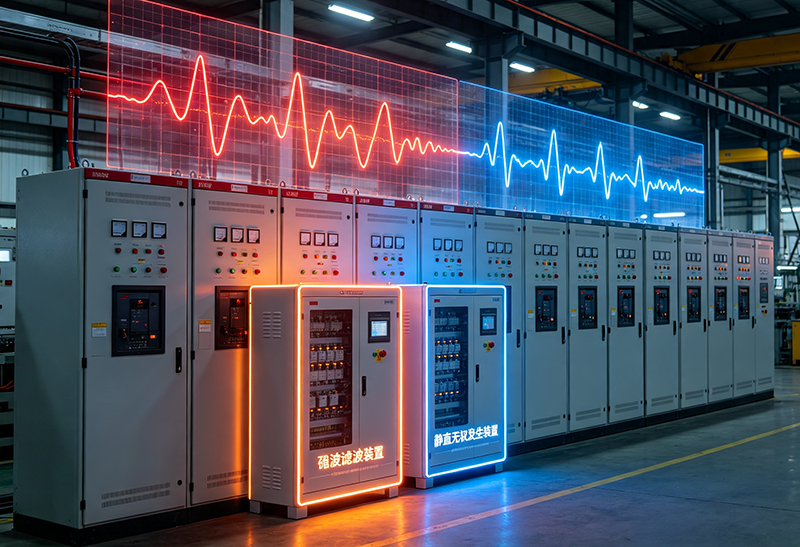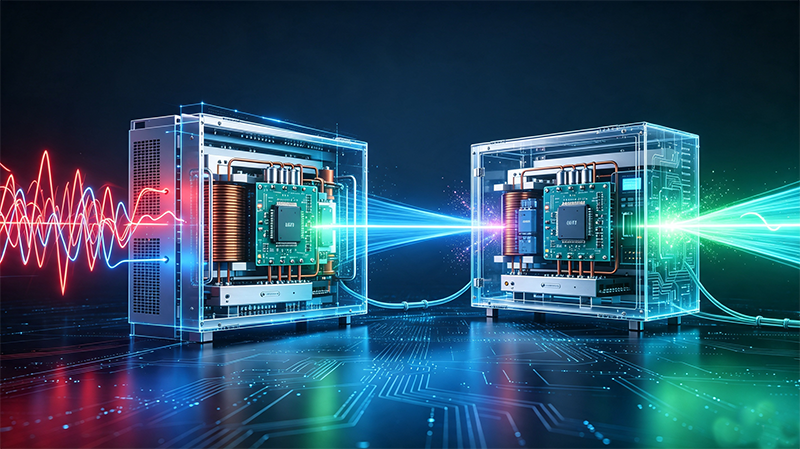
ในระบบไฟฟ้าอุตสาหกรรมในปัจจุบัน, ปัญหาคุณภาพกำลังไฟฟ้ากำลังกลายเป็นเรื่องธรรมดามากขึ้น เนื่องจากมีการใช้งานโหลดแบบไม่เป็นเชิงเส้นอย่างแพร่หลาย เช่น ตัวแปลงความถี่ (VFDS), เครื่องตัดกัน, ระบบ UPS, เครื่องเชื่อม, และอุปกรณ์การผลิตอัตโนมัติ. ความเพี้ยนของฮาร์มอนิกไม่เพียงแต่ลดประสิทธิภาพการใช้พลังงาน แต่ยังทำให้เกิดความร้อนสูงเกินไปอีกด้วย, ความล้มเหลวของอุปกรณ์, ความเสียหายของตัวเก็บประจุ, และแม้แต่การหยุดทำงานที่มีค่าใช้จ่ายสูง.
ในฐานะวิศวกรไฟฟ้าอาวุโสที่ กำลัง, ฉันมักจะได้รับคำถามจากลูกค้าอุตสาหกรรมเกี่ยวกับความแตกต่างระหว่าง Capacitor Bank กับ Harmonic Filter และ ตัวกรองฮาร์มอนิกที่ใช้งานอยู่ (อ่า). โซลูชันทั้งสองช่วยปรับปรุงคุณภาพไฟฟ้า, แต่ให้บริการตามวัตถุประสงค์ที่แตกต่างกันและดำเนินการโดยใช้เทคโนโลยีที่แตกต่างกัน.
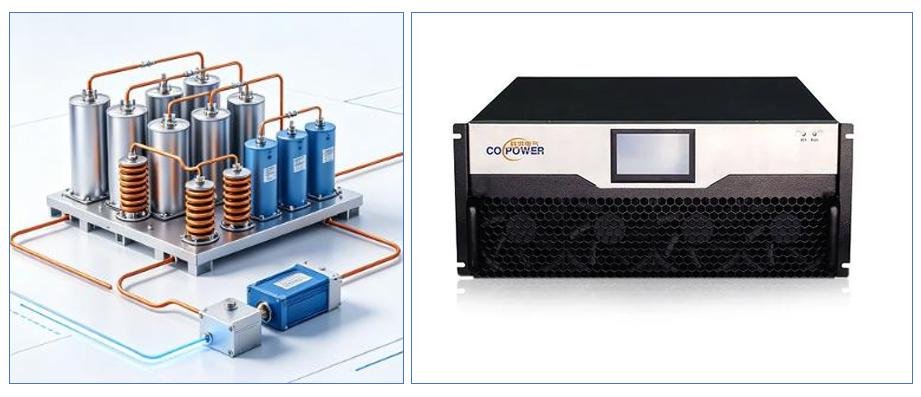
ในบทความนี้, เราจะอธิบายว่าระบบเหล่านี้ทำงานอย่างไร, เปรียบเทียบข้อดีและข้อเสียของพวกเขา, และช่วยคุณพิจารณาว่าโซลูชันใดดีที่สุดสำหรับแอปพลิเคชันของคุณ.
ทำความเข้าใจเกี่ยวกับฮาร์มอนิกในระบบไฟฟ้าอุตสาหกรรม
ก่อนจะเปรียบเทียบทั้งสองเทคโนโลยี, สิ่งสำคัญคือต้องเข้าใจว่าฮาร์โมนิกคืออะไร.
ฮาร์โมนิคส์เป็นความถี่ไฟฟ้าที่ไม่พึงประสงค์ที่เกิดจากโหลดไฟฟ้าที่ไม่ใช่เชิงเส้น. ในระบบไฟฟ้ามาตรฐานที่ทำงานที่ 50Hz หรือ 60Hz, ฮาร์โมนิคปรากฏเป็นทวีคูณของความถี่พื้นฐาน.
แหล่งฮาร์โมนิคทั่วไปได้แก่:
- ไดรฟ์ความถี่ผันแปร (VFDS)
- ระบบ UPS
- เซอร์โวมอเตอร์
- ระบบอัตโนมัติที่ควบคุมด้วย PLC
- ระบบไฟ LED
- เตาอาร์ค
- เครื่องชาร์จแบตเตอรี่
- ศูนย์ข้อมูล
ฮาร์โมนิคที่มากเกินไปอาจทำให้เกิด:
- หม้อแปลงมีความร้อนสูงเกินไป
- ความล้มเหลวของธนาคารตัวเก็บประจุ
- การสูญเสียสายเคเบิลเพิ่มขึ้น
- เซอร์กิตเบรกเกอร์สะดุดสะดุด
- อายุการใช้งานของมอเตอร์ลดลง
- ปัญหาการแก้ไขตัวประกอบกำลัง
- ความผิดเพี้ยนของแรงดันไฟฟ้า
นี่คือเหตุผลว่าทำไมอุปกรณ์ลดฮาร์มอนิกจึงกลายเป็นสิ่งจำเป็นในระบบจำหน่ายไฟฟ้าสมัยใหม่.
ธนาคารตัวเก็บประจุที่มีตัวกรองฮาร์มอนิกคืออะไร?
คาปาซิเตอร์แบงค์พร้อมตัวกรองฮาร์มอนิกคือโซลูชันคุณภาพไฟฟ้าแบบดั้งเดิมที่ผสมผสานเข้าด้วยกัน:
- ตัวเก็บประจุแก้ไขตัวประกอบกำลัง
- เครื่องปฏิกรณ์แบบ detuned หรือเครื่องปฏิกรณ์แบบกรอง
ระบบได้รับการออกแบบมาเพื่อปรับปรุงตัวประกอบกำลังในขณะที่ป้องกันการสะท้อนฮาร์มอนิกเป็นหลัก.
มันทำงานอย่างไร
ธนาคารตัวเก็บประจุจะจ่ายการชดเชยกำลังไฟฟ้ารีแอกทีฟเพื่อปรับปรุงตัวประกอบกำลัง. ในขณะเดียวกัน, เครื่องปฏิกรณ์กรองฮาร์มอนิกป้องกันไม่ให้กระแสฮาร์มอนิกเข้าสู่ธนาคารตัวเก็บประจุและทำให้เกิดเสียงสะท้อน.
การรวมกันของเครื่องปฏิกรณ์และตัวเก็บประจุจะสร้างวงจรตัวกรองที่ปรับหรือแยกออกซึ่งจะบล็อกหรือดูดซับความถี่ฮาร์มอนิกเฉพาะ.
การกำหนดค่าทั่วไปได้แก่:
- 5.67% ตัวกรองแบบแยกส่วน
- 7% ตัวกรองแบบแยกส่วน
- 14% ตัวกรองฮาร์มอนิก
ระบบเหล่านี้มีการใช้กันอย่างแพร่หลายใน:
- โรงงานผลิต
- ระบบปรับอากาศ
- สิ่งอำนวยความสะดวกบำบัดน้ำ
- อาคารพาณิชย์
- โรงงานสิ่งทอ
- โรงงานปูนซีเมนต์
ข้อดีของธนาคารตัวเก็บประจุที่มีตัวกรองฮาร์มอนิก
1. การแก้ไขตัวประกอบกำลังพร้อมกัน
ข้อได้เปรียบที่ใหญ่ที่สุดคือระบบจะแก้ไขตัวประกอบกำลังต่ำในขณะที่ลดความเสี่ยงด้านฮาร์มอนิก.
ช่วยให้โรงงานอุตสาหกรรมหลีกเลี่ยงบทลงโทษด้านสาธารณูปโภคที่เกิดจากปัจจัยด้านพลังงานที่ไม่ดี.
2. การลงทุนเริ่มแรกต่ำกว่า
เมื่อเปรียบเทียบกับระบบกรองฮาร์มอนิกแบบแอคทีฟ, ธนาคารตัวเก็บประจุที่มีตัวกรองฮาร์มอนิกโดยทั่วไปจะมีต้นทุนล่วงหน้าที่ต่ำกว่า.
สำหรับสิ่งอำนวยความสะดวกที่มีระดับฮาร์มอนิกปานกลาง, นี่อาจเป็นวิธีแก้ปัญหาที่คุ้มค่า.
3. โครงสร้างที่เรียบง่ายและเทคโนโลยีสำหรับผู้ใหญ่
เทคโนโลยีนี้ใช้มานานหลายทศวรรษและวิศวกรและทีมบำรุงรักษาเข้าใจเป็นอย่างดี.
มีการทำงานที่เชื่อถือได้ในสภาพแวดล้อมโหลดที่มีความเสถียร.
4. ลดความเสี่ยงจากเสียงสะท้อน
ธนาคารตัวเก็บประจุมาตรฐานที่ไม่มีเครื่องปฏิกรณ์สามารถขยายฮาร์โมนิกผ่านการสั่นพ้องได้. การเพิ่มเครื่องปฏิกรณ์แบบกรองฮาร์มอนิกช่วยลดความเสี่ยงนี้ได้อย่างมาก.
ข้อจำกัดของธนาคารตัวเก็บประจุที่มีตัวกรองฮาร์มอนิก
1. ความสามารถในการกรองฮาร์มอนิกจำกัด
ตัวกรองฮาร์มอนิกแบบพาสซีฟกำหนดเป้าหมายเฉพาะความถี่ฮาร์มอนิกที่เฉพาะเจาะจงเท่านั้น.
ไม่สามารถชดเชยการเปลี่ยนแปลงสภาวะฮาร์มอนิกแบบไดนามิกได้.
2. ความเสี่ยงของการชดเชยมากเกินไป
ในระบบที่มีโหลดผันผวน, การชดเชยพลังงานรีแอกทีฟที่มากเกินไปอาจเกิดขึ้นในระหว่างสภาวะโหลดต่ำ.
สิ่งนี้สามารถนำไปสู่ปัญหาตัวประกอบกำลังชั้นนำได้.
3. ลดประสิทธิผลในระบบที่ซับซ้อน
โรงงานอุตสาหกรรมสมัยใหม่มักมีการเปลี่ยนแปลงโหลดแบบไม่เชิงเส้นอย่างรวดเร็ว. การกรองแบบพาสซีฟอาจไม่สามารถระงับฮาร์มอนิกได้เพียงพอภายใต้สภาวะเหล่านี้.
ตัวกรองฮาร์มอนิกที่ใช้งานอยู่คืออะไร (อ่า)?
ตัวกรองฮาร์โมนิกแบบแอกทีฟเป็นอุปกรณ์คุณภาพกำลังไฟฟ้าอิเล็กทรอนิกส์ขั้นสูงที่ตรวจจับและกำจัดฮาร์โมนิคแบบไดนามิกในแบบเรียลไทม์.
ต่างจากระบบกรองแบบพาสซีฟ, AHF ใช้อิเล็กทรอนิกส์กำลังและเทคโนโลยีควบคุม DSP อัจฉริยะเพื่ออัดกระแสชดเชยเข้าสู่ระบบ.
ผลลัพธ์ที่ได้คือการยกเลิกฮาร์มอนิก.
ตัวกรองฮาร์มอนิกแบบแอคทีฟทำงานอย่างไร
AHF จะตรวจสอบเครือข่ายไฟฟ้าอย่างต่อเนื่องโดยใช้หม้อแปลงกระแส (ซีที).
เมื่อตรวจพบความผิดเพี้ยนของฮาร์โมนิคแล้ว, ตัวควบคุมจะคำนวณรูปคลื่นฮาร์มอนิกที่ตรงกันข้ามและฉีดกระแสชดเชยเข้าสู่ระบบ.
สิ่งนี้จะยกเลิกกระแสฮาร์มอนิกอย่างมีประสิทธิภาพก่อนที่จะแพร่กระจายผ่านเครือข่ายไฟฟ้า.
เทคโนโลยีคล้ายกับหูฟังตัดเสียงรบกวน, แต่สำหรับฮาร์โมนิคไฟฟ้า.
ข้อดีของตัวกรองฮาร์มอนิกแบบแอคทีฟ
1. การชดเชยฮาร์มอนิกแบบไดนามิก
AHF จะปรับตามสภาวะโหลดที่เปลี่ยนแปลงแบบเรียลไทม์โดยอัตโนมัติ.
ทำให้เหมาะสำหรับโรงงานที่มีปริมาณงานผันผวนและกระบวนการผลิตที่มีไดนามิกสูง.
2. ช่วงการกรองฮาร์มอนิกกว้าง
ตัวกรองที่ใช้งานอยู่สามารถระงับคำสั่งฮาร์โมนิคหลายคำสั่งพร้อมกันได้, โดยทั่วไปตั้งแต่ฮาร์มอนิกที่ 2 ถึง 50.
ซึ่งให้การบรรเทาฮาร์มอนิกที่ครอบคลุมมากกว่าระบบพาสซีฟ.
3. ประสิทธิภาพที่ยอดเยี่ยมในระบบอุตสาหกรรมสมัยใหม่
AHFs มีประสิทธิภาพสูงในสภาพแวดล้อมด้วย:
- VFDS
- วิทยาการหุ่นยนต์
- ศูนย์ข้อมูล
- สายการผลิตอัตโนมัติ
- สถานีชาร์จ EV
- ระบบพลังงานทดแทน
4. ความสามารถในการชดเชยพลังงานปฏิกิริยา
AHF สมัยใหม่จำนวนมากยังสามารถให้การชดเชยกำลังไฟฟ้ารีแอกทีฟและการปรับสมดุลเฟสได้.
ซึ่งหมายความว่าอุปกรณ์ตัวเดียวสามารถปรับปรุงทั้งความผิดเพี้ยนของฮาร์มอนิกและตัวประกอบกำลังได้.
5. ไม่มีความเสี่ยงจากเสียงสะท้อน
เนื่องจากฟิลเตอร์แบบแอกทีฟไม่ต้องอาศัยวงจรเรโซแนนซ์ LC, ช่วยขจัดปัญหาการสั่นพ้องที่เกี่ยวข้องกับธนาคารตัวเก็บประจุแบบเดิม.
ข้อจำกัดของตัวกรองฮาร์มอนิกแบบแอ็คทีฟ
1. ต้นทุนเริ่มต้นที่สูงขึ้น
AHF ต้องการระบบอิเล็กทรอนิกส์กำลังขั้นสูงและตัวควบคุมอัจฉริยะ, ทำให้มีราคาแพงขึ้นในช่วงแรก.
อย่างไรก็ตาม, การประหยัดในระยะยาวจากความน่าเชื่อถือที่ดีขึ้นและการหยุดทำงานที่ลดลงมักจะพิสูจน์ให้เห็นถึงการลงทุน.
2. เทคโนโลยีที่ซับซ้อนมากขึ้น
การติดตั้งและการทดสอบการใช้งานอาจต้องใช้วิศวกรด้านคุณภาพไฟฟ้าที่มีประสบการณ์.
การบำรุงรักษายังต้องการความเชี่ยวชาญด้านเทคนิคมากกว่าเมื่อเปรียบเทียบกับระบบแบบพาสซีฟ.
ธนาคารตัวเก็บประจุที่มีตัวกรองฮาร์มอนิกเทียบกับตัวกรองฮาร์มอนิกที่ใช้งานอยู่
1. ประเภทเทคโนโลยี
ธนาคารตัวเก็บประจุพร้อมตัวกรองฮาร์มอนิก
- เทคโนโลยีการกรองแบบพาสซีฟ
- ใช้ตัวเก็บประจุและเครื่องปฏิกรณ์
ตัวกรองฮาร์มอนิกที่ใช้งานอยู่
- การชดเชยทางอิเล็กทรอนิกส์ที่ใช้งานอยู่
- ใช้ตัวควบคุม DSP และโมดูล IGBT
2. ประสิทธิภาพการกรองฮาร์มอนิก
ธนาคารตัวเก็บประจุพร้อมตัวกรองฮาร์มอนิก
- กำหนดเป้าหมายความถี่ฮาร์มอนิกเฉพาะ
- ความยืดหยุ่นที่จำกัด
ตัวกรองฮาร์มอนิกที่ใช้งานอยู่
- กรองสเปกตรัมฮาร์มอนิกกว้างแบบไดนามิก
- ค่าตอบแทนแบบปรับตัวแบบเรียลไทม์
3. การแก้ไขปัจจัยพลังงาน
ธนาคารตัวเก็บประจุพร้อมตัวกรองฮาร์มอนิก
- ยอดเยี่ยมในการชดเชยพลังงานปฏิกิริยา
ตัวกรองฮาร์มอนิกที่ใช้งานอยู่
- มีจำหน่ายในรุ่นขั้นสูง, แต่ไม่ใช่หน้าที่หลักเสมอไป
4. การเปรียบเทียบต้นทุน
ธนาคารตัวเก็บประจุพร้อมตัวกรองฮาร์มอนิก
- การลงทุนเริ่มแรกต่ำกว่า
ตัวกรองฮาร์มอนิกที่ใช้งานอยู่
- ต้นทุนล่วงหน้าสูงกว่าแต่ประสิทธิภาพระยะยาวดีกว่า
5. สถานการณ์การใช้งานที่ดีที่สุด
ธนาคารตัวเก็บประจุพร้อมตัวกรองฮาร์มอนิก
ดีที่สุดสำหรับ:
- ระบบโหลดที่มั่นคง
- ฮาร์โมนิคปานกลาง
- โครงการที่คำนึงถึงงบประมาณ
ตัวกรองฮาร์มอนิกที่ใช้งานอยู่
ดีที่สุดสำหรับ:
- โหลดแบบไดนามิกสูง
- การบิดเบือนฮาร์มอนิกอย่างรุนแรง
- สิ่งอำนวยความสะดวกทางอุตสาหกรรมที่สำคัญต่อภารกิจ
คุณควรเลือกโซลูชันใด?
วิธีแก้ปัญหาที่ถูกต้องขึ้นอยู่กับสภาพแวดล้อมทางไฟฟ้าของโรงงานและเป้าหมายการปฏิบัติงาน.
เลือกธนาคารตัวเก็บประจุที่มีตัวกรองฮาร์มอนิกถ้า:
- ปัญหาหลักของคุณคือปัจจัยด้านพลังงานต่ำ
- ระดับความผิดเพี้ยนของฮาร์มอนิกอยู่ในระดับปานกลาง
- โหลดค่อนข้างเสถียร
- งบประมาณมีจำกัด
- คุณต้องการโซลูชันที่ง่ายและเชื่อถือได้
เลือกตัวกรองฮาร์มอนิกที่ใช้งานอยู่หาก:
- สถานประกอบการของคุณมีการบิดเบือนฮาร์โมนิคอย่างรุนแรง
- โหลดมีการเปลี่ยนแปลงบ่อยครั้ง
- คุณใช้งานอุปกรณ์ที่มีความละเอียดอ่อน
- ระยะเวลาการทำงานในการผลิตเป็นสิ่งสำคัญ
- คุณต้องการเพิ่มประสิทธิภาพคุณภาพไฟฟ้าขั้นสูง
โซลูชั่นไฮบริด: ผสมผสานทั้งสองเทคโนโลยีเข้าด้วยกัน
ในโครงการอุตสาหกรรมสมัยใหม่มากมาย, วิศวกรผสมผสานเทคโนโลยีทั้งสองเข้าด้วยกันเพื่อผลลัพธ์ที่ดีที่สุด.
กลยุทธ์ทั่วไปประกอบด้วย:
- ธนาคารตัวเก็บประจุสำหรับการชดเชยพลังงานปฏิกิริยาจำนวนมาก
- ตัวกรองฮาร์มอนิกแบบแอคทีฟสำหรับการปราบปรามฮาร์มอนิกแบบไดนามิก
แนวทางแบบผสมผสานนี้ให้ไว้:
- การแก้ไขตัวประกอบกำลังที่ดีเยี่ยม
- การบรรเทาฮาร์มอนิกที่ครอบคลุม
- ปรับปรุงประสิทธิภาพการใช้พลังงาน
- ลดการสูญเสียทางไฟฟ้า
- การป้องกันอุปกรณ์ที่ดีขึ้น
ที่ กำลัง, เรามักจะแนะนำโซลูชันแบบไฮบริดสำหรับโรงงานอุตสาหกรรมขนาดใหญ่ที่มีเครือข่ายไฟฟ้าที่ซับซ้อน.
ความคิดสุดท้าย
เนื่องจากระบบไฟฟ้าทางอุตสาหกรรมมีความซับซ้อนมากขึ้น, การบรรเทาฮาร์มอนิกไม่ใช่ทางเลือกอีกต่อไป. คุณภาพไฟฟ้าไม่ดีอาจทำให้อุปกรณ์เสียหายซึ่งมีราคาแพงได้, การสูญเสียพลังงาน, และการหยุดชะงักในการดำเนินงาน.
คาปาซิเตอร์แบงก์ที่มีตัวกรองฮาร์มอนิกและตัวกรองฮาร์มอนิกแบบแอคทีฟมีบทบาทสำคัญในวิศวกรรมไฟฟ้าสมัยใหม่.
ธนาคารตัวเก็บประจุที่มีการกรองฮาร์มอนิกนำเสนอโซลูชันที่ใช้งานได้จริงและประหยัดสำหรับการแก้ไขตัวประกอบกำลังและการปราบปรามฮาร์มอนิกในระดับปานกลาง. ในขณะเดียวกัน, ตัวกรองฮาร์มอนิกแบบแอคทีฟให้ขั้นสูง, การชดเชยฮาร์มอนิกแบบเรียลไทม์สำหรับการใช้งานทางอุตสาหกรรมที่มีความต้องการสูง.
การเลือกโซลูชันที่เหมาะสมต้องมีการวิเคราะห์อย่างรอบคอบ:
- ระดับฮาร์มอนิก
- ลักษณะการโหลด
- ข้อกำหนดตัวประกอบกำลัง
- ความเสถียรของระบบ
- การพิจารณางบประมาณ
โดยการเลือกโซลูชั่นคุณภาพไฟฟ้าที่เหมาะสม, โรงงานอุตสาหกรรมสามารถปรับปรุงประสิทธิภาพได้, ยืดอายุการใช้งานของอุปกรณ์, และรักษาการทำงานทางไฟฟ้าที่เชื่อถือได้.
หากคุณกำลังประเมินโซลูชันลดฮาร์มอนิกสำหรับโครงการของคุณ, ทีมงานวิศวกรที่ กำลัง สามารถช่วยให้การวิเคราะห์คุณภาพไฟฟ้าแบบกำหนดเองและคำแนะนำระบบได้.
แท็ก: ธนาคารตัวเก็บประจุพร้อมตัวกรองฮาร์มอนิก, ตัวกรองฮาร์มอนิกที่ใช้งานอยู่, ตัวกรองฮาร์มอนิกกับตัวกรองฮาร์มอนิกที่ใช้งานอยู่, คุณภาพไฟฟ้าอุตสาหกรรม, การแก้ไขปัจจัยพลังงาน, การบรรเทาฮาร์มอนิก, ฮาร์โมนิกไฟฟ้า, ตัวกรองฮาร์มอนิกแฝง, ตัวกรองพลังงานที่ใช้งานอยู่, โซลูชั่นการบิดเบือนฮาร์มอนิก ,ระบบไฟฟ้าอุตสาหกรรม , โซลูชั่นคุณภาพไฟฟ้า, การปราบปรามฮาร์มอนิก, การชดเชยพลังงานปฏิกิริยา, โซลูชันคุณภาพไฟฟ้า CoEpower, ซัพพลายเออร์, ผู้ผลิต, โรงงาน, บริษัท, จีน, ขายส่ง, ซื้อ, ราคา, ใบเสนอราคา, จำนวนมาก, ขาย, บริษัท, คลังสินค้า, ค่าใช้จ่าย.