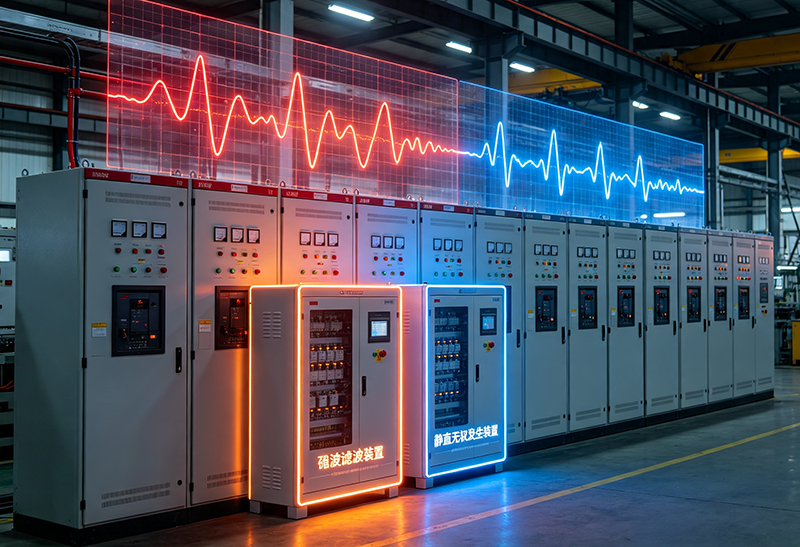
ในระบบไฟฟ้าอุตสาหกรรมและเชิงพาณิชย์ในปัจจุบัน, ความเพี้ยนของฮาร์โมนิคกลายเป็นความท้าทายที่เพิ่มมากขึ้น. เนื่องจากสิ่งอำนวยความสะดวกจำนวนมากต้องอาศัยโหลดทางไฟฟ้าที่ไม่ใช่เชิงเส้น เช่น ไดรฟ์ความถี่แบบแปรผัน (VFDS), ระบบ UPS, ไฟ LED, ที่ชาร์จ EV, เครื่องเชื่อม, และอุปกรณ์ศูนย์ข้อมูล, ไม่สามารถละเลยปัญหาฮาร์โมนิคได้อีกต่อไป.
ที่ กำลัง, เราช่วยเหลือวิศวกรบ่อยครั้ง, ผู้รับเหมา EPC, และผู้จัดการโรงงานจะแก้ปัญหาคุณภาพไฟฟ้าที่เกิดจากฮาร์โมนิกส์. วิธีแก้ปัญหาที่มีการกล่าวถึงกันมากที่สุดสองประการคือ ตัวกรองฮาร์มอนิกเฟสเดียว และ ตัวกรองฮาร์มอนิกที่ใช้งานอยู่ (Ahfs).
แม้ว่าเทคโนโลยีทั้งสองจะได้รับการออกแบบมาเพื่อลดความผิดเพี้ยนของฮาร์โมนิคก็ตาม, พวกเขาแตกต่างกันอย่างมากในหลักการออกแบบ, สถานการณ์การใช้งาน, ผลงาน, และค่าใช้จ่าย. ในบทความนี้, เราจะอธิบายความแตกต่างที่สำคัญระหว่างตัวกรองฮาร์มอนิกเฟสเดียวและตัวกรองฮาร์มอนิกแบบแอกทีฟจากมุมมองของวิศวกรไฟฟ้าอาวุโส.
ฮาร์มอนิกในระบบไฟฟ้าคืออะไร?
ฮาร์มอนิกคือรูปคลื่นของแรงดันหรือกระแสที่ทำงานที่ความถี่ที่เป็นทวีคูณของความถี่พื้นฐาน (50เฮิรตซ์หรือ 60 เฮิรตซ์). พวกมันถูกสร้างขึ้นโดยหลักจากโหลดที่ไม่เป็นเชิงเส้นซึ่งดึงกระแสเป็นพัลส์ฉับพลันแทนที่จะเป็นคลื่นไซน์ซอยด์แบบเรียบ.
แหล่งที่มาทั่วไปของฮาร์มอนิกรวมถึง:
- ไดรฟ์ความถี่ตัวแปร (VFDS)
- การสลับแหล่งจ่ายไฟ
- ศูนย์ข้อมูล
- อินเวอร์เตอร์พลังงานแสงอาทิตย์
- สถานีชาร์จ EV
- ระบบ UPS
- ระบบไฟ LED
- เตาอาร์ค
ความผิดเพี้ยนของฮาร์มอนิกที่มากเกินไปอาจทำให้เกิดได้:
- หม้อแปลงมีความร้อนสูงเกินไป
- ความล้มเหลวของธนาคารตัวเก็บประจุ
- สะดุดสะดุด
- ประสิทธิภาพของมอเตอร์ลดลง
- การสูญเสียพลังงานเพิ่มขึ้น
- สายเคเบิลมีความร้อนสูงเกินไป
- อุปกรณ์ทำงานผิดปกติ
- ตัวประกอบกำลังลดลง
- ค่าบำรุงรักษาที่สูงขึ้น
เพื่อบรรเทาปัญหาเหล่านี้, มีการใช้เทคโนโลยีการกรองฮาร์มอนิก.
ตัวกรองฮาร์มอนิกเฟสเดียวคืออะไร?
อัน ตัวกรองฮาร์มอนิกเฟสเดียว เป็นอุปกรณ์กรองที่ออกแบบมาเฉพาะสำหรับระบบไฟฟ้าเฟสเดียว. โดยทั่วไปจะใช้เพื่อระงับกระแสฮาร์มอนิกที่เกิดจากโหลดแบบเฟสเดียว.
โดยทั่วไปตัวกรองเหล่านี้จะเป็นตัวกรองแบบพาสซีฟที่ประกอบด้วย:
- ตัวเก็บประจุ
- ตัวเหนี่ยวนำ
- ตัวต้านทาน
ตัวกรองจะถูกปรับตามความถี่ฮาร์มอนิกเฉพาะ, เช่นครั้งที่ 3, 5ไทย, หรือฮาร์โมนิกที่ 7.
ตัวกรองฮาร์มอนิกเฟสเดียวทำงานอย่างไร
ตัวกรองฮาร์มอนิกเฟสเดียวทำงานโดยสร้างเส้นทางความต้านทานต่ำสำหรับกระแสฮาร์มอนิก. แทนที่จะไหลกลับเข้าสู่ระบบไฟฟ้า, กระแสฮาร์มอนิกจะถูกโอนเข้าสู่วงจรตัวกรอง.
ตัวกรองเฟสเดียวส่วนใหญ่เป็นแบบพาสซีฟ, หมายความว่าพวกเขาไม่ได้ฉีดกระแสการชดเชยอย่างแข็งขัน. แทน, พวกเขาอาศัยวงจร LC ที่ปรับแล้วเพื่อดูดซับฮาร์โมนิกที่เป็นเป้าหมาย.
สถานที่ติดตั้งทั่วไป ได้แก่:
- ระบบที่อยู่อาศัย
- อาคารพาณิชย์ขนาดเล็ก
- อุปกรณ์สำนักงาน
- เครื่องมือห้องปฏิบัติการ
- อุปกรณ์โทรคมนาคม
- ระบบ UPS เฟสเดียว
- อุปกรณ์การแพทย์ขนาดเล็ก
ตัวกรองฮาร์มอนิกที่ใช้งานอยู่คืออะไร (อ่า)?
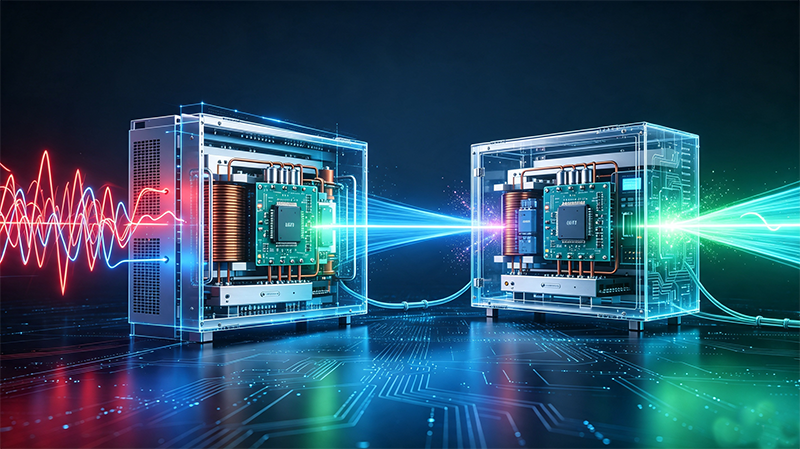
หนึ่ง ตัวกรองฮาร์มอนิกที่ใช้งานอยู่ (อ่า) เป็นอุปกรณ์ควบคุมคุณภาพกำลังไฟฟ้าอิเล็กทรอนิกส์ขั้นสูงที่ตรวจจับและชดเชยกระแสฮาร์มอนิกแบบไดนามิกแบบเรียลไทม์.

ต่างจากตัวกรองแบบพาสซีฟ, AHF ใช้เทคโนโลยีอิเล็กทรอนิกส์กำลังและเทคโนโลยีการประมวลผลสัญญาณดิจิทัลเพื่อฉีดกระแสฮาร์มอนิกผกผันเข้าสู่ระบบ.
วิธีนี้จะยกเลิกฮาร์โมนิคที่ไม่ต้องการในช่วงความถี่กว้างได้อย่างมีประสิทธิภาพ.
ตัวกรองฮาร์มอนิกแบบแอคทีฟทำงานอย่างไร
ตัวกรองฮาร์มอนิกแบบแอคทีฟจะตรวจสอบกระแสโหลดอย่างต่อเนื่องโดยใช้หม้อแปลงกระแส (ซีที). ตัวควบคุมจะวิเคราะห์สเปกตรัมฮาร์มอนิกและสร้างกระแสชดเชยที่มีขนาดเท่ากันแต่อยู่ตรงข้ามกันในเฟส.
ผลลัพธ์ที่ได้คือการยกเลิกฮาร์มอนิกและคุณภาพของรูปคลื่นที่ดีขึ้น.
โดยทั่วไปแล้ว AHF สามารถทำได้:
- ลด THDi ด้านล่าง 5%
- ชดเชยคำสั่งฮาร์โมนิคหลายคำสั่งพร้อมกัน
- ปรับปรุงตัวประกอบกำลัง
- ปรับสมดุลโหลดสามเฟส
- ลดกระแสที่เป็นกลาง
- ปรับให้เข้ากับการเปลี่ยนแปลงโหลดแบบไดนามิก
ตัวกรองฮาร์มอนิกแบบแอคทีฟถูกนำมาใช้กันอย่างแพร่หลาย:
- โรงงานอุตสาหกรรม
- ศูนย์ข้อมูล
- โรงพยาบาล
- การผลิตสารกึ่งตัวนำ
- อาคารพาณิชย์
- ระบบพลังงานทดแทน
- โครงสร้างพื้นฐานการชาร์จ EV
- โรงงานอัจฉริยะ
ความแตกต่างที่สำคัญระหว่างตัวกรองฮาร์มอนิกเฟสเดียวและตัวกรองฮาร์มอนิกแบบแอคทีฟ
1. หลักการทำงาน
ตัวกรองฮาร์มอนิกเฟสเดียว
ตัวกรองฮาร์มอนิกเฟสเดียวมักเป็นอุปกรณ์แบบพาสซีฟ. พวกมันดูดซับความถี่ฮาร์มอนิกจำเพาะโดยใช้วงจร LC ที่ปรับแล้ว.
การแสดงของพวกเขาขึ้นอยู่กับอย่างมาก:
- ความต้านทานของระบบ
- เงื่อนไขการโหลด
- ความเสถียรของความถี่ฮาร์มอนิก
ตัวกรองฮาร์มอนิกที่ใช้งานอยู่
AHF สร้างกระแสการชดเชยแบบเรียลไทม์โดยใช้อิเล็กทรอนิกส์กำลังและอัลกอริธึม DSP.
พวกเขาสามารถตอบสนองได้ทันทีต่อการเปลี่ยนแปลงสภาวะฮาร์มอนิกและชดเชยแบบไดนามิก.
2. ช่วงการชดเชยฮาร์มอนิก
ตัวกรองฮาร์มอนิกเฟสเดียว
โดยปกติแล้วตัวกรองแบบพาสซีฟจะถูกปรับสำหรับลำดับฮาร์โมนิคหนึ่งหรือหลายลำดับ.
ตัวอย่างเช่น:
- 3ตัวกรองฮาร์มอนิก
- 5ตัวกรองฮาร์มอนิก
- 7ตัวกรองฮาร์มอนิก
พวกมันมีประสิทธิภาพน้อยกว่าสำหรับการลดฮาร์มอนิกในสเปกตรัมกว้าง.
ตัวกรองฮาร์มอนิกที่ใช้งานอยู่
AHF สามารถชดเชยได้:
- 2และฮาร์โมนิคลำดับที่ 50
- ฮาร์โมนิคหลายตัวพร้อมกัน
- โหลดฮาร์มอนิกแบบไดนามิกและผันผวน
ซึ่งให้การปกป้องที่กว้างขึ้นอย่างเห็นได้ชัด.
3. ความยืดหยุ่นของระบบ
ตัวกรองฮาร์มอนิกเฟสเดียว
ตัวกรองแบบพาสซีฟจะค่อนข้างคงที่เมื่อติดตั้งแล้ว.
หากภาระมีการเปลี่ยนแปลงอย่างมาก, ประสิทธิภาพการกรองอาจลดลง.
ตัวกรองฮาร์มอนิกที่ใช้งานอยู่
AHF มีความสามารถในการปรับตัวสูงและตอบสนองต่อการเปลี่ยนแปลงโหลดแบบเรียลไทม์โดยอัตโนมัติ.
ทำให้เหมาะสำหรับระบบไฟฟ้าสมัยใหม่ที่มีโหลดแบบไดนามิก.
4. ความซับซ้อนในการติดตั้ง
ตัวกรองฮาร์มอนิกเฟสเดียว
โดยทั่วไปการติดตั้งจะตรงไปตรงมาและคุ้มค่า.
เหมาะสำหรับ:
- ระบบขนาดเล็ก
- ปัญหาฮาร์มอนิกอย่างง่าย
- งบประมาณมีจำกัด
ตัวกรองฮาร์มอนิกที่ใช้งานอยู่
AHF ต้องการ:
- หม้อแปลงกระแส
- การกำหนดค่าคอนโทรลเลอร์
- การวิเคราะห์ฮาร์โมนิคที่เหมาะสม
- การทดสอบการทำงานที่ซับซ้อนมากขึ้น
อย่างไรก็ตาม, พวกมันให้ประสิทธิภาพที่สูงกว่ามาก.
5. ความเสี่ยงจากการสั่นพ้อง
ตัวกรองฮาร์มอนิกเฟสเดียว
ตัวกรองฮาร์มอนิกแบบพาสซีฟอาจสร้างปัญหาการสั่นพ้องกับระบบไฟฟ้า.
สิ่งนี้สามารถขยายฮาร์โมนิคแทนที่จะลดขนาดลง.
มักจำเป็นต้องศึกษาระบบก่อนการติดตั้ง.
ตัวกรองฮาร์มอนิกที่ใช้งานอยู่
AHF ไม่ต้องพึ่งพาการปรับจูนเสียงสะท้อน ดังนั้น จึงหลีกเลี่ยงความเสี่ยงจากเสียงสะท้อน.
สิ่งนี้ช่วยปรับปรุงความน่าเชื่อถือของระบบได้อย่างมาก.
6. การแก้ไขปัจจัยพลังงาน
ตัวกรองฮาร์มอนิกเฟสเดียว
ตัวกรองแบบพาสซีฟบางตัวสามารถปรับปรุงตัวประกอบกำลังได้.
อย่างไรก็ตาม, ความสามารถในการแก้ไขมีจำกัด.
ตัวกรองฮาร์มอนิกที่ใช้งานอยู่
AHF สมัยใหม่หลายตัวผสานรวมเข้าด้วยกัน:
- การบรรเทาฮาร์มอนิก
- การชดเชยพลังงานปฏิกิริยา
- การแก้ไขปัจจัยพลังงาน
- การปรับสมดุล
ทำให้เป็นโซลูชันคุณภาพกำลังไฟฟ้าแบบมัลติฟังก์ชั่น.
7. ข้อกำหนดการบำรุงรักษา
ตัวกรองฮาร์มอนิกเฟสเดียว
โดยทั่วไปตัวกรองแบบพาสซีฟต้องการการบำรุงรักษาเพียงเล็กน้อย.
อย่างไรก็ตาม, การเสื่อมสภาพของตัวเก็บประจุและความเครียดจากความร้อนสามารถลดประสิทธิภาพได้ในที่สุด.
ตัวกรองฮาร์มอนิกที่ใช้งานอยู่
AHF มีระบบอิเล็กทรอนิกส์และระบบทำความเย็นขั้นสูง.
แนะนำให้ตรวจสอบเป็นประจำ, แต่ AHF สมัยใหม่มีความน่าเชื่อถือและชาญฉลาดสูง.
8. การเปรียบเทียบต้นทุน
ตัวกรองฮาร์มอนิกเฟสเดียว
ข้อดี:
- การลงทุนเริ่มแรกต่ำกว่า
- การออกแบบที่เรียบง่าย
- ประหยัดสำหรับการใช้งานขนาดเล็ก
ข้อเสีย:
- ความสามารถในการชดเชยมีจำกัด
- มีความยืดหยุ่นน้อยลง
- ปัญหาเสียงสะท้อนที่อาจเกิดขึ้น
ตัวกรองฮาร์มอนิกที่ใช้งานอยู่
ข้อดี:
- การปราบปรามฮาร์มอนิกที่เหนือกว่า
- ประสิทธิภาพแบบไดนามิก
- ความสามารถแบบมัลติฟังก์ชั่น
ข้อเสีย:
- ต้นทุนเริ่มต้นที่สูงขึ้น
- การติดตั้งที่ซับซ้อนมากขึ้น
อย่างไรก็ตาม, AHF มักมีต้นทุนการดำเนินงานในระยะยาวที่ต่ำกว่า เนื่องจากประสิทธิภาพการใช้พลังงานที่ดีขึ้น และลดความล้มเหลวของอุปกรณ์.
ตารางเปรียบเทียบ: ตัวกรองฮาร์มอนิกเฟสเดียวเทียบกับตัวกรองฮาร์มอนิกที่ใช้งานอยู่
| คุณสมบัติ | ตัวกรองฮาร์มอนิกเฟสเดียว | ตัวกรองฮาร์มอนิกที่ใช้งานอยู่ |
|---|---|---|
| เทคโนโลยี | วงจร LC แบบพาสซีฟ | การชดเชยไฟฟ้าแบบอิเล็กทรอนิกส์ |
| ประเภทค่าตอบแทน | ที่ตายตัว | พลวัต |
| ช่วงฮาร์มอนิก | ฮาร์โมนิคเฉพาะ | ฮาร์โมนิคสเปกตรัมกว้าง |
| ความสามารถในการปรับตัว | ถูก จำกัด | ยอดเยี่ยม |
| ความเสี่ยงจากเสียงสะท้อน | เป็นไปได้ | ไม่มี |
| การแก้ไขปัจจัยพลังงาน | บางส่วน | ขั้นสูง |
| การติดตั้ง | เรียบง่าย | ปานกลาง |
| ค่าใช้จ่าย | ต่ำกว่า | สูงกว่า |
| ดีที่สุดสำหรับ | ระบบขนาดเล็ก | ระบบอุตสาหกรรมที่ซับซ้อน |
| การซ่อมบำรุง | ต่ำ | ปานกลาง |
เมื่อใดที่คุณควรเลือกตัวกรองฮาร์มอนิกแบบเฟสเดียว?
ตัวกรองฮาร์มอนิกเฟสเดียวเหมาะอย่างยิ่งเมื่อ:
- ปัญหาฮาร์มอนิกค่อนข้างง่าย
- โหลดมีเสถียรภาพ
- งบประมาณมีจำกัด
- แอปพลิเคชันมีขนาดเล็ก
- เฉพาะความถี่ฮาร์มอนิกที่เฉพาะเจาะจงเท่านั้นที่ต้องมีการระงับ
การใช้งานทั่วไปได้แก่:
- การติดตั้งที่อยู่อาศัย
- สำนักงานขนาดเล็ก
- อุปกรณ์ห้องปฏิบัติการ
- ระบบโทรคมนาคม
- ระบบ UPS ขนาดเล็ก
เมื่อใดที่คุณควรเลือกตัวกรองฮาร์มอนิกแบบแอคทีฟ?
ตัวกรองฮาร์มอนิกแบบแอคทีฟเป็นตัวเลือกที่ต้องการเมื่อ:
- ระดับฮาร์มอนิกมีความผันผวนบ่อยครั้ง
- มีคำสั่งฮาร์มอนิกหลายคำสั่ง
- ข้อกำหนดด้านคุณภาพไฟฟ้ามีความเข้มงวด
- ความน่าเชื่อถือของอุปกรณ์เป็นสิ่งสำคัญ
- สิ่งอำนวยความสะดวกประกอบด้วยอุปกรณ์อิเล็กทรอนิกส์ที่มีความละเอียดอ่อน
- คาดว่าจะมีการขยายภาระในอนาคต
การใช้งานในอุดมคติ ได้แก่:
- ระบบอัตโนมัติทางอุตสาหกรรม
- ศูนย์ข้อมูล
- โรงงานเซมิคอนดักเตอร์
- โรงพยาบาล
- อาคารอัจฉริยะ
- โรงไฟฟ้าพลังงานหมุนเวียน
- สถานีชาร์จ EV
เหตุใดการลดฮาร์มอนิกจึงมีความสำคัญมากกว่าที่เคย
ด้วยการนำระบบอัตโนมัติมาใช้อย่างรวดเร็ว, พลังงานหมุนเวียน, และอุปกรณ์อิเล็กทรอนิกส์กำลัง, มลภาวะฮาร์มอนิกกำลังเพิ่มขึ้นทั่วโลก.
สิ่งอำนวยความสะดวกสมัยใหม่เริ่มมีความเสี่ยงมากขึ้น:
- การหยุดทำงานที่ไม่คาดคิด
- การสูญเสียพลังงาน
- ความเสียหายของอุปกรณ์
- ปัญหาการปฏิบัติตามข้อกำหนด
มาตรฐานสากลเช่น IEEE 519 ตอนนี้มีข้อจำกัดที่เข้มงวดมากขึ้นเกี่ยวกับการบิดเบือนฮาร์มอนิก.
การกรองฮาร์มอนิกที่เหมาะสมไม่ใช่ทางเลือกอีกต่อไป เนื่องจากเป็นส่วนสำคัญของการออกแบบระบบไฟฟ้าสมัยใหม่.
โซลูชันตัวกรองฮาร์มอนิก CoEpower
ที่ กำลัง, เรานำเสนอโซลูชันคุณภาพไฟฟ้าขั้นสูงที่ปรับให้เหมาะกับการใช้งานทางอุตสาหกรรมและเชิงพาณิชย์.
ข้อเสนอของเราประกอบด้วย:
- ตัวกรองฮาร์มอนิกที่ใช้งานอยู่ (อ่า)
- เครื่องกำเนิด VAR แบบคงที่ (SVG)
- ธนาคารตัวเก็บประจุ
- ตัวกรองฮาร์มอนิกแบบพาสซีฟ
- ระบบแก้ไขตัวประกอบกำลัง
- โซลูชันการลดฮาร์มอนิกแบบกำหนดเอง
ทีมวิศวกรของเราทำการวิเคราะห์ฮาร์โมนิคโดยละเอียด เพื่อช่วยให้ลูกค้าเลือกโซลูชันที่มีประสิทธิภาพและคุ้มค่าที่สุดสำหรับโรงงานของตน.
ไม่ว่าคุณจะต้องการตัวกรองฮาร์มอนิกเฟสเดียวขนาดกะทัดรัดหรือตัวกรองฮาร์มอนิกแอคทีฟความจุสูงสำหรับระบบอุตสาหกรรมที่ซับซ้อน, CoEpower สามารถนำเสนอโซลูชันคุณภาพไฟฟ้าที่เชื่อถือได้และมีประสิทธิภาพ.
ความคิดสุดท้าย
ทั้งตัวกรองฮาร์มอนิกเฟสเดียวและตัวกรองฮาร์มอนิกแบบแอกทีฟมีบทบาทสำคัญในการจัดการคุณภาพไฟฟ้า.
ตัวกรองฮาร์มอนิกเฟสเดียวนำเสนอโซลูชันที่คุ้มค่าสำหรับความเสถียร, ปัญหาฮาร์โมนิคขนาดเล็ก. ในทางตรงกันข้าม, ตัวกรองฮาร์มอนิกแบบแอคทีฟให้ความชาญฉลาด, พลวัต, และการชดเชยฮาร์โมนิคที่ครอบคลุมสำหรับสภาพแวดล้อมทางอุตสาหกรรมสมัยใหม่.
การเลือกโซลูชันที่เหมาะสมขึ้นอยู่กับ:
- ความรุนแรงของฮาร์มอนิก
- ลักษณะการโหลด
- ความซับซ้อนของระบบ
- งบประมาณ
- แผนการขยายธุรกิจในอนาคต
ในขณะที่ระบบไฟฟ้ามีการพัฒนาอย่างต่อเนื่อง, เทคโนโลยีการกรองฮาร์มอนิกแบบแอคทีฟกำลังมีความสำคัญมากขึ้นในการรักษาความน่าเชื่อถือ, มีประสิทธิภาพ, และการดำเนินงานที่ได้มาตรฐาน.
หากสถานที่ของคุณประสบปัญหาเกี่ยวกับฮาร์มอนิก, การให้คำปรึกษากับวิศวกรด้านคุณภาพไฟฟ้าที่มีประสบการณ์เป็นก้าวแรกที่ดีที่สุดในการค้นหาโซลูชันที่เหมาะสมที่สุด.
แท็ก: ตัวกรองฮาร์มอนิกเฟสเดียว, ตัวกรองฮาร์มอนิกที่ใช้งานอยู่, คุณภาพกำลังไฟฟ้า AHF, ตัวกรองฮาร์มอนิกกับตัวกรองฮาร์มอนิกแบบแอคทีฟ, โซลูชันการลดฮาร์มอนิก, ตัวกรองฮาร์มอนิกอุตสาหกรรม, การปรับปรุงคุณภาพไฟฟ้า, การปราบปรามฮาร์มอนิกไฟฟ้า, ตัวกรองฮาร์มอนิกแฝง, การชดเชยฮาร์มอนิกแบบไดนามิก, IEEE 519 การปฏิบัติตามฮาร์มอนิก, โซลูชั่นการบิดเบือนฮาร์มอนิก, ตัวกรองฮาร์มอนิก CoEpower, ระบบกรองฮาร์มอนิก, ตัวกรองฮาร์มอนิกแบบแอคทีฟสามเฟส, ซัพพลายเออร์, ผู้ผลิต, โรงงาน, บริษัท, จีน, ขายส่ง, ซื้อ, ราคา, ใบเสนอราคา, จำนวนมาก, ขาย, บริษัท, คลังสินค้า, ค่าใช้จ่าย.