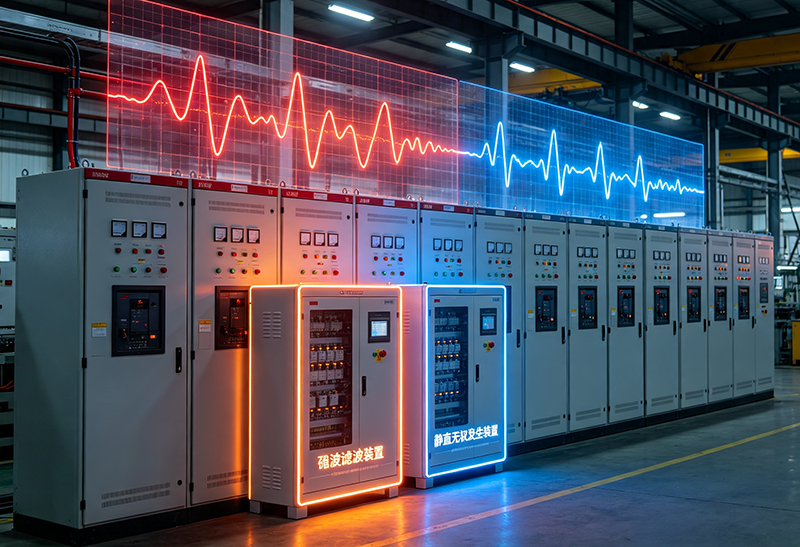
เนื่องจากโรงงานอุตสาหกรรมต้องพึ่งพาอุปกรณ์อิเล็กทรอนิกส์กำลังมากขึ้น, ความเพี้ยนของฮาร์โมนิคได้กลายเป็นหนึ่งในความท้าทายด้านคุณภาพกำลังไฟฟ้าที่พบบ่อยที่สุดที่วิศวกรเผชิญอยู่ในปัจจุบัน. ไดรฟ์ความถี่ตัวแปร (VFDS), เครื่องตัดกัน, ระบบ UPS, เตาเหนี่ยวนำ, ที่ชาร์จ EV, และเครื่องแปลงกระแสไฟฟ้าพลังงานหมุนเวียนล้วนนำฮาร์โมนิคเข้าสู่ระบบไฟฟ้า.
ฮาร์โมนิคที่มากเกินไปอาจทำให้หม้อแปลงร้อนเกินไป, ความล้มเหลวของตัวเก็บประจุ, สะดุดสะดุด, อายุการใช้งานของอุปกรณ์ลดลง, และปัญหาการปฏิบัติตามข้อกำหนดด้านสาธารณูปโภค. ส่งผลให้, การเลือกโซลูชันการลดฮาร์มอนิกที่เหมาะสมถือเป็นสิ่งสำคัญสำหรับการรักษาความน่าเชื่อถือของระบบและประสิทธิภาพการใช้พลังงาน.
โซลูชั่นที่ใช้กันอย่างแพร่หลาย ได้แก่ ตัวกรองฮาร์มอนิกสามเฟส และ ตัวกรองฮาร์มอนิกที่ใช้งานอยู่ (APF). ในขณะที่เทคโนโลยีทั้งสองได้รับการออกแบบมาเพื่อลดความผิดเพี้ยนของฮาร์โมนิค, หลักการทำงานของพวกเขา, ลักษณะการทำงาน, และสถานการณ์การใช้งานแตกต่างกันอย่างมาก.
ในฐานะวิศวกรไฟฟ้าอาวุโสที่ CoEpower, ผู้จัดการฝ่ายสิ่งอำนวยความสะดวกและวิศวกรที่ปรึกษามักถามฉัน:
“ฉันควรติดตั้งตัวกรองฮาร์มอนิกสามเฟสแบบดั้งเดิมหรือตัวกรองฮาร์มอนิกแบบแอคทีฟ?”
ในบทความนี้, ฉันจะอธิบายความแตกต่างระหว่างเทคโนโลยีทั้งสองนี้ และช่วยคุณพิจารณาว่าโซลูชันใดเหมาะสมที่สุดสำหรับสถานประกอบการของคุณ.
ทำความเข้าใจเกี่ยวกับฮาร์มอนิกในระบบไฟฟ้าอุตสาหกรรม
ก่อนจะเปรียบเทียบเทคโนโลยีการกรอง, สิ่งสำคัญคือต้องเข้าใจว่าฮาร์โมนิกคืออะไร.
ในระบบไฟฟ้าที่สมบูรณ์แบบ, รูปคลื่นของแรงดันและกระแสเป็นคลื่นไซน์บริสุทธิ์ที่ทำงานที่ 50 Hz หรือ 60 Hz.
อย่างไรก็ตาม, โหลดแบบไม่เชิงเส้นดึงกระแสเป็นพัลส์แทนที่จะเป็นรูปแบบไซน์ซอยด์แบบเรียบ. สิ่งนี้จะสร้างส่วนประกอบความถี่เพิ่มเติมที่เรียกว่าฮาร์โมนิกส์.
ลำดับฮาร์มอนิกทั่วไปได้แก่:
- 3ฮาร์มอนิก (150 Hz)
- 5ฮาร์มอนิก (250 Hz)
- 7ฮาร์มอนิก (350 Hz)
- 11ฮาร์มอนิก (550 Hz)
- 13ฮาร์มอนิก (650 Hz)
ยิ่งมีการติดตั้งอุปกรณ์ไม่เชิงเส้นในโรงงาน, ยิ่งมีการบิดเบือนฮาร์มอนิกมากขึ้นเท่านั้น.
ผลที่ตามมาโดยทั่วไป ได้แก่:
- หม้อแปลงมีความร้อนสูงเกินไป
- การสูญเสียสายเคเบิลเพิ่มขึ้น
- ความล้มเหลวของธนาคารตัวเก็บประจุ
- การสั่นสะเทือนของมอเตอร์
- การเสื่อมสภาพของตัวประกอบกำลัง
- การหยุดทำงานของการผลิต
- ไม่สามารถตอบสนอง IEEE 519 ความต้องการ
นี่คือจุดที่ตัวกรองฮาร์มอนิกกลายเป็นสิ่งจำเป็น.
ตัวกรองฮาร์มอนิกสามเฟสคืออะไร?
ตัวกรองฮาร์มอนิกสามเฟส, ที่รู้จักกันทั่วไปว่าเป็นตัวกรองฮาร์มอนิกแบบพาสซีฟ, เป็นอุปกรณ์กรองที่ประกอบด้วยตัวเหนี่ยวนำ, ตัวเก็บประจุ, และบางครั้งก็เป็นตัวต้านทาน.
ได้รับการออกแบบมาเพื่อสร้างเส้นทางความต้านทานต่ำสำหรับความถี่ฮาร์มอนิกเฉพาะ, เบี่ยงเบนกระแสฮาร์มอนิกออกจากระบบไฟฟ้า.
มันทำงานอย่างไร
ตัวกรองแบบพาสซีฟได้รับการปรับให้กำหนดเป้าหมายความถี่ฮาร์มอนิกที่กำหนดไว้ล่วงหน้า.
ตัวอย่างเช่น:
- 5ตัวกรองฮาร์มอนิก
- 7ตัวกรองฮาร์มอนิก
- 11ตัวกรองฮาร์มอนิก
เมื่อมีกระแสฮาร์มอนิกที่ความถี่เหล่านี้, พวกมันไหลเข้าสู่ตัวกรองมากกว่าเครือข่ายการกระจาย.
ผลลัพธ์ที่ได้คือลดการบิดเบือนฮาร์โมนิคทั่วทั้งระบบ.
ข้อดีของตัวกรองฮาร์มอนิกสามเฟส
ต้นทุนเริ่มต้นที่ต่ำกว่า
โดยทั่วไปตัวกรองแบบพาสซีฟจะมีราคาต่ำกว่าตัวกรองฮาร์มอนิกแบบแอคทีฟสำหรับพิกัดกระแสที่เท่ากัน.
ทำให้น่าสนใจสำหรับโครงการที่มีงบประมาณจำกัด.
การก่อสร้างที่เรียบง่าย
เทคโนโลยีนี้ใช้มานานหลายทศวรรษและประกอบด้วยส่วนประกอบไฟฟ้าแบบพาสซีฟเป็นหลัก.
ไม่จำเป็นต้องมีอัลกอริธึมการควบคุมที่ซับซ้อน.
การใช้งานที่มีความจุสูง
ตัวกรองแบบพาสซีฟสามารถออกแบบสำหรับโหลดทางอุตสาหกรรมขนาดใหญ่มาก โดยที่ความถี่ฮาร์มอนิกยังคงสามารถคาดเดาได้.
การชดเชยพลังงานปฏิกิริยา
ตัวกรองแบบพาสซีฟหลายตัวช่วยลดฮาร์มอนิกและการแก้ไขตัวประกอบกำลังไปพร้อมๆ กัน.
ข้อจำกัดของตัวกรองฮาร์มอนิกสามเฟส
แม้จะมีข้อได้เปรียบก็ตาม, ตัวกรองแบบพาสซีฟมีข้อเสียหลายประการ.
ค่าชดเชยคงที่
ตัวกรองแบบพาสซีฟจะกำหนดเป้าหมายเฉพาะฮาร์โมนิคที่ได้รับการออกแบบมาเป็นพิเศษเท่านั้น.
หากลักษณะการโหลดเปลี่ยนแปลง, ประสิทธิภาพการกรองอาจลดลง.
ความเสี่ยงจากเสียงสะท้อน
ข้อกังวลที่สำคัญที่สุดประการหนึ่งคือเสียงสะท้อนฮาร์มอนิก.
ตัวกรองแบบพาสซีฟที่ออกแบบไม่ถูกต้องสามารถสะท้อนกับเครือข่ายสาธารณูปโภคได้, จริงๆ แล้วเป็นการขยายฮาร์โมนิคแทนที่จะลดขนาดลง.
ความยืดหยุ่นลดลง
โรงงานอุตสาหกรรมมักขยายการผลิตหรือติดตั้งอุปกรณ์ใหม่.
ตัวกรองแบบพาสซีฟที่ออกแบบในปัจจุบันอาจไม่สามารถตอบสนองสภาวะฮาร์มอนิกในอนาคตได้อย่างเพียงพอ.
ความครอบคลุมฮาร์มอนิกจำกัด
ตัวกรองแบบพาสซีฟส่วนใหญ่จะกำหนดเป้าหมายเฉพาะลำดับฮาร์มอนิกที่เฉพาะเจาะจงเท่านั้น.
ฮาร์โมนิคที่มีลำดับสูงกว่าอาจยังคงไม่ได้รับการบำบัด.
ตัวกรองฮาร์มอนิกที่ใช้งานอยู่คืออะไร (APF)?
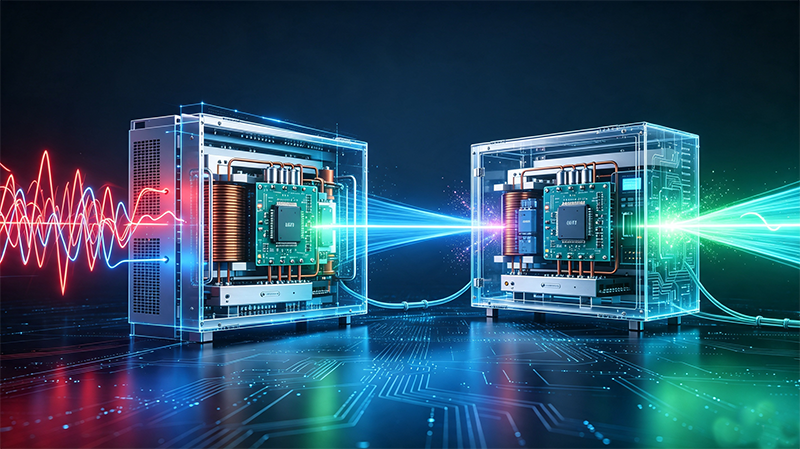
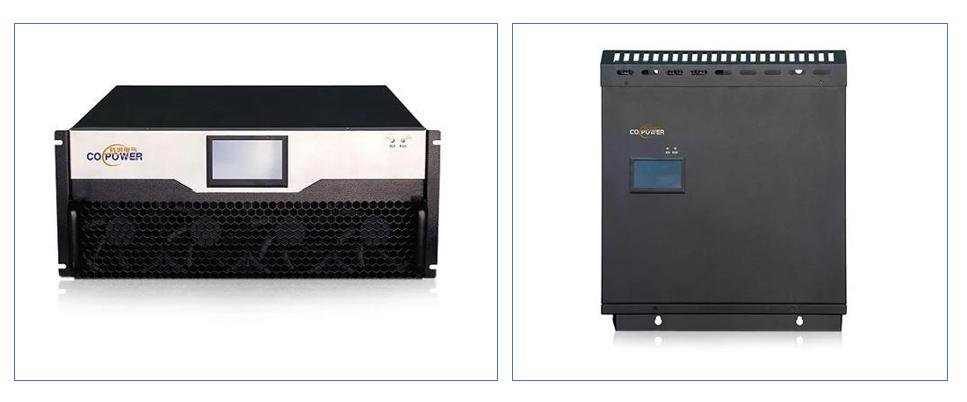
Active Harmonic Filter เป็นอุปกรณ์อิเล็กทรอนิกส์กำลังขั้นสูงที่ตรวจวัดกระแสฮาร์มอนิกแบบไดนามิก และฉีดกระแสชดเชยที่เท่ากันและตรงกันข้ามเข้าสู่ระบบ.
แทนที่จะดูดซับฮาร์โมนิคเช่นฟิลเตอร์แบบพาสซีฟ, APF ยกเลิกการดำเนินการดังกล่าวอย่างแข็งขัน.
เทคโนโลยีนี้ได้รับการพิจารณาอย่างกว้างขวางว่าเป็นโซลูชันที่ทันสมัยที่สุดสำหรับการลดฮาร์มอนิกในระบบไฟฟ้าอุตสาหกรรมสมัยใหม่.
ตัวกรองฮาร์มอนิกแบบแอคทีฟทำงานอย่างไร
APF ติดตามรูปคลื่นปัจจุบันอย่างต่อเนื่องโดยใช้ตัวประมวลผลสัญญาณดิจิตอลความเร็วสูง (DSP).
ระบบ:
- ตรวจจับส่วนประกอบฮาร์มอนิก
- คำนวณความต้องการค่าตอบแทน
- สร้างกระแสฮาร์มอนิกผกผัน
- ฉีดกระแสการชดเชยเข้าไปในเครือข่าย
ฮาร์โมนิคที่ไม่ต้องการจะถูกยกเลิกแบบเรียลไทม์อย่างมีประสิทธิภาพ.
กระบวนการนี้เกิดขึ้นภายในมิลลิวินาที.
เมื่อเงื่อนไขการโหลดเปลี่ยนไป, APF จะปรับกลยุทธ์การจ่ายค่าตอบแทนโดยอัตโนมัติ.
ข้อดีของตัวกรองฮาร์มอนิกแบบแอคทีฟ
การชดเชยฮาร์มอนิกแบบไดนามิก
ต่างจากตัวกรองแบบพาสซีฟ, APF จะปรับตามสภาวะโหลดที่เปลี่ยนแปลงทันที.
ทำให้เหมาะสำหรับโรงงานที่มีตารางการผลิตที่เปลี่ยนแปลงได้.
ความครอบคลุมฮาร์มอนิกในวงกว้าง
APF เดียวสามารถชดเชยได้พร้อมกัน:
- 2และฮาร์โมนิคลำดับที่ 50
- ฮาร์โมนิคแปลก ๆ
- แม้กระทั่งฮาร์โมนิค
- อินเทอร์ฮาร์โมนิกส์
ไม่จำเป็นต้องปรับแต่ง.
ไม่มีความเสี่ยงจากเสียงสะท้อน
เนื่องจาก APF ไม่ได้อาศัยวงจรเรโซแนนซ์ LC, ช่วยลดความเสี่ยงในการขยายฮาร์มอนิก.
สิ่งนี้ช่วยปรับปรุงความน่าเชื่อถือของระบบได้อย่างมาก.
การชดเชยพลังงานปฏิกิริยา
APF สมัยใหม่สามารถให้ได้:
- การกรองฮาร์มอนิก
- การชดเชยพลังงานปฏิกิริยา
- การแก้ไขปัจจัยพลังงาน
- การปรับสมดุล
ทั้งหมดภายในเครื่องเดียว.
การปฏิบัติตามมาตรฐาน IEEE 519
สิ่งอำนวยความสะดวกหลายแห่งใช้ APF เพื่อให้สอดคล้องกับมาตรฐาน IEEE 519 มาตรฐานฮาร์มอนิกและข้อกำหนดด้านสาธารณูปโภค.
ข้อจำกัดของตัวกรองฮาร์มอนิกแบบแอ็คทีฟ
การลงทุนเริ่มแรกที่สูงขึ้น
โดยทั่วไปแล้ว APF จะต้องมีการลงทุนล่วงหน้ามากกว่าตัวกรองแบบพาสซีฟ.
อย่างไรก็ตาม, ต้นทุนตลอดอายุการใช้งานมักจะลดลงเนื่องจากประสิทธิภาพและความยืดหยุ่นที่ดีขึ้น.
ชิ้นส่วนอิเล็กทรอนิกส์
เป็นอุปกรณ์ไฟฟ้ากำลัง, APF มี IGBT, ตัวควบคุม, และระบบทำความเย็นที่ต้องบำรุงรักษาอย่างเหมาะสม.
การวางแผนกำลังการผลิต
โหลดฮาร์มอนิกที่มีขนาดใหญ่มากอาจต้องใช้หน่วย APF หลายตัวที่ทำงานแบบขนาน.
การเปรียบเทียบแบบเคียงข้างกัน
| คุณสมบัติ | ตัวกรองฮาร์มอนิกสามเฟส | ตัวกรองฮาร์มอนิกที่ใช้งานอยู่ |
| เทคโนโลยี | เครือข่าย LC แบบพาสซีฟ | เพาเวอร์อิเล็กทรอนิกส์ |
| ความครอบคลุมฮาร์มอนิก | ฮาร์โมนิคที่เลือก | สเปกตรัมกว้าง |
| การชดเชยแบบไดนามิก | เลขที่ | ใช่ |
| โหลดความสามารถในการปรับตัว | ถูก จำกัด | ยอดเยี่ยม |
| ความเสี่ยงจากเสียงสะท้อน | ใช่ | เลขที่ |
| การชดเชยพลังงานปฏิกิริยา | เป็นไปได้ | ใช่ |
| ความเข้ากันได้ของการขยายตัวในอนาคต | ถูก จำกัด | สูง |
| การซ่อมบำรุง | ต่ำ | ปานกลาง |
| ต้นทุนเริ่มต้น | ต่ำกว่า | สูงกว่า |
| ความยืดหยุ่นในระยะยาว | ต่ำ | ยอดเยี่ยม |
| IEEE 519 การปฏิบัติตาม | ปานกลาง | ยอดเยี่ยม |
อุตสาหกรรมใดที่ต้องการตัวกรองฮาร์มอนิกแบบพาสซีฟ?
ตัวกรองฮาร์มอนิกแบบพาสซีฟมักใช้ใน:
- โรงงานปูนซีเมนต์
- โรงถลุงเหล็ก
- สิ่งอำนวยความสะดวกการทำเหมืองแร่
- โรงบำบัดน้ำ
- การใช้งานมอเตอร์ขนาดใหญ่
สภาพแวดล้อมเหล่านี้มักจะมีโปรไฟล์โหลดที่ค่อนข้างเสถียร โดยที่คุณลักษณะฮาร์มอนิกยังคงสามารถคาดเดาได้.
อุตสาหกรรมใดชอบตัวกรองฮาร์มอนิกแบบแอคทีฟ?
ที่โคอีพาวเวอร์, เรามักแนะนำ APF สำหรับ:
- การผลิตสารกึ่งตัวนำ
- ศูนย์ข้อมูล
- อาคารพาณิชย์
- โรงพยาบาล
- สถานีชาร์จ EV
- โรงไฟฟ้าพลังงานแสงอาทิตย์
- ระบบจัดเก็บพลังงานแบตเตอรี่ (เบส)
- การผลิตอุปกรณ์อิเล็กทรอนิกส์
- การผลิตซิลิกอนโมโนคริสตัลไลน์
โดยทั่วไปแอปพลิเคชันเหล่านี้เกี่ยวข้องกับโหลดแบบไม่เชิงเส้นที่เปลี่ยนแปลงอย่างรวดเร็วซึ่งจำเป็นต้องมีการชดเชยแบบไดนามิก.
ต้นทุนเทียบกับประสิทธิภาพ: การตัดสินใจที่แท้จริง
ผู้ซื้อหลายรายเน้นที่ราคาอุปกรณ์เพียงอย่างเดียว.
อย่างไรก็ตาม, วิศวกรที่มีประสบการณ์ประเมิน:
- การสูญเสียพลังงาน
- ความเสี่ยงจากการหยุดการผลิต
- ค่าบำรุงรักษา
- ข้อกำหนดในการขยาย
- บทลงโทษด้านสาธารณูปโภค
- อายุการใช้งานของอุปกรณ์
ในขณะที่ตัวกรองแบบพาสซีฟอาจมีต้นทุนล่วงหน้าต่ำกว่า, APF มักจะให้คุณค่าในระยะยาวมากกว่าเนื่องจากความยืดหยุ่นและประสิทธิภาพที่เหนือกว่า.
สำหรับสิ่งอำนวยความสะดวกที่วางแผนการขยายในอนาคตหรือการใช้งานโหลดที่แปรผันสูง, ตัวกรองฮาร์มอนิกแบบแอคทีฟมักจะเป็นตัวเลือกที่ประหยัดกว่าตลอดอายุการใช้งานของอุปกรณ์.
คำแนะนำของ CoEpower
หลังจากดำเนินโครงการลดฮาร์มอนิกทั่วทั้งการผลิต, พลังงานหมุนเวียน, และภาคการค้า, ทีมวิศวกรของเราได้สังเกตแนวโน้มที่ชัดเจน.
สำหรับโรงงานอุตสาหกรรมสมัยใหม่ที่มีโหลดแบบไม่เชิงเส้นแบบแปรผัน, ตัวกรองฮาร์มอนิกแบบแอกทีฟช่วยปรับปรุงคุณภาพไฟฟ้าในระดับสูงสุด, ความยืดหยุ่นในการดำเนินงาน, และการพิสูจน์อนาคต.
ตัวกรองฮาร์มอนิกแบบพาสซีฟยังคงเป็นโซลูชันที่ใช้ได้สำหรับสภาพแวดล้อมโหลดที่มีความเสถียรและโครงการที่คำนึงถึงงบประมาณ. อย่างไรก็ตาม, สำหรับโรงงานที่มีเป้าหมายเพื่อให้ได้มาตรฐานฮาร์มอนิกที่เข้มงวด, เพิ่มความน่าเชื่อถือของอุปกรณ์ให้สูงสุด, และรองรับการเติบโตในอนาคต, APF มักเป็นเทคโนโลยีที่ต้องการ.
บทสรุป
ทั้งตัวกรองฮาร์มอนิกสามเฟสและตัวกรองฮาร์มอนิกแบบแอคทีฟมีบทบาทสำคัญในการลดฮาร์มอนิก. ทางออกที่ดีที่สุดขึ้นอยู่กับโปรไฟล์การรับน้ำหนักของสถานที่ของคุณ, ระดับฮาร์มอนิก, แผนการขยายตัว, และวัตถุประสงค์ด้านคุณภาพไฟฟ้า.
เลือกก ตัวกรองฮาร์มอนิกสามเฟส ถ้า:
- แหล่งฮาร์มอนิกสามารถคาดเดาได้
- เงื่อนไขการโหลดมีเสถียรภาพ
- งบประมาณเป็นข้อกังวลหลัก
เลือกอัน ตัวกรองฮาร์มอนิกที่ใช้งานอยู่ (APF) ถ้า:
- สภาวะฮาร์มอนิกเปลี่ยนแปลงบ่อยครั้ง
- จำเป็นต้องมีประสิทธิภาพการกรองสูง
- IEEE 519 การปฏิบัติตามกฎระเบียบเป็นสิ่งสำคัญ
- คาดว่าจะมีการขยายระบบในอนาคต
ที่โคอีพาวเวอร์, เราช่วยลูกค้าวิเคราะห์ข้อมูลคุณภาพไฟฟ้า และเลือกโซลูชันลดฮาร์มอนิกที่คุ้มค่าที่สุดตามสภาพการทำงานจริง.
หากสถานประกอบการของคุณประสบปัญหา THD มากเกินไป, ความล้มเหลวของตัวเก็บประจุ, หม้อแปลงร้อนเกินไป, หรือตัวประกอบกำลังไม่ดี, ทีมวิศวกรของเราสามารถจัดหาโซลูชันการกรองและการกรองฮาร์มอนิกที่ปรับแต่งตามความต้องการของคุณ.
แท็ก:
ตัวกรองฮาร์มอนิกสามเฟส, ตัวกรองฮาร์มอนิกที่ใช้งานอยู่, APF, การบรรเทาฮาร์มอนิก, ตัวกรองฮาร์มอนิกเทียบกับ APF, ฮาร์โมนิคอุตสาหกรรม, โซลูชั่นคุณภาพไฟฟ้า, ตัวกรองฮาร์มอนิกแฝง, ตัวกรองพลังงานที่ใช้งานอยู่, การแก้ไขปัจจัยพลังงาน, การลดความผิดเพี้ยนของฮาร์มอนิก, การกรองฮาร์มอนิกไฟฟ้า, คุณภาพไฟฟ้าอุตสาหกรรม, โคอีพาวเวอร์ เอพีเอฟ, IEEE 519 การปฏิบัติตาม, ซัพพลายเออร์, ผู้ผลิต, โรงงาน, บริษัท, จีน, ขายส่ง, ซื้อ, ราคา, ใบเสนอราคา, จำนวนมาก, ขาย, บริษัท, คลังสินค้า, ค่าใช้จ่าย.