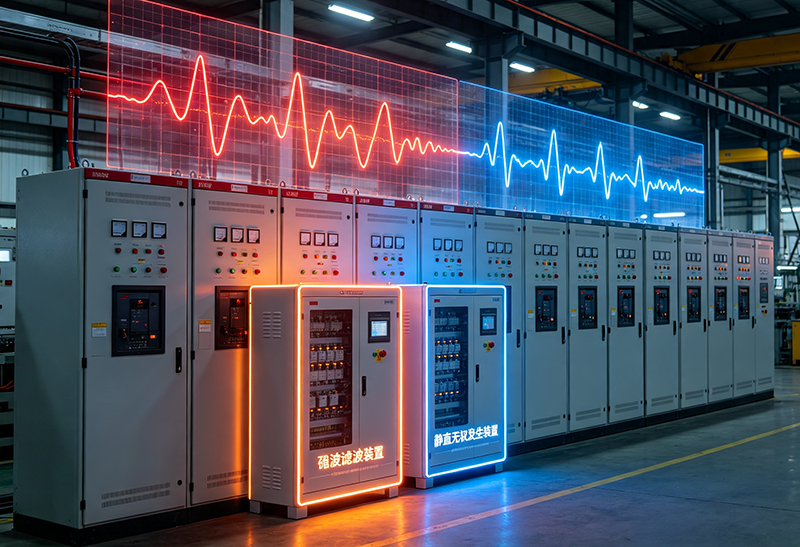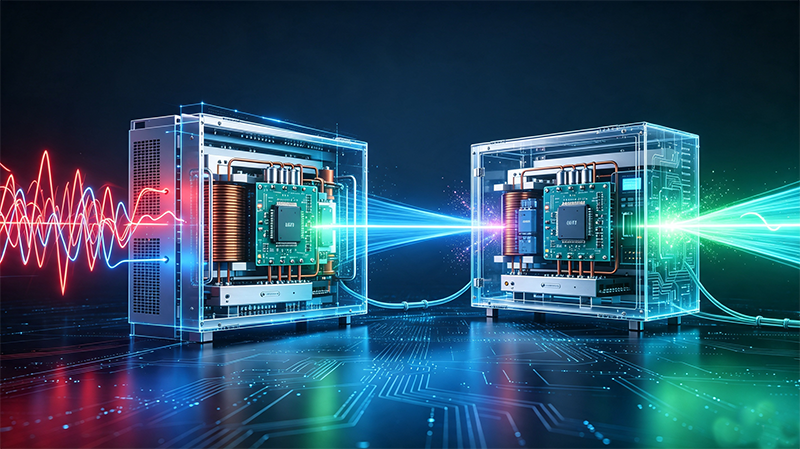
Günümüzün endüstriyel ve ticari güç sistemlerinde, Harmonik bozulma giderek büyüyen bir sorun haline geldi. Giderek daha fazla tesis değişken frekanslı sürücüler gibi doğrusal olmayan elektrik yüklerine güveniyor (VFD'ler), UPS Sistemleri, LED aydınlatma, EV şarj cihazları, kaynak makineleri, ve veri merkezi ekipmanları, Harmonik sorunu artık göz ardı edilemez.
Şu tarihte: İşbirliği yapmak, mühendislere sıklıkla yardım ederiz, EPC yüklenicileri, ve tesis yöneticileri harmoniklerden kaynaklanan güç kalitesi sorunlarını çözer. En sık tartışılan çözümlerden ikisi tek fazlı harmonik filtreler Ve aktif harmonik filtreler (AHFS).
Her iki teknoloji de harmonik bozulmayı azaltmak için tasarlanmış olsa da, tasarım ilkeleri açısından önemli ölçüde farklılık gösterirler, uygulama senaryoları, performans, ve maliyet. Bu makalede, tek fazlı harmonik filtreler ile aktif harmonik filtreler arasındaki temel farkları kıdemli bir elektrik mühendisinin bakış açısıyla açıklayacağız.
Elektrik Sistemlerinde Harmonikler Nelerdir??
Harmonikler, temel frekansın katları olan frekanslarda çalışan gerilim veya akım dalga biçimleridir. (50Hz veya 60Hz). Bunlar öncelikle düzgün sinüzoidal dalgalar yerine ani darbeler halinde akım çeken doğrusal olmayan yükler tarafından üretilirler..
Ortak harmonik kaynakları arasında:
- Değişken frekanslı sürücüler (VFD'ler)
- Güç kaynaklarını değiştirme
- Veri Merkezleri
- Güneş invertörleri
- EV şarj istasyonları
- UPS Sistemleri
- LED aydınlatma sistemleri
- Ark fırınları
Aşırı harmonik bozulma,:
- Transformatörün aşırı ısınması
- Kondansatör bankası arızaları
- Rahatsız edici tetikleme
- Azalan motor verimliliği
- Artan enerji kayıpları
- Kablonun aşırı ısınması
- Ekipman arızası
- Azaltılmış güç faktörü
- Daha yüksek bakım maliyetleri
Bu sorunları azaltmak için, harmonik filtreleme teknolojileri kullanılıyor.
Tek Fazlı Harmonik Filtre Nedir??
A tek fazlı harmonik filtre tek fazlı elektrik sistemleri için özel olarak tasarlanmış bir filtreleme cihazıdır. Tek fazlı yüklerin oluşturduğu harmonik akımları bastırmak için yaygın olarak kullanılır..
Bu filtreler tipik olarak aşağıdakilerden oluşan pasif filtrelerdir::
- Kondansatörler
- İndüktörler
- Dirençler
Filtre belirli harmonik frekanslara ayarlanmıştır, 3. gibi, 5th, veya 7. harmonikler.
Tek Fazlı Harmonik Filtreler Nasıl Çalışır?
Tek fazlı harmonik filtreler, harmonik akımlar için düşük empedanslı bir yol oluşturarak çalışır. Güç sistemine geri akmak yerine, harmonik akımlar filtre devresine yönlendirilir.
Tek fazlı filtrelerin çoğu pasiftir, yani kompanzasyon akımlarını aktif olarak enjekte etmiyorlar. Yerine, hedeflenen harmonikleri absorbe etmek için ayarlanmış LC devrelerine güveniyorlar.
Tipik kurulum konumları şunları içerir::
- Konut sistemleri
- Küçük ticari binalar
- Ofis ekipmanları
- Laboratuvar aletleri
- Telekom ekipmanları
- Tek fazlı UPS sistemleri
- Küçük tıbbi cihazlar
Aktif harmonik filtre nedir (AHF)?
Bir Aktif harmonik filtre (AHF) Harmonik akımları gerçek zamanlı olarak dinamik olarak algılayan ve telafi eden gelişmiş bir elektronik güç kalitesi cihazıdır.

Pasif filtrelerin aksine, AHF'ler, sisteme ters harmonik akımları enjekte etmek için güç elektroniği ve dijital sinyal işleme teknolojisini kullanır.
Bu, geniş bir frekans aralığında istenmeyen harmonikleri etkili bir şekilde ortadan kaldırır.
Aktif Harmonik Filtreler Nasıl Çalışır?
Aktif harmonik filtreler, akım trafolarını kullanarak yük akımlarını sürekli olarak izler (BT'ler). Kontrolör harmonik spektrumu analiz eder ve büyüklük olarak eşit ancak faz bakımından zıt olan dengeleme akımları üretir..
Sonuç, harmonik iptali ve geliştirilmiş dalga biçimi kalitesidir.
AHF'ler tipik olarak:
- Aşağıdaki THDi'yi azaltın 5%
- Birden fazla harmonik düzeni aynı anda telafi edin
- Güç faktörünü geliştirin
- Üç fazlı yükleri dengeleyin
- Nötr akımları azaltın
- Değişen yüklere dinamik olarak uyum sağlayın
Aktif harmonik filtreler yaygın olarak kullanılmaktadır.:
- Sanayi bitkileri
- Veri Merkezleri
- Hastaneler
- Yarı iletken üretimi
- Ticari binalar
- Yenilenebilir enerji sistemleri
- EV şarj altyapısı
- Akıllı fabrikalar
Tek Fazlı Harmonik Filtreler ile Aktif Harmonik Filtreler Arasındaki Temel Farklılıklar
1. Çalışma Prensibi
Tek Fazlı Harmonik Filtre
Tek fazlı harmonik filtreler genellikle pasif cihazlardır. Ayarlanmış LC devrelerini kullanarak belirli harmonik frekansları emerler.
Performansları büyük ölçüde şunlara bağlıdır::
- Sistem empedansı
- Yük koşulları
- Harmonik frekans kararlılığı
Aktif harmonik filtre
AHF'ler, güç elektroniği ve DSP algoritmalarını kullanarak gerçek zamanlı olarak aktif olarak dengeleme akımları üretir.
Değişen harmonik koşullara anında tepki verebilir ve dinamik olarak telafi edebilirler.
2. Harmonik Kompanzasyon Aralığı
Tek Fazlı Harmonik Filtre
Pasif filtreler genellikle bir veya daha fazla harmonik seviyeye göre ayarlanır..
Örneğin:
- 3rd harmonik filtre
- 5harmonik filtre
- 7harmonik filtre
Geniş spektrumlu harmonik azaltımı için daha az etkilidirler.
Aktif harmonik filtre
AHF'ler telafi edebilir:
- 2nd ila 50. harmonikler
- Aynı anda birden fazla harmonik
- Dinamik ve dalgalanan harmonik yükler
Bu önemli ölçüde daha geniş bir koruma sağlar.
3. Sistem Esnekliği
Tek Fazlı Harmonik Filtre
Pasif filtreler kurulduktan sonra nispeten sabitlenir.
Yük önemli ölçüde değişirse, filtre performansı düşebilir.
Aktif harmonik filtre
AHF'ler son derece uyarlanabilirdir ve yük değişikliklerine gerçek zamanlı olarak otomatik olarak yanıt verir.
Bu onları dinamik yüklere sahip modern elektrik sistemleri için ideal kılar.
4. Kurulum Karmaşıklığı
Tek Fazlı Harmonik Filtre
Kurulum genellikle basit ve uygun maliyetlidir.
Onlar için uygundur:
- Küçük sistemler
- Basit harmonik problemleri
- Sınırlı bütçeler
Aktif harmonik filtre
AHF'ler gerektirir:
- Akım transformatörleri
- Denetleyici yapılandırması
- Uygun harmonik analizi
- Daha karmaşık devreye alma
Fakat, çok daha yüksek performans sağlarlar.
5. Rezonans Riski
Tek Fazlı Harmonik Filtre
Pasif harmonik filtreler güç sisteminde rezonans sorunları yaratabilir.
Bu potansiyel olarak harmonikleri azaltmak yerine yükseltebilir.
Sistem çalışmaları genellikle kurulumdan önce gereklidir.
Aktif harmonik filtre
AHF'ler rezonans ayarına dayanmaz ve bu nedenle rezonans risklerinden kaçınır.
Bu, sistem güvenilirliğini önemli ölçüde artırır.
6. Güç faktörü düzeltmesi
Tek Fazlı Harmonik Filtre
Bazı pasif filtreler güç faktörünü de iyileştirebilir.
Fakat, düzeltme yeteneği sınırlıdır.
Aktif harmonik filtre
Birçok modern AHF entegre olur:
- Harmonik hafifletme
- Reaktif güç telafisi
- Güç faktörü düzeltmesi
- Yük dengeleme
Bu onları çok işlevli bir güç kalitesi çözümü haline getirir.
7. Bakım Gereksinimleri
Tek Fazlı Harmonik Filtre
Pasif filtreler genellikle minimum düzeyde bakım gerektirir.
Fakat, kapasitör yaşlanması ve termal stres sonuçta performansı düşürebilir.
Aktif harmonik filtre
AHF'ler gelişmiş elektronik ve soğutma sistemleri içerir.
Düzenli denetim önerilir, ancak modern AHF'ler son derece güvenilir ve akıllıdır.
8. Maliyet Karşılaştırması
Tek Fazlı Harmonik Filtre
Avantajlar:
- Daha düşük başlangıç yatırımı
- Basit tasarım
- Küçük uygulamalar için ekonomik
Dezavantajlar:
- Sınırlı telafi kapasitesi
- Daha az esnek
- Potansiyel rezonans sorunları
Aktif harmonik filtre
Avantajlar:
- Üstün harmonik bastırma
- Dinamik performans
- Çok işlevli yetenek
Dezavantajlar:
- Daha yüksek başlangıç maliyeti
- Daha karmaşık kurulum
Fakat, AHF'ler, gelişmiş enerji verimliliği ve azalan ekipman arızaları nedeniyle genellikle daha düşük uzun vadeli işletme maliyetleri sağlar..
Karşılaştırma tablosu: Tek Fazlı Harmonik Filtre ve Aktif Harmonik Filtre
| Özellik | Tek Fazlı Harmonik Filtre | Aktif harmonik filtre |
|---|---|---|
| Teknoloji | Pasif LC devresi | Güç elektroniği kompanzasyonu |
| Tazminat Türü | Sabit | Dinamik |
| Harmonik aralık | Spesifik harmonikler | Geniş spektrumlu harmonikler |
| Uyarlanabilirlik | Sınırlı | Harika |
| Rezonans Riski | Olası | Hiçbiri |
| Güç faktörü düzeltmesi | Kısmi | Gelişmiş |
| Kurulum | Basit | Ilıman |
| Maliyet | Daha düşük | Daha yüksek |
| En İyisi | Küçük sistemler | Karmaşık endüstriyel sistemler |
| Bakım | Düşük | Ilıman |
Tek Fazlı Harmonik Filtreyi Ne Zaman Seçmelisiniz??
Tek fazlı harmonik filtreler aşağıdaki durumlarda idealdir::
- Harmonik problemler nispeten basittir
- Yük stabil
- Bütçe sınırlıdır
- Uygulama küçük ölçekli
- Yalnızca belirli harmonik frekansların bastırılması gerekir
Tipik uygulamalar şunları içerir::
- Konut kurulumları
- Küçük ofisler
- Laboratuvar ekipmanları
- Telekom sistemleri
- Küçük UPS sistemleri
Aktif Harmonik Filtreyi Ne Zaman Seçmelisiniz??
Aktif harmonik filtreler aşağıdaki durumlarda tercih edilen seçimdir::
- Harmonik seviyeleri sıklıkla dalgalanıyor
- Çoklu harmonik sıralar mevcut
- Güç kalitesi gereksinimleri katıdır
- Ekipman güvenilirliği kritik öneme sahiptir
- Tesis hassas elektronikler içeriyor
- Gelecekte yük artışı bekleniyor
İdeal uygulamalar şunları içerir::
- Endüstriyel otomasyon
- Veri Merkezleri
- Yarı iletken fabrikaları
- Hastaneler
- Akıllı binalar
- Yenilenebilir enerji santralleri
- EV şarj istasyonları
Harmonik Azaltma Neden Her Zamankinden Daha Önemli?
Otomasyonun hızla benimsenmesiyle, yenilenebilir enerji, ve güç elektroniği, Harmonik kirlilik küresel olarak artıyor.
Modern tesisler tehditlere karşı daha savunmasız hale geliyor:
- Beklenmeyen kesinti
- Enerji israfı
- Ekipman hasarı
- Uyumluluk sorunları
IEEE gibi uluslararası standartlar 519 artık harmonik distorsiyona daha sıkı sınırlar getiriyoruz.
Uygun harmonik filtreleme artık isteğe bağlı değildir; modern güç sistemi tasarımının önemli bir parçasıdır.
CoEpower Harmonik Filtre Çözümleri
Şu tarihte: İşbirliği yapmak, endüstriyel ve ticari uygulamalara özel gelişmiş güç kalitesi çözümleri sunuyoruz.
Tekliflerimiz şunları içerir::
- Aktif harmonik filtreler (AHF)
- Statik VAR Jeneratörleri (SVG)
- Kondansatör Bankaları
- Pasif Harmonik Filtreler
- Güç Faktörü Düzeltme Sistemleri
- Özelleştirilmiş Harmonik Azaltma Çözümleri
Mühendislik ekibimiz, müşterilerin tesisleri için en etkili ve uygun maliyetli çözümü seçmelerine yardımcı olmak amacıyla ayrıntılı harmonik analizler gerçekleştirir..
Karmaşık bir endüstriyel sistem için kompakt tek fazlı harmonik filtreye veya yüksek kapasiteli aktif harmonik filtreye ihtiyacınız olup olmadığı, CoEpower güvenilir ve verimli güç kalitesi çözümleri sunabilir.
Son Düşünceler
Hem tek fazlı harmonik filtreler hem de aktif harmonik filtreler güç kalitesi yönetiminde önemli rol oynamaktadır..
Tek fazlı harmonik filtre, kararlı uygulamalar için uygun maliyetli bir çözüm sunar, küçük ölçekli harmonik sorunlar. Tersine, aktif bir harmonik filtre akıllı sağlar, dinamik, modern endüstriyel ortamlar için kapsamlı harmonik kompanzasyon.
Doğru çözümün seçilmesi şunlara bağlıdır::
- Harmonik şiddet
- Yük özellikleri
- Sistem karmaşıklığı
- Bütçe
- Gelecekteki genişleme planları
Elektrik sistemleri gelişmeye devam ederken, Güvenilirliği korumak için aktif harmonik filtreleme teknolojisi giderek daha önemli hale geliyor, verimli, ve standartlara uygun operasyonlar.
Tesisinizde harmonikle ilgili sorunlar yaşanıyorsa, Deneyimli güç kalitesi mühendislerine danışmak, en uygun çözümü bulma yolunda en iyi ilk adımdır.
Etiketler: Tek fazlı harmonik filtre, Aktif harmonik filtre, AHF güç kalitesi, Harmonik filtre ve aktif harmonik filtre, Harmonik azaltma çözümleri, Endüstriyel harmonik filtre, Güç Kalitesi Geliştirme, Elektriksel harmonik bastırma, Pasif harmonik filtre, Dinamik harmonik telafisi, IEEE 519 harmonik uyumluluk, Harmonik distorsiyon çözümleri, CoEpower harmonik filtre, Harmonik filtreleme sistemi, Üç fazlı aktif harmonik filtre, Tedarikçiler, üreticiler, fabrika, şirket, Çin, toptan, satın almak, fiyat, alıntı yapmak, toplu, satılık, şirket, stoklamak, maliyet.