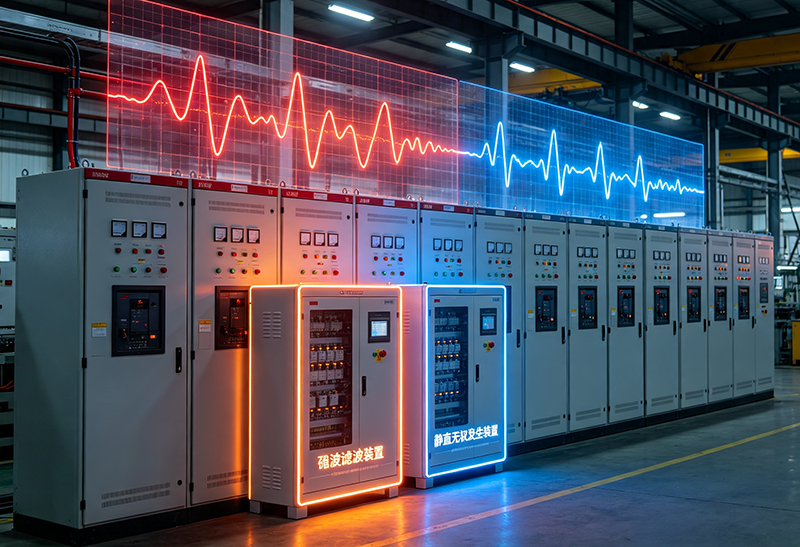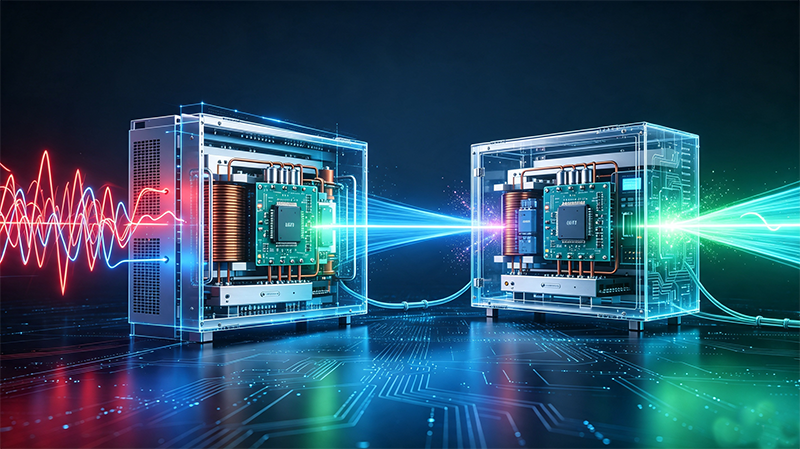
giriiş: Veri Merkezlerinde Güç Faktörü Düzeltmesi Neden Önemlidir?
CoEpower'da kıdemli elektrik mühendisi olarak, Endüstriyel tesisler ve veri merkezleri için güç kalitesi sistemlerini tasarlamak ve optimize etmek için yıllarımı harcadım. Modern altyapıda yinelenen zorluklardan biri istikrarlı ve verimli bir altyapıyı sürdürmektir. güç faktörü (PF) son derece dinamik yükler altında.
Veri Merkezleri, özellikle, son derece hassas ortamlardır. UPS sistemlerinin hızlı değişimiyle, sunucu yüklemeleri, soğutma sistemleri, ve güç elektroniği, reaktif güç talebi sürekli dalgalanıyor. Zayıf güç faktörü şunlara yol açar::
- Elektrik cezaları nedeniyle artan elektrik faturaları
- Daha yüksek trafo ve kablo kayıpları
- Azaltılmış sistem kapasitesi
- Dinamik yük koşullarında voltaj kararsızlığı
Geleneksel olarak, kapasitör bankaları Güç faktörü düzeltmesi için kullanıldı. Fakat, modern yüklerin artan karmaşıklığıyla birlikte, SVG (Statik var jeneratörü) teknoloji, gelişmiş veri merkezlerinde tercih edilen çözüm haline geliyor.
Bu makale, aşağıdakilerin derin bir teknik ve pratik karşılaştırmasını sağlar: SVG ve kapasitör bankaları, Mühendislerin ve tesis yöneticilerinin bilinçli kararlar almasına yardımcı olmak.
Güç Faktörü Düzeltmesini Anlamak (PFC)
Güç faktörü gerçek güç arasındaki orandır (kW) ve görünen güç (KVA). İdeal olarak, bu değer şuna yakın olmalı 1.0 mümkün olduğu kadar.
Çoğu veri merkezi endüktif ve doğrusal olmayan yüklerle çalışır, hangi tanıtmak:
- Gecikmeli reaktif güç (transformatörler gibi endüktif yükler, Motorlar, soğutucular)
- Harmonik bozulma (UPS sistemlerinden, düzelticiler, sunucular)
Güç faktörü düzeltmesi reaktif gücü telafi etmeyi amaçlamaktadır (sol) yerel olarak:
- Sistem verimliliğini artırın
- İletim kayıplarını azaltın
- Elektrik kapasitesini serbest bırakın
- Hizmet cezalarından kaçının
Günümüzde kullanılan iki baskın teknoloji vardır:
- Kondansatör Bankaları
- SVG (Statik var jeneratörü)
Kondansatör Bankası Nedir??
Kapasitör bankası, kademeli olarak bağlanan birden fazla kapasitörden oluşan geleneksel bir pasif güç faktörü düzeltme sistemidir..
Nasıl Çalışır?
Kapasitör bankları, endüktif yükleri dengeleyen önde gelen reaktif güç üreterek sabit veya kademeli reaktif güç kompanzasyonu sağlar.
Kondansatör Bankı Çeşitleri
- Sabit kapasitör bankaları
- Otomatik anahtarlamalı kapasitör bankları
- Tristör anahtarlamalı kapasitör bankları
Avantajlar
- Düşük başlangıç maliyeti
- Basit teknoloji
- Kolay kurulum
- Kararlı yük koşullarına uygun
Veri Merkezlerindeki Sınırlamalar
Fakat, kapasitör bankalarının modern ortamlarda önemli sınırlamaları vardır:
- Adım bazlı telafi (sürekli değil)
- Yük dalgalanmalarına yavaş tepki
- Aşırı tazminat riski
- Harmonik bozulma altında düşük performans
- Sık bakım gerektirir (kontaktörler, sigortalar, kapasitörlerin yaşlanması)
Kısacası, kapasitör bankaları en uygunudur stabil endüstriyel yükler, dinamik dijital altyapı değil.
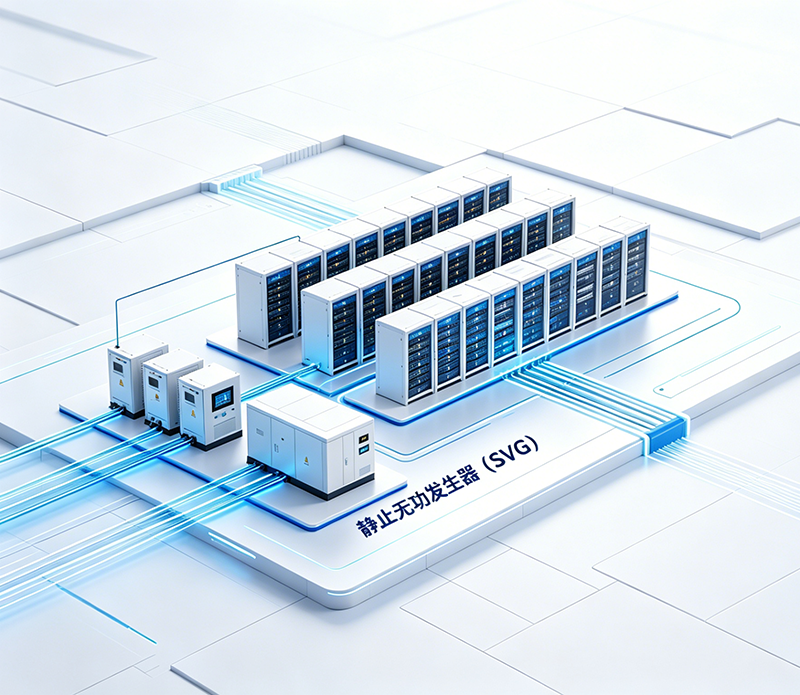
SVG Nedir? (Statik var jeneratörü)?
Bir SVG, veya Statik Var Jeneratörü, sağlayan modern bir güç elektroniği tabanlı cihazdır. gerçek zamanlı dinamik reaktif güç kompanzasyonu.
Kapasitör bankalarının aksine, SVG'ler, reaktif gücü anında üretmek veya absorbe etmek için IGBT tabanlı invertör teknolojisini kullanır.
Nasıl Çalışır?
- Yük akımını sürekli izler
- Reaktif güç talebini gerçek zamanlı olarak hesaplar
- Milisaniyeler içinde telafi akımını enjekte eder
Temel Özellikler
- Tamamen dinamik telafi (endüktif ve kapasitif)
- Sürekli ayar (adım bazlı değil)
- Hızlı yanıt (tipik olarak <10 MS)
- Harmonik distorsiyonla iyi çalışır
- Kompakt ve modüler tasarım
SVG ve Kapasitör Bankası: Teknik Karşılaştırma
Mühendislik açısından, farklar önemli.
1. Tepki hızı
- Kapasitör bankası: Yavaş (saniye düzeyinde anahtarlama)
- SVG: Ultra hızlı (milisaniye düzeyinde yanıt)
Değişken sunucu yüklerine sahip veri merkezleri için, SVG açıkça daha iyi performans gösteriyor.
2. Tazminat doğruluğu
- Kapasitör bankası: Adım adım, sınırlı hassasiyet
- SVG: Sürekli ve hassas telafi
SVG PF'yi yakın tutar 0.99 sürekli olarak.
3. Harmonik Performans
- Kapasitör bankası: Harmonikleri yükseltebilir (rezonans riski)
- SVG: Harmonik distorsiyonu aktif olarak azaltır
Bu, UPS'in yoğun olduğu ortamlarda kritik öneme sahiptir.
4. Bakım Gereksinimleri
- Kapasitör bankası: Kapasitör değişimi gerektirir, kontaktör bakımı
- SVG: Minimum bakım, katı hal tasarımı
5. Alan ve Ölçeklenebilirlik
- Kapasitör bankası: Hantal, panel tabanlı genişletme
- SVG: Kompakt, modüler genişletme mümkün
6. Yaşam Döngüsü Maliyeti
Kapasitör bankalarının ön maliyeti daha düşük olsa da, SVG teklifleri:
- Daha düşük arıza oranı
- Daha az kesinti riski
- Daha yüksek enerji verimliliği
- Daha iyi uzun vadeli yatırım getirisi
Veri Merkezleri Neden Kapasitör Bankalarından Daha Fazla SVG'ye İhtiyaç Duyuyor?
Modern veri merkezleri temel olarak geleneksel endüstriyel yüklerden farklıdır.
1. Son Derece Dinamik Yük Profilleri
Sunucu iş yükleri, sanallaştırma ve bulut bilişim nedeniyle milisaniyeler içinde dalgalanıyor.
Kapasitör bankaları yeterince hızlı tepki veremiyor, yol açan:
- Güç faktörü salınımı
- Fazla/eksik tazminat
SVG bu sorunu gerçek zamanlı ayarlamayla çözüyor.
2. Harmonik Açısından Zengin Ortam
Veri merkezleri şunları içerir::
- UPS redresörleri
- Anahtar Mod Güç Kaynakları
- VFD tahrikli soğutma sistemleri
Bunlar harmonik bozulma yaratır (3üçüncü, 5th, 7harmonikler).
Kapasitör bankaları bu koşullar altında rezonansa girebilir, SVG harmonik akımları aktif olarak bastırırken.
3. Yüksek Güvenilirlik Gereksinimleri
Veri merkezlerindeki kesintiler son derece maliyetlidir. Güç kalitesindeki herhangi bir dengesizlik,:
- Sunucu çöküyor
- Veri kaybı
- Soğutma sistemi dengesizliği
SVG kararlılık sağlar, Mekanik anahtarlama arızaları olmadan sürekli kompanzasyon.
4. Enerji Verimliliği Optimizasyonu
PF'de küçük gelişmeler bile (Örn., itibaren 0.92 ile 0.99) önemli ölçüde azaltabilir:
- Trafo kayıpları
- Kablo ısıtma
- Fayda cezaları
SVG, tüm yük koşullarında sürekli olarak yüksek PF sağlar.
CoEpower Projelerinden Gerçek Dünya Mühendislik İçgörüsü
Birden fazla CoEpower veri merkezi projesinde, tutarlı bir model gözlemledik:
- Kondansatör bankaları sabit yük testi sırasında iyi çalıştı
- Ancak yoğun bulut trafiği değişiklikleri sırasında istikrarı koruyamadı
SVG sistemlerini değiştirdikten veya takviye ettikten sonra:
- Güç faktörü kararlılığı %8-15 oranında iyileştirildi
- Harmonik distorsiyon önemli ölçüde azaldı
- Bakım müdahaleleri azaldı 60%
- Genel enerji verimliliği ölçülebilir şekilde iyileştirildi
Bu, SVG'nin yalnızca bir yükseltme olmadığını, aynı zamanda bir Güç kalitesi mimarisinde sistem düzeyinde iyileştirme.
Hibrit Çözüm: SVG + Kapasitör bankası
Bir mühendis olarak, Ayrıca kapasitör bankalarının modası geçmiş olmadığının da farkındayım.
Birçok büyük tesiste, A hibrit konfigürasyon optimal:
- Kondansatör bankaları kolu baz reaktif yük
- SVG tutamaçları dinamik ve hızlı değişen yük
Hibrit Sistemlerin Faydaları
- Tam SVG dağıtımına kıyasla daha düşük maliyet
- Geliştirilmiş sistem duyarlılığı
- SVG birimlerinde daha düşük stres
- Dengeli yaşam döngüsü maliyeti
Bu yaklaşım özellikle şu durumlarda faydalıdır::
- Seviye II / Seviye III veri merkezleri
- Büyük endüstriyel kampüsler
- Karışık yük tesisleri
SVG ve Kapasitör Bankası Arasında Nasıl Seçim Yapılır?
Bir güç faktörü düzeltme sistemi tasarlarken, aşağıdakileri göz önünde bulundurun:
Aşağıdaki durumlarda Kapasitör Bankını seçin::
- Yük sabit ve öngörülebilir
- Bütçe oldukça kısıtlı
- Harmonik bozulma minimum düzeydedir
- Endüstriyel motorlar yükün hakimiyetindedir
Aşağıdaki durumlarda SVG'yi seçin::
- Yük son derece dinamiktir (Veri Merkezleri, bulut bilişim)
- Harmonikler önemlidir
- Yüksek güç kalitesi gereklidir
- Kesinti süresi son derece maliyetlidir
Aşağıdaki durumlarda Hibrit'i seçin:
- Karışık yük davranışına sahip büyük ölçekli tesis
- CAPEX ve performans arasında dengeye ihtiyaç var
Veri Merkezlerinde Güç Faktörü Düzeltmenin Geleceği
Sektör açıkça doğru ilerliyor:
- Güç sistemlerinin tam dijitalleştirilmesi
- Gerçek zamanlı enerji optimizasyonu
- Akıllı şebeke entegrasyonu
- Yapay zeka odaklı yük tahmini
Bu bağlamda, SVG teknolojisi, akıllı güç altyapısının geleceğiyle mükemmel uyum sağlıyor.
Kapasitör bankaları hala mevcut olacak, ancak esas olarak birincil çözüm olmaktan ziyade destekleyici rollerde.
Çözüm
CoEpower'da üst düzey mühendislik perspektifinden, arasındaki karşılaştırma SVG ve kapasitör bankası bu sadece maliyetle ilgili değildir; gerçek dünya koşullarında sistem davranışıyla da ilgilidir.
Kapasitör bankaları güvenilir olmaya devam ediyor, Sabit yükler için ekonomik çözüm. Fakat, modern için dinamik veri merkezleri, harmonik açısından zengin ortamlar, SVG (Statik var jeneratörü) üstün sağlar:
- Tepki hızı
- Kesinlik
- Harmonik performans
- Güvenilirlik
- Yaşam döngüsü değeri
Çoğu modern veri merkezi uygulamasında, SVG artık bir lüks değil; yüksek performanslı güç kalitesi sistemleri için standart bir gereklilik haline geliyor.
Bir veri merkezi güç sistemi tasarlıyorsanız veya yükseltiyorsanız, SVG tabanlı reaktif güç kompanzasyonunun değerlendirilmesi, daha yüksek verimliliğe ulaşma yolunda kritik bir adımdır, istikrar, ve uzun vadeli operasyonel güvenilirlik.
Anahtar Kelime Etiketleri
Güç faktörü düzeltmesi, SVG ve kapasitör bankası, Statik var jeneratörü, kapasitör bankası sistemi, veri merkezi güç kalitesi, reaktif güç telafisi, harmoniklerin azaltılması, endüstriyel güç faktörü düzeltmesi, dinamik VAR telafisi, CoEpower mühendislik çözümleri, Tedarikçiler, üreticiler, fabrika, şirket, Çin, toptan, satın almak, fiyat, alıntı yapmak, toplu, satılık, şirket, stoklamak, maliyet.