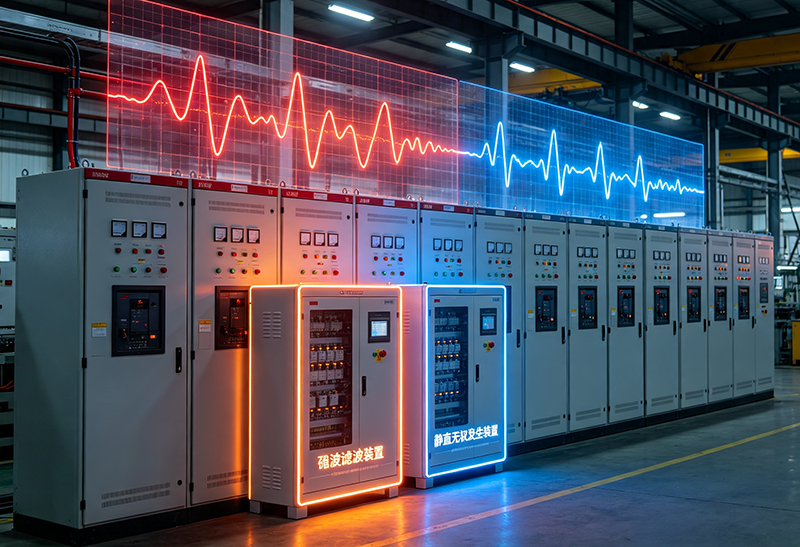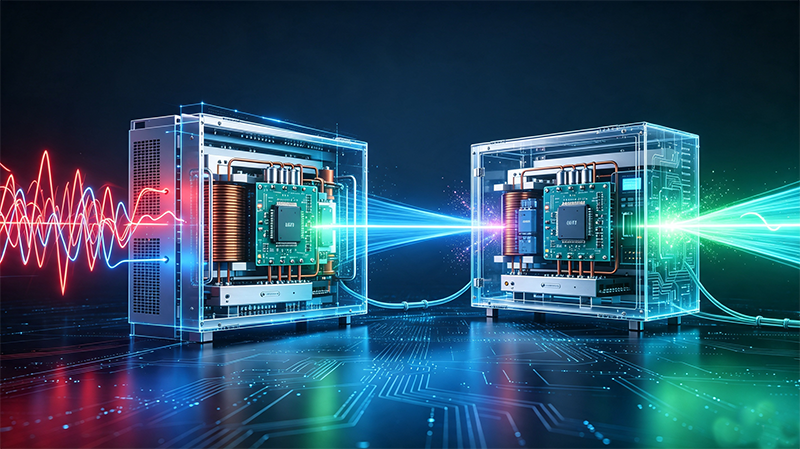
Trong môi trường công nghiệp hiện đại, duy trì chất lượng điện năng cao không còn là tùy chọn nữa—điều quan trọng là. Là kỹ sư điện cao cấp tại CoEpower, Tôi đã tận mắt chứng kiến hiện tượng méo sóng hài có thể làm gián đoạn hoạt động như thế nào, hư hỏng thiết bị nhạy cảm, và tăng chi phí hoạt động.
Hai trong số các giải pháp được sử dụng rộng rãi nhất để giảm thiểu sóng hài là Bộ lọc điều hòa hoạt động (Ahf) và Bộ lọc triệt tiêu sóng hài (HSF) (thường được gọi là bộ lọc sóng hài thụ động). Trong khi cả hai đều nhằm mục đích giảm độ méo sóng hài, chúng hoạt động khác nhau và phù hợp với các ứng dụng khác nhau.
Bài viết này cung cấp một cái nhìn toàn diện, hướng dẫn thực tế giúp bạn chọn giải pháp phù hợp cho hệ thống công nghiệp của mình.
Sóng hài là gì và tại sao chúng lại quan trọng?
Sóng hài là các biến dạng điện áp hoặc dòng điện trong hệ thống điện gây ra chủ yếu bởi các tải phi tuyến tính như:
- Ổ đĩa tần số biến (VFD)
- Bộ chỉnh lưu và biến tần
- Hệ thống UPS
- Thiết bị tự động hóa công nghiệp
Những biến dạng này có thể dẫn tới:
- Quá nhiệt của máy biến áp và dây cáp
- Tăng tổn thất năng lượng
- Sự cố hoặc hỏng hóc của thiết bị
- Hình phạt cho việc không tuân thủ các tiêu chuẩn như IEEE 519
Quản lý hiệu quả sóng hài là điều cần thiết để đảm bảo độ tin cậy và hiệu quả của hệ thống.
Bộ lọc điều hòa hoạt động là gì?
Một bộ lọc hài hòa hoạt động (Ahf) là một thiết bị điện tử tiên tiến có khả năng tự động phát hiện và bù dòng điện hài trong thời gian thực.
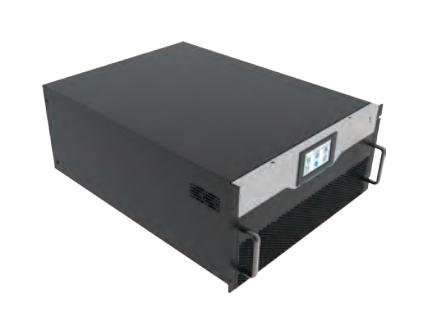
Các tính năng chính của AHF:
- Bù sóng hài thời gian thực
- Thích ứng với sự thay đổi tải
- Có khả năng lọc nhiều lệnh điều hòa cùng một lúc
- Cũng cải thiện hệ số công suất và cân bằng tải
Nó hoạt động như thế nào:
AHF sử dụng điện tử công suất (Bộ chuyển đổi dựa trên IGBT) bơm dòng điện ngược chiều vào hệ thống, loại bỏ sóng hài một cách hiệu quả.
Bộ lọc triệt tiêu sóng hài là gì?
Bộ lọc triệt tiêu sóng hài (HSF), thường là một bộ lọc thụ động, được thiết kế bằng cách sử dụng tổ hợp các tụ điện, cuộn cảm, và điện trở được điều chỉnh theo tần số hài cụ thể.
Các tính năng chính của HSF:
- Đã sửa lỗi bồi thường cho các lệnh điều hòa cụ thể
- Chi phí ban đầu thấp hơn so với AHF
- Cấu trúc và hoạt động đơn giản
Nó hoạt động như thế nào:
HSF cung cấp đường dẫn trở kháng thấp cho các tần số hài mục tiêu, chuyển hướng chúng ra khỏi hệ thống điện.
Bộ lọc điều hòa hoạt động và Bộ lọc triệt tiêu sóng hài: Sự khác biệt chính
| Tính năng | Bộ lọc điều hòa hoạt động | Bộ lọc triệt tiêu sóng hài |
|---|---|---|
| Nguyên tắc làm việc | Bù động thời gian thực | Điều chỉnh tần số cố định |
| Linh hoạt | Cao (thích ứng với sự thay đổi tải) | Thấp (được thiết kế cho các sóng hài cụ thể) |
| Bảo hiểm sóng hài | Phạm vi rộng (nhiều đơn đặt hàng) | Giới hạn ở tần số điều chỉnh |
| Cài đặt | Phức tạp hơn | Đơn giản hơn |
| Trị giá | Đầu tư ban đầu cao hơn | Chi phí trả trước thấp hơn |
| Nguy cơ cộng hưởng | Không có | Các vấn đề cộng hưởng có thể xảy ra |
| Hiệu chỉnh hệ số công suất | Đúng (đa chức năng) | Giới hạn |
Khi nào bạn nên chọn Bộ lọc sóng hài chủ động?
Từ kinh nghiệm kỹ thuật của tôi, AHF là lựa chọn tốt nhất trong các tình huống sau:
1. Tải trọng biến đổi cao
Các ngành công nghiệp như sản xuất, khai thác mỏ, và trung tâm dữ liệu thường có tải dao động. AHF thích ứng theo thời gian thực, làm cho chúng trở nên lý tưởng.
2. Yêu cầu nghiêm ngặt về chất lượng điện
Nếu cơ sở của bạn phải tuân thủ IEEE 519 hoặc các tiêu chuẩn tương tự, AHF cung cấp khả năng kiểm soát sóng hài chính xác.
3. Hồ sơ hài hòa phức tạp
Khi có nhiều tần số hài, AHF hoạt động tốt hơn đáng kể so với các bộ lọc thụ động.
4. Cần đa chức năng
AHF có thể:
- Bù sóng hài
- Hệ số công suất chính xác
- Cân bằng tải ba pha
Điều này làm cho chúng trở thành một giải pháp toàn diện.
Khi nào bạn nên chọn Bộ lọc triệt tiêu sóng hài?
HSF (bộ lọc thụ động) vẫn có chỗ đứng trong các hệ thống công nghiệp, đặc biệt trong những trường hợp này:
1. Tải ổn định và có thể dự đoán được
Nếu hệ thống của bạn hoạt động trong điều kiện nhất quán với tần số hài đã biết, bộ lọc thụ động có thể có hiệu quả.
2. Ràng buộc ngân sách
HSF trả trước có hiệu quả hơn về mặt chi phí, làm cho chúng phù hợp với các dự án có ngân sách hạn chế.
3. Ứng dụng đơn giản
Đối với các hệ thống có sóng hài chiếm ưu thế (VÍ DỤ., 5thứ hoặc thứ 7), bộ lọc thụ động được điều chỉnh có thể hoạt động tốt.
Cân nhắc chi phí: Đầu tư ban đầu và dài hạn
Một trong những câu hỏi tôi nhận được nhiều nhất từ khách hàng là:
“Giải pháp nào tiết kiệm chi phí hơn?”
Bộ lọc điều hòa hoạt động:
- Chi phí trả trước cao hơn
- Bảo trì thấp hơn
- Tiết kiệm năng lượng theo thời gian
- Giảm nguy cơ hỏng hóc thiết bị
Bộ lọc triệt tiêu sóng hài:
- Chi phí ban đầu thấp hơn
- Chi phí tiềm ẩn (sự cộng hưởng, sự lệch hướng, sự kém hiệu quả)
- Có thể yêu cầu thiết kế lại nếu điều kiện hệ thống thay đổi
Cái nhìn sâu sắc về kỹ thuật:
Mặc dù ban đầu AHF có vẻ đắt tiền, họ thường mang lại ROI tốt hơn trong môi trường công nghiệp năng động.
So sánh hiệu suất và độ tin cậy
Bộ lọc điều hòa hoạt động:
- Hiệu suất ổn định dưới các tải khác nhau
- Không có vấn đề nổ tung
- Độ tin cậy cao trong các hệ thống phức tạp
Bộ lọc triệt tiêu sóng hài:
- Hiệu suất phụ thuộc nhiều vào độ ổn định của hệ thống
- Dễ bị cộng hưởng và quá tải
- Hiệu suất giảm nếu thông số hệ thống thay đổi
Ứng dụng công nghiệp điển hình
Ứng dụng bộ lọc sóng hài chủ động:
- Trung tâm dữ liệu
- Nhà máy thép
- Sản xuất ô tô
- Hệ thống năng lượng tái tạo (mặt trời/gió)
- Bệnh viện và các cơ sở quan trọng
Ứng dụng bộ lọc triệt tiêu sóng hài:
- Nhà máy xi măng
- Cơ sở xử lý nước
- hệ thống HVAC
- Ứng dụng động cơ tốc độ cố định
Giải pháp lai: Điều tốt nhất của cả hai thế giới?
Trong một số trường hợp, kết hợp cả hai công nghệ mang lại kết quả tối ưu.
Một hệ thống hybrid có thể sử dụng:
- Bộ lọc thụ động để giảm sóng hài số lượng lớn
- Bộ lọc hoạt động để tinh chỉnh và bù động
Cách tiếp cận này cân bằng chi phí và hiệu suất một cách hiệu quả.
Danh sách kiểm tra lựa chọn thực tế
Khi chọn giữa Bộ lọc sóng hài chủ động và Bộ lọc triệt tiêu sóng hài, hãy xem xét những điều sau đây:
- Tải biến thiên (ổn định vs năng động)
- Độ phức tạp của phổ hài hòa
- Yêu cầu tuân thủ (IEEE 519, tiêu chuẩn IEC)
- Ngân sách (chi phí ban đầu và chi phí vòng đời)
- Hạn chế về không gian và lắp đặt
- Kế hoạch mở rộng hệ thống trong tương lai
Phần kết luận
Việc lựa chọn giữa Bộ lọc sóng hài chủ động và Bộ lọc triệt tiêu sóng hài không chỉ đơn giản là một quyết định kỹ thuật—đó là một khoản đầu tư chiến lược vào hiệu quả của cơ sở của bạn, độ tin cậy, và tuân thủ.
Từ kinh nghiệm của tôi tại CoEpower, nguyên tắc chung là:
- Chọn Bộ lọc hài hòa hoạt động cho động, tổ hợp, và hệ thống hiệu suất cao
- Chọn Bộ lọc triệt tiêu sóng hài để ổn định, có thể dự đoán được, và các ứng dụng nhạy cảm với chi phí
Nếu hệ thống của bạn đang phát triển hoặc dự kiến sẽ mở rộng quy mô, đầu tư vào AHF hầu như sẽ luôn mang lại giá trị lâu dài lớn hơn.
Giới thiệu về CoEpower
Tại CoEpower, chúng tôi chuyên về các giải pháp nâng cao chất lượng điện năng, bao gồm Bộ lọc sóng hài chủ động và hệ thống giảm thiểu sóng hài tùy chỉnh phù hợp với nhu cầu công nghiệp.
Nếu bạn không chắc chắn giải pháp nào phù hợp với ứng dụng của mình, tư vấn với các kỹ sư giàu kinh nghiệm có thể tiết kiệm cả thời gian và chi phí về lâu dài.
Tags: Bộ lọc điều hòa hoạt động, Bộ lọc triệt tiêu sóng hài, Giảm thiểu điều hòa, Giải pháp chất lượng năng lượng, hệ thống điện công nghiệp, bộ lọc biến dạng sóng hài, Bộ lọc AHF và thụ động, giải pháp lọc sóng hài, nhà cung cấp, nhà sản xuất, nhà máy, công ty, Trung Quốc, bán buôn, mua, giá , Trích dẫn, số lượng lớn, Để bán, công ty, Cổ phần, trị giá.